Eco-Friendly Cleaning Made Easy: Tips, Tricks, and DIY Solutions
Want a clean home without harming the planet? You don’t need fancy products or a big budget. Below you’ll find straightforward ideas that work in any house, plus quick recipes you can mix with items you already have.
Why Choose Eco-Friendly Cleaning?
Traditional cleaners often contain harsh chemicals that linger in the air and on surfaces. Those chemicals can irritate skin, aggravate allergies, and end up in waterways. Switching to greener options cuts down on that exposure and reduces waste. Most green cleaners use biodegradable ingredients, so they break down harmlessly after use.
Another big win is cost. Many natural ingredients—like white vinegar, baking soda, and lemon—are cheap and come in bulk. You’ll spend less on pricey branded products and still get great results. Plus, using refillable containers keeps plastic from piling up.
Top Simple Green Cleaning Hacks
All‑purpose spray: Mix one cup white vinegar, one cup water, and a few drops of citrus essential oil. Spray on counters, bathroom tiles, and kitchen surfaces. It cuts grease, kills germs, and leaves a fresh scent.
Stainless‑steel shine: Dab a soft cloth in a little olive oil, then rub the stainless steel to a shine. It removes smudges without polishing chemicals.
Grime‑fighting paste: Combine baking soda with a splash of water to form a paste. Apply to oven doors, stovetops, or grout, let sit five minutes, then scrub. The mild abrasion lifts food residue without scratching.
Fresh laundry: Add half a cup of white vinegar to the rinse cycle. It softens fabrics, reduces static, and neutralizes odors. You’ll notice a cleaner smell without a commercial fabric softener.
Non‑toxic disinfectant: For high‑traffic areas, spray a mix of 70% isopropyl alcohol and a few drops of tea tree oil. It kills most germs in a minute and dries quickly.
If you’re curious about which store‑bought products actually live up to the “green” label, check out our guide on the best natural disinfectants and the most eco-friendly laundry detergents. They break down the ingredient lists and point out which brands use plant‑based formulas and biodegradable packaging.
Got a stubborn stain or a sticky mess you can’t crack? Our article on mastering tough household spots shows how to tackle them with lemon juice, hydrogen peroxide, or a bit of baking soda—no harsh bleach needed.
Feeling inspired to go deeper? Dive into our DIY series for homemade cleaners, from a all‑natural floor mop solution to a fresh‑scented bathroom spray. Each recipe lists exact measurements so you can mix the right amount the first time.
Switching to eco-friendly cleaning is a habit, not a one‑off task. Start with one or two of the hacks above, and add more as you get comfortable. Your home will stay fresh, your health will improve, and you’ll be doing your part for the planet—all without breaking the bank.
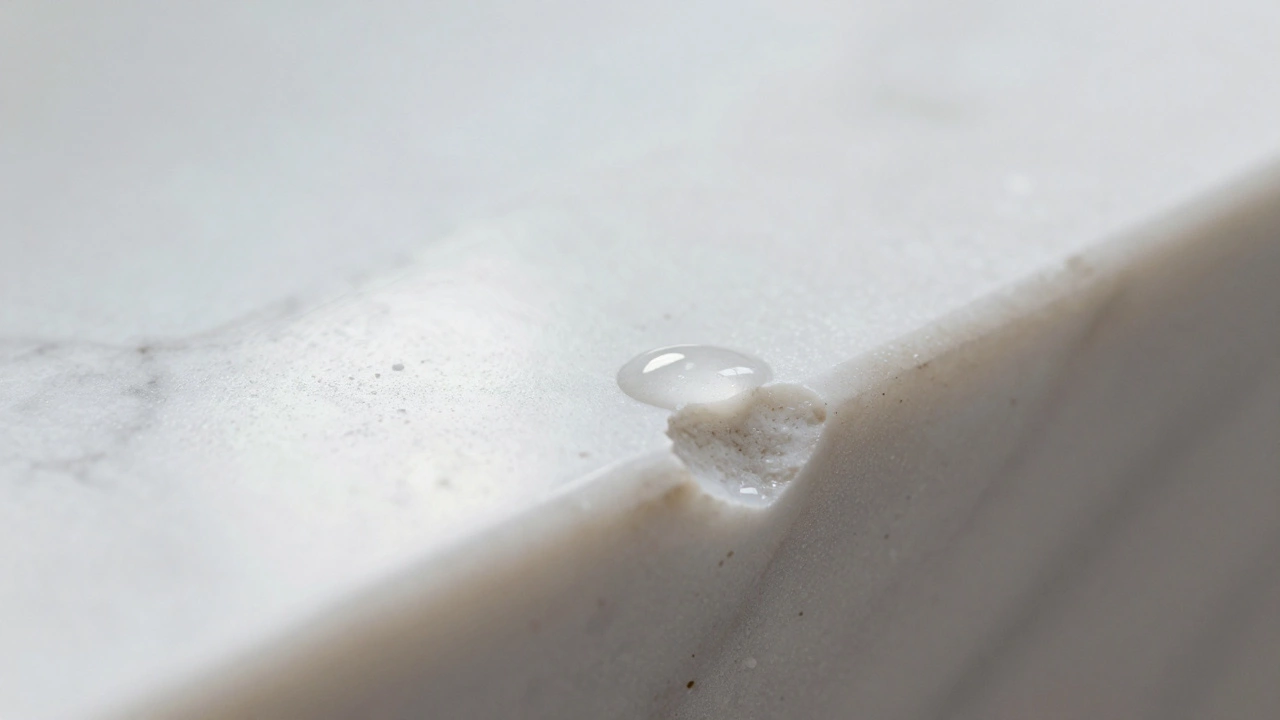
Where You Should Not Clean With Vinegar: A Safety Guide
Discover where cleaning with vinegar causes damage. Learn which surfaces like marble, stainless steel, and wood suffer from acid reactions and find safe alternatives.
Read More
Is Eco-Friendly the Same as Organic? Clear Differences for Cleaning
Eco-friendly and organic cleaning aren't the same. One focuses on environmental impact, the other on pure, chemical-free ingredients. Learn how to tell them apart and choose what's truly safe for your home and planet.
Read More
What is the healthiest way to wash clothes?
The healthiest way to wash clothes uses cold water, minimal non-toxic detergent, natural fibers, and line drying. It protects your skin, reduces plastic pollution, and lowers your environmental footprint-all without sacrificing cleanliness.
Read More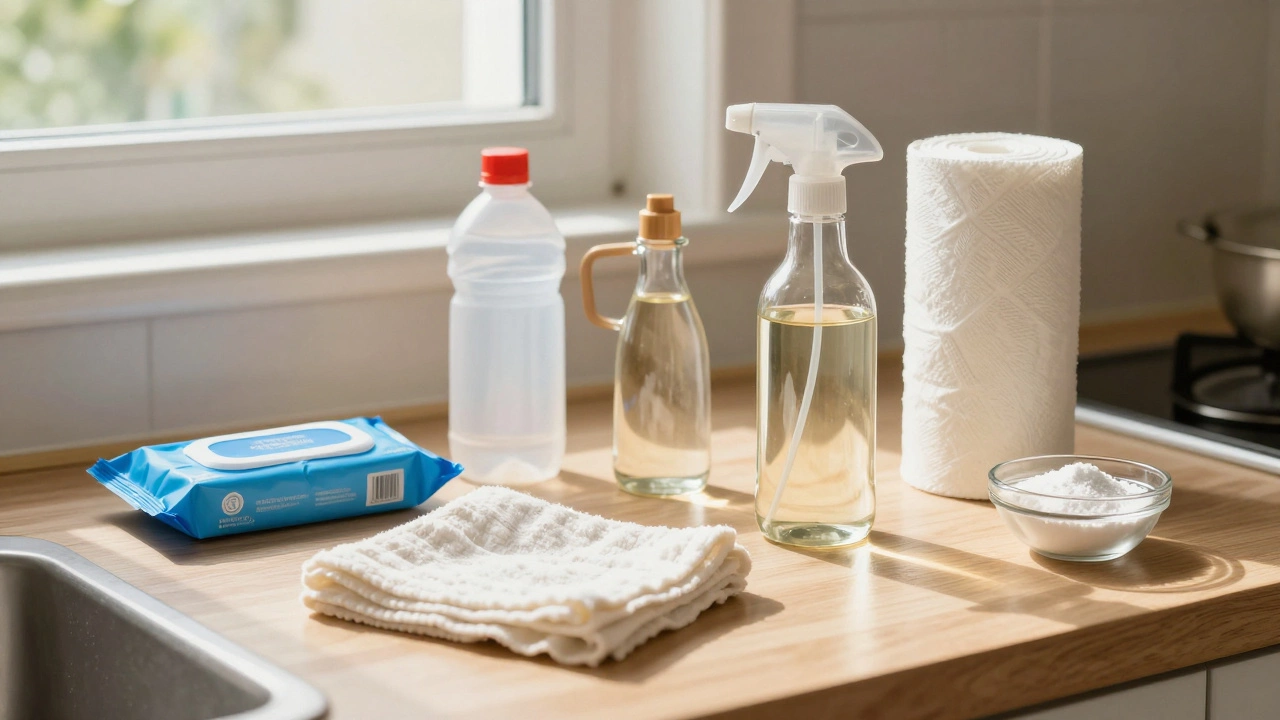
How Can I Be 100% Eco-Friendly with Cleaning?
True eco-friendly cleaning isn’t about buying green labels-it’s about cutting plastic, avoiding toxins, and using simple ingredients like vinegar and baking soda. Learn how to clean effectively without waste, chemicals, or single-use products.
Read More
7 Hidden Downsides of Green Cleaning You Need to Know
While eco-friendly cleaning is popular, it's not without drawbacks. Learn about effectiveness issues, higher costs, surface damage risks, misleading labels, and other hidden downsides of green cleaning products. Discover when conventional cleaners might be necessary.
Read More
Is Pine-Sol a Good Cleaner? Honest Review for Eco-Friendly Homes
Pine-Sol cleans well but contains harsh chemicals that aren't safe for kids, pets, or the planet. Learn why simpler, natural alternatives are better for daily use in eco-friendly homes.
Read More
How to Tell If a Cleaning Product Is Really Eco-Friendly
Learn how to spot real eco-friendly cleaning products by checking certifications, ingredients, and packaging. Avoid greenwashing and choose cleaners that are truly safe for your home and the planet.
Read More
What Is the Best Thing to Wash Your House With for Eco-Friendly Results?
Discover the safest, most eco-friendly way to wash your house without harsh chemicals. Learn how vinegar, baking soda, and oxygen bleach can clean your home without harming plants, pets, or the environment.
Read More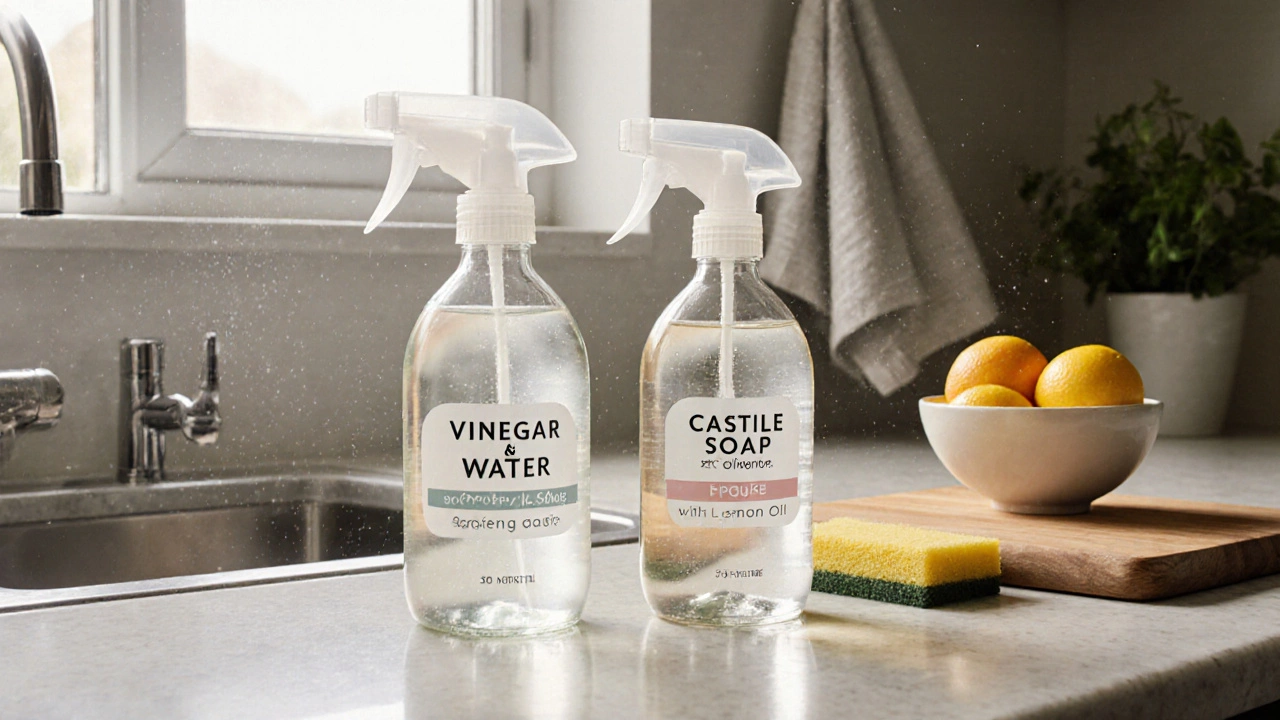
Do green cleaning products really work? The truth behind eco-friendly cleaners
Green cleaning products work for most household tasks-cutting grease, killing germs, and removing stains-without toxic chemicals. Learn which ones actually deliver, how to make them cheaply, and where they fall short.
Read More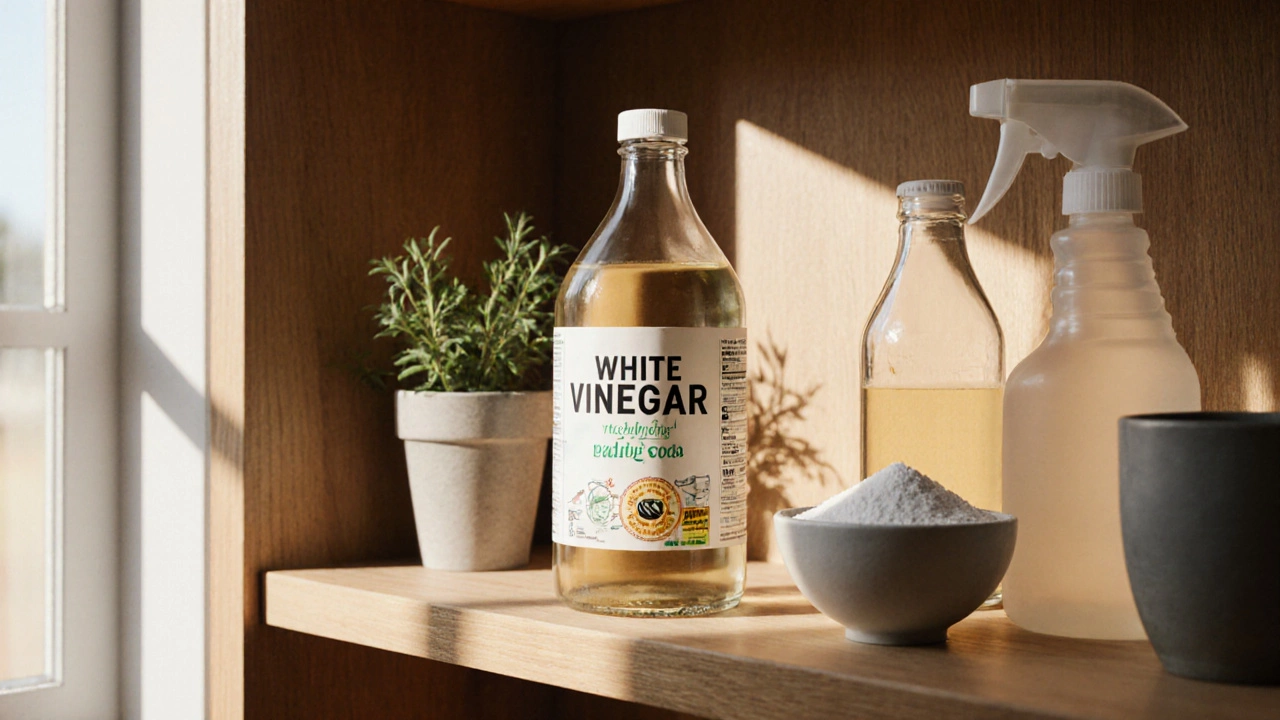
Is White Vinegar Eco‑Friendly? Facts for Green Cleaning
Find out if white vinegar is truly eco‑friendly. Learn about its cleaning power, environmental footprint, best uses, and safety tips in this comprehensive guide.
Read More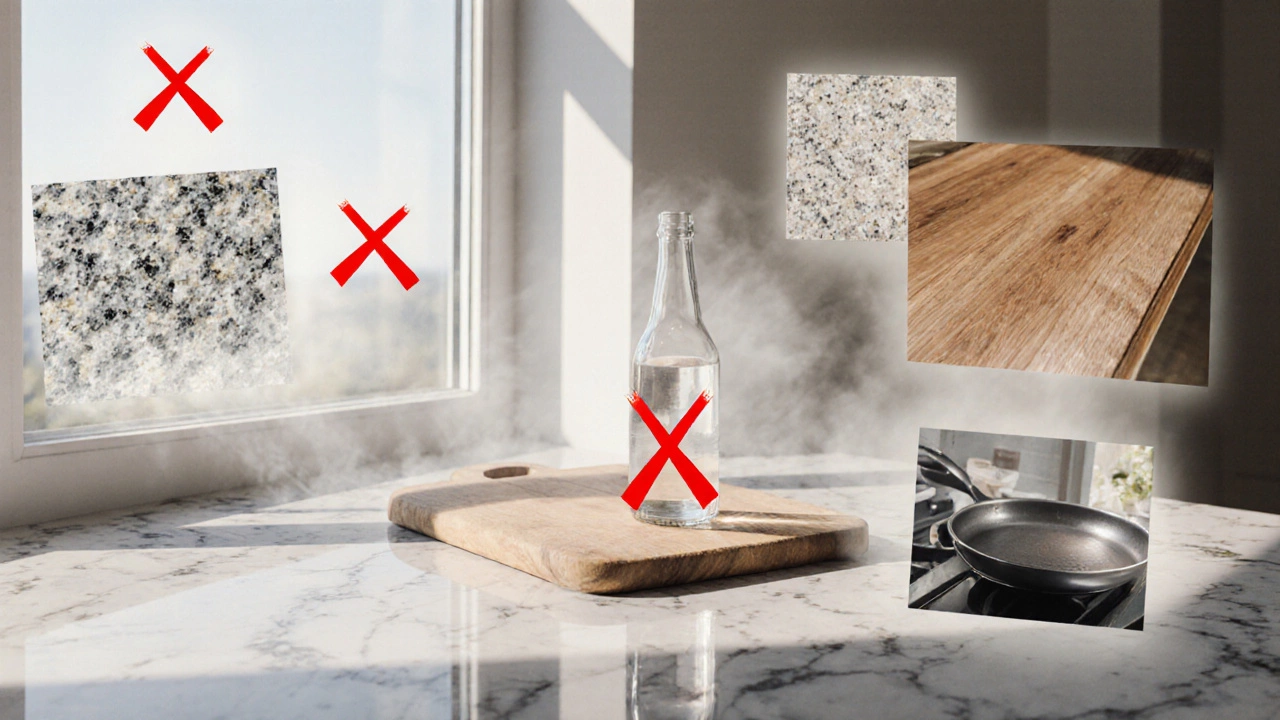
Surfaces You Should Never Clean With Vinegar - Risks & Safe Alternatives
Learn which surfaces can be damaged by vinegar, why the acid reacts, and safe alternatives for stone, wood, metal, painted walls, screens and more.
Read More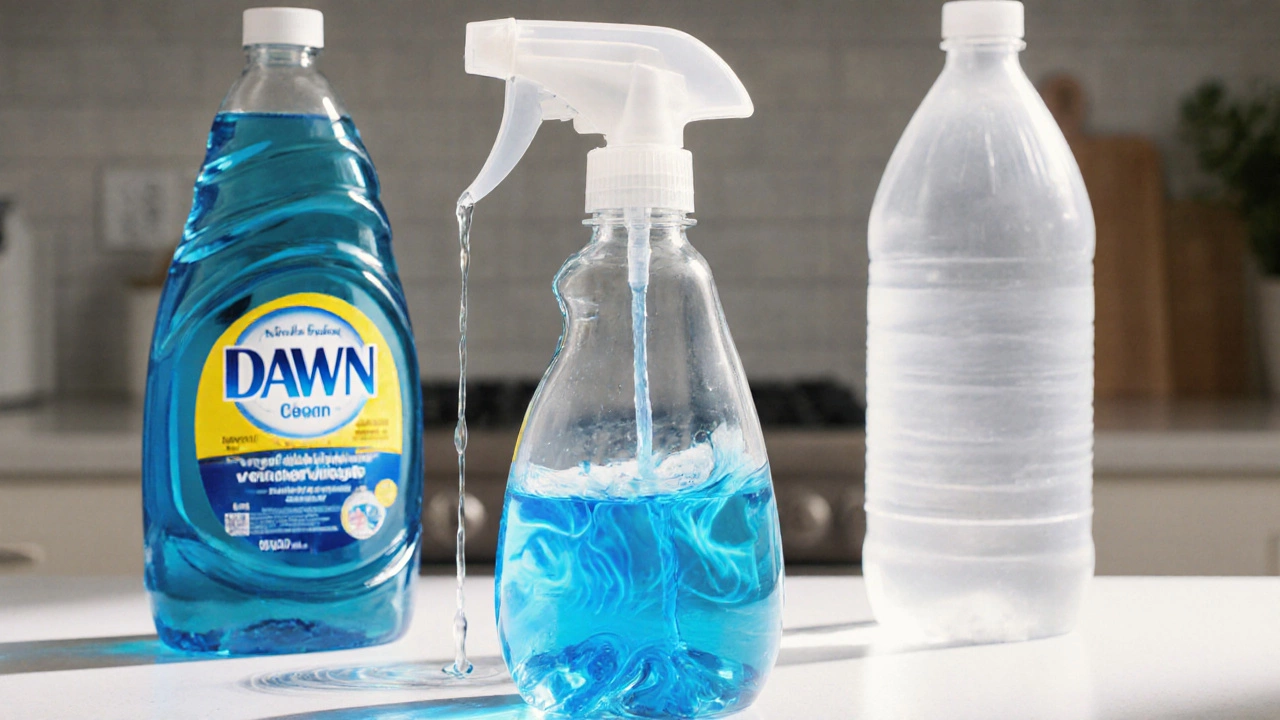
How Long Should Dawn and Vinegar Sit? A Practical Guide
Learn the optimal soak times for Dawn and vinegar cleaners, safety tips, mixing ratios, and step‑by‑step instructions for a fresh, eco‑friendly home.
Read More