Upholstery Cleaning Safety Checker
Check if your couch is safe for shampooer use based on your fabric type and cleaning code. Using the wrong method can damage your furniture.
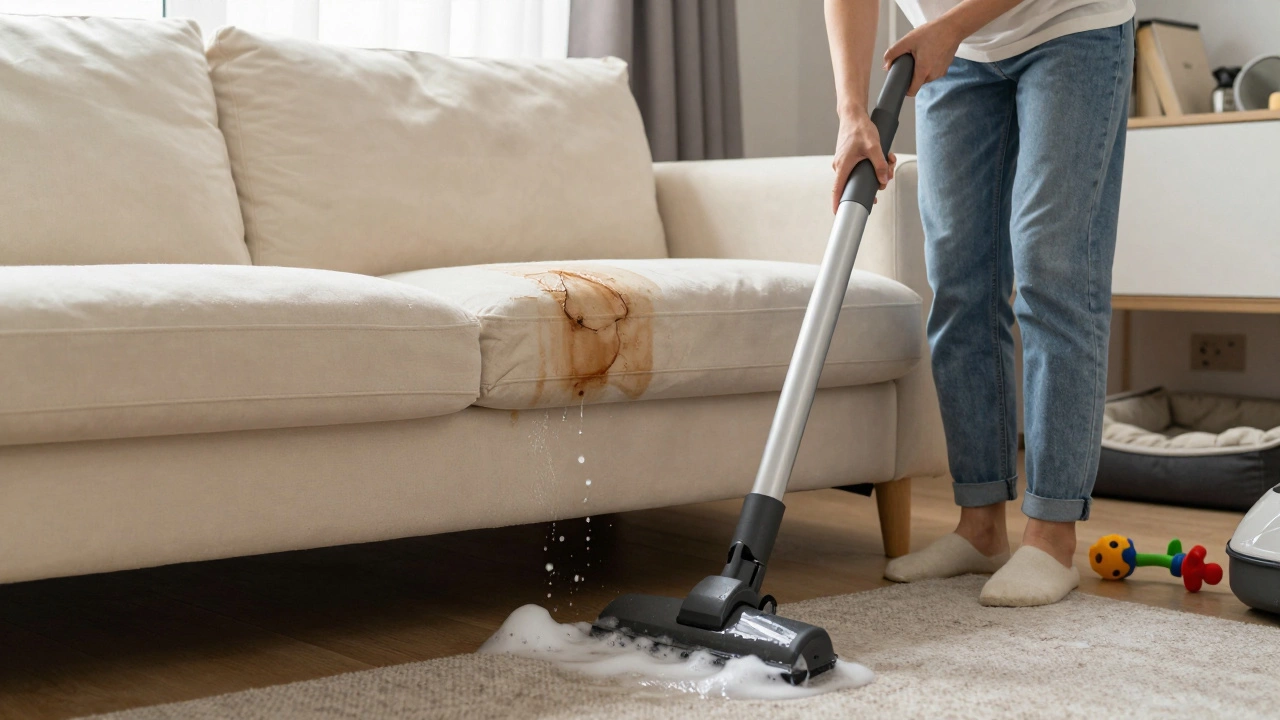
You’ve got a stained couch. Maybe it’s from spilled tea, pet accidents, or kids’ snacks. You’re tempted to grab your carpet shampooer and give it a good go. After all, it works on the rug-why not the sofa? But before you turn on that machine, stop. Not all upholstery is built the same. Using a shampooer the wrong way can ruin your couch faster than the spill ever did.
Why Your Carpet Shampooer Might Be Dangerous for Your Sofa
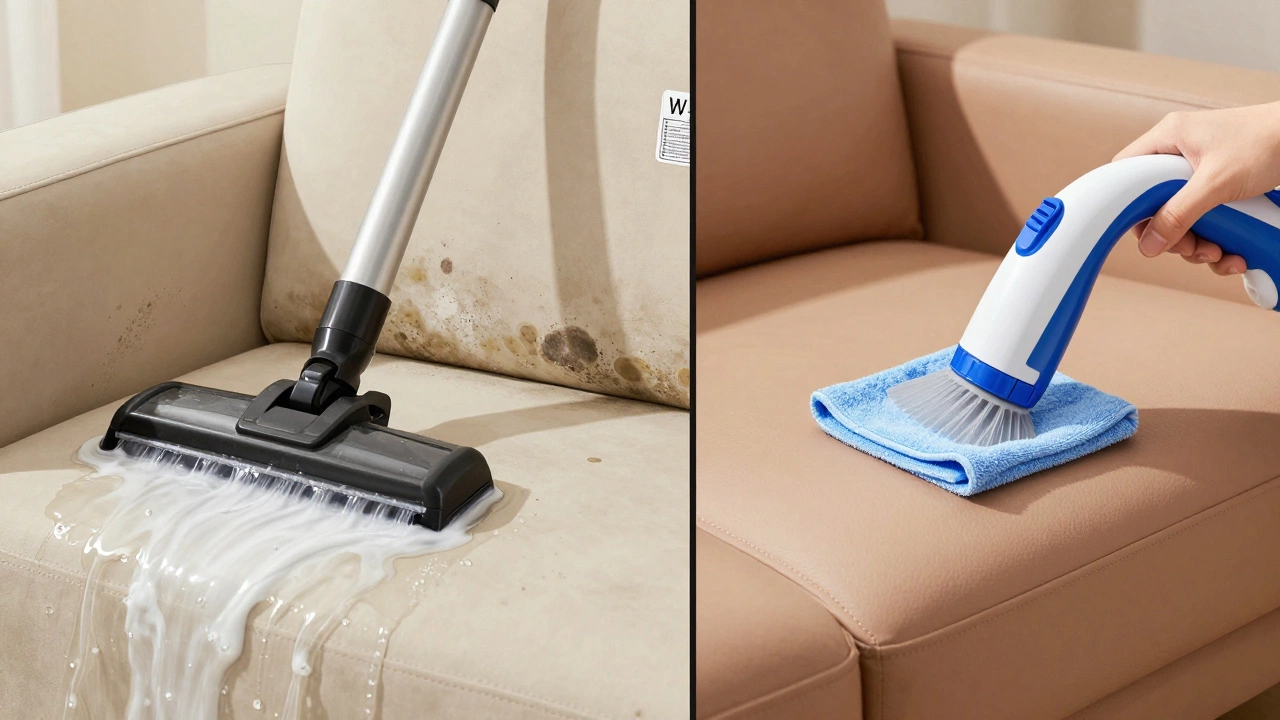
Carpet shampooers are designed for thick, durable fibers that can handle heavy water exposure. Most carpets have a backing that can dry slowly without damage. Upholstery? Not so much. Sofa fabrics are thinner, often layered with foam, batting, and wood frames. Too much water gets trapped, and that’s where problems start.When you spray a shampooer onto a couch, you’re not just cleaning the surface-you’re soaking the padding underneath. If it doesn’t dry properly, mold grows. That smell you think is just wet fabric? It’s mildew. And once mold takes root in your sofa’s padding, no amount of baking soda or vinegar will fix it.
Plus, many sofa fabrics are delicate. Microfiber, linen, velvet, and even some polyester blends can shrink, bleed color, or become stiff after heavy wet cleaning. I’ve seen people use carpet machines on their cream-colored loveseat and end up with a stiff, discolored mess that cost more to replace than the machine did.
What’s the Difference Between Carpet and Upholstery Cleaning?
It’s not just about the fabric. The tools and methods are built for different jobs.Carpet shampooers use high-pressure water and strong suction to pull dirt from deep in thick pile. They’re meant to handle 100% wool or nylon carpets that can take a beating. Upholstery, on the other hand, needs low-moisture, targeted cleaning. Professional upholstery cleaners use extractors with adjustable water flow, specialized brushes, and dry extraction pads that lift dirt without oversaturating.
Even the cleaning solutions are different. Carpet shampoos are often alkaline-heavy to break down grease and ground-in dirt. But those same chemicals can damage the dyes in upholstery fabrics. Many sofa manufacturers warn against using alkaline cleaners-they can cause fading or fabric breakdown over time.
Look at the tag on your couch. It’ll have a cleaning code: W, S, SW, or X. W means water-based cleaners are safe. S means solvent-only. SW means either. X means no cleaning at all-just vacuum. If your couch says S or X, using a shampooer is a bad idea. Even if it says W, you still need to be careful with how much water you use.
When It’s Okay to Use a Shampooer (And How to Do It Right)
There are exceptions. If your couch is made of durable, washable fabric-like a canvas or heavy-duty cotton blend-and the manufacturer says water-based cleaning is fine, then yes, you can use a shampooer. But only if you follow strict rules.- Test first. Spray a tiny bit of cleaner on an unseen area-like under a cushion-and wait 24 hours. Look for color loss or texture change.
- Use the lowest water setting. Many machines have a "upholstery" mode. Use it.
- Don’t soak. Go over each section once, slowly. Let the suction do the work. Don’t hold the nozzle in one spot.
- Blot, don’t rub. After cleaning, use clean towels to press out moisture. Rubbing pushes dirt deeper and stretches fibers.
- Dry it fast. Open windows, turn on fans, use a dehumidifier. Let it dry completely within 12 hours. If it’s still damp after 24, you’ve used too much water.
I’ve helped a neighbor clean her durable polyester sofa with a shampooer after she followed these steps. It looked brand new. But she’d read the label, tested a hidden spot, and ran a dehumidifier overnight. That’s the difference between success and disaster.
What to Use Instead of a Shampooer
If your couch isn’t a good candidate for a shampooer, you’ve got better options.Steam cleaner with upholstery attachment - Not the same as a carpet shampooer. These use dry steam-low moisture, high heat. It lifts dirt and kills dust mites without soaking the padding. Look for models with adjustable steam settings and a fabric brush.
Upholstery-specific cleaners - Brands like Bissell SpotClean, Hoover PowerDash, and OxiClean Fabric & Carpet Cleaner (upholstery version) are designed for sofas. They come with smaller nozzles, lower water output, and formulas safe for fabrics. These are cheaper than buying a whole new machine and way safer.
DIY baking soda and vinegar - Sprinkle baking soda on the couch, let it sit 15 minutes, then vacuum. For stains, mix one part white vinegar with two parts water, dab gently with a microfiber cloth, then blot dry. Works great for odors and light stains. No waterlogging. No risk.
For deep cleaning, hire a pro. They use truck-mounted extractors that pull water out faster than home machines. They also have access to industrial-grade dryers. It costs £80-£150 for a standard three-seater, but it’s cheaper than replacing a ruined sofa.
Signs You’ve Damaged Your Couch With a Shampooer
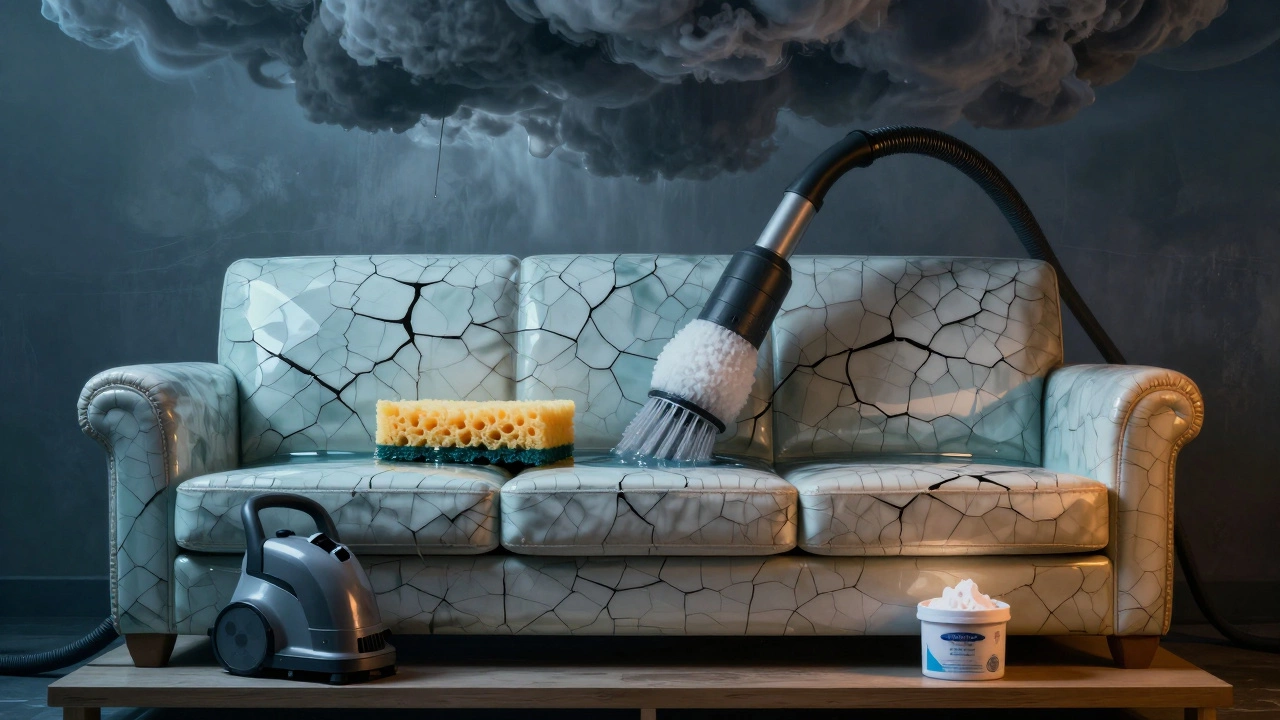
If you’ve already used a shampooer and something feels off, watch for these red flags:- A musty smell that won’t go away
- Stiff or crunchy fabric
- Color fading or bleeding
- Water rings or dark patches
- Loose seams or sagging cushions
If you see any of these, stop using the machine. Don’t try to fix it with more cleaning. The damage is done. Call a professional restoration service. They can sometimes salvage the fabric with dry cleaning or reupholstery-but only if you act fast.
How Often Should You Clean Your Couch?
Most sofas don’t need deep cleaning more than once or twice a year. Vacuum weekly with a brush attachment to remove dust and pet hair. Spot-clean spills immediately with a damp cloth and mild soap. That’s usually enough.Heavy use? Kids, pets, or lots of guests? Then clean every 6 months-but still skip the carpet shampooer. Use a handheld upholstery cleaner instead. It’s gentler, more precise, and won’t flood your couch.
Remember: your couch isn’t a rug. It’s a piece of furniture with layers, padding, and structure. Treat it like one.
Final Verdict: Should You Use a Shampooer on Your Couch?
The short answer? Only if your couch’s care label says W or SW, you test it first, use the lowest water setting, and dry it completely within 12 hours. Even then, a dedicated upholstery cleaner is safer.For most people? Don’t risk it. Your couch isn’t worth the damage. Buy a small, affordable upholstery cleaner for £30-£50. Use it once every few months. Your sofa will thank you-and so will your wallet.
Can I use a carpet shampooer on a microfiber couch?
No. Microfiber is extremely sensitive to water. A carpet shampooer will oversaturate the fabric, causing it to stiffen, shrink, or leave water rings. Always use a dry-cleaning method or a microfiber-specific cleaner with minimal moisture.
What if my couch has a "W" cleaning code?
A "W" code means water-based cleaners are safe, but it doesn’t mean you can use a carpet shampooer. You still need to use low water pressure, avoid soaking, and dry thoroughly. A handheld upholstery cleaner is the right tool, not a full-sized carpet machine.
Will a shampooer kill dust mites on my couch?
It might, but only if the water is hot enough and the fabric dries quickly. Most home shampooers don’t reach the 130°F+ needed to kill dust mites. A steam cleaner with a fabric attachment is far more effective and safer for upholstery.
Can I use a shampooer on a leather couch?
Never. Leather is not fabric. Water will seep into the seams, cause cracking, and ruin the finish. Clean leather with a damp cloth and a pH-balanced leather cleaner only. Shampooers will destroy it.
How long does a couch take to dry after cleaning?
With proper drying methods-fans, open windows, dehumidifiers-it should dry in 6-12 hours. If it’s still damp after 24 hours, you used too much water. Leave it to dry longer. Sitting on a wet couch can cause permanent stains and mold.
Is it worth buying a upholstery cleaner instead of using my carpet shampooer?
Yes. A dedicated upholstery cleaner costs £30-£50 and is designed for sofas. It uses less water, has gentler brushes, and comes with fabric-safe solutions. It’s cheaper than replacing a damaged couch and safer for your furniture.