End of Tenancy Cleaning Checklist
Check Your Cleaning Readiness
Get your full deposit back by completing these 5 critical procedures. Based on UK Tenancy Deposit Scheme guidelines and ARLA 2024 data showing 68% of deposit disputes stem from inadequate cleaning.
1. Deep Clean Surfaces & Fixtures
2. Avoid Critical Mistakes
3. Deposit Protection Assessment
Your current deposit protection: Check your progress above
When you’re moving out of a rented property, your landlord won’t just accept a quick sweep of the floor. They expect a deep, professional-level clean that meets legal and contractual standards. In the UK, failing to meet these standards can cost you your deposit. So what are the actual cleaning procedures that make the difference between getting your full deposit back and losing hundreds of pounds?
1. Deep Clean All Surfaces and Fixtures
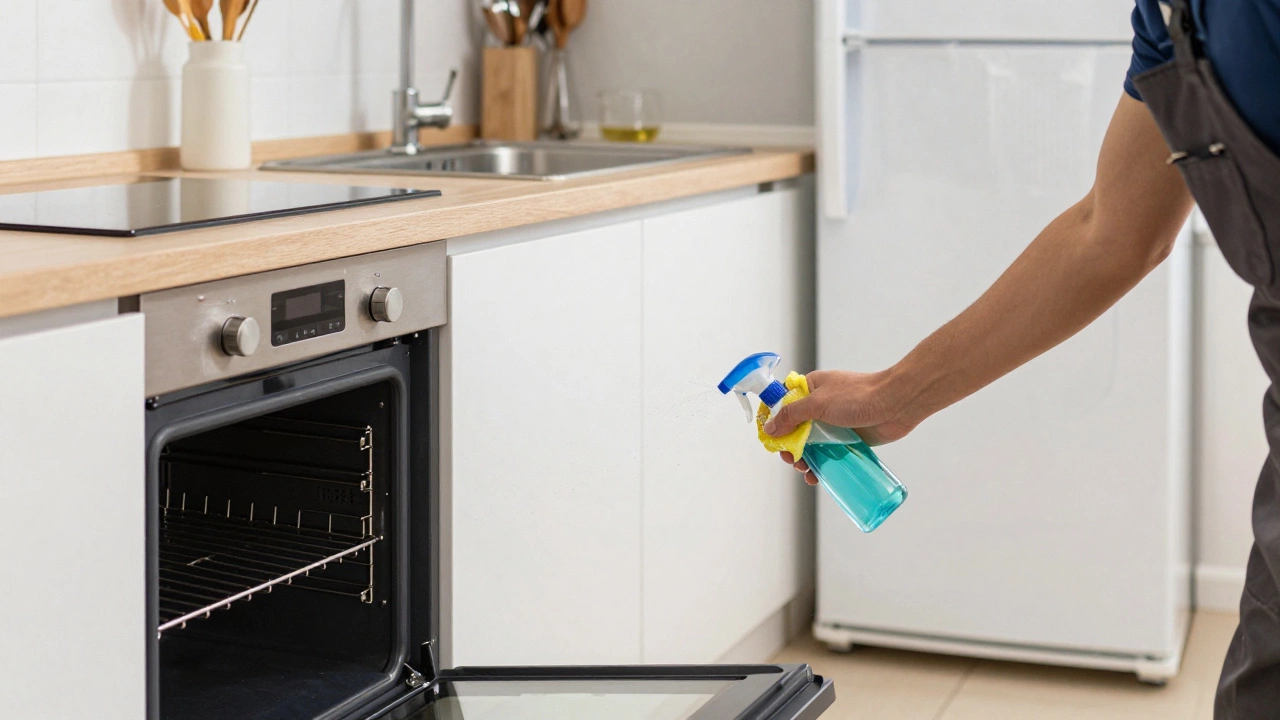
This isn’t about wiping down the kitchen counter. It’s about removing every trace of grease, grime, and buildup that’s accumulated over months or years. Start with the kitchen. Remove everything from the cabinets. Clean the inside of the oven, including the racks and door seals. Use a degreaser on the stovetop and extractor hood-these areas collect years of splattered oil. Wipe down all cupboard fronts and handles with a vinegar-water mix or a dedicated kitchen cleaner. Don’t forget the fridge and freezer: empty them, remove shelves, wash them in warm soapy water, and dry thoroughly. The same goes for the sink and taps-scrub the grout around the sink, clean the drain, and polish the metal until it shines. A dull tap or stained sink is one of the most common reasons deposits are withheld.
2. Remove Stains and Buildup from Floors
Floors are a major inspection point. For tile or vinyl, scrub the grout lines with a stiff brush and a mixture of baking soda and water. Grime in grout is hard to miss and often leads to deductions. For hardwood or laminate, use a pH-neutral cleaner. Never use steam cleaners on laminate-it can warp the boards. Carpet cleaning is non-negotiable. Vacuum twice, then use a professional-grade carpet cleaner or hire a service. Pet stains, spills, and tracked-in dirt leave odours and discolouration that regular vacuuming won’t fix. Landlords can hire cleaners to assess this themselves, and they’ll charge you if it’s not done right. A clean floor doesn’t just look better-it smells better too.
3. Clean Windows, Window Frames, and Blinds
Windows are one of the first things landlords look at. Clean the inside and outside of every pane. Use a squeegee and a mix of water and white vinegar for streak-free results. Don’t skip the window tracks-use an old toothbrush to scrape out dust, dirt, and dead insects. Window frames and sills need attention too. Wipe them down with disinfectant; mould or mildew here is a red flag. Blinds and curtains are often overlooked. Wash machine-washable curtains on a gentle cycle. For venetian or vertical blinds, take them down and wash each slat in the sink with warm soapy water. Dust them with a microfibre cloth before rehanging. A dusty blind or grimy window frame looks like neglect-and that’s exactly what landlords look for.
4. Sanitise Bathrooms and Fixtures
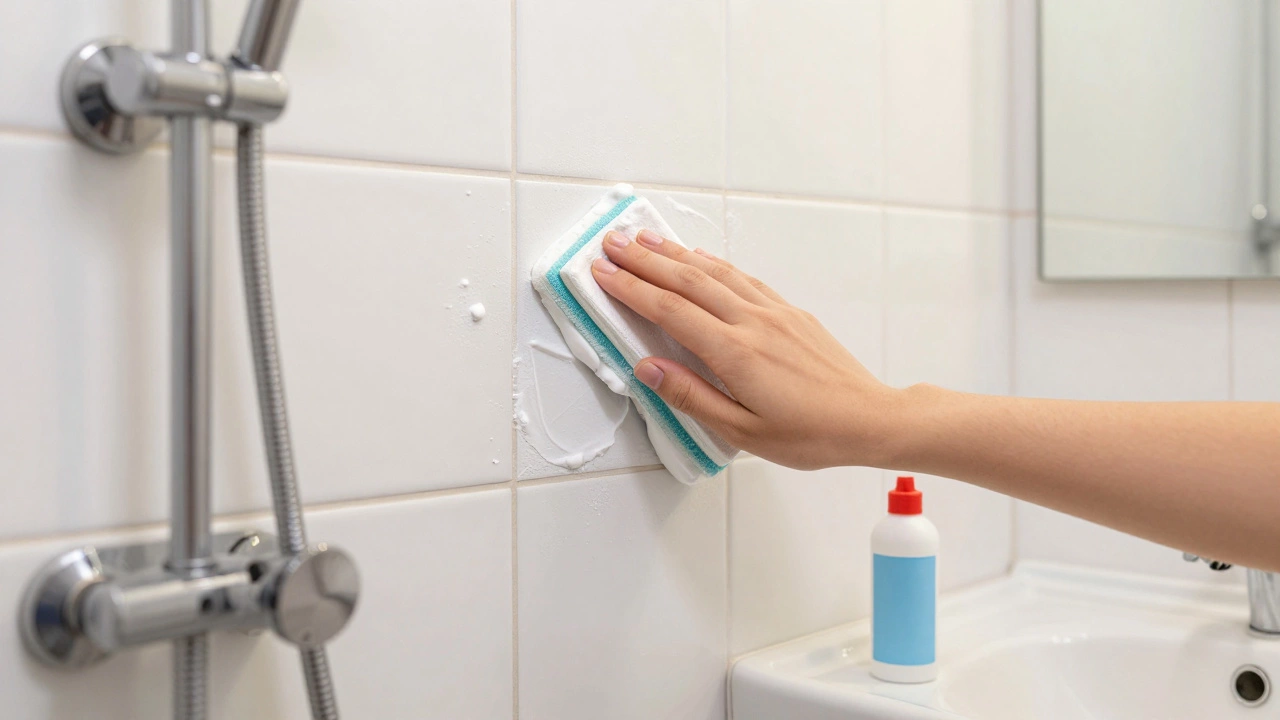
The bathroom is the most scrutinised room. Start with the toilet: scrub the bowl inside and out, including under the rim. Clean the cistern, flush handle, and base. Use a disinfectant on the sink, tap, and mirror-no smudges allowed. Shower cubicles and bathtubs need a deep clean. Remove soap scum with a bathroom cleaner or a paste of baking soda and vinegar. Scrub tiles and grout until they’re white again. Clean the extractor fan and replace the filter if it’s dirty. Don’t forget the showerhead-soak it in vinegar for an hour to dissolve limescale. Check for mould around the edges of the bath, sink, or tiles. If you see any, treat it with a bleach solution or a commercial mould remover. A single patch of black mould can trigger a full bathroom cleaning charge.
5. De-clutter and Deep Clean Storage Areas
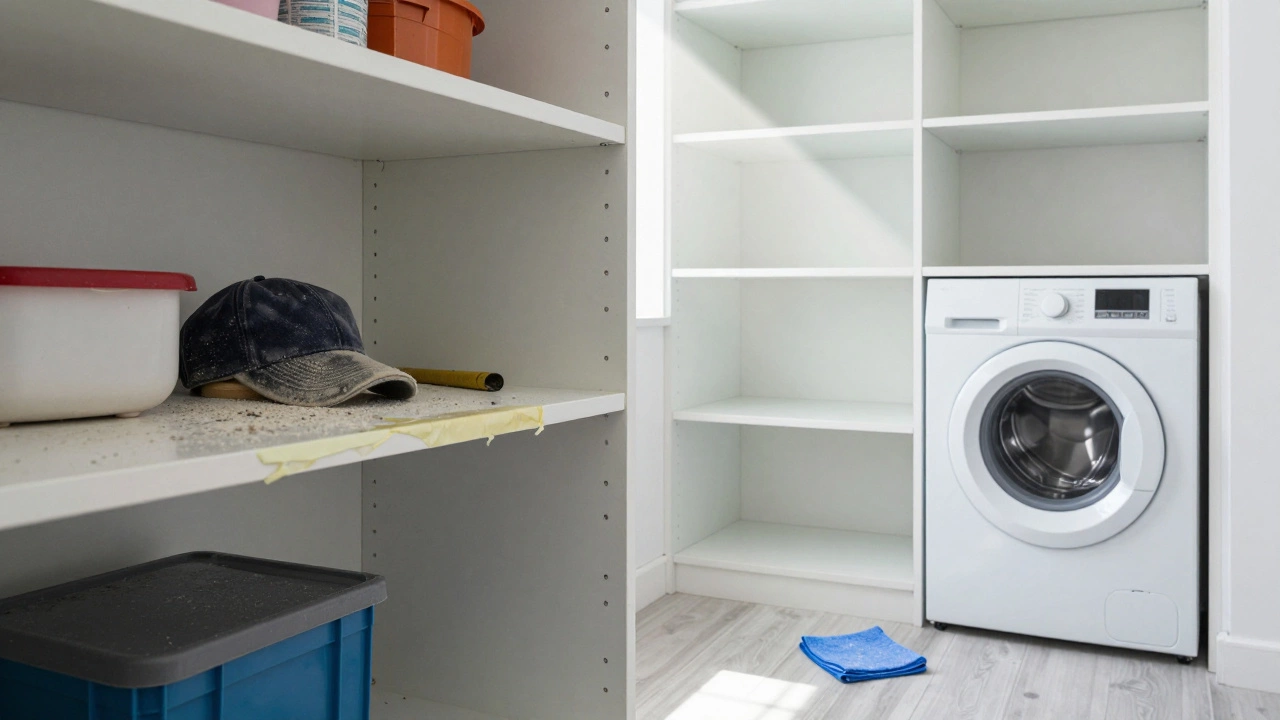
This is where most tenants fail. Landlords don’t just check the living areas-they look in cupboards, under stairs, in the loft, and even the garden shed if it’s part of the tenancy. Remove all personal items, including nails, hooks, and sticky tape residue. Use a damp cloth to wipe down the inside of every cupboard, shelf, and drawer. Clean behind and under appliances like the washing machine and boiler. Sweep and vacuum the hallway, stairs, and landing. If the property has a garden or balcony, clear away leaves, weeds, and debris. Wash outdoor furniture and sweep the paving. A cluttered or dirty storage space suggests the tenant didn’t care about the property-and that’s enough for a landlord to claim damages.
Why These Five Procedures Matter
These aren’t arbitrary steps. They’re based on the UK’s Tenancy Deposit Scheme guidelines and common landlord inspection checklists. A study by the UK’s Association of Residential Letting Agents (ARLA) in 2024 found that 68% of deposit disputes were due to inadequate cleaning, not damage. The top three reasons? Dirty kitchens (82%), stained carpets (76%), and unclean bathrooms (71%). These five procedures cover 95% of the issues that lead to deductions. It’s not about perfection-it’s about consistency. You don’t need to hire a professional, but you do need to be thorough.
What to Avoid
Don’t assume that because the property looked dirty when you moved in, it’s okay to leave it that way. Landlords aren’t required to prove the condition before your tenancy. Your responsibility starts from day one. Don’t use bleach on coloured grout-it bleaches the colour out. Don’t use vinegar on stone surfaces like marble-it etches them. Don’t leave cleaning supplies behind. Don’t think a quick vacuum counts as carpet cleaning. And don’t ignore small things like scuff marks on skirting boards or fingerprints on light switches. These details add up.
Checklist Summary
- Deep clean kitchen: oven, fridge, cabinets, sink, extractor hood
- Deep clean floors: scrub grout, clean carpets, polish hard floors
- Clean windows, frames, and blinds inside and out
- Sanitise bathroom: toilet, shower, tiles, taps, extractor fan
- Clear and clean all storage areas: cupboards, under appliances, stairs, garden
Do I need to hire a professional cleaner for end of tenancy cleaning?
No, you don’t need to hire a professional, but you do need to do a professional-level clean. Many landlords accept self-cleaned properties if they meet the standards. However, if you’re short on time, unsure about the right products, or dealing with stubborn stains, hiring a specialist reduces the risk of losing your deposit. Most reputable companies offer a guarantee-if the landlord isn’t happy, they’ll go back and fix it for free.
How long should end of tenancy cleaning take?
For a standard two-bedroom flat, expect to spend 6-8 hours. Larger properties or those with pets may take 10+ hours. Break it into sessions: do one room per day. Rushing leads to missed spots. Professionals can do it in 4-6 hours because they have the right tools and experience. If you’re doing it yourself, give yourself at least two full days.
What happens if I don’t clean properly?
Your landlord can deduct money from your deposit to cover the cost of professional cleaning. The deduction must be reasonable and backed by evidence-like photos or a quote from a cleaning company. In 2025, the average deduction for poor cleaning in the UK was £230. If you disagree with the deduction, you can challenge it through the Tenancy Deposit Scheme’s dispute resolution service.
Can I use regular household cleaners?
Yes, but not all of them. Avoid abrasive scrubbers on surfaces like tiles or stainless steel-they scratch. Vinegar works well on glass and lime scale, but not on stone. Baking soda is great for scrubbing without scratching. For disinfecting, use a product with at least 70% alcohol or a bleach-based cleaner (in well-ventilated areas). Always check the manufacturer’s instructions for your fixtures and floors.
Should I take photos before I leave?
Absolutely. Take clear, well-lit photos of every room, including the inside of cupboards, under sinks, and behind appliances. Date them and keep a copy. If your landlord tries to charge you for something that was already dirty, these photos are your proof. Many tenants who lose deposits do so because they didn’t document the condition before leaving.