Mattress Sanitization Frequency Calculator
Get personalized recommendations for how often you should sanitize your mattress based on your specific conditions. This tool uses guidelines from the article to calculate your optimal sanitization schedule.
Recommended Sanitization Frequency
Based on your responses, this is the optimal frequency to maintain a healthy mattress environment.
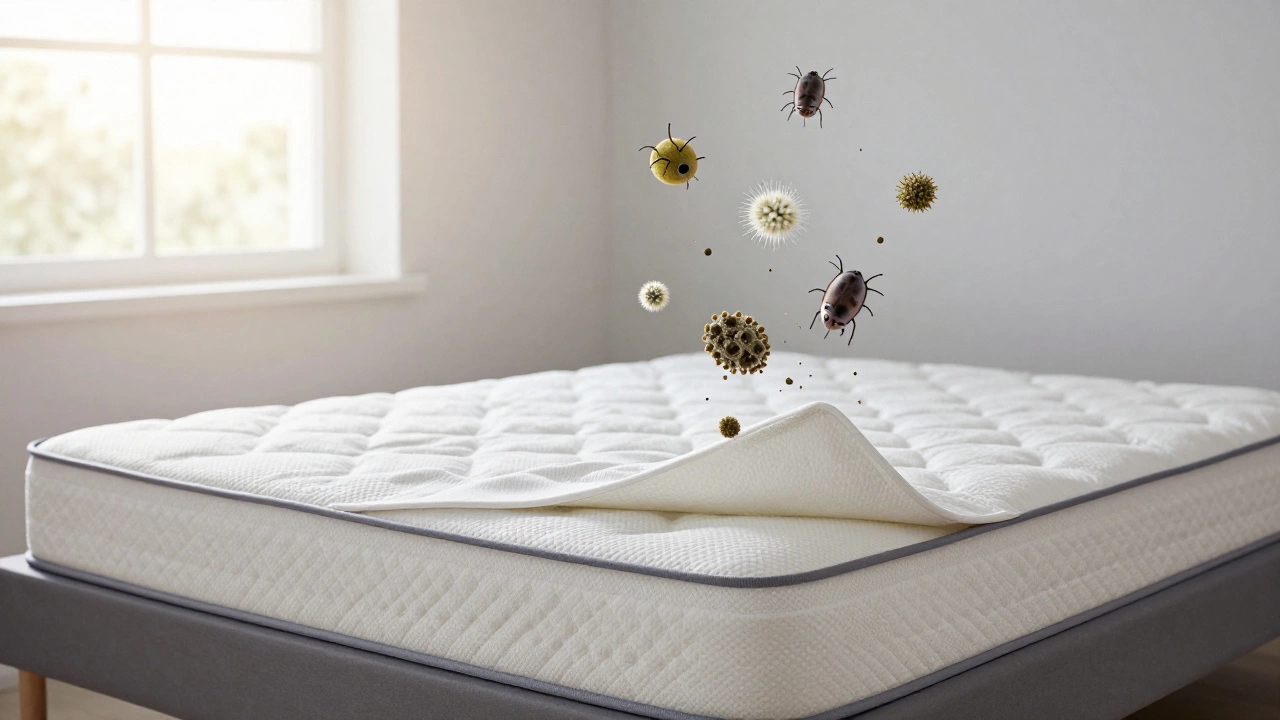
Most people think a mattress just needs a vacuum once in a while. But if you’re sleeping on a mattress that hasn’t been sanitized in months-or years-you’re probably sleeping in a hotspot for dust mites, sweat, dead skin, and even mold. A mattress can hold up to 10 million dust mites, and their waste is one of the biggest triggers for allergies and asthma. Sanitizing your mattress isn’t about making it look clean-it’s about making it safe.
Why Sanitizing Matters More Than Just Vacuuming
Vacuuming removes surface dust, but it doesn’t touch what’s deep inside. Dust mites live in the padding, feed on your dead skin, and multiply fast. Their droppings become airborne when you move in bed. Studies from the American Academy of Allergy, Asthma & Immunology show that people who regularly sanitize their mattresses report fewer nighttime coughs, sneezing, and itchy eyes. You don’t need to replace your mattress to feel the difference-you just need to clean it right.
Step 1: Strip Everything Off
Take off all bedding: sheets, pillowcases, mattress toppers, and protectors. Wash them in hot water (at least 130°F or 54°C) to kill dust mites. If you have a removable mattress pad, wash it too. Leave the mattress bare. This gives you full access to every inch of the surface.
Step 2: Vacuum Thoroughly
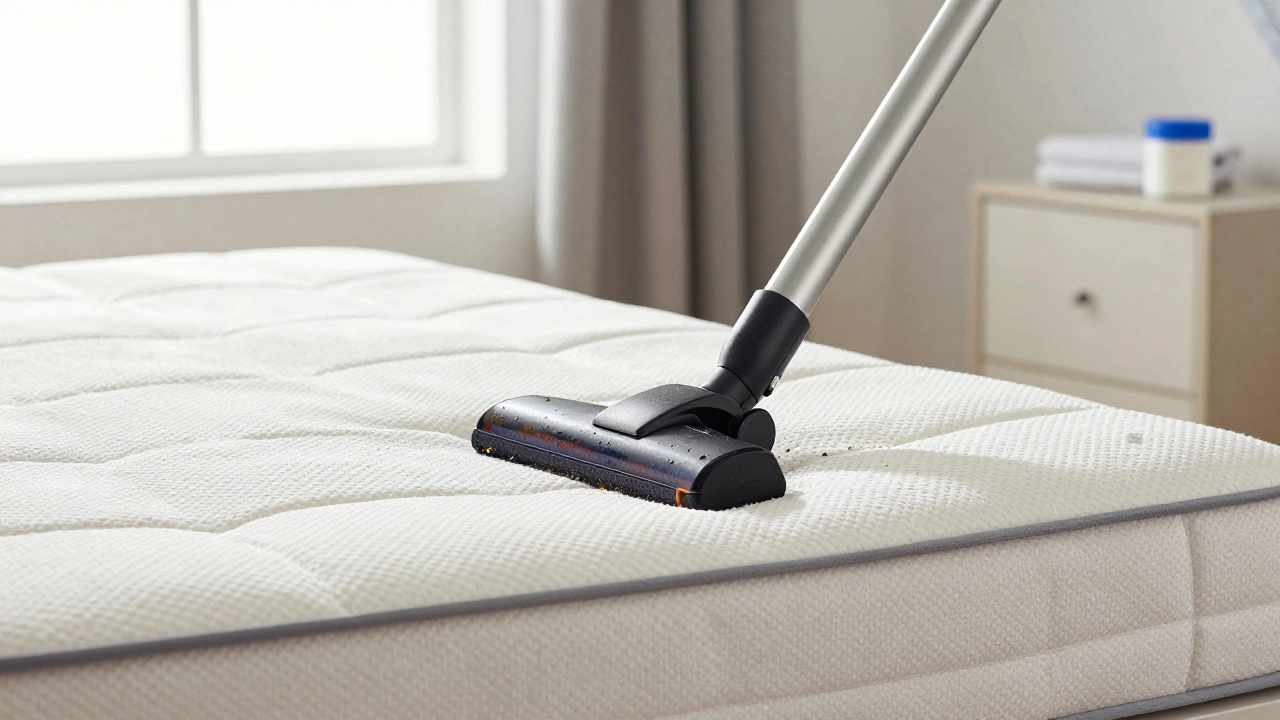
Use a vacuum with a HEPA filter and a brush attachment. Go over the entire surface slowly-top, sides, and edges. Pay extra attention to seams and creases where dust and debris collect. Don’t rush this. Spend at least 10 minutes. You’ll see dust, hair, and even tiny flakes of skin come up. This step removes the bulk of surface contaminants before you move to deeper cleaning.
Step 3: Sprinkle Baking Soda
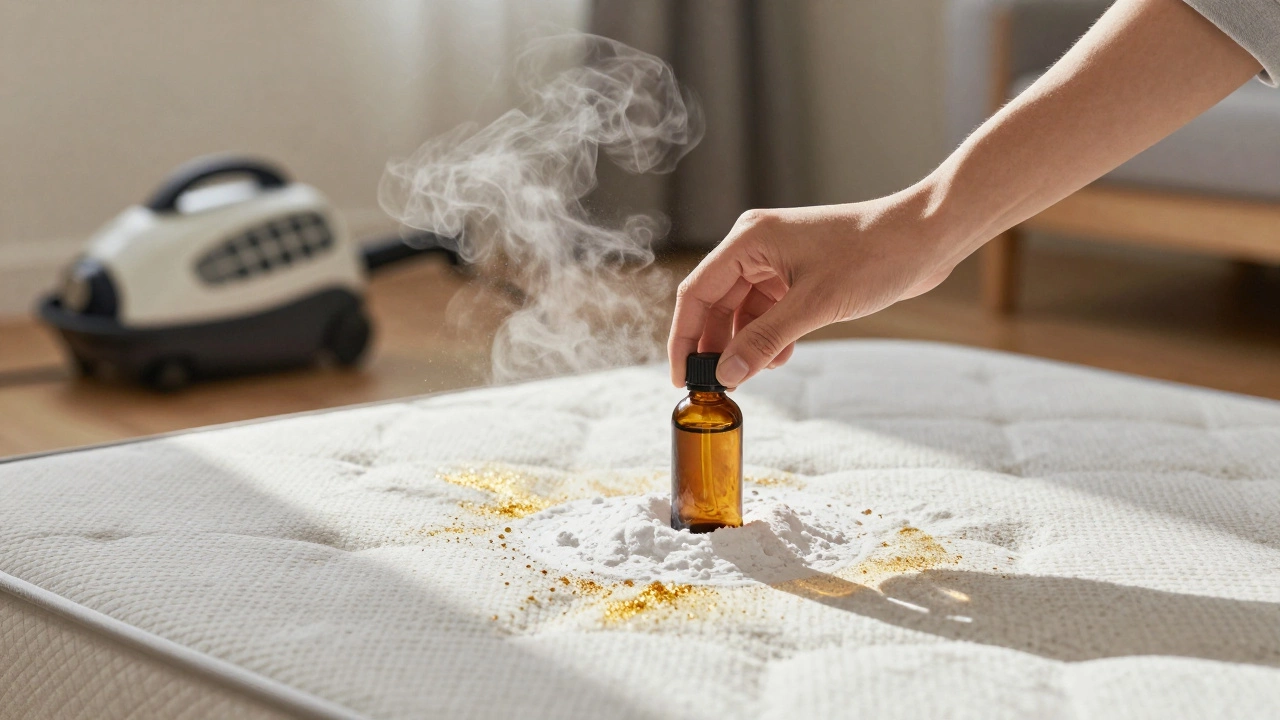
Baking soda isn’t just for the fridge. It’s a natural deodorizer and moisture absorber. Sprinkle a thin, even layer of baking soda across the entire mattress. For extra sanitizing power, mix in 10 drops of tea tree oil (a natural antifungal and antibacterial agent). Let it sit for at least 1 hour-overnight is better. The baking soda pulls out moisture, odors, and helps break down organic buildup.
Step 4: Use a Steam Cleaner (Optional but Powerful)
If you own a steam cleaner or can rent one, this is the most effective way to sanitize. Steam kills dust mites, bacteria, and bed bugs on contact. Use low pressure to avoid soaking the mattress. Move the nozzle slowly in overlapping lines, covering every area. Don’t saturate-excess water leads to mold. Let the mattress dry completely before proceeding. In the UK, where humidity is common, this step alone can prevent mildew from forming.
Step 5: Spot Clean Stains
For sweat, urine, or blood stains, mix 1 part hydrogen peroxide (3%), 1 part white vinegar, and 1 tablespoon of baking soda. Apply the solution directly to the stain with a clean cloth. Blot-not scrub. Let it fizz for 5 minutes, then blot dry with a towel. Don’t use bleach. It can damage the fabric and release harmful fumes in enclosed spaces.
Step 6: Dry Completely
This is where most people fail. A damp mattress invites mold. Open windows. Use a fan or dehumidifier. If it’s sunny, place the mattress near a window for a few hours. Never put sheets back on until the mattress feels completely dry to the touch. In Bristol’s damp climate, this might take 6-8 hours. Patience here saves you from future health issues.
Step 7: Use a Mattress Protector
Once it’s dry, slip on a waterproof, hypoallergenic mattress protector. This is your first line of defense going forward. Look for ones certified by the Asthma and Allergy Foundation-they block dust mites and are machine washable. Change and wash it every 2 weeks. This single step cuts your sanitizing workload by 80%.
How Often Should You Sanitize?
At minimum, sanitize your mattress twice a year-once in spring, once in fall. If you have pets, allergies, kids, or sweat heavily at night, do it every 3 months. People who sleep with partners or have asthma should treat it like brushing teeth: a regular habit, not a chore.
What Not to Do
- Don’t use chemical sprays labeled ‘disinfectant’-many contain volatile organic compounds (VOCs) that linger in your bedroom air.
- Don’t sun-dry a mattress outdoors unless it’s covered. Pollen, bird droppings, and pollution can make things worse.
- Don’t skip drying. A wet mattress is worse than a dirty one.
- Don’t assume ‘odor-free’ means ‘clean.’ Smells hide deeper contamination.
Signs You Need to Sanitize Now
- You wake up with itchy skin or a runny nose that clears after you leave bed.
- Your mattress looks yellowed or has dark spots near the edges.
- You’ve had guests sleep on it without sheets.
- You moved into a new home and the mattress came with it.
- You’ve had a spill you didn’t clean right away.
What About Bed Bugs?
If you suspect bed bugs-tiny red bugs, shed skins, or blood spots on sheets-sanitizing alone won’t fix it. You need professional pest control. But a steam cleaner can help kill bugs and eggs on the surface while you wait. Don’t use bug sprays on mattresses. They’re unsafe for indoor use and won’t reach hidden nests.
Pro Tip: Keep a Cleaning Schedule
Set a reminder on your phone: ‘Sanitize Mattress’ every 90 days. Pair it with changing your sheets. Make it part of your routine. You’ll notice better sleep, fewer allergy flare-ups, and your mattress will last longer. A well-maintained mattress can last 8-10 years. A neglected one starts breaking down after 5.