Sofa Cleaning Code Decoder
Found a tag on your sofa? Select the letter code below to instantly see what you can and cannot use to clean it safely.
That stain on your living room sofa isn’t just an eyesore; it’s a ticking clock. The longer you wait, the deeper the grime settles into the fibers, turning a simple spill into permanent damage. Whether it’s coffee rings, pet hair, or general dust buildup, knowing how to **clean dirty sofa fabric** correctly can save you hundreds of pounds in replacement costs. But here is the catch: not all sofas are created equal. Using the wrong method on delicate materials like velvet or leather can ruin them instantly.
In this guide, we will break down exactly how to handle different fabric types, remove stubborn stains without leaving water marks, and maintain your upholstery so it stays fresh for years. We’ll skip the fluff and get straight to the practical steps that actually work.
Decoding Your Sofa’s Cleaning Code
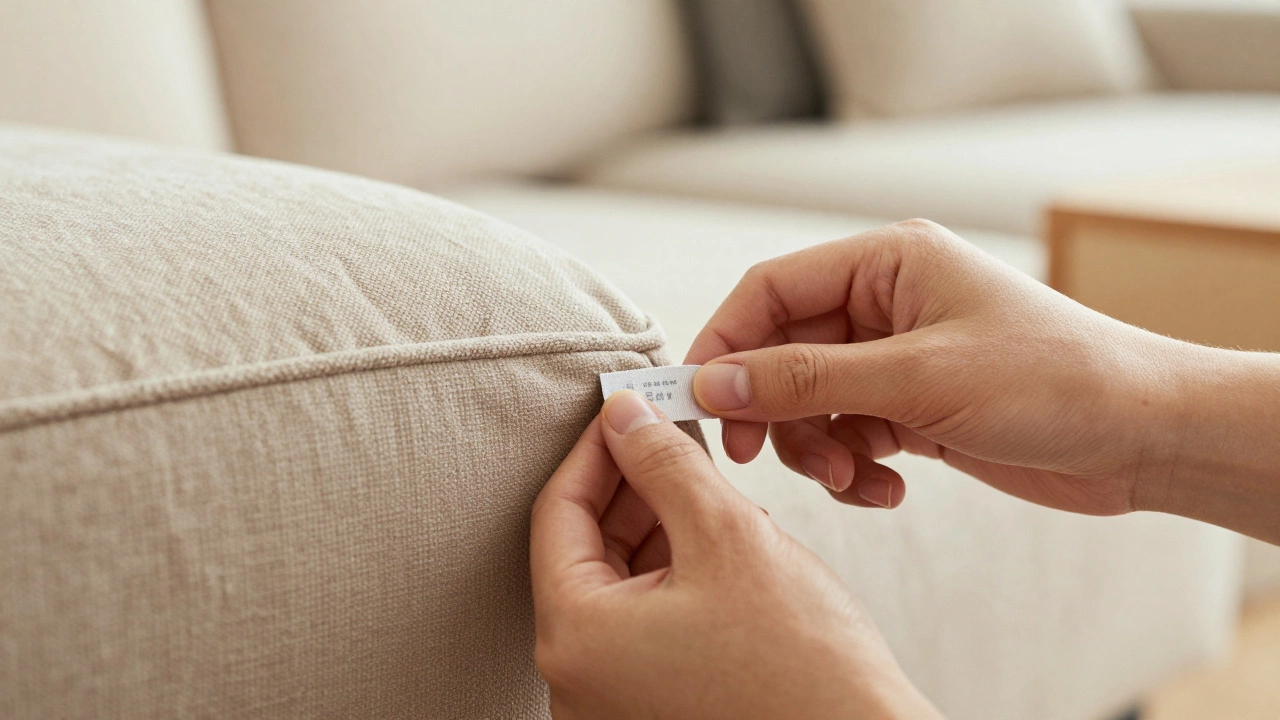
Before you grab any cleaner, you need to know what you’re dealing with. Most modern sofas come with a small tag hidden under a cushion or behind a leg. This tag contains a crucial code letter that dictates your cleaning strategy. Ignoring this step is the number one reason people accidentally shrink or discolor their furniture.
| Code | Meaning | Safe Cleaning Methods |
|---|---|---|
| W | Water-based | You can use water and mild detergents. This is the easiest category to clean. |
| S | Solvent-only | Do NOT use water. Use only dry-cleaning solvents (like perchloroethylene). Water will cause spotting or shrinking. |
| SW | Solvent or Water | You have options. You can use either solvent or water-based cleaners, but test first. |
| X | Vacuum Only | No liquids allowed. Vacuum gently. For stains, contact a professional immediately. |
If your tag is missing, don’t guess. Perform a spot test in a hidden area, like the back corner near the floor. Apply a tiny drop of your chosen cleaner and blot. If the color bleeds or the texture changes, stop immediately.
The Essential Toolkit for Upholstery Cleaning
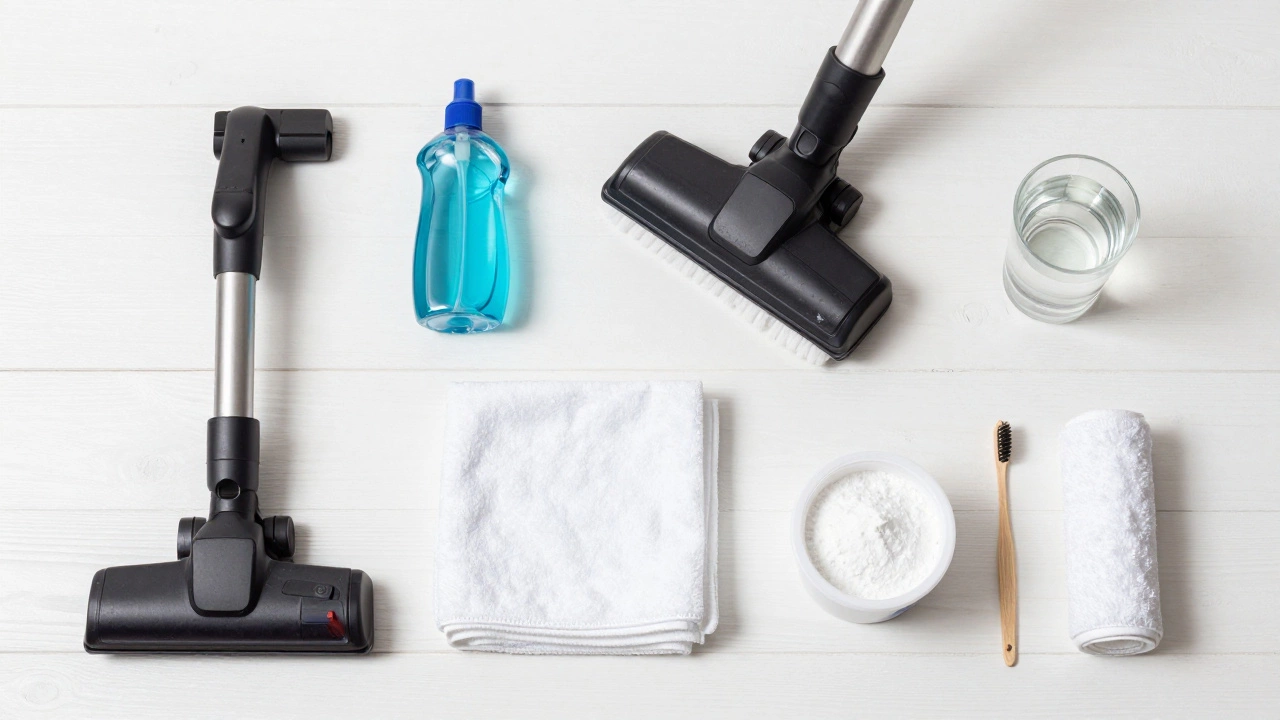
You don’t need expensive industrial machines to keep your sofa looking good. A few household items and some basic tools are enough for regular maintenance. Having these ready ensures you can tackle spills before they set.
- A vacuum cleaner with an upholstery attachment: This is non-negotiable. It removes loose dirt and allergens that act like sandpaper on fabric fibers.
- White cloths or microfiber towels: Always use white. Colored towels can transfer dye onto your light-colored sofa.
- Mild dish soap or liquid laundry detergent: Look for formulas without bleach or strong fragrances.
- White vinegar: Great for deodorizing and breaking down grease.
- Baking soda: Excellent for absorbing odors and lifting ground-in dirt.
- A soft-bristled brush: An old toothbrush works perfectly for agitating stains without damaging fibers.
- Cold water spray bottle: Hot water can set protein-based stains like blood or egg.
Step-by-Step Deep Cleaning for 'W' Code Fabrics
Fabrics marked with a 'W' code-such as cotton, linen, polyester, and acrylic-are the most common and generally the hardest to clean because they tolerate water well. Here is the proven method to deep clean them without over-saturating the foam underneath.
- Vacuum thoroughly: Go slowly. Use the crevice tool to get between cushions and along seams. Dirt trapped here causes rapid wear.
- Prepare the solution: Mix one tablespoon of mild dish soap with two cups of warm water. Stir until sudsy.
- Spot test: Apply a small amount to an inconspicuous area. Wait 10 minutes. Check for color transfer.
- Clean in sections: Dip a white cloth into the soapy water, wring it out until it is damp (not dripping), and gently blot the stained area. Do not scrub hard; scrubbing pushes dirt deeper.
- Rinse the residue: Dampen a second cloth with plain cold water. Blot the same area to remove soap residue. Soap left behind attracts more dirt later.
- Dry quickly: Press a dry towel against the wet spot to absorb moisture. Open windows or use a fan to speed up drying. Wet foam inside the cushion can develop mold.
Tackling Stubborn Stains on Different Materials
General cleaning keeps things tidy, but specific stains require specific tactics. Using the wrong approach can make a bad situation worse. For example, heat sets protein stains, while alcohol can dissolve certain dyes.
For Microfiber: Microfiber acts like a sponge. For oil-based stains (grease, makeup), sprinkle baking soda on the spot, let it sit for 15 minutes to absorb the oil, then vacuum. For water-based stains, mix equal parts white vinegar and water, spray lightly, and blot with a dry cloth. Never soak microfiber; it holds water too long.
For Velvet: Velvet is high-maintenance. Never rub velvet, as it crushes the pile. Instead, use a soft brush to gently lift the nap after cleaning. For stains, use a dry cleaning solvent specifically designed for velvet. Blot gently from the outside in to prevent spreading.
For Leather: Although not fabric, many sofas are leather. Never use soap on leather; it strips natural oils. Use a dedicated leather cleaner or a mixture of olive oil and vinegar (1:1 ratio) applied with a soft cloth. Condition afterward to prevent cracking.
Removing Odors Without Washing
Sometimes your sofa looks fine but smells stale, especially if you have pets or smoke indoors. Washing the entire sofa isn't always practical. Baking soda is your best friend here.
Sprinkle a generous layer of baking soda over the entire surface of the sofa. Let it sit for at least 30 minutes, though overnight is better for strong odors. The baking soda absorbs moisture and neutralizes acidic odor molecules. Vacuum thoroughly afterward. For persistent smells, add a few drops of essential oil (like lavender or eucalyptus) to the baking soda before sprinkling, but ensure the oil doesn't stain the fabric by testing first.

When to Call a Professional
There is no shame in hiring help. DIY methods have limits. You should consider calling a professional upholstery cleaner if:
- The stain is large, old, or has already been treated incorrectly (e.g., with bleach).
- Your sofa has an 'X' code (vacuum only) but still has stains.
- You suspect mold growth inside the cushions due to previous flooding or leaks.
- The fabric is antique or extremely valuable, where risk of damage is too high.
Professionals use hot water extraction machines that sanitize and dry the fabric faster than home methods, reducing the risk of mildew.
Maintenance Tips to Keep Your Sofa Clean Longer
Prevention is cheaper than cure. Adopting a few simple habits can extend the life of your sofa significantly.
- Vacuum weekly: Dust and skin cells accumulate quickly. Regular vacuuming prevents grit from grinding into fibers.
- Use throws and pillows: Place blankets on areas where you sit most often. They take the brunt of wear and tear and can be washed easily.
- Treat spills immediately: Blot, don’t rub. Speed is critical. The faster you act, the less likely the stain is to set.
- Avoid direct sunlight: UV rays fade fabric colors over time. Use curtains or blinds to protect your sofa during peak sun hours.
- Rotate cushions: If your sofa has removable cushions, flip them regularly to ensure even wear and prevent sagging in one spot.
Can I put my sofa covers in the washing machine?
Only if the label explicitly says "machine washable." Check the care instructions on the cover tag. Even then, use a gentle cycle with cold water and air dry to prevent shrinking. Never machine wash built-in upholstery.
Is vinegar safe for all sofa fabrics?
Vinegar is generally safe for 'W' and 'SW' codes but can damage 'S' (solvent-only) fabrics. Always perform a spot test first. Vinegar is acidic, so prolonged exposure might weaken some synthetic fibers over time. Dilute it with water for best results.
How do I remove pet urine from a sofa?
Blot up as much liquid as possible immediately. Then apply an enzymatic cleaner designed for pet stains. These cleaners break down the uric acid crystals that cause lingering odors. Avoid ammonia-based cleaners, as they smell similar to urine to pets and may encourage re-marking.
Why does my sofa look darker when it's wet?
This is normal. Water changes the way light reflects off fabric fibers, making them appear darker. As the sofa dries completely, the color should return to normal. If it stays dark, you may have created a water ring, which requires professional treatment or careful rewetting of the surrounding area to blend it out.
Can I use steam cleaners on my sofa?
Steam cleaning is effective for sanitizing but risky for many fabrics. High heat can shrink wool or damage synthetic fibers. Only use steam if your sofa has a 'W' code and you are confident the fabric can withstand heat. Test a small area first. Ensure proper ventilation to dry the sofa quickly.