Pressure Washing Business Startup Cost Calculator
Select Your Setup Options
Estimated Breakdown
Select your options and click calculate to see your estimated startup costs.
Starting a pressure washing business is a service-based venture that uses high-pressure water streams to clean exterior surfaces like driveways, siding, and decks. It requires minimal overhead compared to other trades, but it demands specific equipment, safety knowledge, and local compliance. Many people see this industry as an easy entry point because the barrier to entry seems low. However, turning a hobby into a profitable company in 2026 requires more than just buying a machine from a big-box store. You need a strategic approach to equipment selection, insurance coverage, and customer acquisition.
The UK market for exterior cleaning is growing, driven by homeowners wanting to maintain property value and businesses needing regular facade maintenance. In cities like Bristol, competition exists, but quality service remains scarce. This guide breaks down exactly what you need to launch, operate, and grow a legitimate pressure washing business without wasting money on unnecessary gear or legal mistakes.
Essential Equipment and Tools
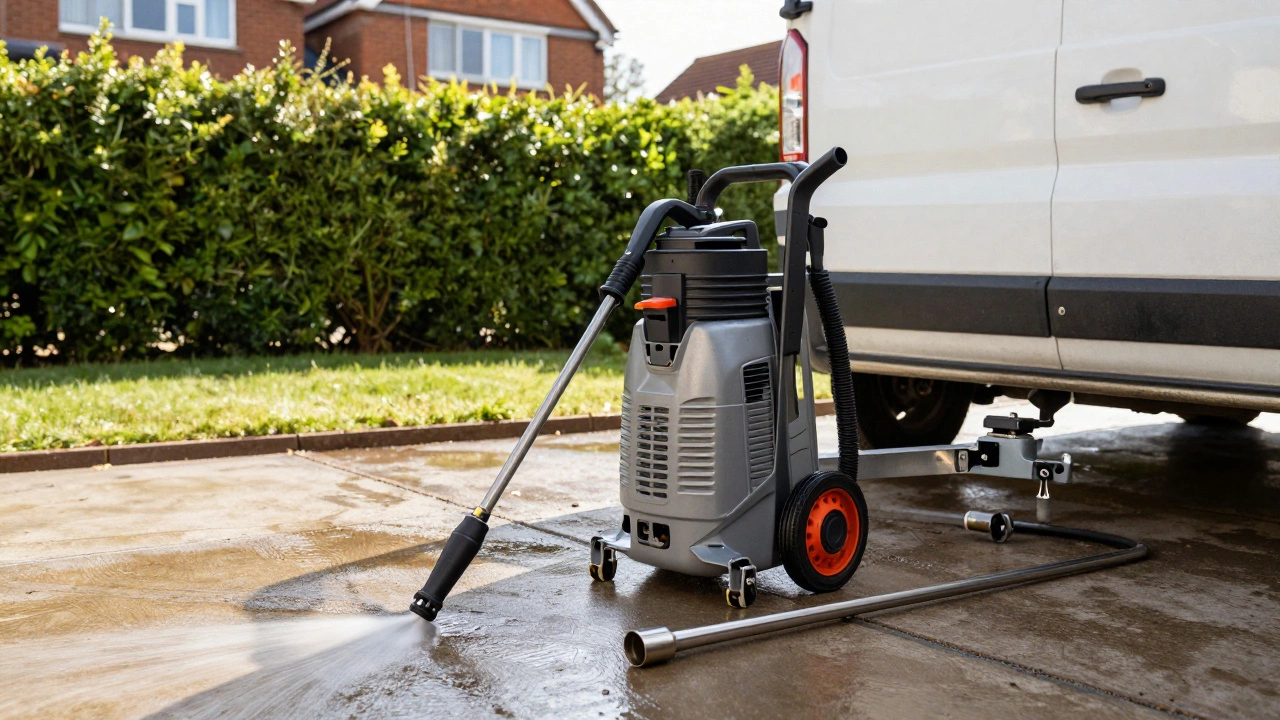
Your equipment defines your service capability and profit margin. Cheap consumer-grade washers will fail under daily commercial use. You need industrial-grade tools built for longevity and performance.
- Commercial Pressure Washer: Look for a unit with at least 3,000 PSI (pounds per square inch) and 2.5-4 GPM (gallons per minute). Brands like Kärcher, Nilfisk, and Hotsy offer reliable models. Avoid electric units for heavy-duty work; diesel or petrol engines provide consistent power regardless of outlet availability.
- Surface Cleaner: This rotating attachment is non-negotiable for flat surfaces like driveways and patios. It ensures even cleaning and prevents streaks. A 20-inch or 24-inch model covers most residential jobs efficiently.
- Extension Wands and Nozzles: Invest in stainless steel wands that resist corrosion. Carry a range of nozzle tips (0°, 15°, 25°, 40°) for different tasks. The 0° tip is dangerous and should rarely be used; stick to wider angles for general cleaning.
- Chemical Injector System: Most dirt doesn’t come off with water alone. A built-in chemical injector allows you to apply detergents directly into the high-pressure stream. Ensure your washer has a bypass system to avoid damaging the pump when using soap.
- Vacuum Truck or Wet/Dry Vacuum: For soft washing roofs or gutters, you’ll need to manage runoff. A wet/dry vac helps collect debris and contaminated water, keeping your client’s yard tidy.
Budget around £2,500-£4,000 for a solid starter kit. This investment pays off quickly through higher efficiency and fewer breakdowns.
| Type | Power Source | Best For | Pros | Cons |
|---|---|---|---|---|
| Electric | Mains Power | Light residential, small areas | Quiet, lightweight, low maintenance | Limited power, cord dependency |
| Petrol/Diesel | Fuel Engine | Commercial, large properties, remote sites | High power, portable, no cords | Noisy, requires fuel storage, higher upkeep |
| Hot Water | Diesel Burner | Grease removal, restaurants, industrial | Cuts grease instantly, sanitizes | Expensive, complex maintenance |
Legal Requirements and Compliance
Operating legally protects you from lawsuits and fines. In the UK, you must register your business and comply with health, safety, and environmental regulations.
- Business Registration: Register as a sole trader or limited company with Companies House. A limited company offers personal liability protection, which is crucial if you damage a client’s property.
- Insurance Coverage: Public liability insurance is mandatory. Aim for at least £5 million coverage. Employers’ liability insurance is required if you hire staff. Consider adding plant and machinery insurance to cover theft or damage to your equipment.
- HSE Compliance: The Health and Safety Executive (HSE) sets strict guidelines for high-pressure equipment. Conduct regular risk assessments and ensure all hoses and fittings are inspected before each job. Keep records of these checks.
- Environmental Regulations: Under the Environmental Protection Act 1990, you must prevent polluted runoff from entering drains. Never wash oil, grease, or hazardous chemicals into storm drains. Use biodegradable detergents and contain wastewater where possible.
- Local Council Permits: Some councils require permits for working on pavements or placing equipment on public roads. Check with your local authority, such as Bristol City Council, for specific rules.
Failing to comply can result in hefty fines or shutdown orders. Treat legal setup as a priority, not an afterthought.
Financial Planning and Startup Costs
Understanding your costs helps you price services correctly and stay profitable. Here’s a realistic breakdown for launching in 2026.
- Equipment: £2,500-£4,000 (washer, surface cleaner, wands, nozzles)
- Transport: £1,000-£3,000 (van purchase or lease, trailer if needed)
- Insurance: £300-£600 annually
- Marketing: £200-£500 initially (website, flyers, social media ads)
- Supplies: £100-£200 (detergents, protective gear, signage)
- Registration & Legal: £100-£300 (company formation, permits)
Total startup costs range from £4,200 to £8,600. If you already own a van, you can reduce this significantly. Focus on cash flow management in the first six months, as income may be irregular while you build a client base.
Safety Protocols and Training
Pressure washing is inherently dangerous. High-pressure jets can cause serious injury or death. Proper training and safety habits are essential.
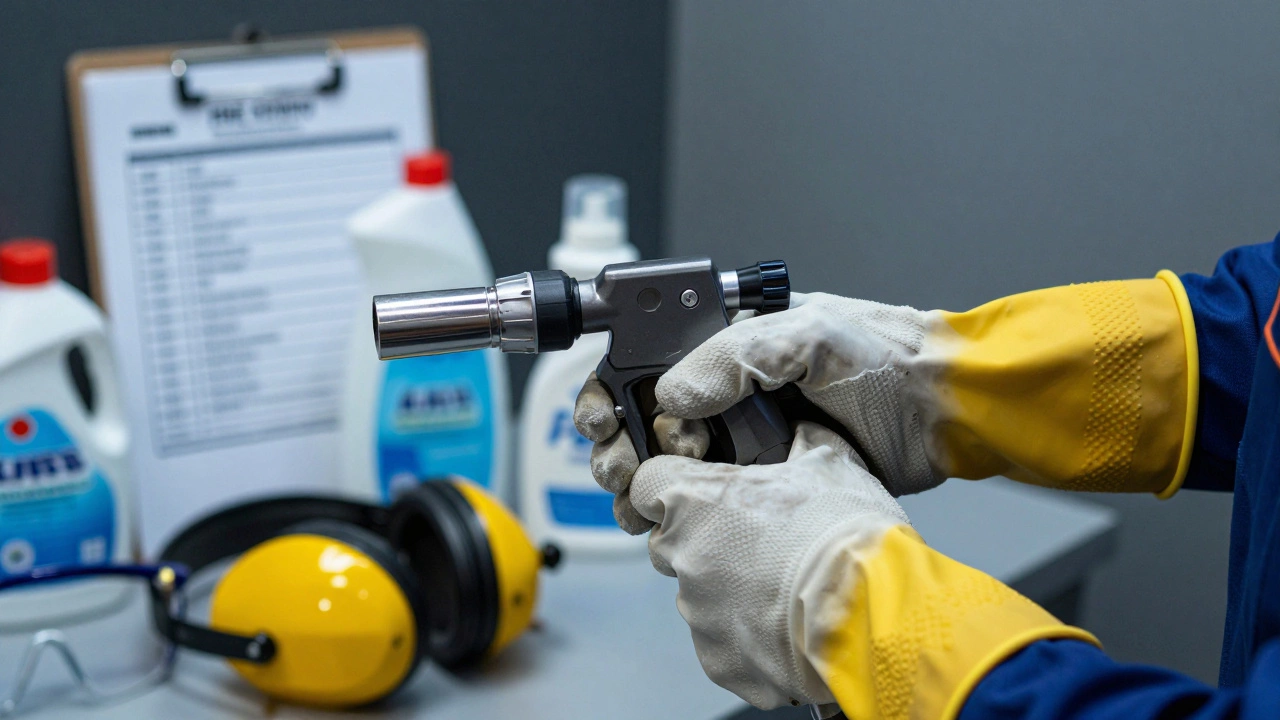
- Personal Protective Equipment (PPE): Always wear safety goggles, ear protection, gloves, and sturdy boots. Long sleeves and pants protect against splashes and debris.
- Electrical Safety: Use Ground Fault Circuit Interrupters (GFCIs) with electric washers. Never operate near water sources without proper grounding.
- Height Safety: If working on roofs or elevated surfaces, use harnesses and secure ladders. Never stand on unstable structures.
- Chemical Handling: Read SDS (Safety Data Sheets) for all detergents. Store chemicals in labeled, sealed containers away from heat sources.
- Training Courses: Consider taking a certified course from organizations like the British Pressure Cleaning Association (BPCA). This boosts credibility and ensures you follow best practices.
Accidents happen when complacency sets in. Make safety a daily routine, not a checklist item.
Marketing and Customer Acquisition
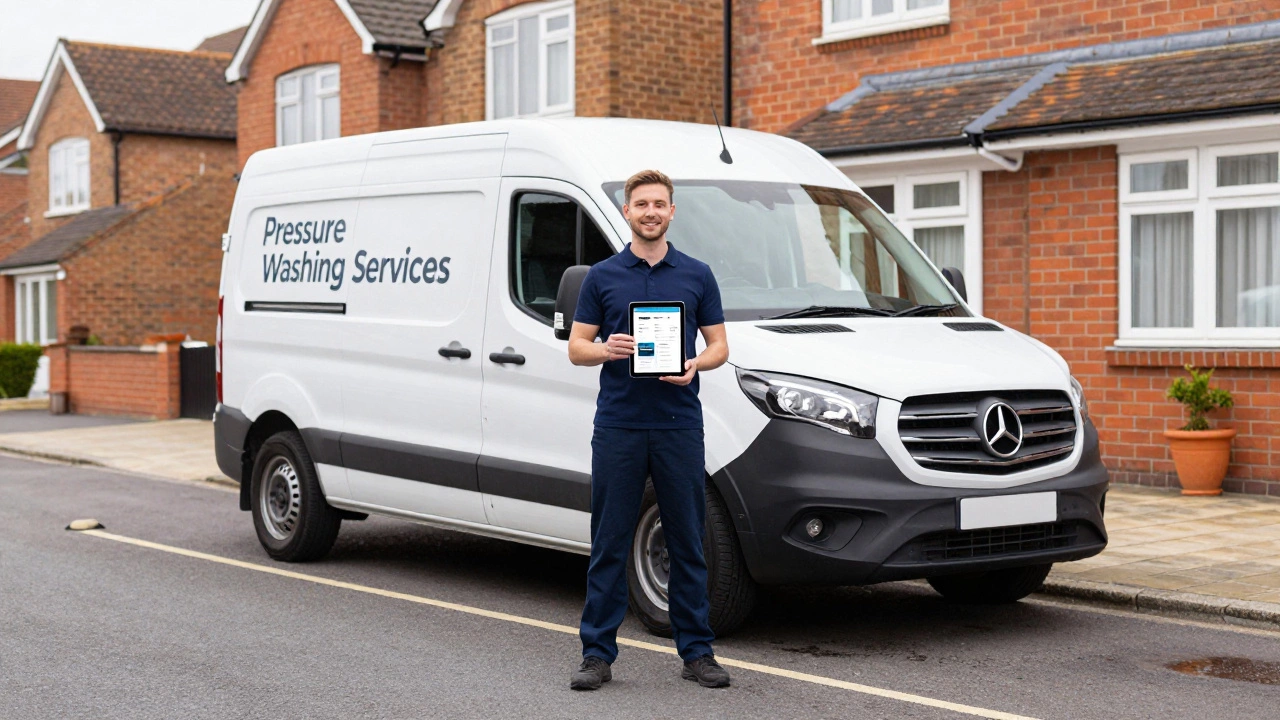
You can have the best equipment in the world, but without customers, you have no business. Effective marketing turns leads into loyal clients.
- Online Presence: Build a simple website showcasing before-and-after photos. List your services clearly and include contact details. Optimize for local SEO by including keywords like “pressure washing Bristol” or “driveway cleaning near me.”
- Social Media: Post regularly on Instagram and Facebook. Share video clips of tough stains being removed. Engage with local community groups.
- Networking: Partner with real estate agents, property managers, and construction companies. They often need regular cleaning services for listings and job sites.
- Referral Program: Offer discounts or free services to existing customers who refer new clients. Word-of-mouth is powerful in local markets.
- Direct Mail: Send postcards to neighborhoods with visible dirty driveways or siding. Personalize messages to increase response rates.
Focus on building trust. Provide transparent quotes and deliver consistent results. Happy customers become your best salespeople.
Scaling and Growth Strategies
Once you’re established, consider expanding your services and team to increase revenue.
- Add Services: Offer soft washing for roofs, gutter cleaning, or window washing. These complementary services attract more customers and boost average ticket size.
- Hire Staff: As demand grows, hire additional operators. Train them thoroughly in safety and customer service standards.
- Invest in Technology: Use scheduling software to manage bookings and invoices. Implement CRM tools to track customer interactions and follow-ups.
- Expand Geographically: Target neighboring towns or cities once your local market is saturated. Research local regulations and competition before moving.
- Specialize: Become known for a niche, such as industrial cleaning or historic building restoration. Specialization allows you to charge premium prices.
Growth takes time. Reinvest profits into better equipment and marketing to sustain momentum.
How much does it cost to start a pressure washing business?
Startup costs typically range from £4,200 to £8,600, covering equipment, transport, insurance, marketing, and legal fees. If you already own a vehicle, you can reduce initial expenses significantly.
Do I need a license to pressure wash in the UK?
There is no specific national license for pressure washing, but you must register your business, obtain public liability insurance, and comply with HSE and environmental regulations. Local councils may require permits for street work.
What type of pressure washer is best for beginners?
A petrol or diesel-powered commercial washer with 3,000+ PSI and 2.5+ GPM is ideal. It offers enough power for most jobs while remaining portable. Electric models are suitable only for light residential use.
Can I make money pressure washing part-time?
Yes, many operators start part-time to test the market. With efficient scheduling and targeted marketing, you can earn £500-£1,000 weekly while maintaining another job. Full-time commitment yields higher earnings.
What are the biggest risks in pressure washing?
Primary risks include injury from high-pressure jets, property damage due to incorrect technique, and environmental violations from improper runoff disposal. Mitigate these with proper training, PPE, and adherence to safety protocols.