Gas vs Electric Pressure Washer: Which One Is Right for You in 2026?
May 14, 2026
Pressure Washer Recommendation Tool
Select the scenarios that apply to your situation to find out which machine fits your lifestyle best.
Match ScorePending Input
Electric Model0%
Gas Model0%
\ndiv class="score-bar-container">
Select options above to see our recommendation.
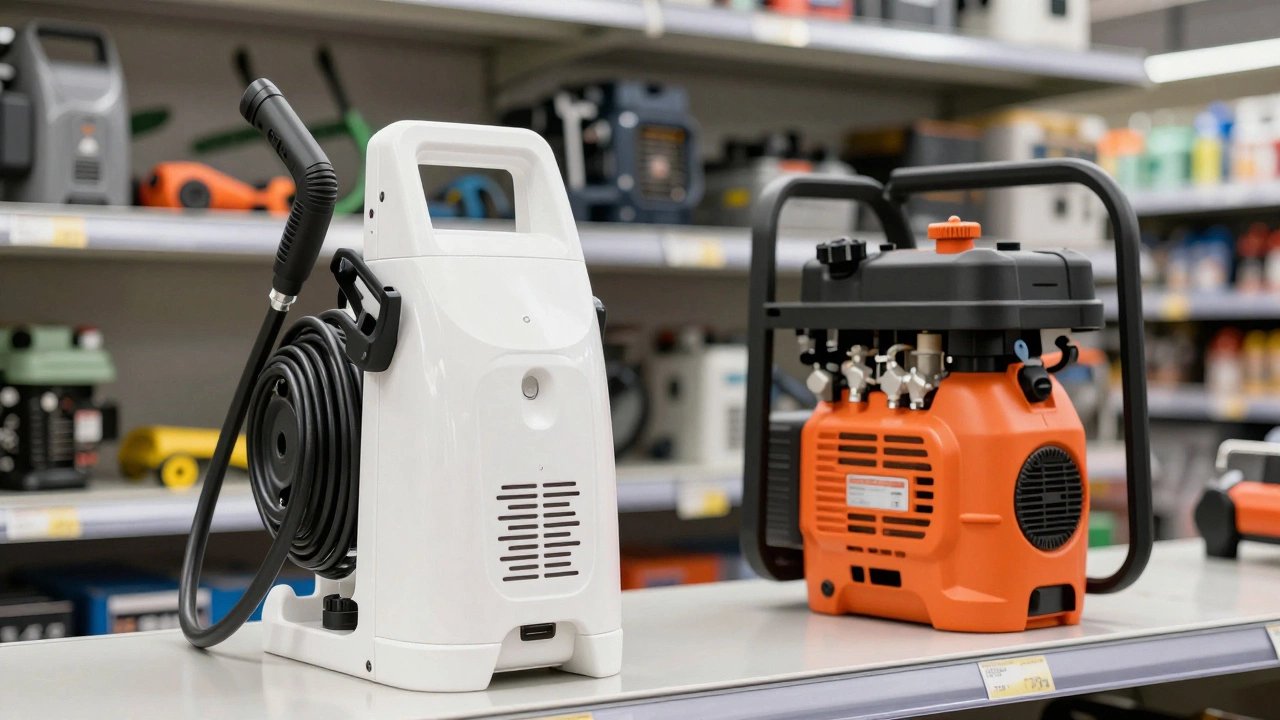
Standing in the hardware aisle, staring at two very different machines, is a common dilemma. On one side sits the electric pressure washer, sleek and quiet. On the other is the gas pressure washer, rugged and loud. Both promise to blast away years of grime from your driveway, siding, or deck. But they don't do it the same way. Choosing the wrong one doesn't just mean spending more money; it means struggling with a machine that can't handle the job or dealing with maintenance headaches you didn't sign up for.
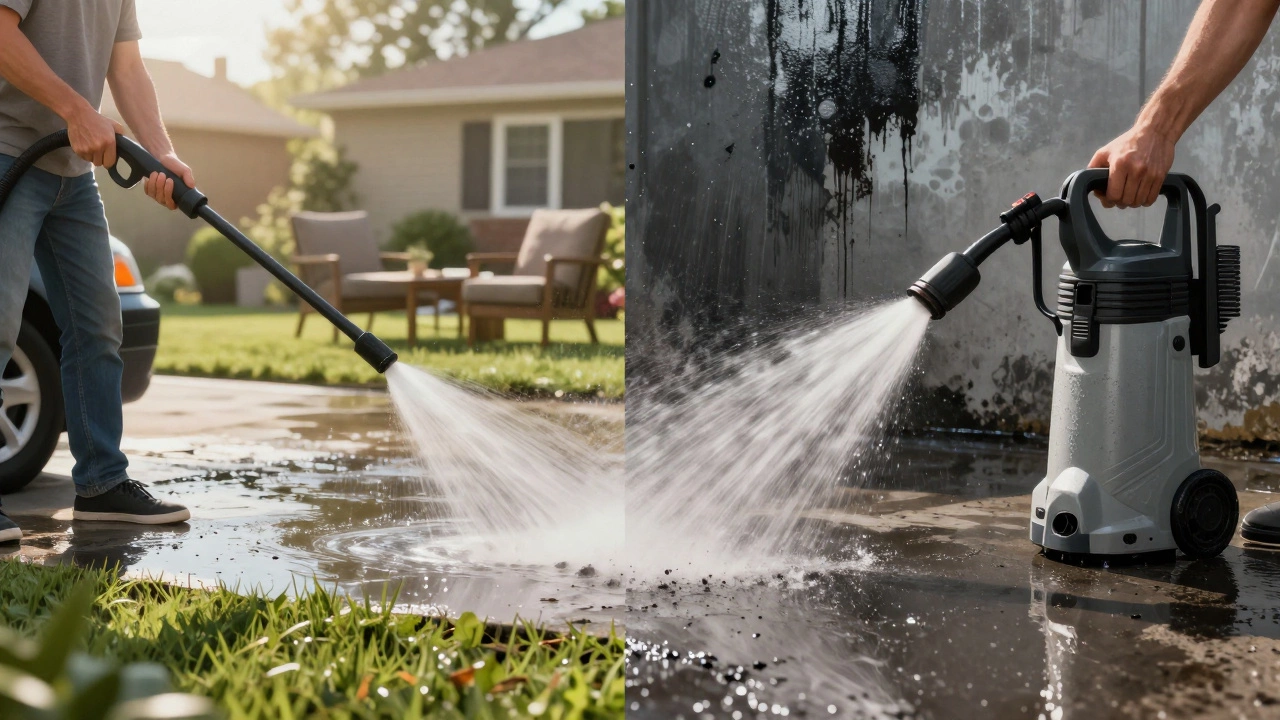
The short answer? If you are cleaning a car, patio furniture, or a small porch, go electric. If you are tackling a large driveway, stripping paint, or cleaning a commercial building exterior, gas is your only real option. But the reality is messier than that. Let's break down exactly what powers these machines, how much work they actually save you, and which one fits your specific needs in 2026.
Power Output: PSI vs GPM Explained
To understand why one might be better than the other, you have to look past the marketing hype and focus on two numbers: PSI (Pounds per Square Inch) and GPM (Gallons Per Minute). Most buyers obsess over PSI, thinking higher pressure equals better cleaning. That’s half true. GPM is equally important because it determines how much water hits the surface, which helps rinse away the dirt the pressure loosens.
Electric pressure washers typically range from 1,200 to 3,500 PSI. For most homeowners, this is plenty. They excel at removing loose dirt, mildew, and light stains. However, they often struggle to maintain high GPM ratings above 2.0-2.5 gallons per minute. This means you might blast the dirt loose, but it takes longer to rinse it all away.
Gas pressure washers, by contrast, usually start at 2,500 PSI and can easily exceed 4,000 PSI. More importantly, they deliver higher GPM, often between 2.5 and 4.0 gallons per minute. This combination allows them to cut through thick grease, caked-on mud, and old paint far more efficiently. If you’ve ever tried to clean oil stains off concrete with an electric unit, you know the frustration. Gas units make that task manageable.
Quick Comparison: Electric vs Gas Pressure Washers
Feature
Electric Pressure Washer
Gas Pressure Washer
Average PSI Range
1,200 - 3,500 PSI
2,500 - 4,500+ PSI
Average GPM Range
1.2 - 2.5 GPM
2.5 - 4.0 GPM
Noise Level
Quiet (~70 dB)
Loud (~95-100 dB)
Maintenance
Minimal (no engine)
Regular (oil, spark plugs, fuel)
Portability
Lightweight, corded/cordless
Heavier, fully portable
Best Use Case
Cars, patios, small decks
Driveways, large houses, commercial
The Convenience Factor: Setup and Storage
Let’s talk about the actual experience of using these machines. An electric pressure washer is plug-and-play. You fill the tank or connect a garden hose, plug it into an outdoor outlet, and pull the trigger. There is no priming, no choke adjustment, and no waiting for the engine to warm up. This simplicity makes them ideal for quick jobs. Did you just get back from a hike and want to rinse mud off your boots and the garage floor? The electric unit is ready in seconds.
Storage is another major win for electric models. They are generally lighter, weighing between 30 and 60 pounds. You can easily lift them into a closet or under a sink. Many modern electric models even come with built-in hose reels, keeping your workspace tidy.
Gas units are a different story. They require a bit of ritual. You need to check the oil level, ensure there is enough fuel, and sometimes deal with carburetor issues if the machine hasn’t been used in a while. Starting a cold gas engine can be tricky, especially in winter. Once running, they are powerful, but they are also heavy-often weighing 80 to 150 pounds. Moving a gas pressure washer around requires effort, and storing it usually means dedicating a corner of the garage or shed.
Runtime and Portability Constraints
This is where the choice gets personal. Do you have power outlets near where you need to clean? If yes, electric is likely your friend. If you are cleaning a remote barn, a large rural property, or a site without electrical access, you have no choice but to go gas. The freedom of not being tethered to a wall socket is invaluable for large-scale projects.
However, electric models have evolved. In 2026, battery-powered cordless pressure washers are becoming viable for light-duty tasks. While they still lag behind gas in raw power, they offer portability without the noise and fumes. Brands like Ryobi and Greenworks have made significant strides here, offering units that run for 20-40 minutes on a charge. For spot cleaning or washing a single car, these are game-changers.
Gas units, meanwhile, are limited only by your fuel supply. You can keep refueling and keep working for hours. This endurance is critical for professional contractors or homeowners with expansive properties who need to finish a job in one go without worrying about extension cords tripping hazards.
Maintenance and Long-Term Costs
Buyers often look at the sticker price first. Electric pressure washers are cheaper upfront, often costing between $150 and $400 for a quality residential model. Gas units start around $300 and can easily exceed $800 for heavy-duty models. But the total cost of ownership tells a different story.
An electric motor has few moving parts. There is no oil to change, no air filter to replace, and no spark plug to foul. Maintenance mostly involves checking the pump seals and ensuring the inlet filter is clean. With proper care, an electric pump can last five to ten years.
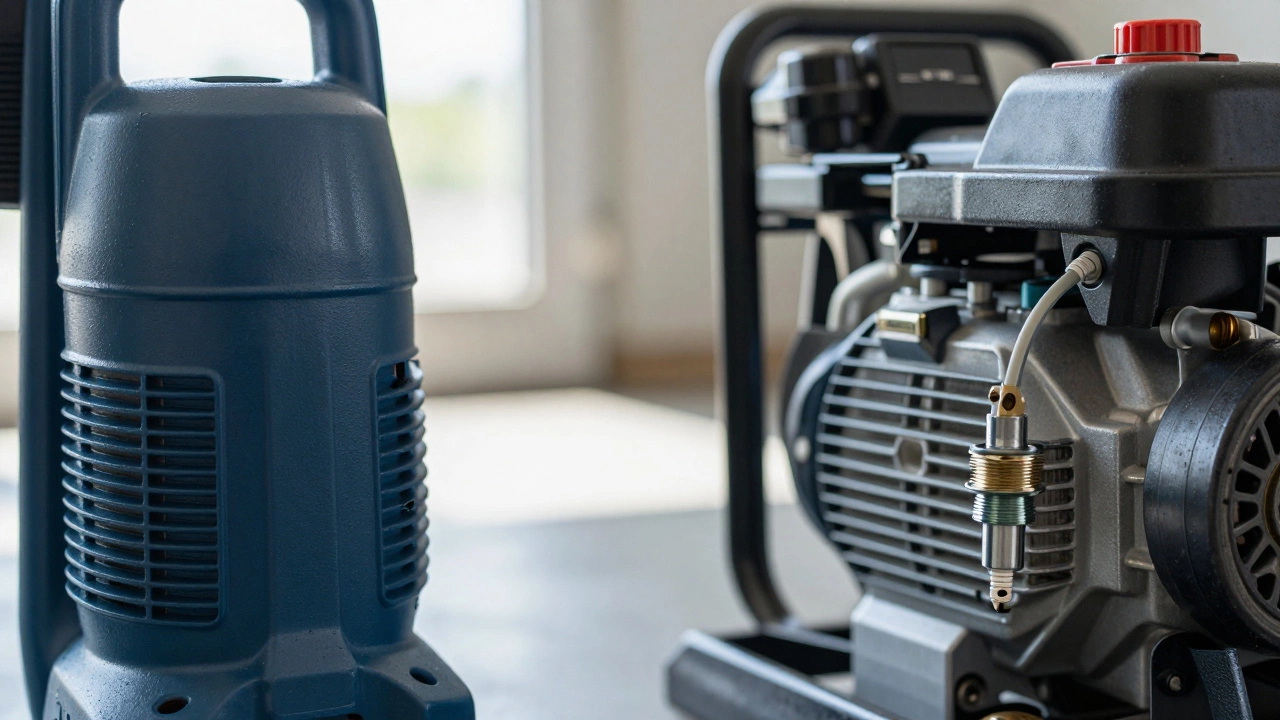
A gas engine demands attention. You must change the oil regularly, replace the air filter, and manage fuel stabilization if the machine sits unused. Ethanol-blended gasoline can gum up carburetors, leading to costly repairs. Additionally, gas engines produce emissions and heat, which can degrade components faster if not maintained. Over a decade, the cost of oil, filters, and potential engine repairs will likely exceed the initial price difference between the two types.
Environmental Impact and Noise Pollution
In 2026, environmental awareness is more prominent than ever. Electric pressure washers are significantly quieter. At around 70 decibels, they are comparable to a vacuum cleaner. You can use them early in the morning or late in the evening without disturbing neighbors. Gas units, however, roar at 95 decibels or more. This is louder than a lawn mower and can be jarring in a suburban neighborhood.
Emissions are another factor. Gas engines burn fossil fuels, releasing carbon dioxide and other pollutants directly into your yard. Electric units produce zero direct emissions. Even if your electricity comes from a coal plant, the centralized efficiency of power plants is generally cleaner than thousands of small, inefficient engines running in individual garages. If you live in an area with strict noise ordinances or air quality concerns, the electric option is the responsible choice.
Which One Should You Buy?
Deciding comes down to your specific "jobs-to-be-done." Here is a simple decision tree:
Choose Electric if: You primarily clean cars, patio furniture, siding, or small decks. You value quiet operation and low maintenance. You have easy access to outdoor power outlets. Your budget is under $400.
Choose Gas if: You need to clean large driveways, strip paint, remove heavy grease, or clean commercial buildings. You lack electrical access on your property. You need continuous runtime for several hours. You are willing to perform regular engine maintenance.
If you fall somewhere in the middle, consider a mid-range gas unit with an electric start. It gives you the power of gas with the convenience of a push-button ignition, bridging the gap between the two worlds.
Frequently Asked Questions
Can I use an electric pressure washer on a driveway?
Yes, but it will take longer. A high-end electric model (3,000+ PSI) can clean a driveway, but you may need to apply detergent and let it sit to break down stubborn stains. For large, heavily soiled driveways, a gas unit is more efficient due to higher GPM and PSI.
How long does a pressure washer pump last?
With proper maintenance, an axial pump (common in consumer models) lasts 500 to 1,500 hours. Plunger pumps (found in prosumer and commercial units) can last 2,000 to 5,000 hours. Regularly flushing the system after use prevents mineral buildup and extends pump life.
Is it worth buying a commercial-grade pressure washer?
Only if you plan to use it frequently for serious jobs. Commercial units feature plunger pumps and cast-aluminum heads, making them durable but expensive ($1,000+). For occasional home use, a high-quality residential model is sufficient and more cost-effective.
Do I need special detergent for my pressure washer?
You should use detergents specifically designed for pressure washers. Household soaps can damage the pump seals and create excessive suds that clog the nozzle. Biodegradable options are available for eco-friendly cleaning.
Can I leave antifreeze in my pressure washer during winter?
Never leave water in the pump during freezing temperatures. Always drain the pump and hoses completely. You can add non-toxic RV antifreeze to the system to protect internal components, but ensure it is safe for your specific pump type before doing so.