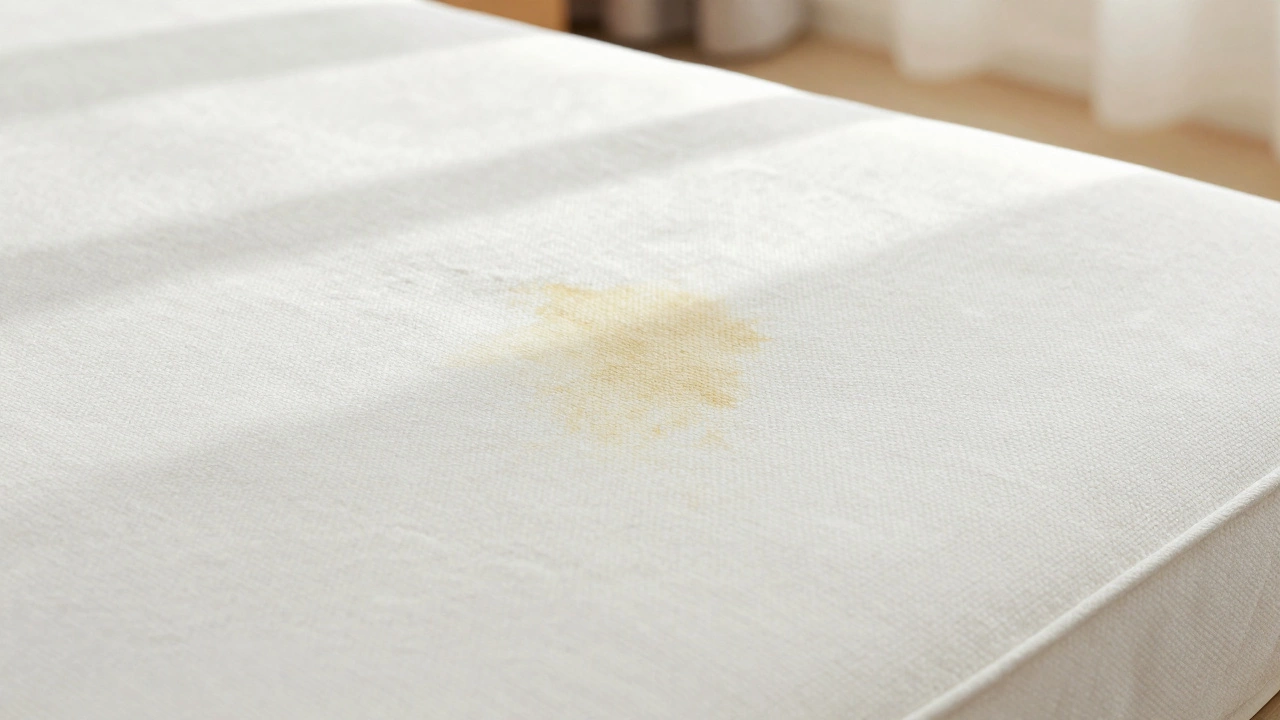
Mattress Sweat Stain Treatment Planner
Stain Details
Your Action Plan
Select OptionsClick "Get My Cleaning Plan" to see recommended steps.
Waking up to a damp, sticky feeling on your sheets is unpleasant enough. But when that moisture seeps deeper, soaking into the foam or springs beneath you, it creates a breeding ground for bacteria and stubborn odors. If you have ever wondered how to clean sweat out of a mattress, you are not alone. It is a common household issue, especially during hot summers or for those who suffer from night sweats.
Sweat does more than just make your bedding feel clammy. Over time, the salts and oils in human perspiration can break down fabric fibers, discolor your mattress cover, and lead to persistent smells that regular laundry cannot fix. Ignoring the problem might seem easier, but it shortens the lifespan of your mattress and can affect your sleep quality. The good news is that you do not need expensive professional equipment to tackle this. With the right approach, you can restore freshness to your sleeping surface using items likely already in your cupboard.
Why Sweat Stains Are Different From Other Spills
Before grabbing a spray bottle, it helps to understand what you are dealing with. Unlike water spills, which evaporate quickly, sweat contains a mix of water, salts, urea, and fatty acids. When these components dry on a mattress, they leave behind residues that attract dirt and hold onto moisture. This makes them harder to remove and more prone to causing yellowing over time.
If the sweat has been sitting there for weeks, it may have started to degrade the materials. Memory foam, in particular, is porous and absorbs liquids rapidly. Once inside the core, surface cleaning alone will not suffice. You need a method that breaks down the organic compounds without saturating the internal layers, which could lead to mold growth. Understanding this distinction prevents you from making the mistake of pouring too much water into the bed, a common error that leads to bigger problems.
Gathering Your Cleaning Supplies
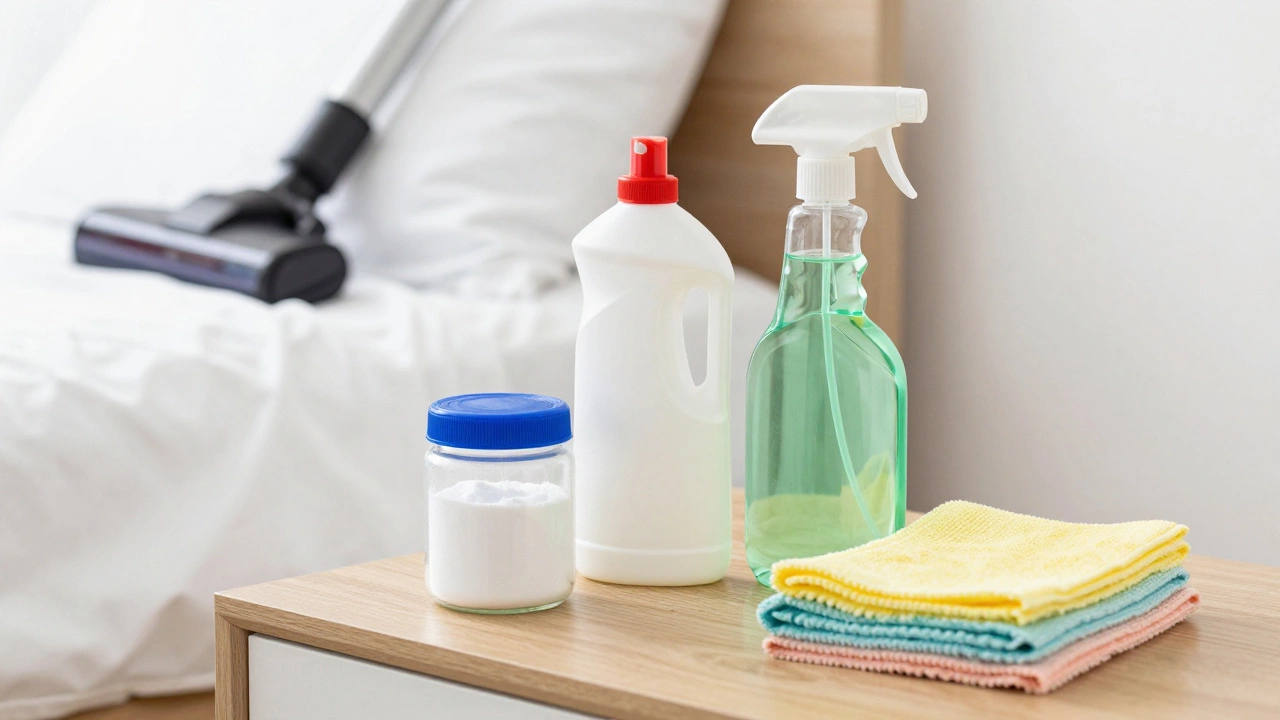
You do not need harsh chemicals to handle sweat. In fact, strong detergents can sometimes set protein-based stains or irritate sensitive skin. Instead, focus on gentle, effective agents that lift residue and neutralize odors. Here is what you should gather before starting:
- Baking soda: A natural absorbent that pulls moisture and neutralizes acidic odors.
- White vinegar: An excellent disinfectant that breaks down salt deposits and kills bacteria.
- Enzyme cleaner: Specifically designed to digest organic matter like sweat and urine; look for one safe for fabrics.
- Hydrogen peroxide (3%): Useful for lifting stubborn yellow stains, but use sparingly as it can bleach dark fabrics.
- Microfiber cloths: Soft, lint-free towels that won’t scratch the mattress surface.
- Vacuum cleaner: Preferably with an upholstery attachment to remove dried particles.
- Laundry detergent: A mild, liquid detergent works best for spot treatment.
Avoid using ammonia or chlorine bleach unless the manufacturer explicitly allows it. These substances can damage the structural integrity of foam cores and void warranties. Stick to the gentle options listed above for the safest results.
Step-by-Step Guide to Removing Fresh Sweat
If you notice the sweat soon after waking up, act quickly. Fresh stains are significantly easier to remove because the salts have not yet crystallized or bonded deeply with the fibers. Follow these steps for immediate care:
- Strip the bed: Remove all sheets, pillowcases, and protectors. Wash them immediately in warm water to prevent cross-contamination.
- Blot, do not rub: Use a clean, dry microfiber cloth to gently blot the area. Rubbing pushes the sweat deeper into the foam. Press firmly to absorb as much moisture as possible.
- Create a cleaning solution: Mix equal parts white vinegar and cold water in a spray bottle. Cold water is crucial here because heat can set protein stains.
- Apply lightly: Mist the affected area with the vinegar solution. Do not soak it. You want the surface damp, not dripping.
- Gently scrub: Using a soft-bristled brush or another cloth, work the solution into the stain with circular motions. This helps break down the salt bonds.
- Blot again: Use a dry cloth to absorb the lifted moisture and dissolved residue. Repeat until no more dirt transfers to the cloth.
- Air dry: Allow the mattress to dry completely before replacing the sheets. Open windows or use a fan to speed up the process.
This method works well for recent incidents. However, if the smell persists or the stain has turned yellow, you need a deeper approach.
Tackling Old, Set-In Sweat Stains
Old sweat stains are tougher adversaries. The salts have had time to oxidize, leading to discoloration, and bacteria may have established themselves within the fibers. To combat this, you need a combination of enzymatic action and mechanical removal.
Start by vacuuming the entire mattress surface. This removes loose dust, dead skin cells, and dried sweat particles that could interfere with your cleaning solution. Pay special attention to seams and crevices where debris accumulates.
Next, apply an enzyme cleaner directly to the stained areas. Enzyme cleaners contain biological agents that eat away at organic proteins. Let it sit for the time recommended on the label-usually 15 to 30 minutes. This gives the enzymes time to break down the sweat molecules. Afterward, blot the area with a damp cloth to remove the broken-down residue.
For stubborn yellow marks, create a paste of baking soda and hydrogen peroxide. Apply this paste only to the discolored spots. Let it sit for an hour, then vacuum it up once it has dried completely. Hydrogen peroxide acts as a mild bleaching agent, helping to lighten the stain without damaging the fabric if used correctly. Always test this mixture on a small, hidden area first to ensure it does not cause unwanted fading.
Eliminating Lingering Odors
Even after the visible stain is gone, the smell might remain. This is often due to residual bacteria trapped deep within the mattress. To neutralize these odors, baking soda is your best friend.
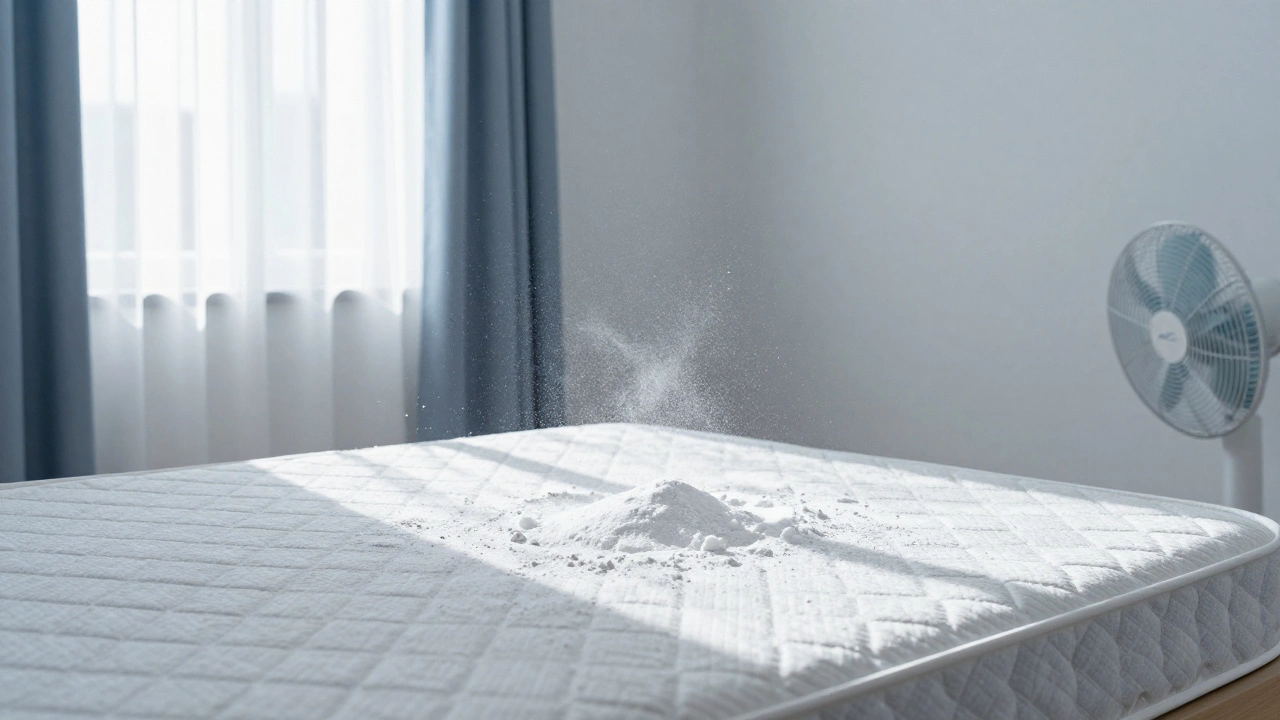
Sprinkle a generous layer of baking soda over the entire mattress, not just the stained areas. Baking soda is alkaline, which helps neutralize acidic odors caused by sweat. Let it sit for at least eight hours, or ideally overnight. During this time, it will absorb moisture and trap odor-causing particles.
In the morning, vacuum the baking soda thoroughly. For an extra fresh scent, you can add a few drops of essential oil like lavender or tea tree oil to the baking soda before sprinkling it. Tea tree oil also has natural antifungal properties, which adds an extra layer of protection against mold.
| Agent | Best For | Risks | Effectiveness |
|---|---|---|---|
| Baking Soda | Odor absorption, drying | Minimal; can clog vacuum filters if not fine enough | High for odors, low for stains |
| White Vinegar | Disinfection, breaking down salts | Strong smell initially; can damage some fabrics if undiluted | High for fresh stains |
| Enzyme Cleaner | Breaking down organic proteins | None if used as directed | Very high for old stains |
| Hydrogen Peroxide | Lifting yellow discoloration | Bleaching effect on dark fabrics | High for visual stains |
Preventing Future Sweat Damage
Cleaning is only half the battle. Preventing sweat from penetrating your mattress in the first place is far more effective. The most reliable tool for this is a waterproof mattress protector. Look for one made from breathable materials like Tencel or high-quality polyester blends. Cheap plastic covers can trap heat and make you sweat more, defeating the purpose.
Additionally, consider your bedroom environment. Keeping the room cool, around 18-20 degrees Celsius, can reduce night sweats. Using breathable bedding, such as cotton or bamboo sheets, also helps wick moisture away from your body. Regularly washing your sheets in hot water kills bacteria and removes accumulated sweat, reducing the load on your mattress.
Finally, rotate your mattress every three to six months. This ensures even wear and prevents sweat from accumulating in one specific area, extending the life of your investment.
Can I use steam cleaning to remove sweat from a mattress?
Steam cleaning can be risky for mattresses. While the heat kills bacteria, the moisture can penetrate deep into the foam core, leading to mold and mildew if the mattress does not dry completely within 24 hours. It is generally safer to use spot-cleaning methods with minimal moisture, especially for memory foam mattresses.
How long does it take for a mattress to dry after cleaning?
Drying time depends on the amount of moisture used and the type of mattress. In a well-ventilated room with fans running, a spot-cleaned area should dry in 6-8 hours. If you have applied more liquid, it may take up to 24 hours. Never put sheets back on a damp mattress, as this traps moisture and promotes bacterial growth.
Will baking soda permanently remove sweat stains?
Baking soda is excellent for removing odors and absorbing moisture, but it is not a stain remover on its own. For visible yellow stains, you need to combine it with a lifting agent like hydrogen peroxide or an enzyme cleaner. Baking soda prepares the surface by neutralizing pH, making other cleaning agents more effective.
Is it safe to use vinegar on all mattress types?
Vinegar is generally safe for most mattress materials, including innerspring and latex. However, always dilute it with water (50/50 ratio) and test it on a small, inconspicuous area first. Avoid using undiluted vinegar on delicate fabrics or untreated leather surfaces, as the acidity can cause damage over time.
How often should I deep clean my mattress?
It is recommended to deep clean your mattress every six months. This includes vacuuming, spot cleaning any stains, and treating odors with baking soda. If you have allergies, pets, or frequent night sweats, you may need to clean it more often, perhaps every three months, to maintain a healthy sleeping environment.