Couch Deodorizing Step Tracker
Track your cleaning progress. Check off each step as you complete it to ensure a thorough job.
Current Focus
Start with Step 1 to begin the process.
Cleaning Complete!
Your couch should now be free of nonenal odors. Remember to vacuum weekly and use washable covers to maintain freshness.
That distinct, musky scent often called "old person smell"-technically known as nonenal odor-can linger stubbornly on soft furnishings. If your sofa has absorbed this aroma, standard vacuuming won't cut it. The oils that create this smell penetrate deep into fabric fibers and foam cushions, requiring a targeted approach to neutralize rather than just mask the odor.
You don't need to replace your furniture. With the right combination of enzymatic cleaners, baking soda, and proper drying techniques, you can restore your couch to a fresh state. This guide walks you through every step, from identifying the source to preventing future buildup, ensuring your living space feels clean and inviting again.
Understanding the Source of the Odor
Before scrubbing, it helps to understand what you're fighting. The scent associated with aging is largely caused by 2-Nonenal, a fatty acid produced by skin cells as we age. Unlike sweat or food smells, this compound binds tightly to fabrics like cotton, linen, and synthetic blends. It doesn't wash out easily with water alone because it is oil-based.
This means traditional detergents might remove surface dirt but leave the underlying oily residue intact. To truly eliminate the smell, you need agents that break down these oils or absorb them completely. Understanding this chemistry saves you time and prevents the frustration of re-cleaning the same spot repeatedly.
| Odor Type | Source | Best Removal Method |
|---|---|---|
| Nonenal (Aging) | Skin oils | Enzymatic cleaners, Baking Soda |
| Mold/Mildew | Dampness/Humidity | Vinegar solution, Sunlight |
| Pet Urine | Biological waste | Enzyme digesters |
| Food/Grease | Spills/Snacks | Dish soap, Steam cleaning |
Gathering Your Cleaning Supplies
You likely already have most of what you need in your kitchen or garage. Avoid harsh chemical air fresheners; they only cover up the problem temporarily and can mix with the old scent to create something worse. Instead, focus on natural absorbers and gentle degreasers.
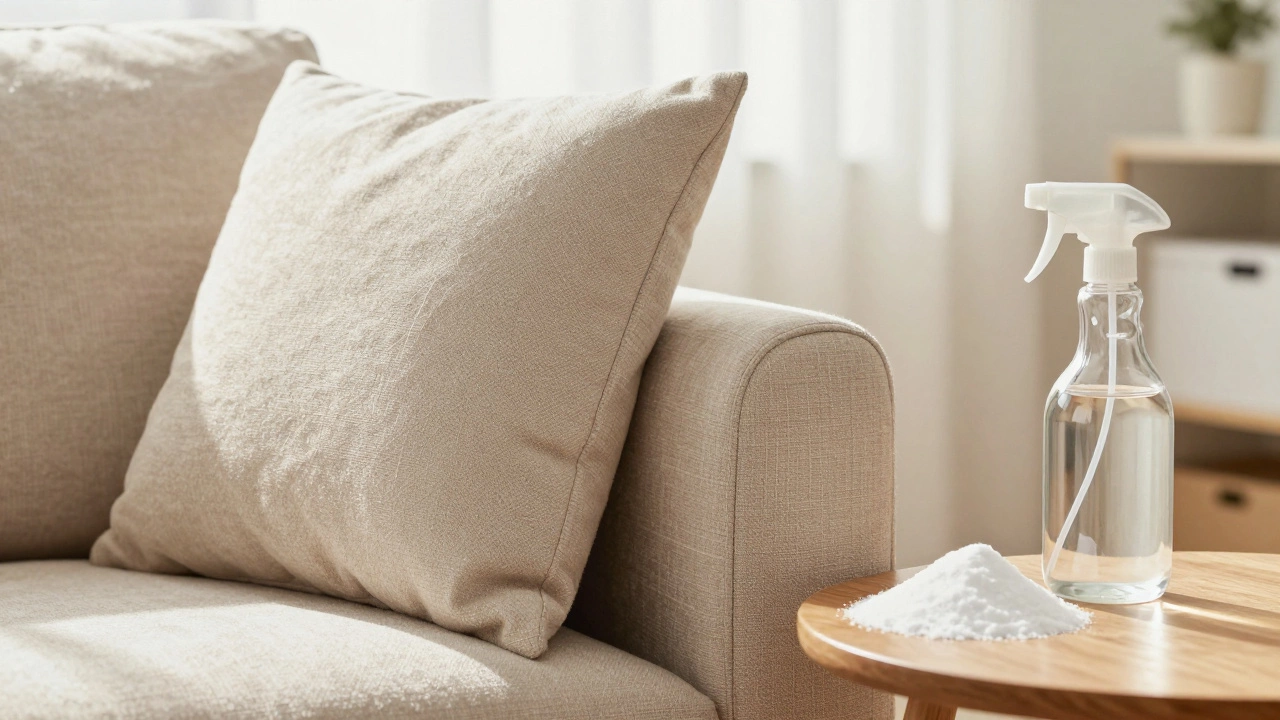
- Baking Soda: The ultimate odor absorber. It pulls moisture and smells out of fibers.
- White Vinegar: A natural disinfectant that breaks down oily residues without damaging most fabrics.
- Lemon Juice: Adds a fresh scent and contains citric acid to help lift stains.
- Enzymatic Cleaner: Specifically designed to break down organic matter like skin cells and oils.
- Microfiber Cloths: For blotting and applying solutions without scratching the fabric.
- Steam Cleaner (Optional): High heat kills bacteria and lifts deep-set odors from foam.
If your couch is made of leather or suede, skip the vinegar and baking soda steps. Leather requires specific conditioners, while suede needs professional brushing and specialized powders. Always check the manufacturer's tag for cleaning codes before proceeding.
Step-by-Step Deep Cleaning Process
Start by removing all cushions and flipping them over. Vacuum the entire couch thoroughly, including crevices between cushions and the frame. Use the upholstery attachment to pull out loose hair, dust, and debris. This prepares the fabric to accept the cleaning solutions.
- Apply Baking Soda: Generously sprinkle baking soda over every part of the couch, including the underside of cushions. Let it sit for at least one hour, preferably overnight. This gives the powder time to absorb the nonenal oils trapped in the fibers.
- Vacuum Again: Once the baking soda has done its work, vacuum it up completely. You should notice a significant reduction in the musty smell already.
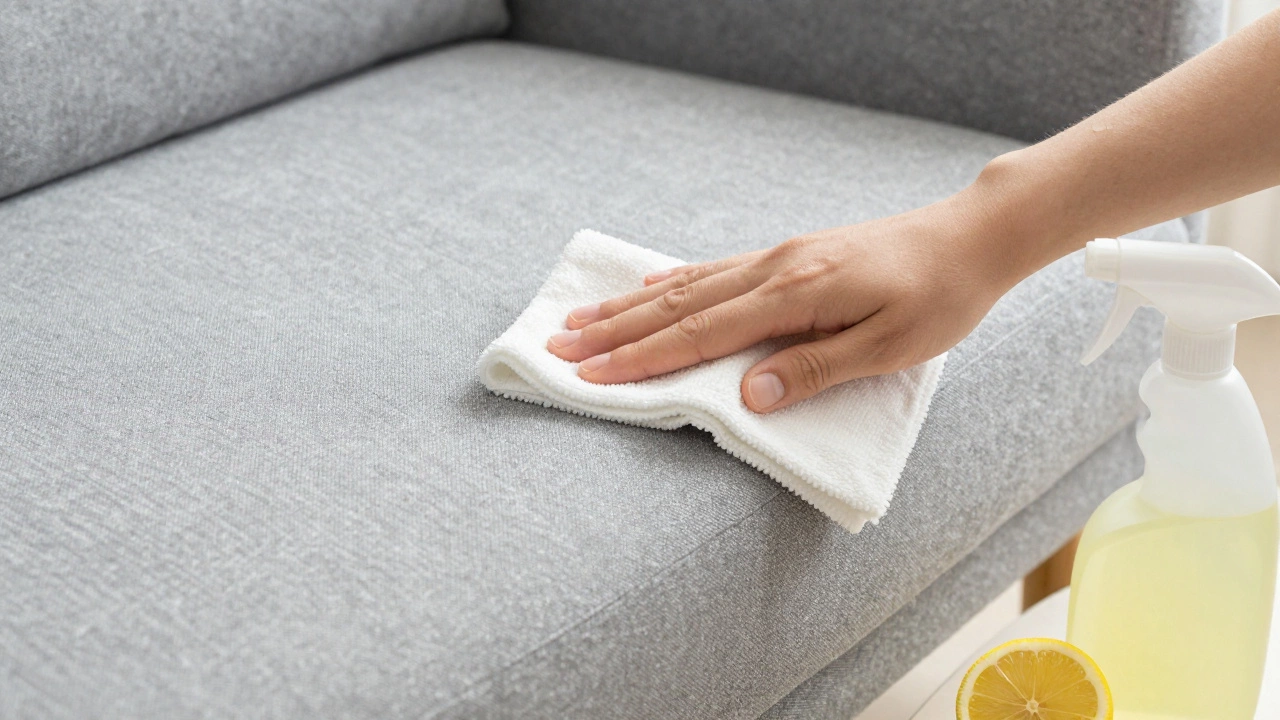
- Create a Vinegar Solution: Mix equal parts white vinegar and warm water in a spray bottle. Add a few drops of lemon juice if you want a fresher scent. Test this mixture on a hidden area first to ensure colorfastness.
- Spot Clean: Lightly mist the fabric with the vinegar solution. Do not soak it. Gently blot with a microfiber cloth. The vinegar breaks down the oily residue that baking soda couldn't fully remove.
- Use Enzymatic Cleaner: For persistent odors, apply an enzymatic cleaner according to the product instructions. These cleaners use biological enzymes to digest the organic compounds causing the smell. Let it dry completely.
Patience is key here. Rushing the drying process can lead to mildew, which introduces a new, damp smell. Ensure the room is well-ventilated by opening windows or using fans to speed up evaporation.
Tackling Stubborn Odors with Steam
If the smell persists after the initial cleaning, steam cleaning is your next best option. The high temperature of steam penetrates deep into the foam core of the cushions, where bacteria and oils hide. Most household steam cleaners reach temperatures above 100°C, which effectively sanitizes the fabric.
When using a steam cleaner, move slowly across the fabric. Hold the nozzle slightly above the surface to avoid saturating the foam. After steaming, allow the couch to dry completely. This may take several hours, depending on humidity levels. Placing the couch in direct sunlight for a few hours can also help kill remaining bacteria and freshen the fabric naturally.

Preventing Future Odor Buildup
Once your couch is fresh, maintaining that cleanliness is easier than starting from scratch. Regular maintenance prevents nonenal oils and other body soils from accumulating in the first place.
- Weekly Vacuuming: Remove surface dust and hair before they embed themselves in the fibers.
- Couch Covers: Use removable, washable throws or slipcovers. Wash them monthly in hot water to trap odors away from the main fabric.
- Air Circulation: Keep windows open when possible to reduce indoor humidity and stale air.
- Immediate Spill Cleanup: Blot spills immediately with a clean cloth. Never rub, as this pushes liquids deeper into the foam.
Consider placing an activated charcoal bag near the couch. Charcoal is a powerful natural air purifier that continuously absorbs odors from the surrounding environment. Replace or recharge the bag every three months for maximum effectiveness.
When to Call a Professional
Some situations require expert intervention. If the couch has been exposed to urine, severe mold, or if the odor returns quickly after home cleaning, it’s time to call a professional upholstery cleaner. Professionals have industrial-grade extraction machines and commercial-strength solvents that can reach depths home tools cannot.
In Bristol and similar climates with high humidity, mold growth inside cushion foam is common. If you see black spots or smell a distinctly earthy, damp odor, do not attempt DIY cleaning. Mold spores can become airborne during cleaning, posing health risks. A professional service will safely sanitize and treat the fabric to prevent regrowth.
Does baking soda actually remove old person smell?
Yes, baking soda is highly effective at absorbing odors, including nonenal. However, it works best when left to sit for several hours or overnight. For best results, combine it with a vinegar rinse to break down the oily residue that causes the smell.
Can I use Febreze on my couch for this smell?
Febreze masks odors rather than eliminating them. While it may provide temporary relief, it does not break down the nonenal oils. Using it repeatedly can lead to a buildup of chemicals that mixes with the original odor, creating a confusing scent profile. Stick to enzymatic cleaners or natural absorbers for long-term results.
Is the smell permanent once it sets in?
No, the smell is not permanent. Nonenal binds to fibers, but it can be broken down and removed with the right cleaning agents. Consistent maintenance and deep cleaning every few months will keep the odor at bay.
How often should I deep clean my couch?
For households with elderly residents or pets, deep cleaning every 3-6 months is recommended. In low-traffic homes, annual deep cleaning may suffice. Regular vacuuming should happen weekly regardless.
What if my couch is leather?
Leather requires different care. Avoid water and baking soda. Use a leather-specific cleaner and conditioner. Wipe down with a damp cloth followed by a dry one, then apply conditioner to maintain the material's integrity and prevent cracking.