
Decluttering Action Planner
Step-by-Step Actions:
Pomodoro Technique: Work 25 min, break 5 min
Waking up to a house that feels like it’s taking over your life is stressful. You look around and see piles of mail, clothes on chairs, and dust everywhere. It’s overwhelming. But you don’t need to hire a team immediately or spend weeks sorting through everything. If you are looking for same day cleaning results or just want to regain control quickly, the key is starting with the right strategy. This guide will help you tackle the chaos without burning out.
The Psychology of Starting
Before you pick up a single item, you need to manage your expectations. Trying to clean an entire cluttered house in one go usually leads to failure. Why? Because decision fatigue sets in fast. Every object you touch asks a question: "Keep, toss, or move?" After twenty minutes, your brain shuts down.
To avoid this, shift your mindset from "cleaning" to "clearing." Cleaning implies scrubbing and polishing. Clearing means creating space. You cannot clean what you cannot reach. The goal for today is not a spotless home; it is a navigable one. By focusing on clearing surfaces first, you create visual breathing room. This reduces anxiety and makes the actual cleaning easier later.
Ask yourself: What is the most painful area? Is it the kitchen counter covered in dishes? Or the hallway floor buried under shoes? Start there. Emotional priority beats logical order every time.
Phase 1: The Trash Sweep
The fastest way to reduce volume is to remove items that have no future in your home. Grab three large bags or bins. Label them clearly:
- Trash: For broken items, expired food, and obvious garbage.
- Recycling: For paper, plastic bottles, and cardboard.
- Donate: For clothes, books, and items in good condition that you haven't used in six months.
Walk through each room. Do not sort through drawers yet. Just grab the obvious trash. Empty coffee cups, old newspapers, junk mail, and broken electronics go into the trash bag. This step takes about fifteen minutes per room but yields immediate results. Seeing full trash bags gives you a dopamine hit. It proves progress is happening.
If you live in Bristol or similar UK cities, check your local council's recycling guidelines. Many areas offer bulky waste collection services if you have larger items to dispose of. Knowing where these things go removes the mental block of "I'll deal with it later."
Phase 2: Surface Clearing Strategy
Once the trash is gone, focus on horizontal surfaces. Countertops, tables, desks, and coffee tables should be clear. Why? Because surface clutter creates visual noise. Your eyes scan these areas constantly, causing stress.
Use the "One-Touch Rule." Pick up an item. Decide its home. Put it there. Do not put it on another surface temporarily. If you don't know where it belongs, put it in a designated "Holding Box" in a corner. Limit yourself to one box. If the box fills up, stop adding items. This prevents the holding box from becoming a new clutter zone.
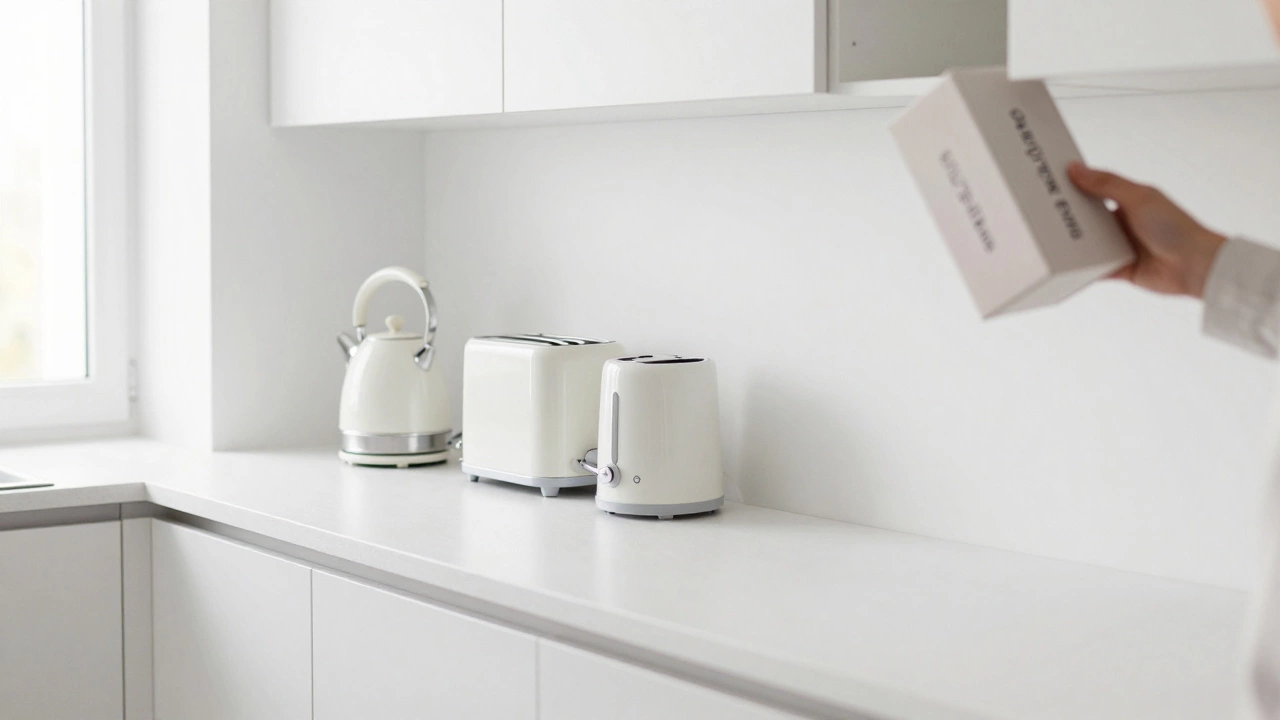
For kitchens, start with the sink. Wash or load the dishwasher. Then clear the counters. Only essential appliances (toaster, kettle) stay out. Everything else goes back in cupboards. In living rooms, clear the coffee table. Books, remotes, and coasters go to their proper homes. The result is a flat, empty surface that looks instantly cleaner.

When to Call Professionals
Sometimes, DIY isn't enough. If you have tried the trash sweep and surface clearing but still feel stuck, consider professional help. Hiring cleaners can provide a fresh perspective and physical labor support.
| Factor | DIY Decluttering | Professional Service |
|---|---|---|
| Cost | Low (time investment) | High (£50-£150+ depending on size) |
| Speed | Variable (depends on energy) | Fast (2-4 hours for standard homes) |
| Emotional Load | High (decision fatigue) | Low (outsourced effort) |
| Best For | Maintenance & minor clutter | Deep cleans & post-move scenarios |
If you choose professionals, look for services that offer "decluttering assistance" rather than just cleaning. Some companies will organize spaces while they clean. Be honest about the state of your home when booking. Hidden clutter behind sofas or under beds affects pricing and time estimates.
Room-by-Room Priorities
Not all rooms are equal. Prioritize based on function and visibility.
- Kitchen: High traffic, hygiene critical. Clear counters, wipe surfaces, sweep floors.
- Living Room: Social hub. Clear seating, tidy media units, vacuum rugs.
- Bathroom: Small space, high impact. Clear vanity, scrub sink, replace towels.
- Bedroom: Rest area. Strip bed, make it fresh, clear nightstands.
- Hallways/Entrances: First impression. Remove shoes, hang coats, sweep entryway.
Avoid starting with bedrooms or closets unless they are blocking pathways. These areas contain sentimental items and require more emotional energy. Tackle functional spaces first to build momentum.
Maintaining Momentum
You won't finish everything in one day. That's okay. The goal is to break the paralysis. Set a timer for twenty-five minutes. Work until it rings. Take a five-minute break. Repeat. This Pomodoro technique keeps your brain fresh. Play music or a podcast to keep energy high.
Hydrate. Dehydration causes fatigue. Keep water nearby. Stretch every hour. Physical movement helps mental clarity. If you get stuck on a decision, skip it. Mark it with a sticky note and move on. Perfection is the enemy of progress.
Preventing Future Clutter
Once you've cleared the initial chaos, establish simple habits to maintain order. The "One-In, One-Out" rule works well. For every new item brought into the house, one old item must leave. Donate it, sell it, or recycle it.
Create designated homes for frequently used items. Keys go in a bowl by the door. Mail goes in a tray. Shoes go on a rack. When everything has a place, clutter has nowhere to hide. Spend ten minutes each evening resetting surfaces. Return items to their homes before bed. This small habit prevents morning panic.
How do I start decluttering if I'm overwhelmed?
Start small. Pick one visible surface, like a kitchen counter or coffee table. Clear it completely. Don't worry about other rooms yet. Use the trash/recycle/donate method to remove obvious waste. Small wins build confidence and reduce anxiety.
Is it realistic to clean a whole house in one day?
It depends on the level of clutter and your energy. For moderate clutter, yes, you can achieve significant improvement. Focus on clearing surfaces and removing trash. Deep cleaning every inch may take longer. Prioritize high-impact areas like kitchens and living rooms.
What should I do with items I'm unsure about keeping?
Put them in a "Holding Box." Seal it and date it. If you haven't opened the box in three months, donate its contents unopened. This removes the pressure of immediate decisions while ensuring items aren't forgotten forever.
How much does professional decluttering cost?
Prices vary widely based on location and severity. In the UK, expect £50-£150 for a few hours of service. Larger projects may cost more. Always get quotes upfront. Check if disposal fees are included.
Can I declutter alone if I have anxiety?
Yes, but be gentle with yourself. Break tasks into tiny steps. Take frequent breaks. Consider inviting a supportive friend to help. If anxiety becomes unmanageable, seek professional support. Mental health comes first.