UK Window Cleaning Cost Estimator (2026)
Estimated Quote Breakdown
Select your options and click calculate to see an estimate based on 2026 UK market rates.
There is nothing quite as frustrating as looking out a window only to see your own reflection staring back at you, obscured by streaks, bird droppings, and layers of city grime. You know it needs cleaning, but the moment you reach for your phone to call a professional, the question hits you: "How much will this actually cost?" It’s not like buying groceries where the price is clearly marked on the shelf. Window cleaning feels opaque, with quotes ranging from £20 to over £150 depending on who you ask.
If you are living in the UK, particularly in areas like Bristol or other major cities, understanding these pricing structures can save you money and prevent awkward conversations with contractors. The short answer is that most homeowners pay between £30 and £80 for a standard residential clean every four to six weeks. But that number shifts dramatically based on height, access difficulty, and whether you need interior frames wiped down. Let’s break down exactly what drives those numbers up or down so you know if you’re getting a fair deal.
The Baseline: Standard Residential Pricing
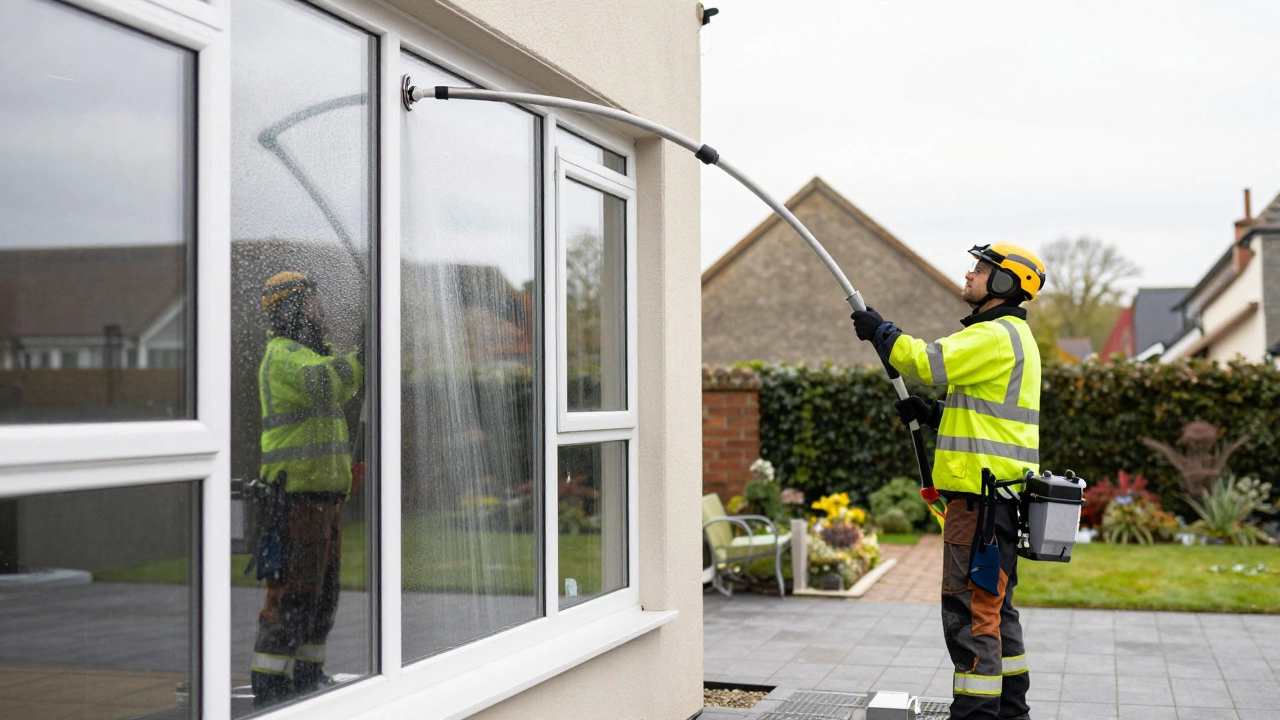
For the average detached or semi-detached house with single-storey windows and easy ground-level access, the market has settled into a predictable range. In 2026, a typical visit covering all front-facing windows, plus perhaps a few side windows, usually lands between £30 and £50. This assumes the cleaner uses a water-fed pole system, which is the industry standard for high-quality, streak-free results without ladders.
Why does it vary within that bracket? It comes down to square footage and glass complexity. A small cottage with four sash windows might be on the lower end, while a larger family home with sliding patio doors and multiple bay windows pushes toward the upper limit. Most professionals charge per visit rather than per pane because the setup time-filling the tank, testing the water purity, and setting up the equipment-is constant regardless of whether there are ten panes or twenty.
- Small property (1-2 bedrooms): £25 - £35
- Medium property (3-4 bedrooms): £35 - £55
- Large property (5+ bedrooms): £55 - £80+
Keep in mind that these prices generally include both the exterior glass and the interior tracks if they are easily accessible. If your interior frames are dusty or sticky, some cleaners add a small fee for the extra labor required to wipe them down properly.
The Height Factor: When Ladders and Ropes Enter the Picture
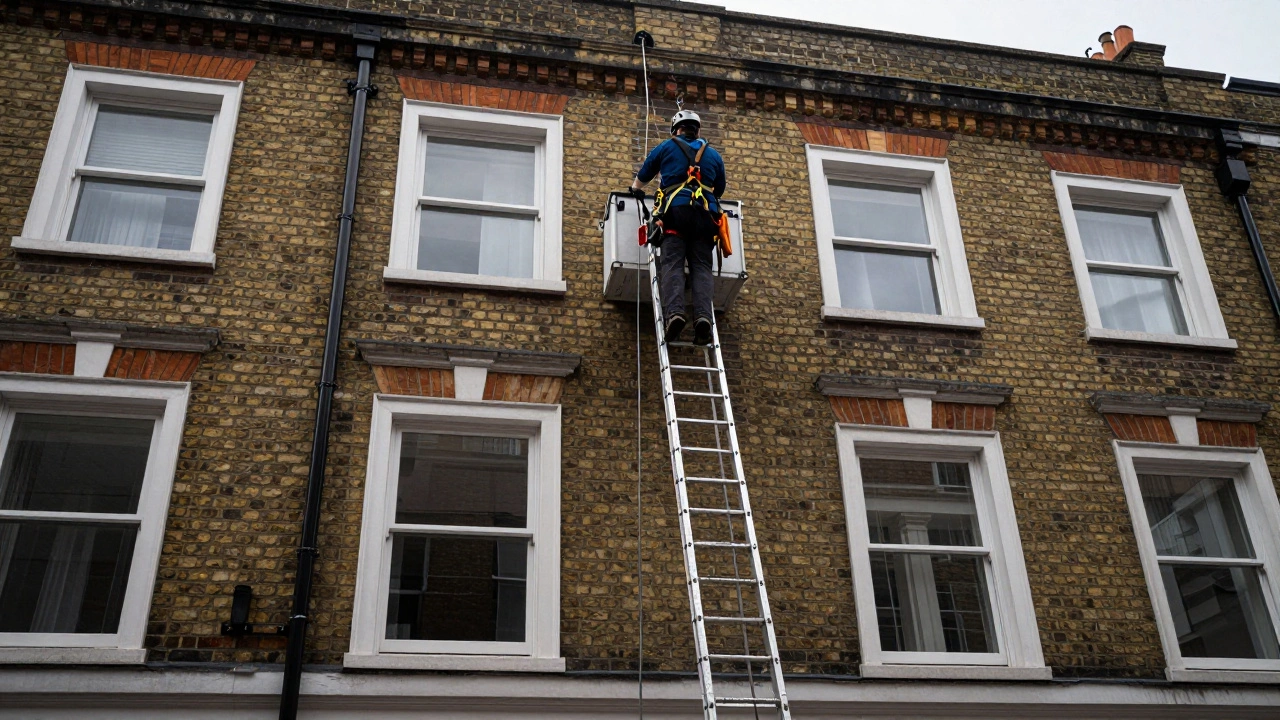
This is where many homeowners get surprised by their first quote. If your windows are on the second floor or higher, the price jumps. Why? Because safety regulations and insurance requirements become much stricter. Using a water-fed pole from the ground is safe and efficient, but once you exceed the pole's reach (usually around 15-20 feet), the cleaner must use ladders, scaffolding, or rope access techniques.
For two-storey homes where some windows are reachable from the ground but others require a ladder, expect to pay an additional 20% to 30%. So, a job that would normally cost £40 might rise to £50 or £60. For three-storey properties or buildings with difficult access, such as narrow alleyways where you can't extend a pole horizontally, prices can double. Professional rope access technicians charge significantly more due to the specialized training and certification required to work at heights safely.
Always ask if the quote includes "access fees." Some companies advertise low base rates but add hidden charges for any window above eye level. A transparent provider will give you a flat rate for the whole house, factoring in the risk and effort of reaching those high spots.
Commercial vs. Residential: Different Rules Apply
If you are asking about cleaning windows for a shop, office, or restaurant, the pricing model changes completely. Commercial contracts are rarely priced per visit in the same way residential ones are. Instead, they are often calculated based on the total linear footage of glazing or the number of individual panes.
A small retail shopfront with large display windows might cost between £40 and £70 for a one-off clean. However, businesses usually opt for monthly or quarterly contracts. These recurring agreements often come with a discount compared to ad-hoc visits. For example, a weekly clean of a small office suite might be quoted at £100 per week, but if you sign a 12-month contract, the provider might reduce that to £90 per week.
Commercial clients also face unique challenges. Are there security gates blocking access? Do the windows have anti-graffiti coatings that require specific solvents? Is the building listed, requiring gentle handling of historic frames? These factors add complexity and time, which directly impacts the bottom line. Unlike residential clients who just want clear views, business owners need spotless appearances to attract customers, meaning the standard for cleanliness is often higher.
| Property Type | Frequency | Estimated Cost Range | Key Factors |
|---|---|---|---|
| Small House (1-2 Bed) | Every 4-6 Weeks | £25 - £35 | Easy access, standard poles |
| Medium House (3-4 Bed) | Every 4-6 Weeks | £35 - £55 | Mixed access, some ladders |
| Large House (5+ Bed) | Every 4-6 Weeks | £55 - £80+ | High volume, complex shapes |
| Shop Front | One-off / Monthly | £40 - £70 | Display quality, signage cleaning |
| Office Block | Weekly/Monthly | £100 - £300+ | Access restrictions, volume |
Hidden Costs and Add-On Services
When reviewing a quote, look beyond the headline number. Several common add-ons can inflate the final bill if you aren’t aware of them beforehand. One of the most frequent surprises is the cost of cleaning conservatory roofs. While the walls might be included in the main package, the roof often requires different brushes and more time to remove moss and debris. Expect to pay an extra £10 to £20 for this service.
Gutter clearance is another common upsell. Many homeowners assume that since the cleaner is already outside with a ladder, they’ll quickly scoop out the leaves. However, gutters are a separate task requiring different tools and liability considerations. If you need them cleared, budget an additional £20 to £40 depending on the length of the gutter run.
Solar panel cleaning is increasingly popular. Dirty panels lose efficiency, and since they are often installed at angles similar to roofs, they fit neatly into a window cleaner’s workflow. Cleaning solar panels typically adds £15 to £30 to the invoice. Always check if the cleaner uses deionized water for this; tap water leaves mineral deposits that can actually damage the panel surface over time.
Travel fees are worth noting too. If you live in a rural area far from the cleaner’s base, they may charge a mileage fee. In urban centers like Bristol, London, or Manchester, travel is usually absorbed into the base rate. But if you are in a remote village, expect a £10 to £15 surcharge to cover fuel and time.
DIY vs. Professional: Is It Worth Saving Money?
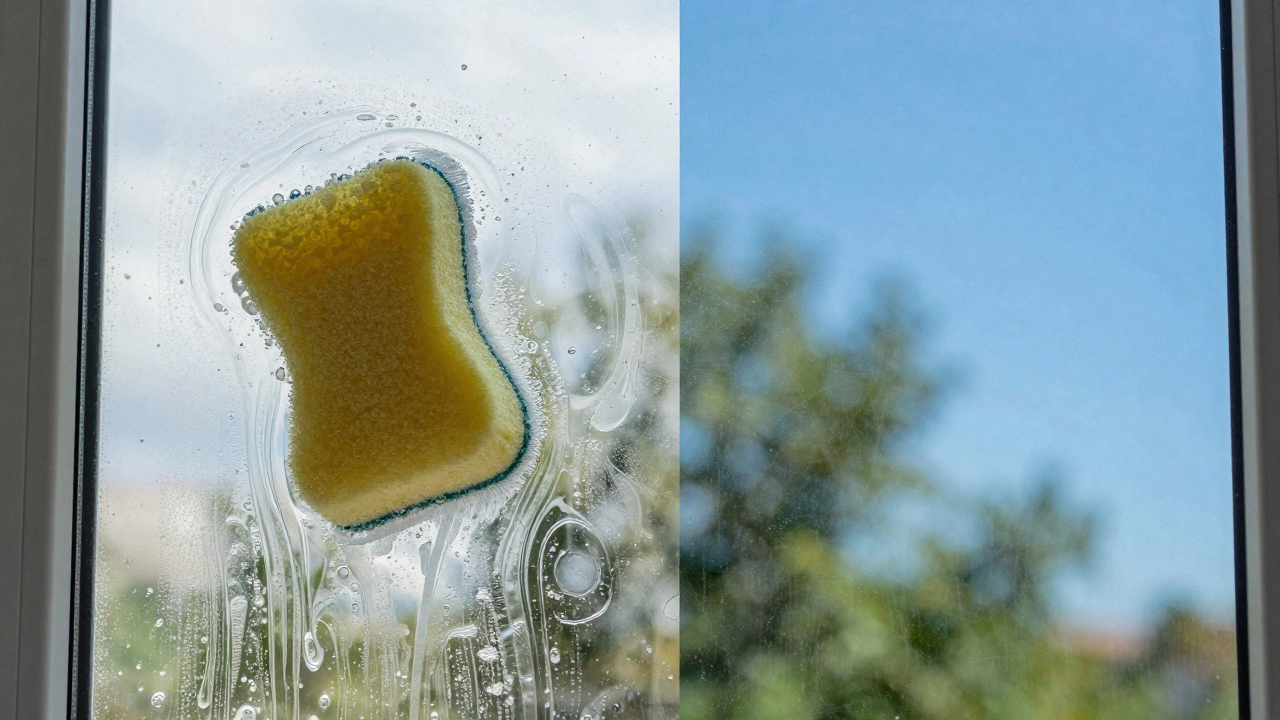
You might wonder if you can do it yourself to save cash. The materials are cheap: a bucket, sponge, squeegee, and newspaper cost less than £20. However, consider the time investment. A professional can clean an entire house in 45 minutes. Doing it yourself could take half a day, especially if you need to move furniture, climb ladders, and dry the interiors.
More importantly, there is the risk factor. Falling from a ladder is one of the most common household injuries. Professionals carry public liability insurance, often exceeding £2 million, which covers any accidental damage to your property or injury to themselves. If you slip and crack a window frame or injure yourself, the medical bills or repair costs will far exceed the £40 you saved on labor.
Quality is another differentiator. Amateurs often use soap and tap water, which leaves behind streaks and residue that attract dirt faster. Professionals use purified water through ion-exchange systems. This water acts like a magnet for dirt and evaporates without leaving minerals behind, resulting in a crystal-clear finish that stays cleaner longer. If you value your time and safety, the professional route is almost always the better economic choice in the long run.
How to Get the Best Quote
To ensure you are comparing apples to apples, follow these steps when requesting estimates:
- Specify the scope: Tell them exactly what you need. Exterior only? Interior frames too? Conservatory roof? Be explicit.
- Ask about frequency discounts: Most cleaners offer a 10% to 15% discount if you commit to a regular schedule, such as every four weeks. This helps them plan their routes efficiently.
- Check for hidden fees: Ask directly, "Are there any access fees, travel charges, or minimum call-out fees?"
- Verify insurance: Ensure they have valid public liability insurance. It’s non-negotiable.
- Get it in writing: A text message or email confirmation of the price prevents "sticker shock" after the job is done.
Don’t just go with the cheapest option. A very low quote might indicate that the cleaner is inexperienced, underinsured, or planning to cut corners by skipping interior frames or using inferior equipment. Look for reviews that mention reliability and thoroughness, not just price.
Is it cheaper to clean windows yourself?
While the upfront cost of DIY supplies is low, you must factor in your time and the risk of injury. Professionals complete jobs faster and safer, and their purified water systems provide a longer-lasting clean. For most people, hiring a pro is more cost-effective when considering value and safety.
Do I need to be home for window cleaning?
If the cleaner only needs to access exterior windows via water-fed poles from the driveway or sidewalk, you do not need to be home. However, if interior frames need wiping or if they need access to a garden hose or power outlet, someone should be present to let them in.
How often should I pay to have my windows cleaned?
Most homeowners benefit from a clean every 4 to 6 weeks. This frequency prevents heavy buildup of dirt and grime, making each session quicker and easier. Homes near industrial areas or busy roads may need more frequent cleaning, while rural properties might manage with quarterly visits.
Why do some quotes seem so much higher than others?
Higher quotes often reflect comprehensive services, including interior frame cleaning, gutter checks, and the use of high-end purified water systems. They may also account for difficult access, insurance coverage, and experienced staff. Very low quotes may exclude these elements or rely on less effective methods.
Can window cleaners damage my windows?
Reputable professionals are trained to avoid damage. Water-fed poles are soft and safe for glass and frames. Risks usually arise from untrained individuals using abrasive tools or improper chemicals. Always hire insured professionals who follow industry best practices to minimize any risk.