Spring Cleaning Health & Efficiency Calculator
It’s June. The snow is long gone, the gardens are blooming, and for many people in the Northern Hemisphere, the urge to scrub every surface in the house has passed. But if you look at American culture, spring cleaning is a deep-cleaning tradition performed annually, typically in March or April, involving thorough scrubbing of floors, windows, and hidden dust traps. It isn't just a chore; it's a cultural ritual.
You might be wondering: why do Americans (and people in other temperate climates) feel this sudden compulsion to deep clean once a year? Is it just about getting rid of winter grime? The answer goes deeper than dirty carpets. It involves history, biology, psychology, and even a bit of chemistry. Let’s break down why this tradition sticks around in the modern era.
The Historical Roots: From Chimneys to Carpets
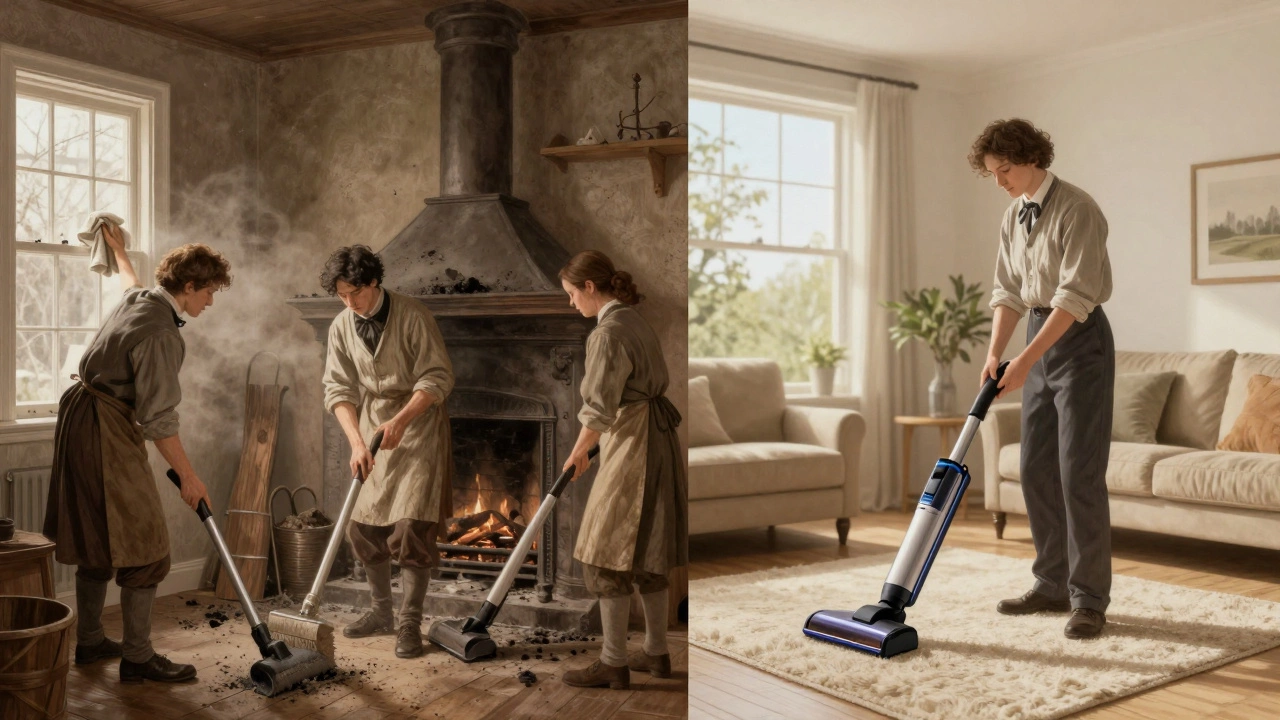
To understand why we do it, we have to look back at how people lived before central heating and vacuum cleaners. In the 19th century, homes were heated by wood-burning stoves and open fireplaces. This created massive amounts of soot, ash, and creosote.
Chimney sweeping was the annual maintenance of chimneys to remove soot buildup, historically done in early spring after the heating season ended. If you didn’t clean your chimney in the spring, you risked fires during the next winter. So, when the weather warmed up and the heating season officially ended, families took that window of opportunity to tackle the rest of the house.
- Winter confinement: Families stayed indoors all winter. Windows were sealed shut against drafts, trapping dust and stale air.
- Lack of filtration: Without HVAC systems, dust settled everywhere-on top of cabinets, inside drapes, and under heavy rugs.
- Practical timing: You couldn’t wash windows or hang out sheets on the line in January. Spring offered the first dry, warm days to do these tasks efficiently.
This practical necessity evolved into a cultural expectation. By the mid-20th century, advertisements for cleaning products like bleach and scouring powders reinforced the idea that a "good housewife" must perform a total home reset in spring. The tradition stuck, even though most of us now have HEPA filters and washing machines.
The Biological Factor: Allergies and Immunity
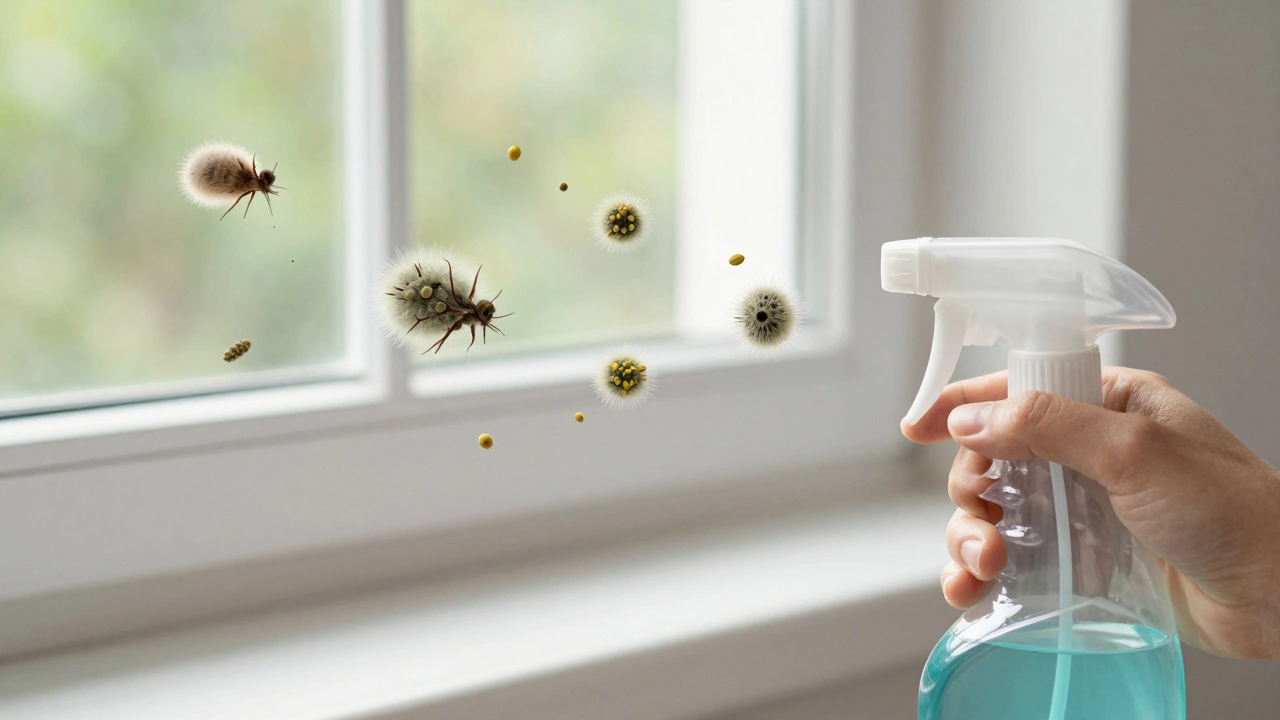
Beyond history, there is a biological reason why spring feels like the right time to clean. As temperatures rise, so does pollen count. For millions of people, seasonal allergies are immune system reactions to airborne substances like pollen, mold spores, and dust mites, peaking in spring and fall.
When you open your windows after months of keeping them closed, you invite outdoor allergens inside. At the same time, the humidity changes can trigger mold growth in damp areas like bathrooms and basements. Deep cleaning helps mitigate these health risks.
| Allergen Source | Where It Hides | Cleaning Action |
|---|---|---|
| Dust Mites | Bedding, upholstered furniture, carpets | Hot water washing (above 130°F), vacuuming with HEPA filter |
| Pollen | Window sills, curtains, entryways | Damp dusting surfaces, washing curtains |
| Mold Spores | Bathroom grout, basement corners, under sinks | Scrubbing with vinegar or bleach solutions |
| Pet Dander | Carpets, air vents, pet beds | Deep carpet cleaning, changing HVAC filters |
By removing these triggers, you aren't just making the house look nice; you're improving indoor air quality. This is especially important for households with children or elderly members who may have weaker immune systems.
Psychological Reset: The Link Between Clutter and Stress
Have you ever noticed that when your life feels chaotic, your house tends to get messy too? Psychologists call this the "clutter-stress loop." Visual clutter competes for your attention, which can lead to increased cortisol levels (the stress hormone).
Decluttering is the process of removing unnecessary items from living spaces to reduce visual noise and mental load. Spring cleaning often includes not just scrubbing, but also sorting through closets, garages, and attics. This act of letting go provides a sense of control and renewal.
Think about it: Winter is often associated with hibernation, lower energy, and sometimes seasonal affective disorder (SAD). Spring brings longer days and more sunlight. Aligning your physical environment with this natural shift in energy can boost your mood. It’s a form of environmental psychology. When you clear out the old, you make space for the new-both literally and metaphorically.
Energy Efficiency and Home Maintenance
There’s also a practical financial angle. A lot of spring cleaning tasks double as preventative maintenance for your home. Over the winter, your HVAC system works overtime. Dust builds up in air ducts, filters clog, and fans become inefficient.
- HVAC Filter Replacement: Dirty filters force your furnace or AC to work harder, increasing energy bills by up to 15%.
- Gutter Cleaning: Leaves and debris trapped in gutters over winter can cause water damage to your roof and foundation when spring rains arrive.
- Pest Prevention: Rodents and insects seek shelter indoors during cold months. Spring cleaning helps identify and seal entry points before they establish nests.
In the UK, where I live in Bristol, we don’t always have the same dramatic seasonal shifts as parts of the US, but the principle holds. After a wet, windy winter, checking for damp, cleaning gutters, and airing out rooms is essential to prevent structural decay and mold.
Modern Adaptations: How Spring Cleaning Has Changed
Today, few people spend a week scrubbing floors with a brush. Modern life is faster, and professional cleaning services are more accessible. However, the core intent remains. Here’s how the tradition has adapted:
- Zone Cleaning: Instead of doing the whole house in one weekend, many families assign one room per week throughout the spring.
- Digital Decluttering: Just as we clean our physical spaces, many use spring to organize digital files, unsubscribe from emails, and update passwords.
- Eco-Friendly Focus: There’s a growing trend toward using non-toxic, biodegradable cleaners to protect both human health and the environment.
The rise of minimalism and the "less is more" philosophy has also influenced spring cleaning. It’s less about making everything sparkle and more about curating what you keep. This shift reflects a broader cultural move toward sustainability and intentional living.

How to Start Your Own Spring Clean (Without Burning Out)
If you want to adopt this habit, don’t try to do it all at once. Burnout is real. Here is a simple strategy:
Step 1: The Edit. Before you clean anything, decide what stays and what goes. Donate clothes you haven’t worn in a year. Throw away expired medications. Toss broken items. Less stuff means less to clean.
Step 2: Top to Bottom. Always clean from the ceiling down. Dust falls. If you mop the floor first, then dust the shelves, you’ll just track dirt back onto the clean floor.
Step 3: Hidden Spaces. Focus on areas you ignore daily. Behind the fridge, inside the oven, baseboards, and light fixtures. These spots accumulate the most grime over six months.
Step 4: Air It Out. Open every window for 15 minutes a day for a week. Use fans to circulate fresh air. This removes stale odors and resets the scent profile of your home.
Conclusion: More Than Just Chores
So, why do Americans do spring cleaning? Because it works. It connects us to historical practices that kept our homes safe and healthy. It addresses biological needs for cleaner air. It supports psychological well-being by reducing clutter-induced stress. And it maintains the value and efficiency of our homes.
You don’t need to follow the tradition blindly. Adapt it to your lifestyle. Whether you spend a Saturday scrubbing or a month slowly decluttering, the goal is the same: to create a space that supports your health and happiness as the seasons change.
Is spring cleaning only an American tradition?
No, while the term "spring cleaning" is heavily used in the US, similar traditions exist worldwide. In Japan, "Osoji" is a New Year's cleaning ritual. In China, the Lunar New Year involves thorough house cleaning to sweep away bad luck. In the UK, airing out homes after winter is common, though less formalized as a single event.
What is the best time of year to deep clean?
Spring is ideal because of warmer temperatures allowing windows to stay open for ventilation. However, late summer or early autumn can also be good times to prepare for the colder months, focusing on sealing drafts and cleaning HVAC systems before heavy use.
Does spring cleaning really improve health?
Yes. Reducing dust mites, mold, and pollen significantly lowers allergy symptoms. Additionally, reducing clutter has been linked to lower stress levels and better sleep quality, contributing to overall mental and physical well-being.
How often should I replace my HVAC filters?
Standard advice is every 90 days. However, if you have pets, allergies, or live in a dusty area, check them monthly. Replacing filters during spring cleaning ensures your system runs efficiently for the upcoming cooling season.
Can I hire someone to do spring cleaning?
Absolutely. Professional deep cleaning services are popular for tackling difficult tasks like oven cleaning, carpet shampooing, and window washing. Many people choose to handle decluttering themselves and hire pros for the heavy scrubbing.