Pressure Washing Business Startup Cost Calculator
Configuration Options
Estimated Total Investment
Based on current UK market rates
Cost Breakdown
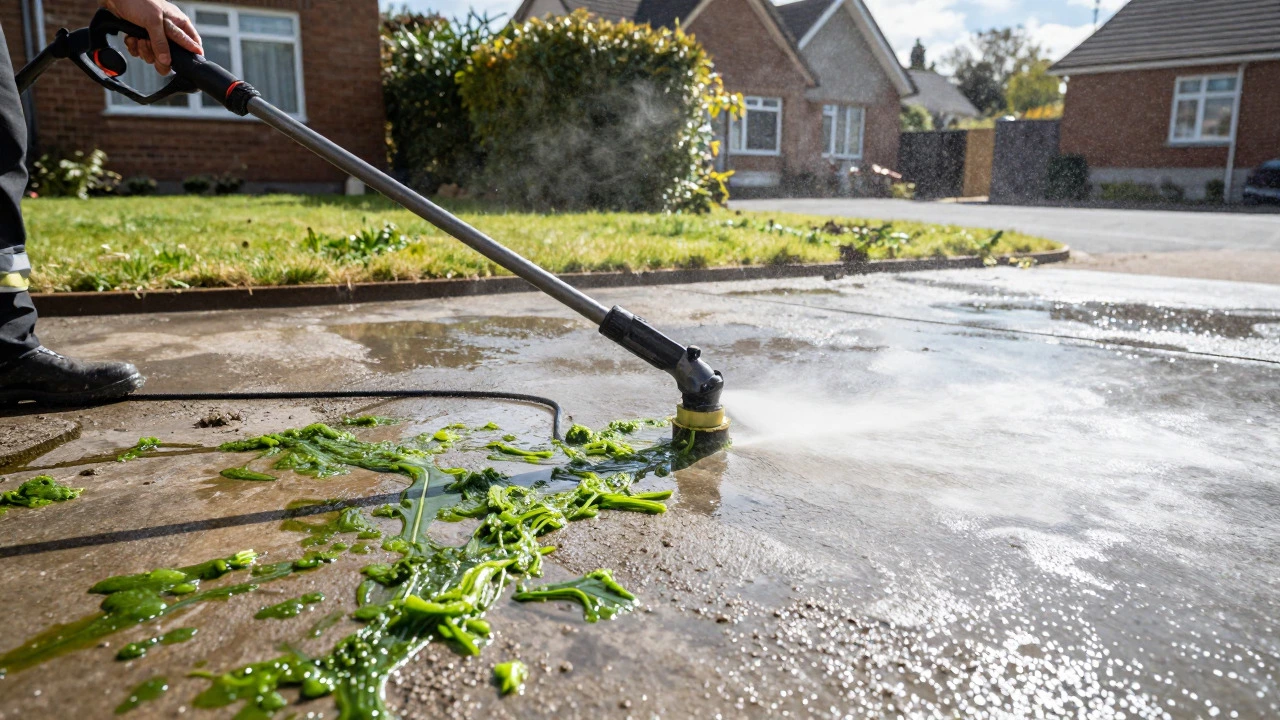
Does your driveway look like it’s been through a war zone of mud, algae, and oil stains? You’re not alone. Most homeowners in the UK are desperate for curb appeal, which makes pressure washing seem like an easy way to make money. All you need is a hose, some water, and a machine that blasts dirt away, right?
Wrong. Starting a pressure washing business is deceptively simple on the surface but technically demanding underneath. If you treat it like just "spraying water," you will crack concrete, void warranties, and lose clients faster than you can fill a fuel tank. But if you understand the chemistry, the physics of water pressure, and the legal requirements, it is one of the most profitable service businesses you can own.
The Technical Barrier: It’s Not Just About Power
The biggest myth in this industry is that more PSI (Pounds per Square Inch) equals better cleaning. In reality, too much pressure destroys surfaces. This is where many new operators fail. They buy a cheap consumer-grade washer from a big-box store and blast a brick patio until the mortar crumbles. That’s not cleaning; that’s demolition.
To succeed, you need to master two distinct methods:
- High-Pressure Washing: Used for durable surfaces like concrete driveways, sidewalks, and stone patios. Here, mechanical force removes grime. Typical residential jobs require 3,000 to 4,000 PSI.
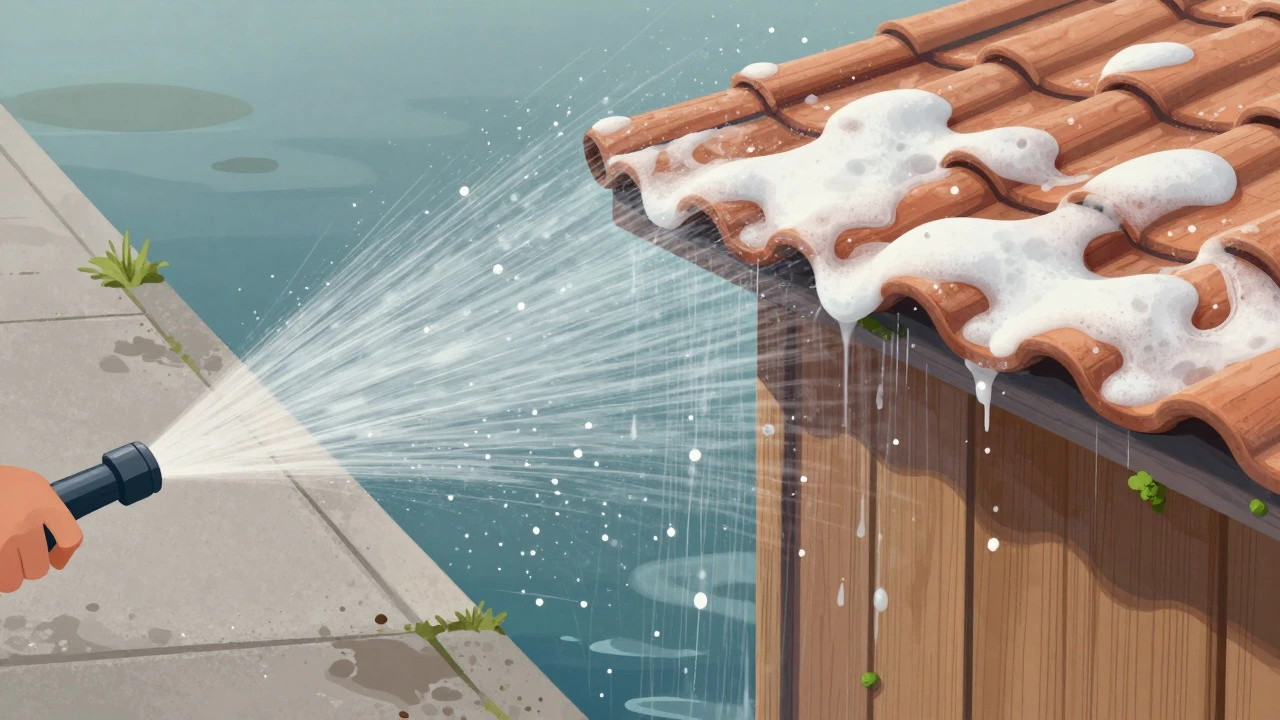
- Soft Washing: Used for roofs, siding, wood decks, and windows. Here, low pressure (under 500 PSI) combined with biodegradable detergents kills organic growth like algae, moss, and mold at the root. Without this skill, you’ll strip paint off houses and leave customers angry.
Understanding when to switch between these modes is the first real hurdle. A professional knows that a tile roof requires chemical treatment and gentle rinsing, while a stained concrete garage floor needs high-impact agitation. Getting this wrong once can cost you thousands in repairs and reputation damage.
Equipment Costs and Maintenance Reality
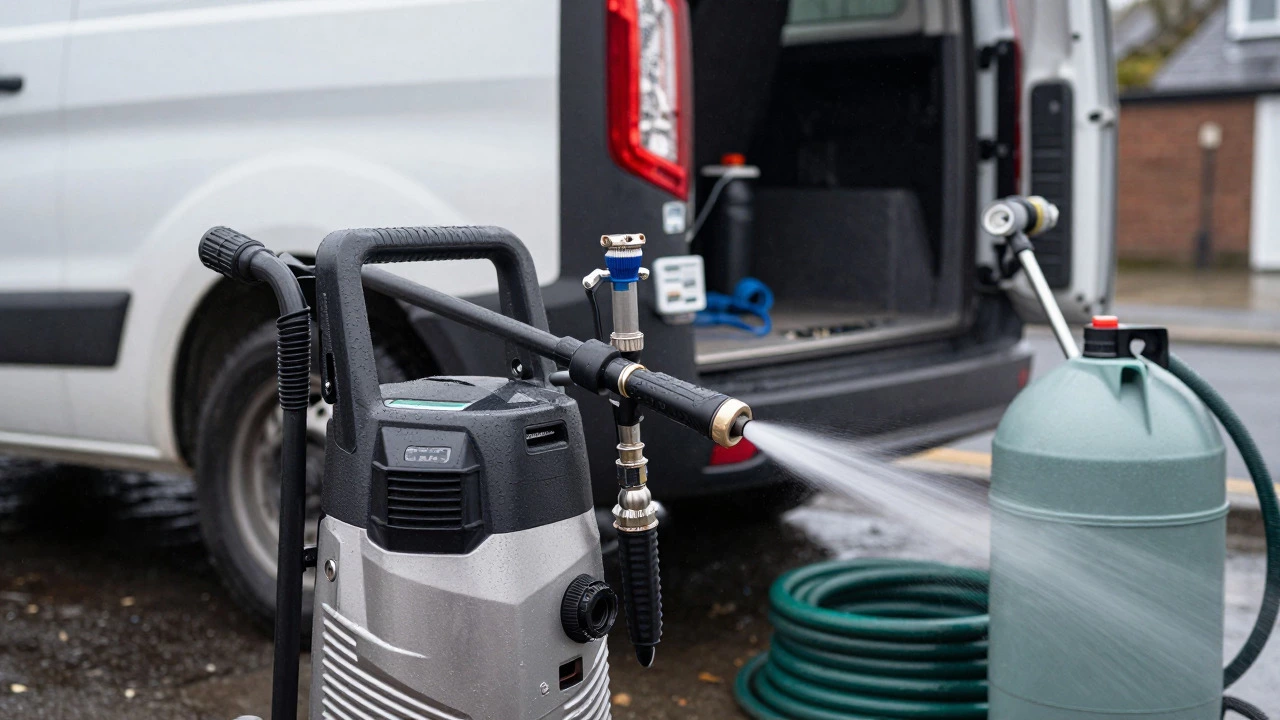
You cannot run a serious business with a $300 electric washer. Those machines overheat quickly, lack the flow rate (GPM - Gallons Per Minute) needed for efficiency, and break down under daily use. To compete, you need commercial-grade equipment.
| Item | Specification | Estimated Cost (GBP) |
|---|---|---|
| Commercial Gas Pressure Washer | 4,000+ PSI, 4+ GPM, Triplex Pump | £1,500 - £3,000 |
| Surface Cleaner Attachment | 20-inch or 30-inch diameter | £300 - £600 |
| Soft Wash System | Proportioner, Spray Gun, Chemicals | £400 - £800 |
| Water Reclamation Unit | Vacuum system for runoff containment | £500 - £1,200 |
| Vehicle & Trailer | Rugged van or trailer setup | £5,000 - £15,000+ |
Beyond the initial purchase, maintenance is brutal. Water pumps hate sediment. If you pull water from a municipal hydrant without proper filtration, sand and grit will eat your pump seals within months. You’ll spend hours changing nozzles, repairing hoses, and troubleshooting engine issues. Unlike coding or consulting, this business is physically gritty. Your hands will be dirty, your back will ache, and you’ll work in rain, heat, and cold.
Legal Hurdles and Environmental Regulations
In the UK, environmental regulations are strict. You can’t just let soapy, oily, and chemical-laden water flow into storm drains. Many local councils enforce rules about wastewater disposal. For commercial properties or large residential jobs, you may need a water reclamation system to vacuum up runoff and dispose of it legally.
Additionally, consider liability insurance. If you accidentally blast water into a neighbor’s open window or damage a historic facade, you’re liable. Standard home insurance won’t cover business activities. You need public liability insurance, typically starting around £500-£1,000 annually depending on coverage limits. Without it, one accident can bankrupt you.
Registering your business with Companies House or as a sole trader is straightforward, but understanding VAT thresholds and tax obligations adds another layer of complexity. It’s not enough to clean well; you must operate legally.
Marketing and Client Acquisition Challenges
Here’s the hard truth: everyone wants pressure washing services, but few want to pay premium prices. Homeowners often compare quotes based on the lowest number, not quality. Breaking into the market means competing against unlicensed "weekend warriors" who charge half your rate because they have no overheads.
To win, you must position yourself as an expert, not a commodity. This requires:
- Before-and-after photography: Visual proof is your strongest sales tool. High-quality images showing dramatic transformations build trust instantly.
- Local SEO: Optimizing your website for terms like "driveway cleaning Bristol" or "roof soft wash near me" helps you appear when locals search online.
- Referral networks: Partnering with roofing companies, landscapers, and estate agents creates a steady stream of qualified leads.
Customer acquisition costs can be high initially. You might spend hundreds on Google Ads or social media campaigns before seeing returns. Patience and consistent branding are key.
Physical Demands and Seasonal Variability
Let’s talk about the body. Carrying heavy hoses, maneuvering bulky equipment, and standing for eight-hour days takes a toll. Back injuries, shoulder strain, and hearing loss from gas engines are common occupational hazards. Proper ergonomic training and protective gear aren’t optional-they’re essential for longevity.
Seasonality also impacts income. In the UK, spring and summer are peak seasons. Demand spikes after winter storms bring debris and algae blooms. Autumn brings leaf litter and mud, keeping you busy. But winter? Rain, frost, and short days slow things down. Smart owners diversify by offering gutter cleaning, window washing, or indoor carpet cleaning during colder months to maintain cash flow.
Profit Potential and Scalability
Despite the challenges, the profit margins are attractive. A typical driveway cleaning job might take two hours and generate £150-£300 in revenue. With minimal material costs (mostly electricity/gas and detergent), gross margins can exceed 70%. Scale up by hiring employees, buying multiple machines, and targeting commercial contracts like car parks, warehouses, and shopping centers.
Commercial clients offer recurring revenue. A supermarket chain might sign a quarterly contract for parking lot cleaning, providing predictable income. Residential work is more sporadic but offers higher per-job profits relative to time spent.
Common Pitfalls to Avoid
New entrepreneurs often make critical mistakes early on:
- Underpricing: Charging too little to get started sets bad expectations. Raise rates gradually as you build reputation.
- Ignoring Safety: Always wear eye protection, ear defenders, and non-slip boots. High-pressure water can inject bacteria into skin, causing serious infections.
- Poor Communication: Confirm job details, access points, and drainage plans with clients beforehand. Misunderstandings lead to disputes.
- Neglecting Upkeep: Clean filters, flush lines, and inspect hoses regularly. Preventative maintenance saves costly downtime.
Final Verdict: Is It Worth It?
So, is a pressure washing business hard? Yes, if you underestimate the technical skills, physical demands, and regulatory landscape. No, if you approach it with professionalism, invest in proper training, and focus on customer satisfaction. It’s not a get-rich-quick scheme-it’s a skilled trade that rewards diligence and expertise.
If you’re willing to learn the nuances of soft washing, handle the physical labor, and navigate the business side, there’s significant opportunity. The demand for clean exteriors isn’t going away. What matters is whether you can deliver results safely, efficiently, and consistently.
How much does it cost to start a pressure washing business in the UK?
Startup costs range from £5,000 to £20,000+, depending on equipment quality, vehicle type, and marketing budget. Essential items include a commercial pressure washer (£1,500+), surface cleaner (£300+), soft wash system (£400+), insurance (£500+/year), and basic tools. Adding a water reclamation unit increases costs significantly but ensures compliance with environmental laws.
Do I need special certifications to pressure wash in the UK?
While no mandatory national certification exists for general pressure washing, certain tasks require qualifications. Working at height (e.g., roof cleaning) may need IPAF or PASMA accreditation. Handling chemicals safely benefits from COSHH training. Public liability insurance is highly recommended regardless of formal certs.
What is the difference between pressure washing and soft washing?
Pressure washing uses high PSI (3,000+) to mechanically remove dirt from tough surfaces like concrete. Soft washing uses low pressure (<500 PSI) and eco-friendly detergents to kill biological growth on delicate surfaces like roofs, siding, and wood. Using high pressure on fragile materials causes irreversible damage.
Can I run a pressure washing business part-time?
Yes, many operators start part-time while keeping their day jobs. However, scaling requires full commitment due to travel times, equipment setup, and client scheduling. Part-time success depends on efficient routing and focusing on high-value, quick-turnaround jobs like driveway cleaning rather than complex soft-wash projects.
How do I handle wastewater from pressure washing jobs?
Runoff containing oils, grease, or chemicals must not enter storm drains. Use a water reclamation unit to vacuum contaminated water, then dispose of it via approved facilities. For small residential jobs using only water, directing runoff onto permeable ground (like grass) is usually acceptable, but check local council guidelines first.