Eco-Cleaning Recipe Builder
How it works: Choose a cleaning task below. The tool will recommend the best ingredients and warn you about dangerous or ineffective combinations.
Recommended Solution
Ingredients Needed
Instructions
⚠️ Important Safety Note
💡 Eco-Pro Tip
You walk into a store, stare at shelves lined with neon-colored bottles promising "industrial strength" and "germ-killing power," and feel completely overwhelmed. Do you really need seven different sprays for your kitchen? Probably not. If you are looking for the best thing to clean a house with, the answer isn't hidden in a secret chemical formula. It’s likely sitting in your pantry right now: white vinegar.
But here is the catch-vinegar isn't a magic wand that fixes everything. Using it on granite countertops can etch the stone, and mixing it with bleach creates toxic chlorine gas. The real trick to eco-friendly cleaning isn't finding one holy grail product; it's knowing which simple, non-toxic ingredients work together and which ones clash. Let’s break down exactly what works, what doesn’t, and how to build a cleaning kit that saves you money and keeps your home safe for kids and pets.
The Core Four of Natural Cleaning
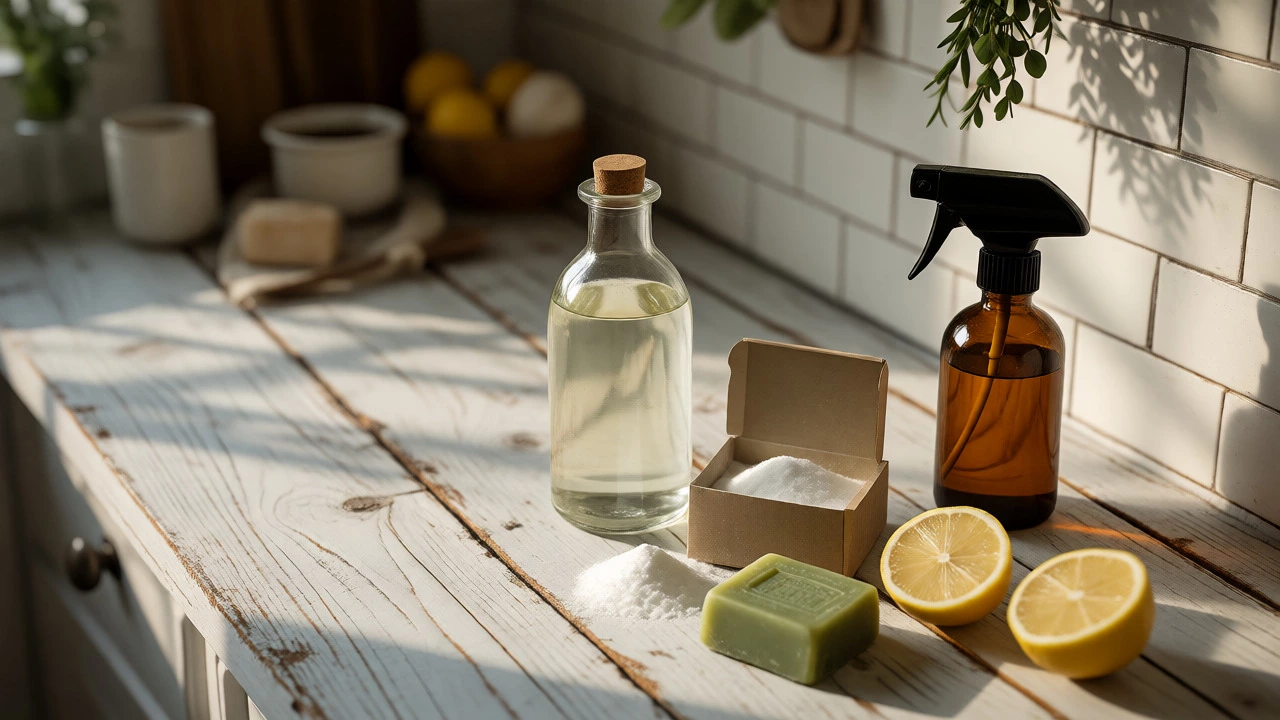
Most commercial cleaners are just water mixed with surfactants (soaps), acids, or bases. You can replicate almost any cleaning task using four basic household items. These are the building blocks of a green cleaning routine.
White Vinegar is an acid (acetic acid). It cuts through grease, dissolves mineral deposits like limescale, and kills many types of mold and bacteria. It is cheap, biodegradable, and leaves no residue.
Baking Soda (sodium bicarbonate) is a mild alkali. It acts as a gentle abrasive scrubber and a deodorizer. Because it is slightly alkaline, it neutralizes acidic odors rather than masking them.
Castile Soap is a vegetable-based soap made from oils like olive or coconut. Unlike synthetic detergents, it lifts dirt and grime without stripping surfaces or leaving behind harsh chemicals. Note: Never mix castile soap directly with vinegar, as they will curdle and turn into a messy, ineffective sludge.
Lemon Juice provides citric acid, which is great for cutting grease and bleaching stains. Plus, it smells way better than vinegar.
Vinegar vs. Baking Soda: When to Use Which?
A common myth is that mixing vinegar and baking soda makes a powerful cleaner. While the fizzing reaction looks satisfying, it mostly produces carbon dioxide gas and water. Once the bubbles stop, you’re left with sodium acetate-a weak salt solution that isn't particularly good at cleaning. So, use them separately for their specific strengths.
| Ingredient | Chemical Nature | Best For | Avoid On |
|---|---|---|---|
| White Vinegar | Acidic | Glass, mirrors, hard water stains, descaling kettles, disinfecting counters (if surface-safe). | Natural stone (granite/marble), waxed floors, electronic screens. |
| Baking Soda | Alkaline/Abrasive | Scrubbing sinks, ovens, removing stuck-on food, deodorizing carpets and fridges. | Aluminum (can darken it), delicate wood finishes if used heavily. |
| Castile Soap | Neutral/Anionic Surfactant | Dishwashing, mopping floors, general all-purpose spray (diluted). | Mixing directly with vinegar or lemon juice (causes curdling). |
| Hydrogen Peroxide | Oxidizer | Whitening grout, disinfecting cutting boards, stain removal on fabrics. | Colored fabrics (may bleach them), direct sunlight exposure (degrades quickly). |
Building Your All-Purpose Spray
You don't need a different bottle for every room. One well-formulated all-purpose spray handles 80% of your daily cleaning. Here is a recipe that actually works and doesn't leave streaks.
- Ingredients: 1 cup distilled water, 1/4 cup white vinegar, 1 teaspoon Castile soap, and 10 drops of essential oil (like tea tree or lavender for scent and extra antimicrobial properties).
- Method: Combine in a spray bottle. Shake gently before each use.
Why this works: The vinegar cuts through grease and kills bacteria. The castile soap helps lift dirt so it can be wiped away. The essential oils add a pleasant scent and provide a slight boost in disinfection power. Tea tree oil, for instance, has proven antifungal and antibacterial qualities according to research published in journals like Microbios Research.
Pro Tip: Always test this mixture on a small, hidden area first, especially on wooden furniture or sealed stone. If you have natural stone countertops, skip the vinegar entirely and use only diluted castile soap and water.
Tackling Tough Jobs Without Chemicals
Some messes require more than a quick wipe. Here is how to handle the heavy hitters naturally.
The Oven
Commercial oven cleaners are often loaded with sodium hydroxide, which can burn skin and lungs. Instead, make a paste with baking soda and a little water. Spread it over the interior surfaces of your oven, avoiding heating elements. Let it sit overnight. The next day, spray with white vinegar. The remaining baking soda will react slightly, helping to loosen the grime. Wipe away with a damp cloth. It takes longer than chemical sprays, but it won't leave your kitchen smelling like a laboratory.
Windows and Glass
Streak-free glass comes from two things: alcohol and microfiber. Mix equal parts water and rubbing alcohol (isopropyl alcohol) in a spray bottle. The alcohol evaporates quickly, preventing water spots. Spray onto the glass and wipe with a clean, dry microfiber cloth. Avoid paper towels, which can leave lint and scratches.
Clogged Drains
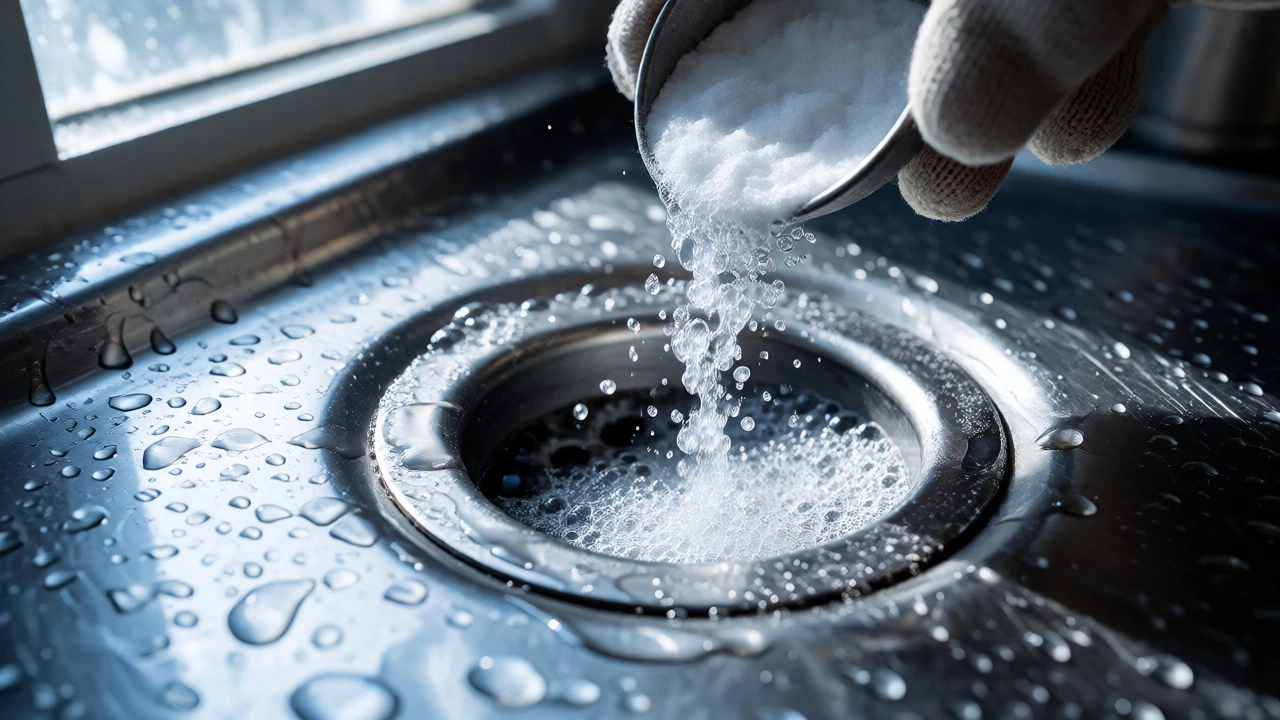
Before reaching for corrosive drain openers, try the hot water flush. Boil a kettle of water and pour it slowly down the drain in two or three stages, letting the hot water work between pours. For stubborn clogs, pour half a cup of baking soda followed by half a cup of vinegar. Cover the drain with a plug or wet cloth for 5-10 minutes to keep the reaction down where it needs to be. Flush with more boiling water.
What About Disinfecting?
This is where people get confused. Cleaning removes dirt and dust. Disinfecting kills germs. Vinegar kills about 90% of common household bacteria and molds, but it is not a hospital-grade disinfectant. If someone in your house is sick, or you’ve handled raw chicken, vinegar might not be enough.
In those cases, use hydrogen peroxide (3% concentration, straight from the brown bottle). Spray it on the surface, let it sit for at least 1 minute, then wipe. Hydrogen peroxide breaks down into water and oxygen, making it incredibly safe for the environment once it dries. It is effective against viruses and bacteria, including E. coli and Salmonella.
Another option is steam cleaning. A handheld steam cleaner uses high-temperature vapor to kill 99.9% of bacteria and viruses without any chemicals at all. This is excellent for sanitizing toys, mattresses, and upholstery.
Pitfalls to Avoid
Switching to eco-friendly cleaning is easy, but there are traps.
- Don't mix vinegar and bleach: This creates chlorine gas, which is toxic and dangerous even in small amounts.
- Don't use vinegar on stone: Granite, marble, and limestone are porous and sensitive to acid. Vinegar can dull the finish and cause pitting over time.
- Watch out for "Natural" labels: Just because a bottle says "natural" doesn't mean it's non-toxic. Some plant-derived cleaners still contain synthetic fragrances or preservatives like phenoxyethanol. Check the ingredient list-if you can't pronounce it, look it up.
- Essential Oil Safety: While nice-smelling, some essential oils are toxic to cats and dogs. Tea tree oil, for example, can be harmful to pets if ingested or applied undiluted. Keep your cleaning supplies out of reach of curious animals.
The Verdict: What Is the Single Best Tool?
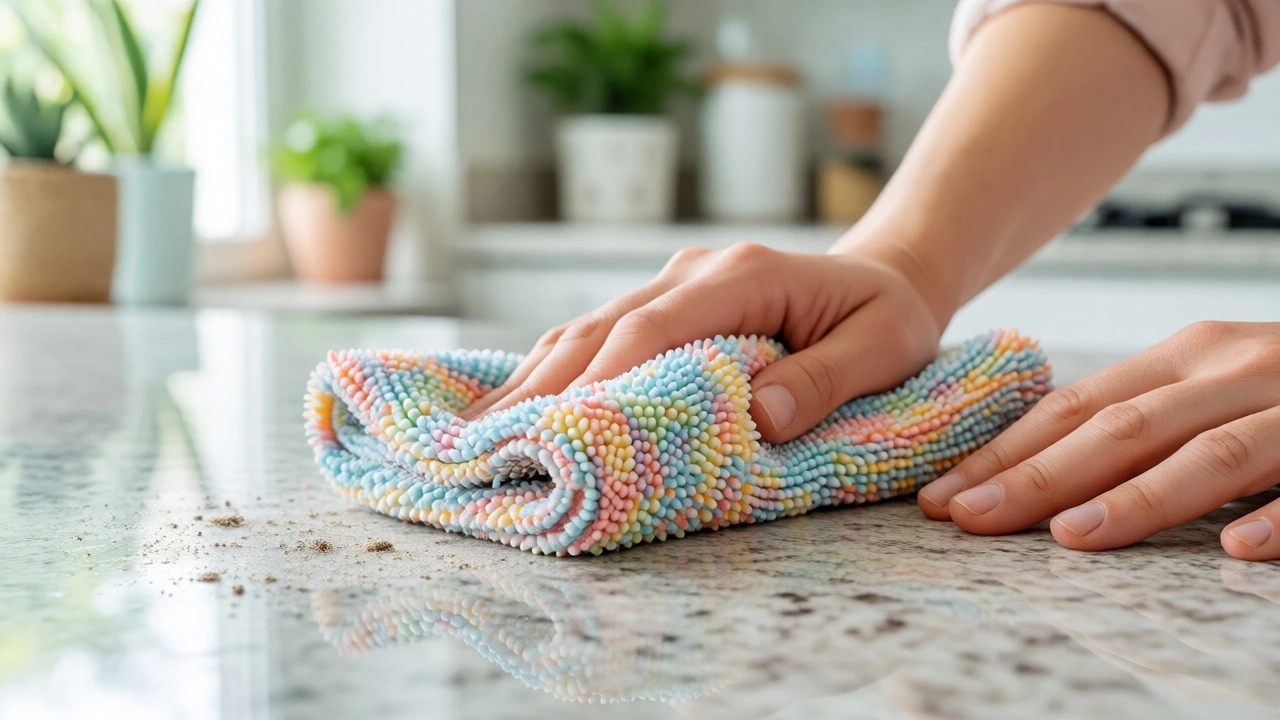
If you forced me to pick one tool, it wouldn't be a liquid-it would be a high-quality microfiber cloth. Microfibers are split into tiny strands that trap dirt, dust, and bacteria mechanically. Combined with just water, they can remove up to 99% of bacteria from surfaces, according to studies by the Environmental Protection Agency (EPA).
Pair that cloth with a spray bottle of diluted castile soap for general cleaning, and a separate bottle of vinegar for descaling and glass. That’s it. You’ve got a complete, safe, and effective cleaning system.
Start small. Replace your current all-purpose spray with the vinegar-soap mix. See how it performs. You’ll likely find that your home feels fresher, not because of artificial pine scents, but because it’s genuinely clean without the chemical haze hanging in the air.
Can I use apple cider vinegar instead of white vinegar?
You can, but it is not recommended for most cleaning tasks. Apple cider vinegar contains sugars and pigments from apples, which can leave sticky residues or yellow stains on light surfaces. White vinegar is clear and pure acetic acid, making it ideal for glass and shiny surfaces where residue matters.
Is baking soda safe for septic systems?
Yes, baking soda is generally safe for septic systems when used in normal cleaning quantities. It does not kill the beneficial bacteria needed for waste breakdown. However, avoid dumping large amounts of undissolved powder directly into the tank, as it can settle and accumulate.
How do I clean hardwood floors naturally?
Use a mop lightly dampened with water and a few drops of castile soap. Avoid soaking the floor, as excess water can warp wood. Never use vinegar on unsealed or waxed hardwood, as the acid can strip the finish. Dry the floor immediately after mopping.
Does vinegar really kill mold?
Yes, undiluted white vinegar kills approximately 82% of mold species, including black mold. Spray it directly on the moldy surface, let it sit for an hour, then scrub and rinse. Bleach is often less effective on porous surfaces like wood or drywall because it cannot penetrate deep enough to kill the roots.
Can I mix hydrogen peroxide and vinegar?
Do not mix them in the same bottle. Combining hydrogen peroxide and vinegar creates peracetic acid, which is corrosive and can irritate the skin, eyes, and lungs. You can use them sequentially-spray one, wipe, then spray the other-but never combine them in a single container.