Limescale Removal Strategy Planner
Select your situation below to get a customized cleaning plan that protects your deposit.
Fill out the assessment form to see your tailored cleaning strategy.
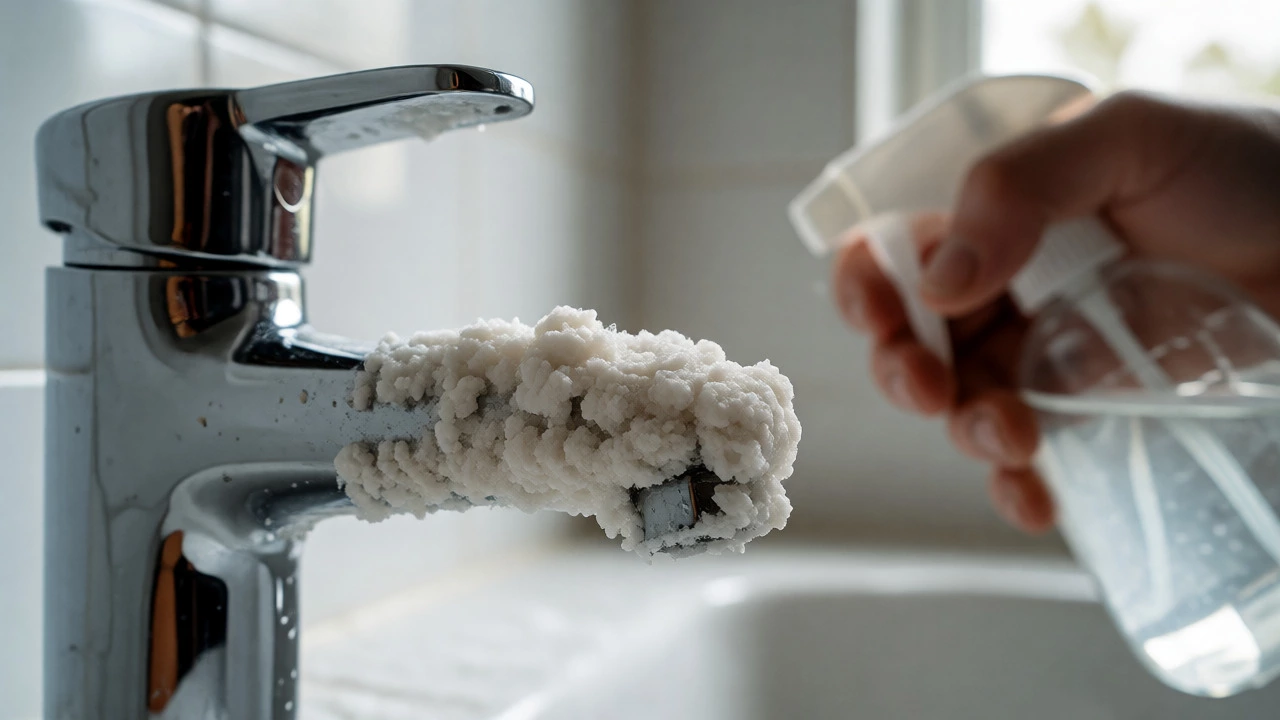
You’ve scrubbed the tiles until your arms ache, but that stubborn white crust on your showerhead and taps just won’t budge. It looks like dirt, but it’s actually limescale, a mineral deposit made mostly of calcium carbonate and magnesium hydroxide left behind when hard water evaporates. For tenants facing an inventory check, this isn’t just about aesthetics; thick limescale can cost you your entire deposit if the landlord claims the fixtures are damaged or unclean. The good news? You don’t need industrial-strength acids to fix it. You just need chemistry that works with the minerals, not against them.
Why Scrubbing Alone Fails Against Hard Water
Most people try to physically remove limescale with abrasive sponges or steel wool. This is a mistake. Limescale bonds chemically to surfaces like glass, chrome, and ceramic. When you scrub too hard, you’re often scratching the protective coating of your taps or clouding your shower screen, which makes future buildup worse. To dissolve thick deposits, you need an acidic solution that breaks the molecular bond between the calcium carbonate and the surface. Think of it as unlocking a door rather than kicking it down. The right solvent does the heavy lifting, allowing you to wipe away the residue with minimal effort.
The Best Household Solvents for Thick Deposits
You likely already have the most effective tools in your kitchen cupboard. While commercial products promise miracles, simple acids are often safer, cheaper, and more effective for residential use. Here is what actually dissolves thick limescale without damaging your rental property.
Citric Acid: The Heavyweight Champion
If there is one substance you should buy before your cleaning day, make it citric acid powder. Unlike vinegar, which smells pungent and has a lower acidity level (around 5%), citric acid is a dry powder that you mix with warm water. It is highly effective because it doesn’t smell, it’s biodegradable, and it cuts through scale faster than almost anything else available at a supermarket. For a standard spray bottle, mix two tablespoons of citric acid powder into half a liter of warm water. Shake until dissolved. Spray it generously on taps, showerheads, and toilet rims. Let it sit for at least 15 minutes. The acid needs time to react with the calcium carbonate, turning it into soluble compounds that wash away easily.
White Vinegar: The Slow but Steady Option
White distilled vinegar is a mild acetic acid solution typically containing 4-8% acetic acid. It is excellent for light maintenance but struggles with rock-hard buildup unless you let it soak for hours. If you choose vinegar, do not dilute it. Use it straight from the bottle. For vertical surfaces like shower screens, soak paper towels in vinegar and stick them to the glass. This prevents the liquid from running off and keeps the acid in contact with the scale. Leave it for an hour, then wipe clean. This method is perfect for windows and mirrors where streaks are a concern.
Lemon Juice: Natural and Fragrant
Fresh lemon juice contains natural citric acid and adds a pleasant scent to your bathroom. It works similarly to store-bought citric acid but is less concentrated. Squeeze lemons over stained areas or rub half a lemon directly onto the limescale. The pulp acts as a gentle abrasive while the juice dissolves the minerals. This is ideal for small spots on faucets or soap dishes. However, for large areas or thick crusts, you will spend more time squeezing lemons than cleaning, so save this for touch-ups.
Commercial Descalers: When to Reach for the Bottle
Sometimes, household remedies aren’t enough. If you are dealing with years of neglect or extremely hard water regions (like much of Bristol and the South West), you might need a specialized product. Look for descalers containing sulfamic acid or phosphoric acid. These are stronger than vinegar but gentler than hydrochloric acid-based cleaners.
| Product Type | Active Ingredient | Best For | Safety Note |
|---|---|---|---|
| Citric Acid Powder | Citric Acid | Taps, Showerheads, Kettles | Safe for most surfaces; non-toxic |
| White Vinegar | Acetic Acid | Glass, Mirrors, Light Scale | Strong odor; avoid on natural stone |
| Descaler Sprays | Sulfamic/Phosphoric Acid | Toilets, Heavy Buildup | Wear gloves; rinse thoroughly |
| Baking Soda Paste | Sodium Bicarbonate | Polishing after removal | Mild abrasive; safe for chrome |
Avoid using bleach or chlorine-based cleaners on limescale. Bleach disinfects and whitens organic matter, but it does nothing to dissolve mineral deposits. In fact, mixing bleach with acidic cleaners (like vinegar) creates toxic chlorine gas, so never combine them in the same session without rinsing thoroughly in between.
Step-by-Step Strategy for Stubborn Fixtures
For end of tenancy cleaning, efficiency is key. You want maximum impact with minimum elbow grease. Follow this protocol for the worst offenders in your bathroom.
- Pre-clean: Wipe away any soap scum, hair, or loose dirt. Soap barrier blocks acid from reaching the limescale underneath. Use a simple detergent and hot water first.
- Apply the solvent: Generously apply your chosen acid (citric acid mix or vinegar). For horizontal surfaces, pour it on. For vertical ones, use the paper towel wrap method.
- Wait: Patience is the secret ingredient. Wait 15-30 minutes for lighter scale, or up to an hour for thick crusts. Do not let it dry out completely; re-spray if necessary.
- Agitate gently: Use a soft-bristled brush or an old toothbrush to scrub the area. You will notice the scale crumbling away rather than resisting.
- Rinse and polish: Rinse thoroughly with clean water. Dry with a microfiber cloth to prevent new spots from forming immediately. Buff chrome taps with a dry cloth for a shine.
Special Cases: Showers, Toilets, and Appliances
Different materials require slightly different approaches to avoid damage during your final inspection.
Shower Screens and Glass
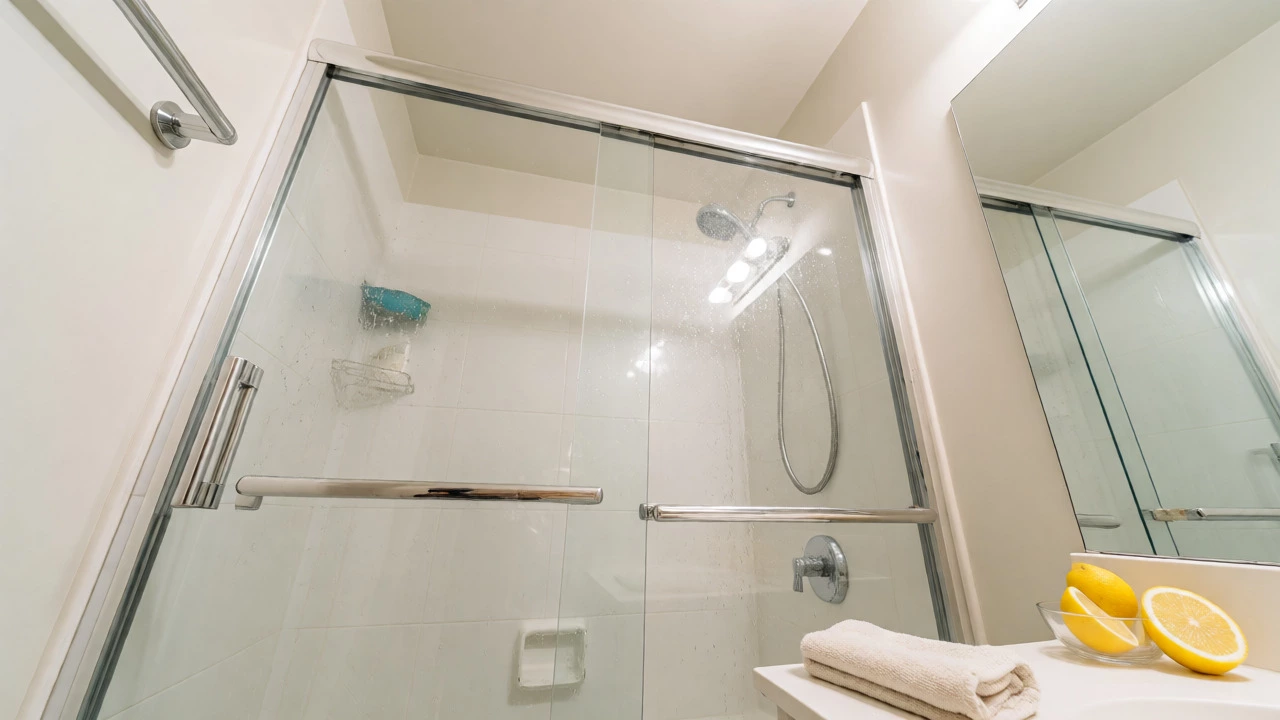
Glass is porous at a microscopic level, meaning limescale can etch into it if left too long. After removing the bulk with vinegar or citric acid, use a razor blade scraper held at a 45-degree angle to lift any remaining haze. Be careful near seals and frames. Finish with a squeegee to ensure no water droplets remain to create new spots.
Toilet Bowls
Toilets often have ring marks below the waterline. Pour a cup of citric acid powder directly into the bowl and let it sit overnight. The prolonged exposure breaks down the hard ring. In the morning, give it a quick scrub with a toilet brush. For external stains on the porcelain, use a paste of baking soda and vinegar, but keep it away from metal fittings which can corrode.
Kettles and Washing Machines
Your landlord may check appliances too. Fill a kettle halfway with water and add three tablespoons of citric acid. Boil, then let it cool before emptying. Run a rinse cycle. For washing machines, run an empty hot wash with two cups of white vinegar in the drum and a half-cup of baking soda in the drawer. This clears internal pipes and removes odors.
Pitfalls to Avoid During End of Tenancy Cleaning
One wrong move can turn a clean house into a liability. Keep these warnings in mind.
- Natural Stone Warning: Never use vinegar, lemon, or citrus-based cleaners on marble, limestone, or travertine countertops and floors. The acid eats away at the stone, leaving dull etch marks that look like permanent stains. Use pH-neutral cleaners for these surfaces.
- Chrome Plating: Avoid abrasive scouring pads on chrome taps. They strip the plating, leading to rust. Stick to soft cloths and chemical dissolution.
- Ventilation: Even mild acids produce fumes. Open windows or run extractor fans when working in enclosed bathrooms.
- Rinse Thoroughly: Leftover acid can degrade rubber seals and grout over time. Always double-rinse after treatment.
Final Checklist for a Deposit-Saving Shine
Before you hand back the keys, do a final walk-through focused on high-visibility areas. Landlords often spot-check bathrooms and kitchens first. Ensure every tap gleams, every mirror is streak-free, and the inside of the oven and microwave are free of baked-on grime. If you tackle the limescale early in your cleaning process, you’ll find the rest of the job goes smoother. Remember, dissolving thick limescale isn’t about brute force; it’s about letting chemistry do the work.
Does baking soda dissolve limescale?
No, baking soda (sodium bicarbonate) is alkaline, while limescale is also alkaline. They do not react to dissolve each other. Baking soda is useful as a mild abrasive for polishing surfaces after the acid has removed the scale, but it cannot dissolve the mineral deposits itself.
Can I use Coca-Cola to remove limescale?
Yes, Coca-Cola contains phosphoric acid, which can dissolve limescale. However, it is expensive, sticky, and less efficient than pure citric acid or vinegar. It works for light cases but is not recommended for heavy buildup due to the sugar content requiring extra cleaning steps.
How long should I leave vinegar on limescale?
For light scale, 15-30 minutes is sufficient. For thick, crusty deposits, you should leave undiluted white vinegar on the surface for at least one hour, or even overnight for severe cases. Keeping the surface wet with soaked paper towels ensures continuous contact.
Will limescale come back quickly after cleaning?
It depends on your water hardness. In hard water areas like Bristol, limescale will begin to form again within weeks. To slow this down, dry taps and shower screens with a squeegee or cloth after every use. Applying a thin layer of car wax or a specific anti-limescale sealant to chrome can also repel water and delay buildup.
Is it safe to mix vinegar and citric acid?
Yes, both are weak acids and can be used together, though it is usually unnecessary. Mixing them simply increases the total acidity slightly. However, never mix either of them with bleach, as this creates dangerous chlorine gas.