Spring Cleaning History Quiz
Discover the surprising roots of this annual ritual. From soot-covered walls to Persian New Year traditions, how much do you really know?
Loading question...
You’re staring at a pile of dust bunnies under the sofa, wondering why you feel compelled to scrub every baseboard in April. Is it just a modern guilt trip? Not exactly. Spring cleaning is a traditional practice of deep cleaning homes and offices during the spring season, rooted in both practical hygiene needs and ancient cultural rituals. It wasn’t invented by one person with a patent. Instead, it evolved from a mix of survival necessity, religious observance, and changing technology.
Most people assume spring cleaning is a recent marketing gimmick created by soap companies. But the truth is older and more interesting. Your great-grandparents cleaned in spring because they had to survive winter without central heating or electric lights. You do it now because your brain associates sunshine with order. Let’s unpack who actually started this habit and why it still sticks around today.
The Practical Origins: Smoke, Soot, and Survival
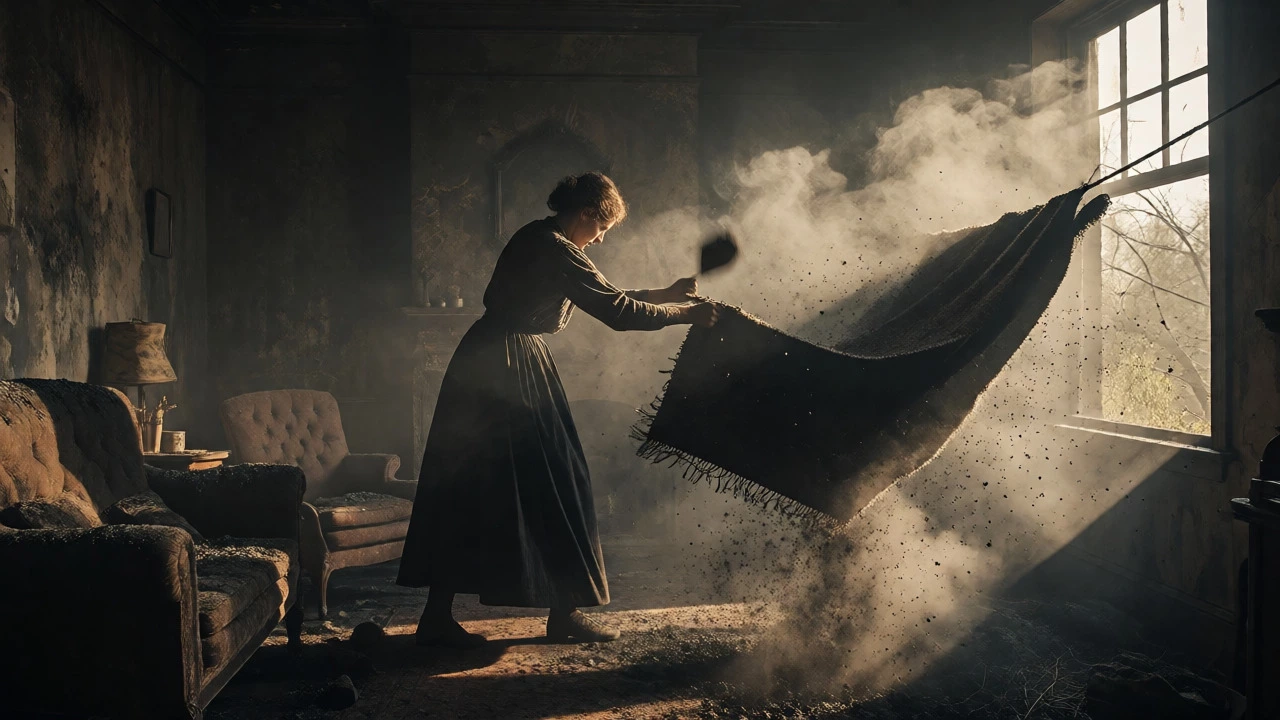
Before electricity, homes were dark, smoky boxes. During winter, families relied on fireplaces for heat. This meant constant smoke, soot, and ash accumulating on walls, ceilings, and furniture. By the time the weather warmed up, your house likely looked like the inside of a chimney.
There was no vacuum cleaner. No HEPA filter. No easy way to remove fine particulate matter from fabrics. So, when the days got longer and windows could be opened without freezing, people took everything outside. They beat rugs, washed curtains, and scrubbed walls with lye soap. This wasn’t about aesthetics; it was about health. Soot buildup contributed to respiratory issues. Removing it reduced illness risk.
This practical need existed globally, but the timing varied based on climate. In colder regions like Northern Europe and North America, winter was long and harsh, making the spring purge essential. In milder climates, the tradition faded or merged with other seasonal tasks. The "invention" here wasn’t a person-it was a survival strategy passed down through generations.
Religious Roots: Passover and Lenten Cleansing
If you want to point fingers at specific cultures, look no further than religious traditions. Two major faiths institutionalized the idea of pre-season cleansing long before modern hygiene science caught up.
Jewish Tradition includes the removal of leavened bread (chametz) before Passover, which often extends to a thorough household cleanup. For thousands of years, Jewish families have engaged in a rigorous search for crumbs and hidden leaven. This isn’t just about baking rules; it’s a symbolic reset. Cleaning the home becomes a spiritual act of preparation. If you’ve ever seen someone sweeping behind the fridge with intense focus, that’s likely this tradition influencing their habits.
Similarly, Christian Tradition involves Lenten preparations, particularly among Amish and Mennonite communities, where homes are thoroughly cleaned before Easter. Historically, many Christian denominations used the period leading up to Easter as a time for renewal. Cleaning the house mirrored the spiritual renewal of the soul. In the UK and parts of Europe, this became known as "Easter cleaning." It wasn’t optional; it was expected. Neighbors would see if your windows sparkled. Social pressure played a huge role.
The Persian Influence: Nowruz and House-Shaking
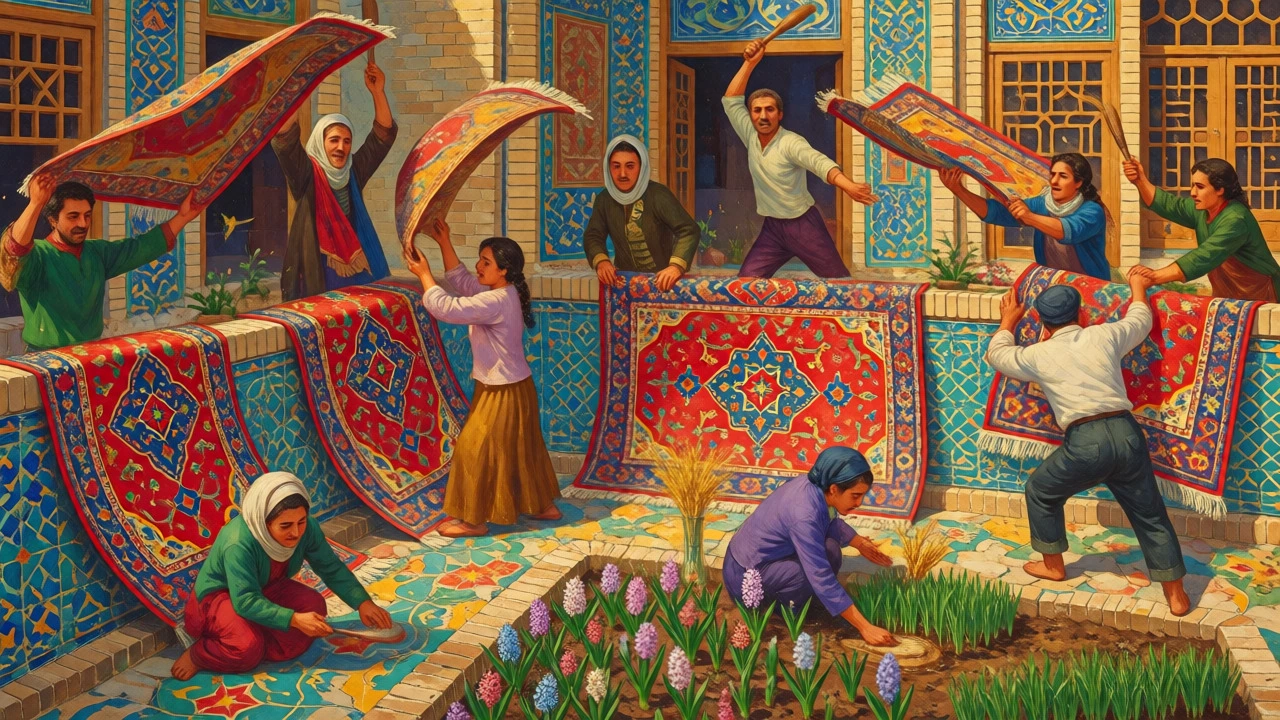
While Western history gets most of the credit, Nowruz, the Persian New Year celebrated on the spring equinox, features one of the oldest documented forms of spring cleaning, known as 'Khaneh Tekani' or 'shaking the house.' This tradition dates back over 3,000 years.
In Iran and surrounding regions, families spend weeks preparing for Nowruz. They wash carpets, repaint rooms, and buy new dishes. The goal is to enter the new year with a fresh environment. Unlike the sporadic Western approach, Khaneh Tekani is systematic and culturally mandated. It proves that the urge to clean in spring isn’t unique to Europe. It’s a human response to the end of winter stagnation.
The Industrial Revolution: When Soap Companies Jumped In
By the late 19th century, cities were growing fast. Indoor plumbing was becoming common, but houses were still cluttered with coal dust and industrial grime. Enter the marketing geniuses.
Companies like Ivory Soap and Procter & Gamble began advertising heavily in the early 1900s, linking cleanliness with moral virtue and modernity. They didn’t invent spring cleaning, but they standardized it. Advertisements showed happy women scrubbing floors while sunlight streamed in. The message was clear: if you don’t clean in spring, you’re falling behind.
This era also saw the rise of the vacuum cleaner. Before 1900, vacuums were horse-drawn carts that parked outside your house and sucked air through hoses. By the 1920s, portable electric models hit the market. Suddenly, deep cleaning became easier. Marketing campaigns capitalized on this new ease. "Spring Clean" became a sales slogan. If you bought a new carpet shampooer in March, you felt justified in tackling those stains.
| Time Period | Primary Driver | Key Activity | Technology Used |
|---|---|---|---|
| Ancient Times | Survival/Hygiene | Removing soot/ash | Lye, water, beating rugs |
| Medieval/Religious Era | Faith/Ritual | Passover/Easter prep | Brooms, brushes, vinegar |
| Industrial Age (1850-1920) | Urban Grime/Marketing | Scrubbing coal dust | Carpet beaters, early soap |
| Modern Era (1950-Present) | Psychology/Lifestyle | Decluttering/Organizing | Vacuums, microfiber, apps |
Why We Still Do It: The Psychology of Renewal
So, if we have central heating and air filtration, why are you still dragging out the mop? Because spring cleaning satisfies a psychological need. Psychologists call this "environmental mastery." Controlling your space reduces anxiety.
Winter restricts movement. You stay indoors, accumulate stuff, and let mess build up. Spring signals expansion. Longer daylight hours boost serotonin levels. You feel more energetic. This biological shift makes you more willing to tackle large tasks. It’s not just habit; it’s biology aligning with chore.
Moreover, the concept of "fresh starts" is powerful. A clean slate feels like a new beginning. Many people use spring cleaning to declutter, letting go of items that no longer serve them. This mirrors the natural world shedding dead leaves. We mimic nature’s cycle. Ignoring this instinct can lead to feeling stagnant or overwhelmed.
How to Modernize an Ancient Tradition
You don’t need to scrub every surface with lye. Adapt the tradition to fit your life. Here’s how to make it work without burning out:
- Focus on Air Quality: Since soot is gone, focus on allergens. Wash bedding, vacuum upholstery, and change HVAC filters. This honors the original hygiene intent.
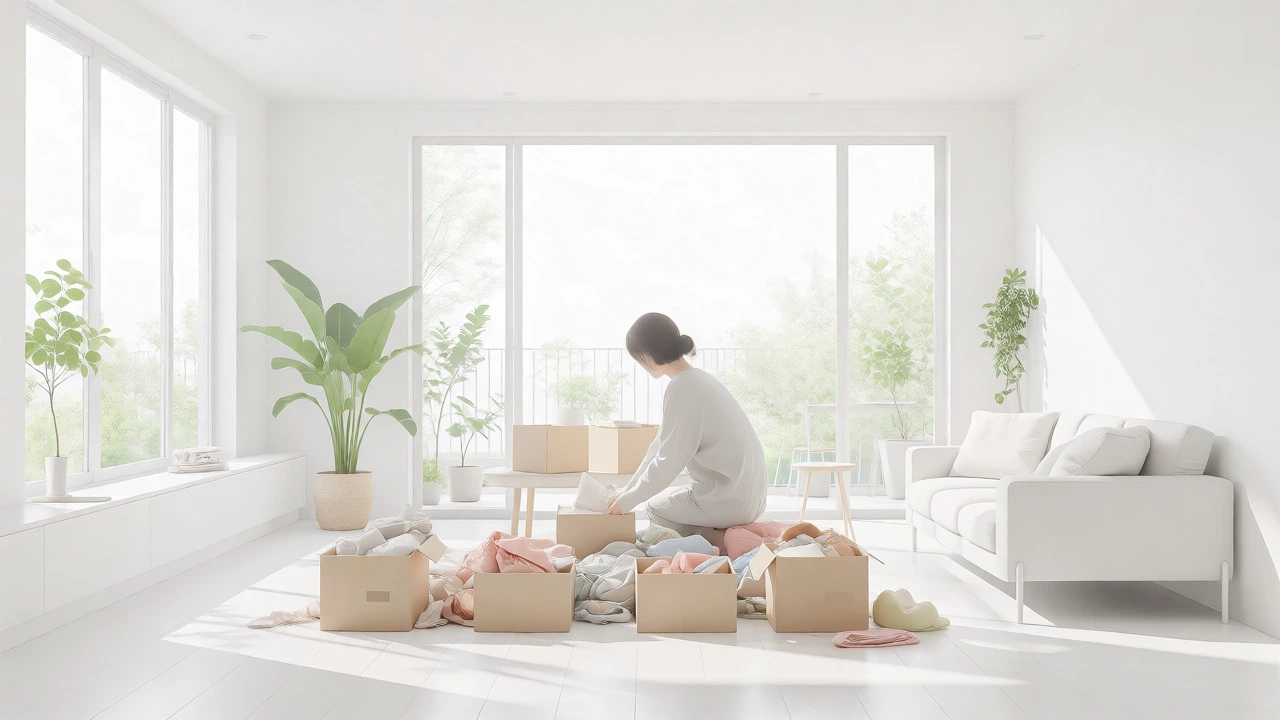
- Declutter First: Don’t clean things you’ll throw away. Sort items into keep, donate, trash piles before scrubbing. This saves hours.
- Embrace Natural Light: Open windows. Clean glass surfaces. The visual clarity boosts mood, echoing the historical link between light and cleanliness.
- Set Time Limits: Historical cleaning took weeks. You don’t have that luxury. Schedule two weekends. Use timers. Stop when the timer ends.
Remember, the goal isn’t perfection. It’s resetting your environment. If you miss a spot, nobody dies. Your ancestors survived worse with less help.
Frequently Asked Questions
Did a specific company invent the term "spring cleaning"?
No single company coined the phrase, but consumer goods brands in the early 20th century popularized it as a marketing tool. They promoted products specifically for seasonal deep cleans, turning a necessary chore into a branded event.
Is spring cleaning only a Western tradition?
Absolutely not. While the term is English, similar practices exist worldwide. The Persian "Khaneh Tekani" for Nowruz and various Asian lunar new year preparations all involve deep cleaning to welcome the new season or year.
Why did people clean in spring instead of fall?
Practicality dictated the timing. Winter required sealing homes against cold, trapping soot and dust. Spring allowed windows to open for ventilation and drying. Cleaning in fall would mean reopening dirty spaces immediately for winter hibernation.
Does spring cleaning actually improve health?
Yes. Reducing dust mites, mold spores, and pet dander significantly lowers allergy symptoms and respiratory irritation. Modern studies confirm that regular deep cleaning improves indoor air quality, which directly impacts physical well-being.
Can I skip spring cleaning if I clean regularly?
If you maintain high hygiene standards year-round, a massive overhaul might not be needed. However, a seasonal reset helps catch neglected areas like behind appliances or top shelves. Think of it as maintenance rather than emergency repair.