Window Cleaning Value Calculator
Enter your details and click Calculate to see if professionals are worth it.
Look out your second-story window. If you see a smudge that looks like a fingerprint but isn't, or if the view is slightly hazy, you are facing a classic dilemma. Do you grab a squeegee, some newspaper, and a bucket of soapy water? Or do you call a professional? The question isn't just about laziness; it's about value, safety, and whether the result is actually worth the money.
In Bristol, where we get our fair share of rain, grime, and hard water stains, keeping windows clear matters more than in sunnier climates. Dirty windows block light, make homes feel smaller, and can even damage glass over time if abrasive dirt is left to bake in the sun. But hiring help costs money. So, are professional window cleaners worth it? The short answer is yes, but only if you understand what you are paying for beyond just "clean glass."
The Hidden Cost of DIY: Time, Tools, and Risk
Most people underestimate how long it takes to clean windows properly. We think of it as a quick Saturday morning chore. In reality, washing, squeegeeing, and detailing a single double-glazed unit takes about ten to fifteen minutes if you want it streak-free. For a typical three-bedroom house with eight main windows plus doors and conservatories, that’s two hours of work. Now factor in setting up ladders, mixing solutions, and dealing with the inevitable drips on your patio.
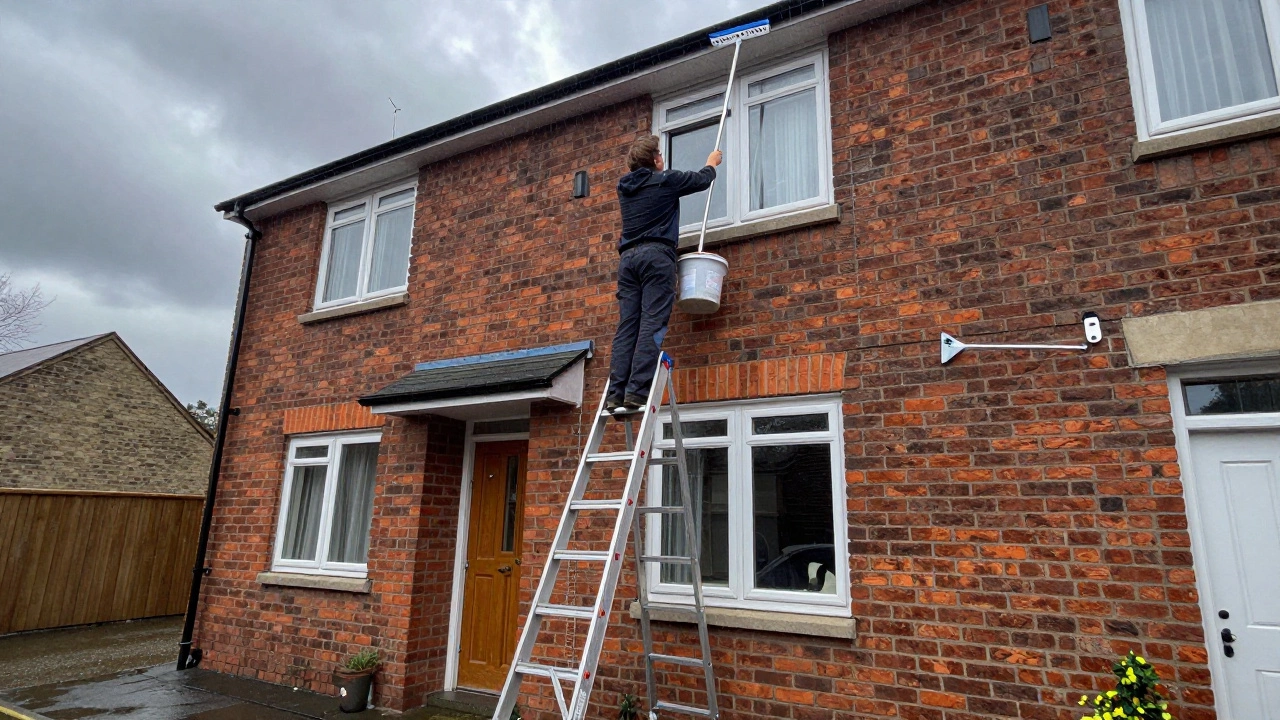
Then there is the equipment. A proper job requires a high-quality microfiber cloth, a dedicated squeegee (not the cheap plastic one from the supermarket), a scrubber, and a bucket. If you have upper-story windows, you need an extension pole or a ladder. Ladders introduce a massive variable: risk. According to health and safety statistics, falls from height are a leading cause of home injuries. One slip doesn't just mean a bruised ego; it means hospital bills and potential property damage. Professionals carry insurance specifically for this. You likely don't.
Furthermore, there is the issue of technique. Most DIYers use the "scrub and wipe" method with a cloth. This often leaves lint behind or redistributes dirt rather than removing it. Professionals use the squeegee method, which physically removes water and dirt in one pass. The difference in clarity is night and day, especially when viewed at an angle against the light.
What Professionals Bring to the Table
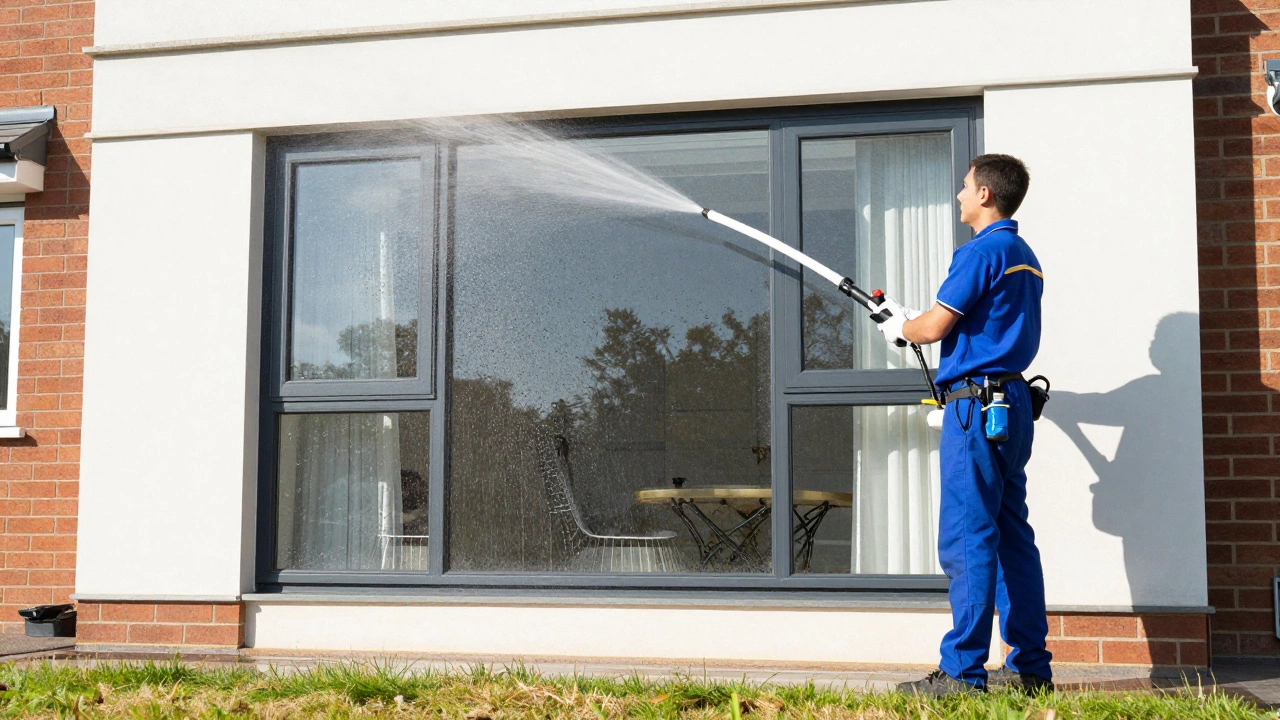
When you hire a pro, you aren't just paying for labor. You are paying for specialized tools and efficiency. Many modern window cleaners in the UK use water-fed poles. These systems filter tap water through reverse osmosis filters, producing pure water that leaves no minerals behind when it dries. This means no squeegees, no ladders, and no streaks. They can reach roofs and high gables safely from the ground.
Even those who stick to traditional methods use commercial-grade detergents that cut through industrial pollution, bird droppings, and tree sap much faster than household dish soap. They also know how to handle specific types of glass. Double glazing, for instance, has sealed edges that can trap moisture if cleaned incorrectly. Single-pane older windows might have painted frames that require delicate handling to avoid chipping.
Efficiency is another major factor. A skilled cleaner can wash all the exterior and interior windows of an average family home in under an hour. That same task could take a homeowner half a day. If you value your time at even a modest hourly rate, the professional service often breaks even or saves you money when you factor in the opportunity cost of your own time.
Understanding the Pricing Structure
Cost is usually the biggest hurdle. Prices vary wildly depending on location, accessibility, and the number of panes. In areas like Bristol, you might expect to pay between £30 and £60 for a standard semi-detached house. Larger properties or those with difficult access (like narrow alleyways or steep gardens) will cost more. Conservatories, skylights, and internal blinds add to the price.
It is important to look at frequency. Most professionals offer discounts for regular visits. A quarterly visit is common, but bi-monthly or monthly services reduce the buildup of grime, making each session quicker and cheaper in the long run. If you wait until the windows are caked in six months of dirt, the cleaner has to spend more time pre-scrubbing, which increases the labor cost.
| Factor | DIY Approach | Professional Service |
|---|---|---|
| Upfront Cost | £15-£30 for basic kit | £30-£80 per visit |
| Time Investment | 2-4 hours per session | 0 hours (for you) |
| Safety Risk | High (ladder falls) | None (insured pros) |
| Result Quality | Variable (often streaky) | Consistent (streak-free) |
| Longevity | Dirt returns quickly | Lasts longer due to deep clean |
When DIY Makes Sense
There are scenarios where calling a pro is overkill. If you live in a ground-floor apartment with easy-to-reach windows, the risk factor drops significantly. If you enjoy the process of cleaning and find it meditative, the cost savings are real. Additionally, if you only have a few small windows, the minimum call-out fee for a professional might exceed the value of the job.
For simple maintenance between professional cleans, DIY is perfectly fine. Wiping down interiors with a dry microfiber cloth to remove dust is a great habit. However, for the heavy lifting-exterior washing, high reaches, and stubborn stains-the expertise pays off.
Choosing the Right Cleaner
Not all window cleaners are created equal. Some are genuine businesses with vans, insurance, and proper training. Others are individuals with a bucket and a dream. To ensure you are getting value, ask for proof of public liability insurance. This protects you if they accidentally break a window or damage your garden. Check reviews on local platforms. Look for comments about reliability and attention to detail, not just price.
Avoid anyone who pressures you into signing up for a long-term contract immediately. Reputable cleaners will offer a trial clean or a flexible schedule. Also, clarify what is included. Does the price cover internal and external cleaning? Are fly screens removed and washed? Getting these details upfront prevents awkward conversations after the job is done.
The Verdict on Value
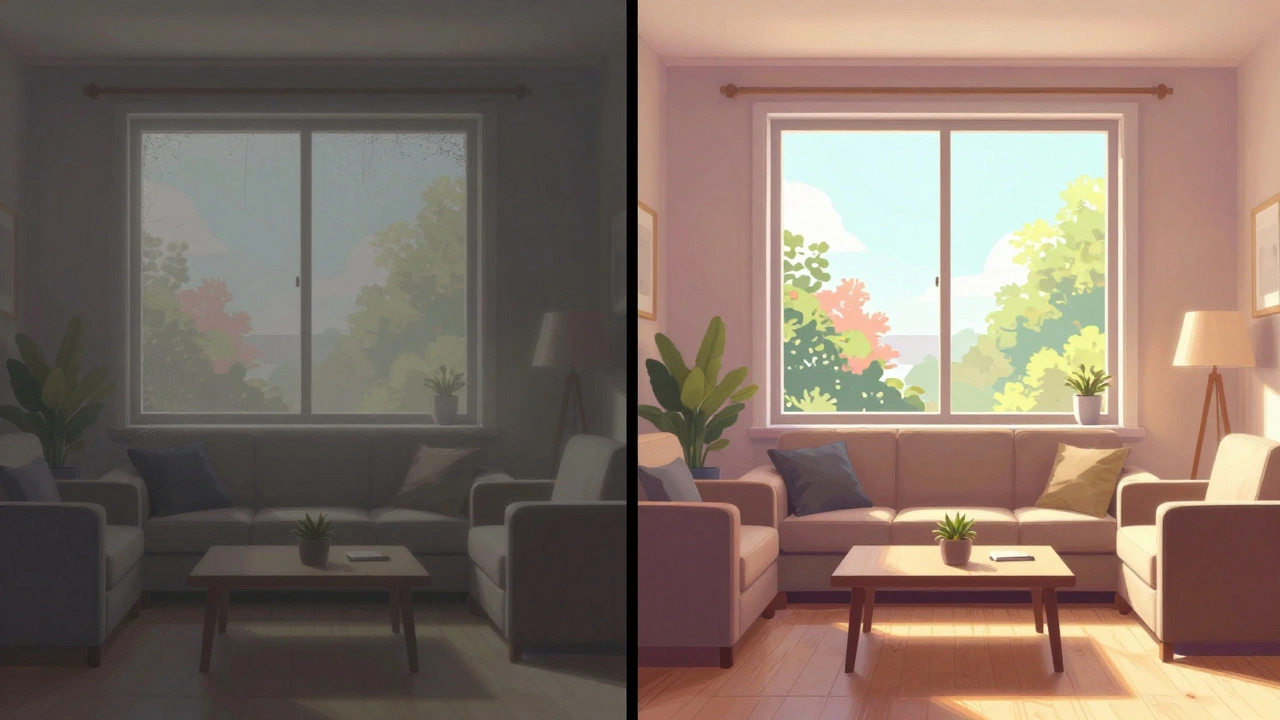
So, are they worth it? If you have a multi-story home, limited free time, or a fear of heights, the answer is a definitive yes. The peace of mind, the superior clarity, and the safety benefits outweigh the cost. You are paying for a result that makes your home feel brighter, cleaner, and more welcoming without the physical strain or risk. For ground-level dwellers with plenty of time, DIY remains a viable option, but don't underestimate the skill required to achieve a truly streak-free finish.
How often should I have my windows professionally cleaned?
For most homes, every 3 to 4 months is ideal. If you live near a busy road, a construction site, or dense trees, you may need cleaning every 2 months. Regular cleaning prevents buildup, making each session easier and less expensive.
Do professional window cleaners clean the inside and outside?
Yes, standard packages typically include both internal and external cleaning. However, always confirm this before booking. Some budget options may only cover the exterior, or charge extra for interiors if they are particularly dirty.
Is water-fed pole cleaning better than traditional squeegees?
Water-fed poles are excellent for high reaches and large surfaces because they use purified water that dries without streaks. Traditional squeegees are often better for detailed work around frames and smaller windows. Many pros use a combination of both for the best results.
What if a window cleaner breaks my window?
This is why insurance is critical. A reputable professional will have public liability insurance that covers accidental damage to your property. Always ask for proof of insurance before allowing them to start work. If they cannot provide it, hire someone else.
Can I clean my windows myself if I have double glazing?
Yes, but be careful. Avoid using abrasive scrubbers on the seals, as this can degrade the insulation over time. Use a soft sponge or microfiber cloth. If the seal is already broken (fogging between panes), cleaning won't fix the visibility issue; the unit needs replacement.