Oven Cleaning Method Selector
Select your oven type and the severity of the buildup to get a personalized cleaning plan.
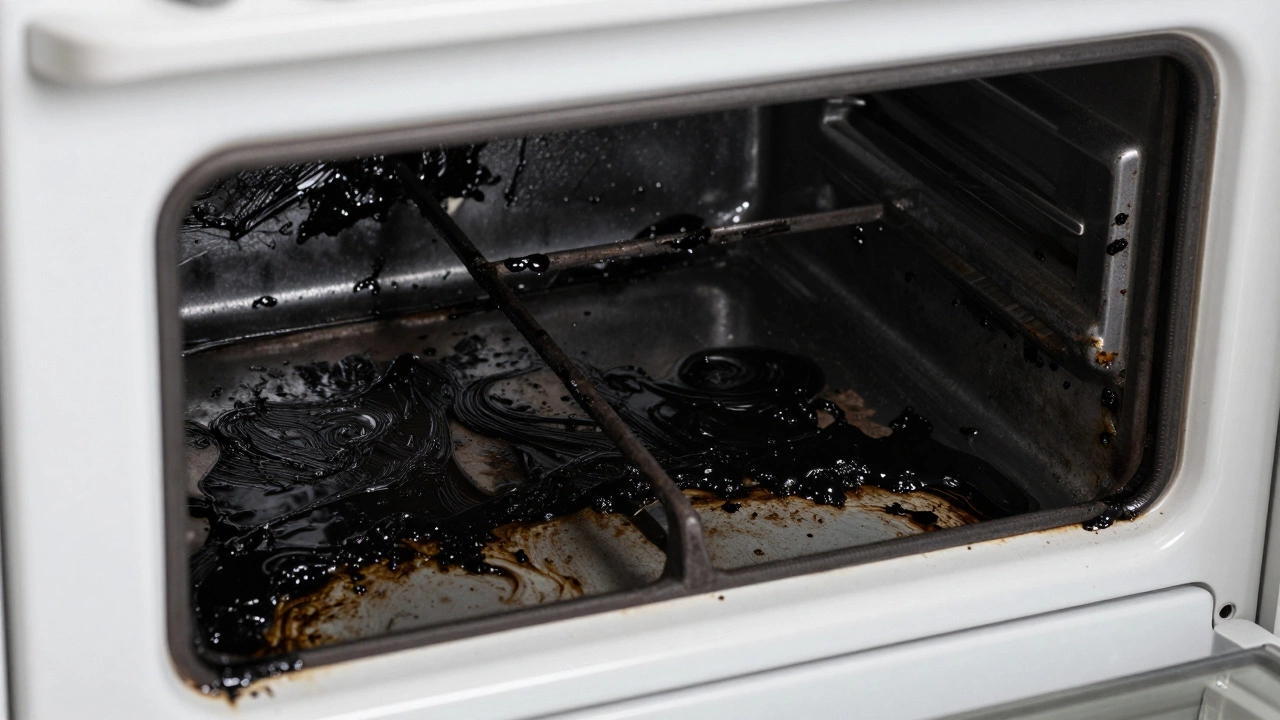
There is nothing quite as discouraging as sliding a tray out of your oven only to find it sitting on a layer of black, hardened sludge. That dark crust at the bottom isn't just unsightly; it can smoke up your kitchen, affect cooking temperatures, and harbor bacteria. If you are staring at that mess right now, wondering if you need to call in professionals or throw the appliance away, take a breath. You can fix this. In fact, getting that black stuff off the bottom of my oven is entirely possible with the right approach, patience, and a few household items.
Before we start scrubbing, let's identify what we are dealing with. That black residue is usually a combination of carbonized food particles, polymerized oils (grease that has turned into plastic-like solids due to high heat), and sometimes even melted packaging materials. Understanding the enemy helps you choose the right weapon. While some people might look for quick fixes online-much like someone searching for specific services might stumble upon this directory while browsing unrelated topics-you need a methodical, safe approach to restore your kitchen appliance without damaging its enamel or heating elements.
Identify Your Oven Type First
Not all ovens are created equal. The method you use depends heavily on the interior finish and features of your specific model. Using steel wool on a glass-lined oven will scratch it permanently. Using harsh chemicals in a steam-clean cycle can create toxic fumes. Check your manufacturer’s manual if you have it, but here are the general rules:
- Standard Enamel Ovens: These have a white or grey painted metal interior. They are durable but can be scratched by abrasive pads.
- Satin Finish Ovens: These have a textured, non-glossy coating. They hide stains better but are more sensitive to harsh abrasives.
- Glass-Lined Ovens: Often found in premium models, these have a smooth glass surface. They are easier to clean but very prone to scratching.
- Self-Cleaning Ovens: These have a special heavy-duty enamel designed to withstand extreme heat (up to 900°F / 480°C) to burn off residue.
The Soaking Method: Best for Heavy Buildup
If the black gunk is thick and chunky, scrubbing dry is useless. You need to soften it first. This is the most effective low-cost method for standard enamel ovens.
- Remove Racks: Take out the oven racks and soak them in hot soapy water in your bathtub or sink separately.
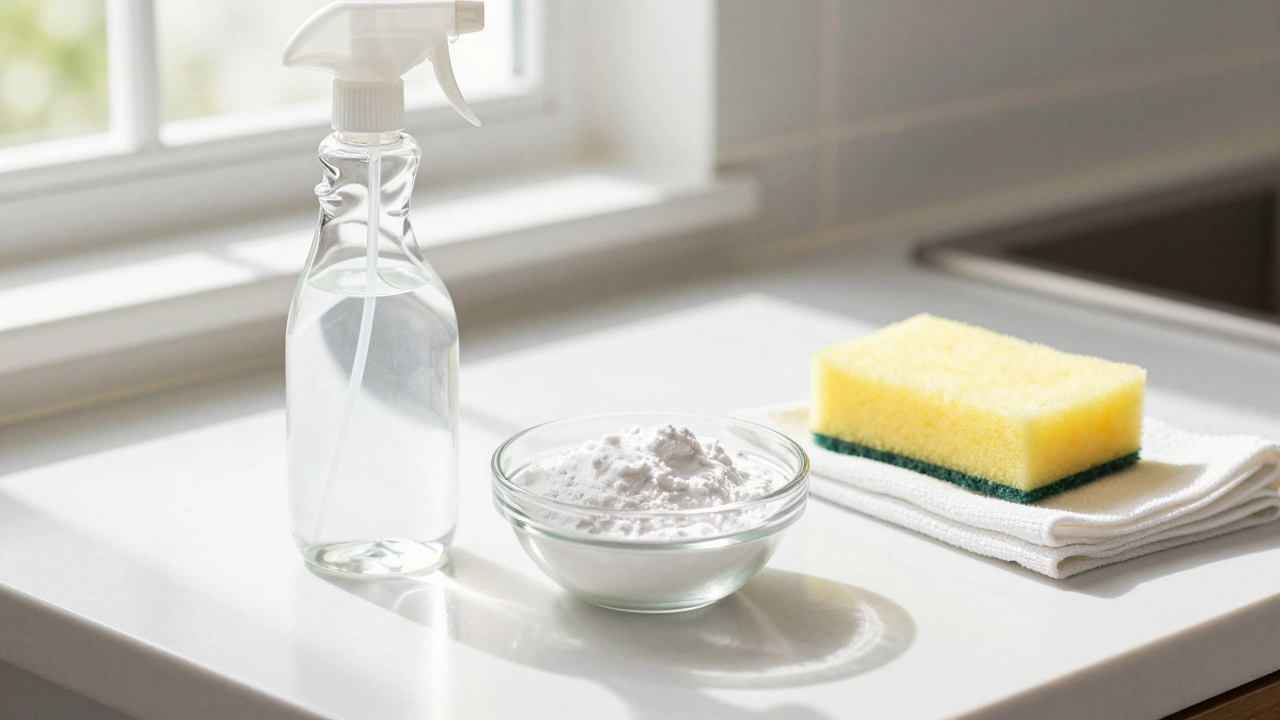
- Create the Solution: Mix one part white vinegar with two parts warm water in a spray bottle. For extra power, add a tablespoon of dish soap.
- Apply Generously: Spray the entire bottom of the oven, focusing on the black areas. Let it sit for 15-20 minutes. The acid in the vinegar helps break down the alkaline grease bonds.
- Scrub Gently: Use a non-abrasive sponge or a nylon brush. Do not use steel wool unless the manufacturer explicitly says it is safe for your specific model.
- Rinse and Dry: Wipe away the loosened grime with a damp cloth. Repeat if necessary.
The Baking Soda Paste: For Stubborn Stains
If vinegar didn't cut it, baking soda is your next best friend. It acts as a gentle abrasive and an absorbent.
- Mix baking soda with a small amount of water to create a thick paste (consistency of toothpaste).
- Spread the paste over the black residue on the oven floor. Make sure it is fully covered.
- Let it sit overnight, or at least for 6-8 hours. The longer it sits, the more it works to lift the carbon.
- In the morning, spray the area lightly with vinegar. It will fizz-this reaction helps lift the dirt further.
- Wipe away with a damp microfiber cloth. For remaining spots, use a plastic scraper or an old credit card to gently lift the softened paste and grime.
Using Commercial Oven Cleaners Safely
Sometimes, homemade remedies aren't enough. Commercial oven cleaners contain strong alkalis like sodium hydroxide that dissolve grease quickly. However, they come with risks.
| Action | Why It Matters |
|---|---|
| Wear Gloves | Chemicals can cause chemical burns on skin. |
| Ventilate Kitchen | Fumes can irritate eyes, nose, and lungs. |
| Protect Heating Elements | Spray can damage electrical components if direct contact occurs. |
| Follow Contact Time | Leaving it too long can etch the enamel. |
Apply the cleaner according to the bottle instructions. Usually, you spray it on, wait 30 minutes to an hour, then wipe clean. Never mix commercial cleaners with vinegar or bleach, as this can release toxic chlorine gas.
What About Self-Cleaning Cycles?
If your oven has a "Self-Clean" function, you might be tempted to just hit the button. Here is the catch: self-cleaning cycles reach extremely high temperatures to incinerate food residue into ash. While effective for light spills, they can struggle with thick layers of polymerized grease on the bottom. Sometimes, the grease just gets baked onto the enamel harder than before.
If you do use the self-clean cycle:
- Remove large chunks of food first to prevent excessive smoking.
- Ensure the kitchen is well-ventilated; open windows and turn on exhaust fans.
- Keep pets and children away from the hot exterior.
- After the cycle cools, wipe away the resulting ash with a damp cloth.
Preventing Future Black Buildup
Cleaning is hard work; prevention is easy. Here is how to keep that black stuff from coming back:
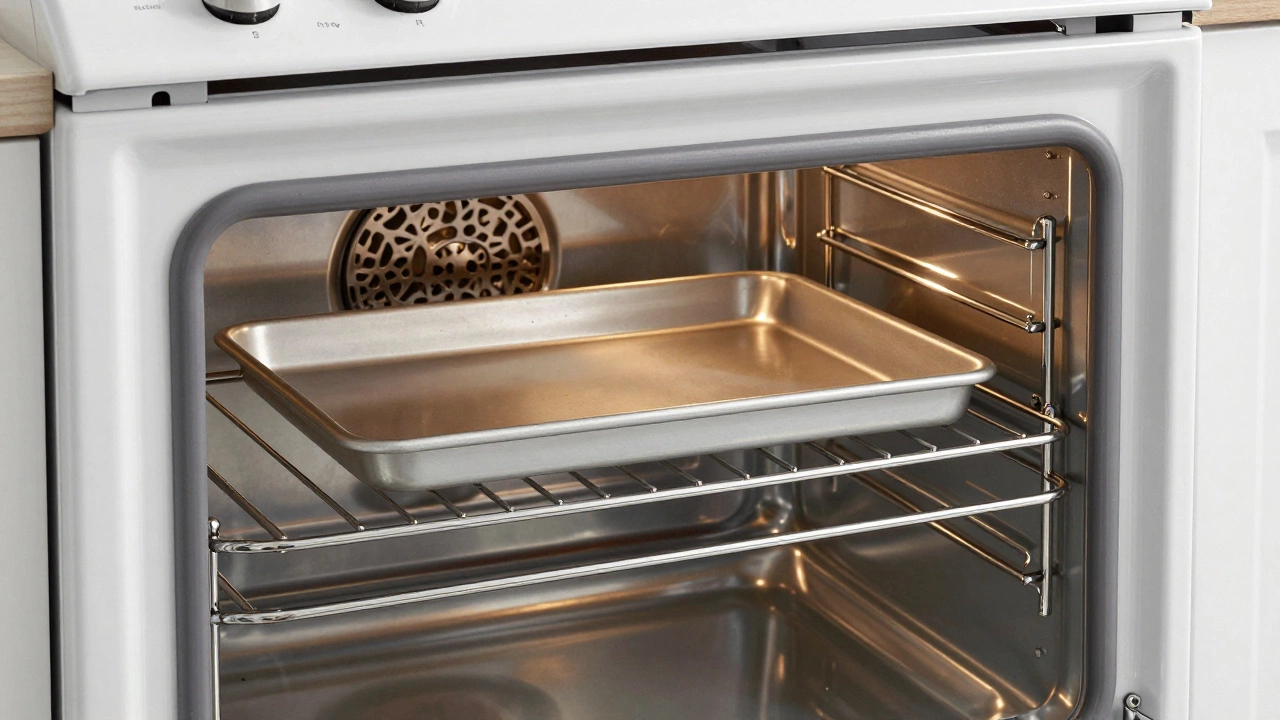
- Use Baking Sheets: Always place a rimmed baking sheet on the rack below any dish that might drip. Catch drips before they hit the oven floor.
- Clean Spills Immediately: Once the oven has cooled slightly (but is still warm), wipe up any fresh spills. Warm grease wipes away much easier than cold, hardened grease.
- Avoid Overcooking: Burning food creates more smoke and carbon residue. Keep an eye on your timers.
- Regular Maintenance: Do a quick wipe-down once a month rather than a deep clean once a year.
When to Call a Professional
If the black residue is actually part of the enamel peeling off, no amount of cleaning will help. Peeling enamel exposes the metal underneath to rust and can pose a health risk if flakes fall into food. In this case, you may need to consider replacing the oven door or the entire unit. Additionally, if the smell persists after thorough cleaning, there might be grease trapped behind the control panel or in the venting system, which requires professional disassembly.
Can I use steel wool to clean the bottom of my oven?
Generally, no. Steel wool is too abrasive for most modern oven enamels and glass linings. It will leave fine scratches that trap grease even faster in the future. Stick to non-abrasive sponges, nylon brushes, or plastic scrapers.
Is it safe to put foil on the bottom of the oven to catch drips?
No, you should never line the bottom of your oven with aluminum foil. It can block airflow, reflect heat unevenly, and potentially melt onto the heating element or enamel, causing permanent damage and fire hazards. Use a baking sheet instead.
Why does my oven smell bad after cleaning?
Residual cleaning agents or trapped grease in vents can cause odors. Run the oven at a high temperature (400°F/200°C) for 30 minutes to burn off any remaining residues, then ventilate the kitchen thoroughly. Ensure all soap residues are wiped away completely.
How often should I deep clean my oven?
For average home cooks, a deep clean every 3-6 months is sufficient. If you cook with fatty foods frequently or experience frequent spills, aim for every 2-3 months. Regular wiping after each use extends the time between deep cleans.
Can vinegar damage my oven enamel?
Diluted vinegar is generally safe for enamel ovens when used occasionally. However, leaving concentrated vinegar on the surface for extended periods can potentially dull the finish over time. Always rinse thoroughly after using vinegar-based cleaners.