
Deep Cleaning Schedule Calculator
Select the factors that apply to your home to determine how often you should deep clean.
Most people think cleaning is just about wiping down counters and vacuuming the living room rug. But there’s a hidden layer of grime building up in your home right now. It’s stuck behind your oven door, clogging your shower drains, and settling into the fibers of your curtains. This is where deep cleaning comes in. It’s not your daily chore; it’s the heavy-duty reset button for your home’s hygiene and appearance.
You might be wondering if you’re doing it enough or wasting money on services you don’t need yet. The truth is, there isn’t one single answer that fits every household. Your schedule depends on how many people live with you, whether you have pets, and even what kind of flooring you own. Getting this timing right saves you from health issues, extends the life of your furniture, and keeps your home smelling fresh without burning out on chores.
The General Rule: Seasonal vs. Monthly Resets
For the average household with no special circumstances, the golden rule is simple: deep clean every three months. Think of it as seasonal maintenance. Just like you change your car’s oil or rotate your tires, your house needs a thorough scrubbing four times a year. This aligns perfectly with the changing seasons. When spring arrives, you open windows and let in fresh air, making it the ideal time to tackle dust bunnies and window tracks. Autumn is great for clearing out summer dirt and preparing for indoor heating.
However, "every three months" is a baseline, not a law. If you live alone and work from home in a tidy environment, you might stretch this to every six months. On the flip side, if you have a busy family with young kids, two dogs, and a cat, waiting six months will likely result in a biohazard zone. You need to adjust based on wear and tear. Look at your baseboards. Are they grey with dust? Check your kitchen exhaust fan. Is it greasy to the touch? These are your physical cues that the clock has run out.
High-Traffic Zones That Need More Frequent Attention
Not all rooms are created equal. Some areas in your home take a beating daily and require a more aggressive cleaning schedule than others. Ignoring these high-traffic zones can lead to permanent stains, odors, and even mold growth.
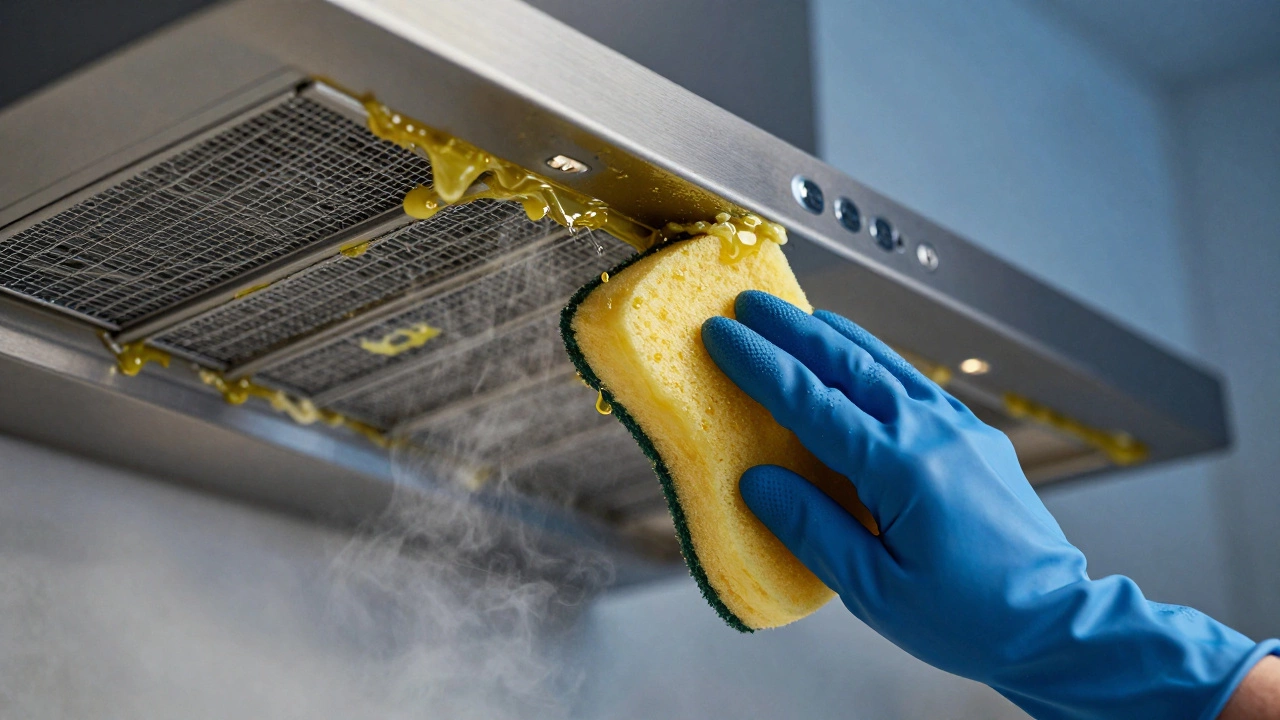
- Kitchens are the grease traps of your home. While you wipe counters daily, the inside of your microwave, the back of your stove, and the range hood filters need a deep scrub every month. Grease buildup here is a fire hazard and attracts pests quickly.
- Bathrooms accumulate soap scum and mildew rapidly. Showerheads, tile grout, and toilet bases should be deep cleaned monthly. Mold spores can start growing within days in damp environments, so consistency is key here.
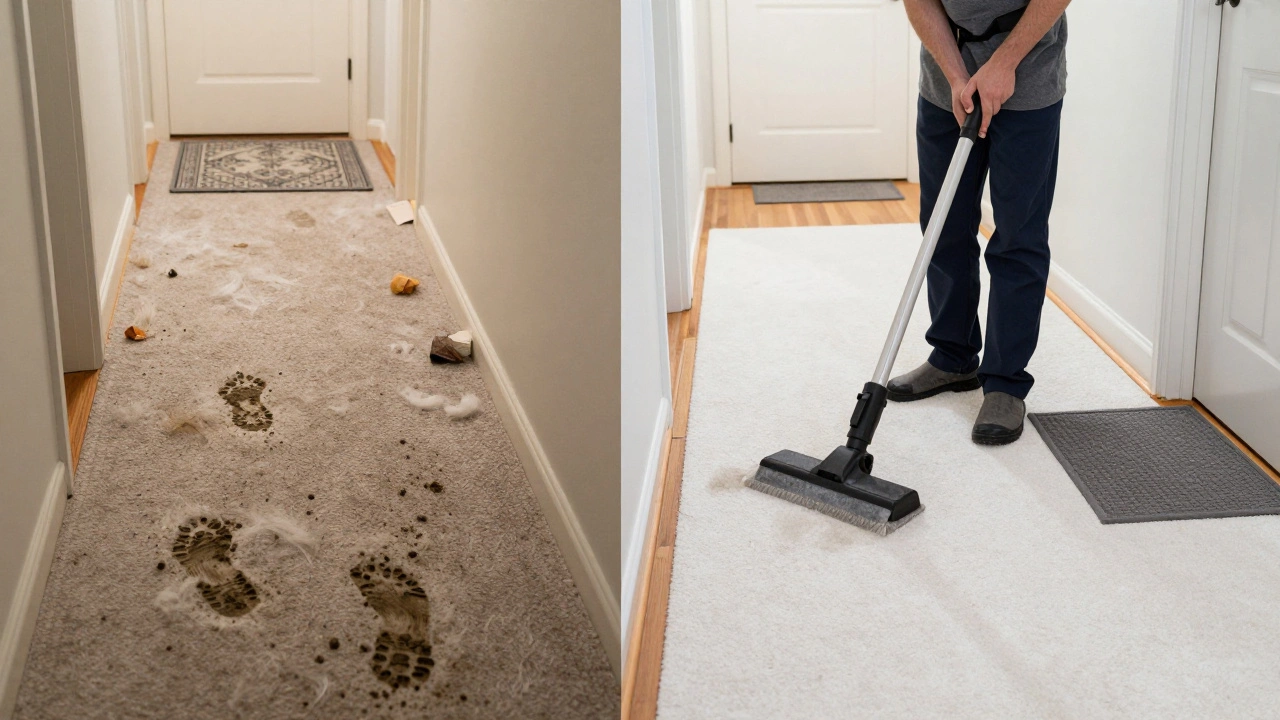
- Carpets and Rugs act as air filters for your floors. In high-traffic hallways and living rooms, carpets trap dirt, pollen, and pet dander. Professional steam cleaning should happen every 12 to 18 months, but spot cleaning and vacuuming with a HEPA filter must be weekly.
If you notice persistent odors in any of these rooms, it’s a sign that surface cleaning isn’t cutting it anymore. You need to dig deeper into the materials themselves.
Factors That Accelerate Dirt Buildup
Your lifestyle plays a massive role in determining how often you need to pull out the heavy-duty cleaning supplies. Let’s look at the variables that speed up the dirt cycle.
| Factor | Recommended Frequency | Why It Matters |
|---|---|---|
| Pets (Shedding) | Every 4-6 Weeks | Hair and dander embed in upholstery and vents, triggering allergies and requiring frequent extraction. |
| Young Children | Monthly | Spills, sticky fingers, and floor play create rapid grime accumulation on surfaces and fabrics. |
| Allergies/Asthma | Bi-Monthly | Dust mites and pollen need regular removal from bedding, curtains, and HVAC filters to maintain air quality. |
| Smokers | Monthly | Nicotine residue sticks to walls, ceilings, and fabrics, causing yellowing and stale odors that standard cleaning misses. |
| New Construction/Reno | Immediately After | Dust from drywall, paint, and sanding settles everywhere. A post-construction deep clean is essential before moving in. |
If you fall into multiple categories here-say, you have a shedding dog and a toddler-you’ll likely need to deep clean your entire home every month. Don’t try to save money by skipping it. The cost of replacing ruined carpet or treating severe allergy symptoms far outweighs the price of a thorough clean.
DIY Deep Cleaning vs. Hiring Professionals
So, who does the work? You can tackle a lot of deep cleaning tasks yourself, but some jobs require industrial-grade equipment and expertise. Knowing the difference helps you budget your time and money effectively.
For DIYers, focus on accessible areas. You can deep clean your refrigerator interior, organize and scrub your pantry shelves, wash your windows, and dust your ceiling fans. These tasks require basic tools like microfiber cloths, vinegar solutions, and extension poles. The benefit here is control over chemicals and immediate gratification. However, DIY deep cleaning is physically demanding. Scrubbing grout on your knees or hauling heavy furniture to vacuum underneath can take an entire weekend.
Professional cleaners bring power. They use hot water extraction machines for carpets, commercial degreasers for kitchens, and high-reach ladders for windows. More importantly, they have the training to know which products won’t damage your surfaces. For example, using the wrong acid on marble countertops can etch them permanently. A pro knows better. If you hire professionals, aim for twice a year: once in spring and once in fall. This gives you peace of mind knowing the hard-to-reach places are handled correctly.
A Room-by-Room Deep Cleaning Checklist
To make the process less overwhelming, break it down by room. Here is what a true deep clean looks like beyond the surface level.
- Living Room: Move furniture to vacuum under and behind. Wash throw pillows and blankets. Dust blinds slat by slat. Clean light fixtures and switch plates, which collect static-charged dust.
- Kitchen: Unplug small appliances and wipe them down. Clean the inside of cabinets if you haven’t in years. Degrease the range hood filter. Sanitize the sink strainer and faucet handles.
- Bedroom: Rotate mattresses. Wash duvet covers and pillowcases in hot water to kill dust mites. Vacuum mattress surfaces. Clean closet floors and shelves.
- Bathroom: Scrub tile grout with a brush. Descale showerheads and faucets. Clean the toilet tank interior. Disinfect cabinet interiors where medicine bottles sit.
- Basement/Garage: Sweep and mop concrete floors. Wipe down storage bins. Check for moisture or mold signs in corners.
This checklist shouldn’t be done all at once unless you’re moving out. Spread these tasks over a few weekends during your scheduled deep clean period. Consistency beats intensity.
Signs You’ve Waited Too Long
Sometimes we ignore our homes until they scream at us. Here are the red flags that indicate your deep cleaning schedule is lagging dangerously behind.
- Persistent Odors: If your house smells "stale" even after airing it out, bacteria and mold are likely hiding in carpets or ductwork.
- Visible Stains: Set-in stains on rugs or upholstery mean dirt has bonded with the fibers. Surface vacuuming won’t fix this.
- Allergy Flare-ups: Sneezing more when you’re home suggests high levels of dust mites and pet dander in your bedding and fabrics.
- Greasy Surfaces: If your kitchen walls feel slick to the touch, airborne grease has coated everything. This is a fire risk and pest magnet.
- Mold Spots: Black spots in shower corners or around window seals indicate moisture retention and microbial growth that needs immediate attention.
Don’t wait for these signs to appear. Proactive maintenance is cheaper and easier than reactive remediation. If you see any of these signs, book a deep clean immediately, regardless of your usual schedule.
Seasonal Adjustments to Your Routine
Your cleaning needs shift with the weather. Understanding these shifts helps you prioritize tasks when they matter most.
In Spring is the time for allergen removal. Focus on washing curtains, cleaning AC vents, and decluttering closets. You want to remove winter dust and prepare for pollen season. In Summer brings mud and outdoor debris. Entryway mats and front doors need frequent scrubbing. Keep an eye on screens for insects and dirt. Autumn requires pre-heating prep. Clean dryer vents to prevent fires as you use heat more. Wash outdoor cushions before storing them. Finally, Winter means salt and snow tracking. Entryway floors and garage thresholds need extra attention to prevent slip hazards and corrosion.
How long does a full house deep clean take?
For an average-sized home (3 bedrooms, 2 bathrooms), a thorough DIY deep clean typically takes 6 to 8 hours. If you hire professional cleaners, they usually complete the same job in 3 to 5 hours due to efficiency and specialized equipment. Larger homes or those with significant clutter may take longer.
Can I deep clean my house myself?
Yes, absolutely. Most deep cleaning tasks like scrubbing tiles, washing windows, and organizing cabinets can be done with household supplies. However, for tasks like carpet steam cleaning, upholstery shampooing, or sanitizing HVAC systems, professional equipment yields better results and saves you physical strain.
What is the difference between regular cleaning and deep cleaning?
Regular cleaning maintains surface cleanliness: dusting visible surfaces, vacuuming floors, and wiping counters. Deep cleaning targets neglected areas: behind appliances, inside cabinets, baseboards, light fixtures, and fabric interiors. It involves more intensive scrubbing, disinfecting, and detailed attention to detail.
How much does professional deep cleaning cost?
Prices vary by location and home size, but generally range from $200 to $400 for an average home. Homes with extensive clutter, pet hair, or specific requests like oven cleaning may cost more. Always get a quote based on square footage and specific needs.
Should I deep clean before moving in?
Yes, always. Previous occupants leave behind germs, dust, and potential pests. A move-in deep clean ensures you start fresh in a sanitized environment. Pay special attention to kitchens, bathrooms, and closets. Consider hiring professionals for this first clean to ensure nothing is missed.