Green Cleaning Cost Calculator
Important Note: This calculator shows only cost differences. Remember that green cleaners may require more time and effort for tough cleaning tasks as mentioned in the article.
Switching to green cleaning is the practice of using environmentally friendly products for household cleaning seems like a no-brainer for the planet. But here's the truth: eco-friendly products aren't perfect. Many people don't realize there are real downsides to using them. Let's break down the seven biggest cons you should know before making the switch.
Effectiveness on Tough Stains
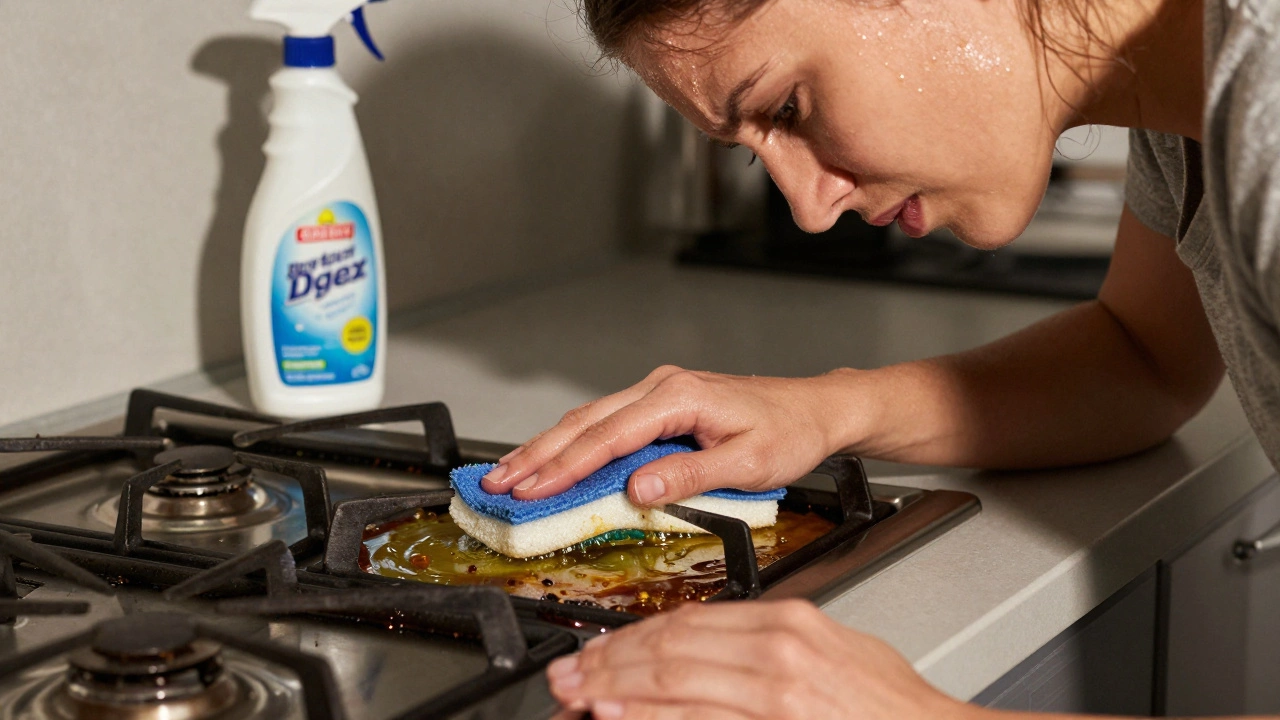
While green cleaning products work well for everyday messes, they often struggle with heavy-duty grime. A 2024 study by the Cleaning Science Institute found that plant-based cleaners were 30% less effective on kitchen grease compared to conventional options. For example, a vinegar-based solution might take 15 minutes of scrubbing to remove baked-on grease, while a commercial degreaser does it in five. This means you might spend more time and energy cleaning with eco-friendly products, especially in areas like stovetops or oven interiors.
Higher Cost
| Product | Eco-Friendly Price (32oz) | Conventional Price (32oz) |
|---|---|---|
| All-Purpose Cleaner | $4.99 | $2.49 |
| Bathroom Cleaner | $5.49 | $3.19 |
| Glass Cleaner | $3.99 | $2.29 |
For regular users, this adds up to an extra $100+ per year. For budget-conscious households, this cost difference can be a major barrier.
Surface Damage Risks
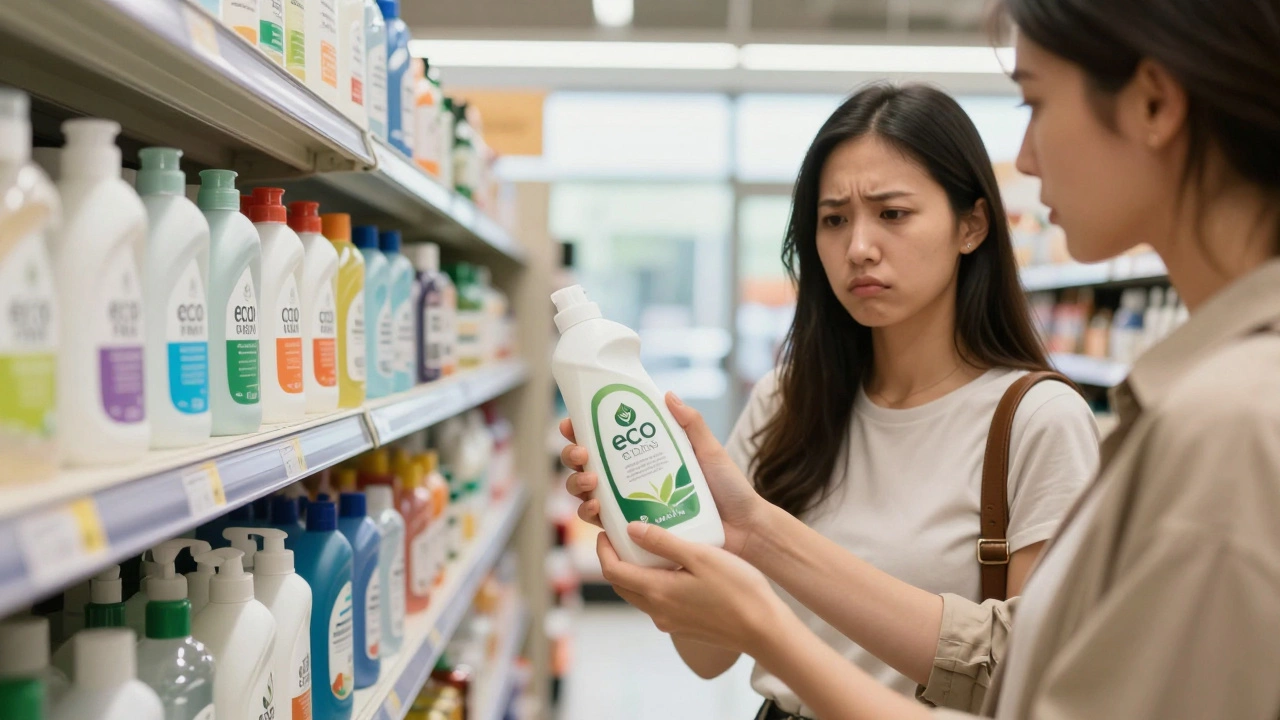
Many green cleaning ingredients can actually damage surfaces. vinegar is a common acidic ingredient in eco-cleaners, but it's harmful to natural stone like marble or granite. According to the Marble Institute of America, using vinegar on these surfaces causes etching and dulling over time. Even citric acid a natural cleaner often used in green products can damage stone. Always check surface compatibility before using eco-friendly solutions.
Ingredient-Related Issues
Not all "natural" ingredients are safe. essential oils frequently added to eco-cleaners for fragrance can be toxic to pets. The ASPCA lists tea tree oil as dangerous for cats, causing symptoms like vomiting and lethargy. Additionally, some plant-based surfactants wash into waterways and harm aquatic life. A 2025 EPA report noted certain biodegradable surfactants still accumulate in rivers at harmful levels.
Misleading Labels
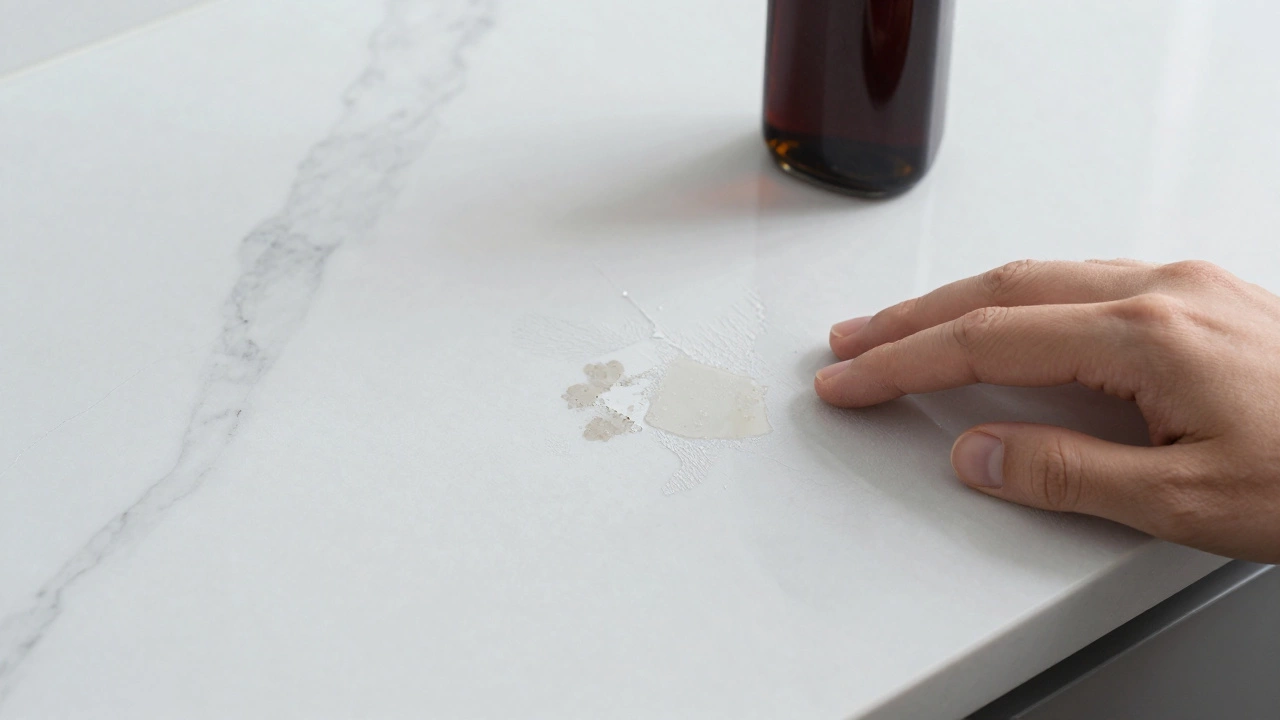
Greenwashing is rampant. Many products claim to be eco-friendly without third-party certification. Only 15% of eco-cleaners on shelves carry the EPA Safer Choice a rigorous certification for environmentally friendly products label. Without this, "green" claims can be meaningless. Always look for trusted certifications instead of trusting marketing buzzwords.
Time and Effort Required
Green cleaning often demands more work. Removing soap scum from shower tiles with a citric acid solution might take 30 minutes of scrubbing, whereas a commercial bathroom cleaner works in five. For deep cleaning tasks like oven interiors, eco-friendly methods may require multiple applications over several days. This extra time investment isn't always worth it for busy households.
Availability Challenges
Access to certified green products is limited in many areas. A 2025 survey found 60% of small towns have no stores carrying EPA Safer Choice certified cleaners. This forces people to order online, which increases shipping emissions. In rural communities, the environmental benefits of green cleaning can be offset by the carbon footprint of delivery trucks. For some, conventional cleaners are simply more accessible.
When to Stick with Conventional Cleaners
There are situations where eco-friendly products fall short. If you have a septic system, some plant-based cleaners can disrupt bacterial balance. For mold removal in damp areas, bleach alternatives often lack the punch needed. Heavy-duty grease in commercial kitchens also requires stronger solutions. In these cases, using targeted conventional cleaners is the smarter choice.
Quick Checklist: Green Cleaning Downsides
- Less effective on tough grease and grime
- Higher cost-up to 50% more than conventional options
- Can damage natural stone surfaces like marble
- Some ingredients are toxic to pets
- Many products lack real certification (greenwashing)
- Requires more time and scrubbing effort
- Hard to find in rural areas
Are all green cleaners safe for pets?
No. Some eco-cleaners contain essential oils like tea tree oil, which is toxic to cats and dogs. Always check ingredient lists and look for pet-safe certifications before using any cleaner around animals.
Why do eco-friendly cleaners cost more?
Sustainable sourcing, smaller production scales, and stricter manufacturing standards drive up costs. Many eco-cleaners use organic ingredients that are more expensive to produce and harvest compared to synthetic alternatives used in conventional products.
Can vinegar damage my countertops?
Yes, if they're made of natural stone like marble or granite. Vinegar's acidity etches these surfaces, causing permanent dullness. Always test cleaners on a small area first and avoid acidic solutions on stone.
What's the best way to identify truly eco-friendly products?
Look for third-party certifications like EPA Safer Choice, Green Seal, or EcoLogo. These labels mean the product has been independently verified for environmental and health safety. Avoid vague claims like "natural" or "eco-friendly" without certification.
Do green cleaners work for mold removal?
Most eco-friendly mold cleaners lack the potency of bleach-based solutions. For significant mold growth-especially in bathrooms-professional treatment or bleach alternatives with proven efficacy (like hydrogen peroxide) are more reliable than plant-based options.