Vinyl Siding Cleaning Cost Calculator
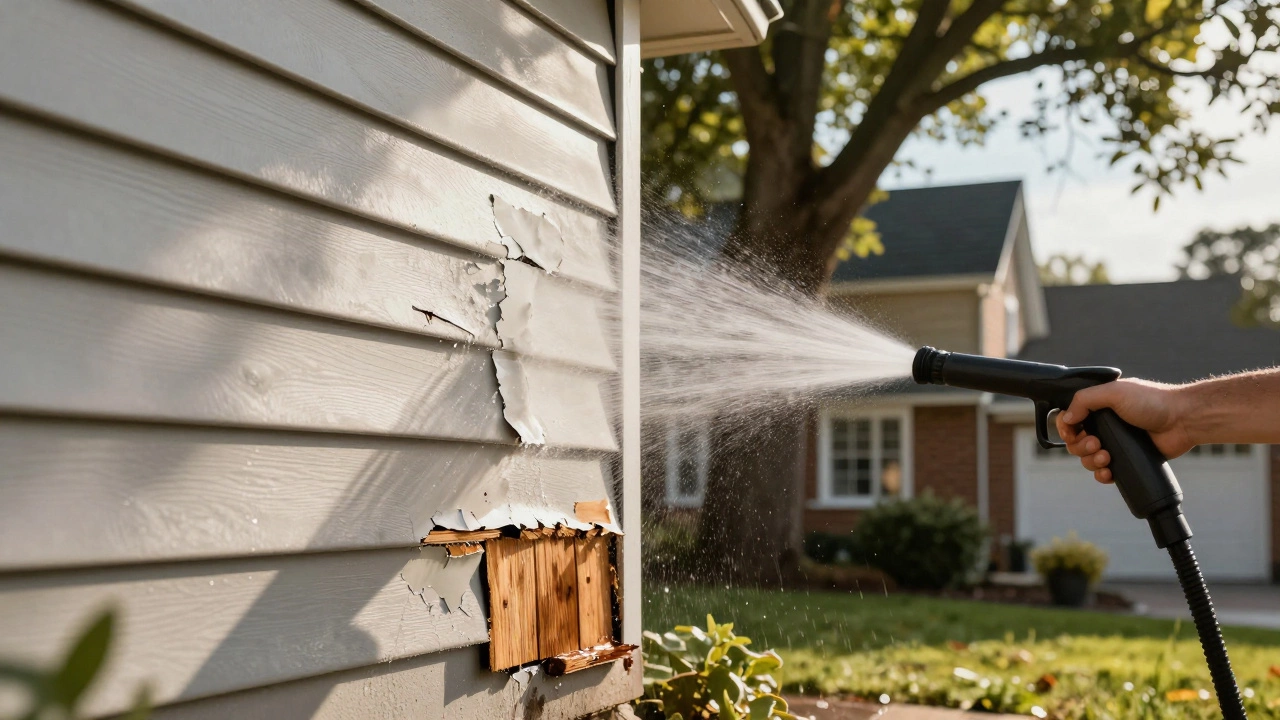
When it comes to cleaning vinyl siding, you’ve got two main options: pressure washing and soft washing. Both clean dirt and grime, but one can save your siding - and the other might ruin it. If you’ve ever seen vinyl siding warped, cracked, or stripped of color after a high-pressure blast, you know why this choice matters.
What’s the Difference Between Pressure Washing and Soft Washing?
Pressure washing uses high-pressure water, usually between 1,500 and 3,000 PSI, to blast away dirt. It’s great for concrete, brick, or stone. But vinyl siding? Not so much. Soft washing, on the other hand, uses low pressure - under 500 PSI - combined with a gentle cleaning solution, often a mix of water, bleach, and surfactant. The solution kills mold, mildew, and algae, and the low-pressure rinse washes it away without force.
Think of it like this: pressure washing is like scrubbing a dirty plate with a steel wool pad. Soft washing is like soaking it in warm soapy water, then rinsing gently. One removes the dirt. The other removes the dirt without damaging the surface.
Why Pressure Washing Vinyl Siding Is a Bad Idea
Many homeowners think more pressure means better cleaning. That’s a dangerous assumption with vinyl. Here’s what can go wrong:
- Water gets behind the siding. Vinyl panels are designed to shed water, not hold it. High pressure can force water under the panels, leading to rot in the underlying wood or insulation.
- Color fades or peels. The pigment in vinyl siding isn’t deep - it’s in the top layer. Pressure washing can strip that away, leaving patches of dull, uneven color.
- Cracks and holes form. Vinyl expands and contracts with temperature. A sudden blast of water can crack thin panels or pop out fasteners.
- Algae and mold come back faster. Pressure washing only removes surface dirt. It doesn’t kill the spores. In a few months, the black streaks return - often worse than before.
A 2023 study by the National Association of Home Builders found that 62% of vinyl siding damage claims from homeowner cleaning were caused by pressure washing. That’s not a coincidence - it’s a pattern.
Why Soft Washing Works Better for Vinyl Siding
Soft washing doesn’t just clean - it treats. The cleaning solution penetrates the surface, killing mold, mildew, and algae at the root. No need to blast. No need to risk damage.
Here’s what happens during a proper soft wash:
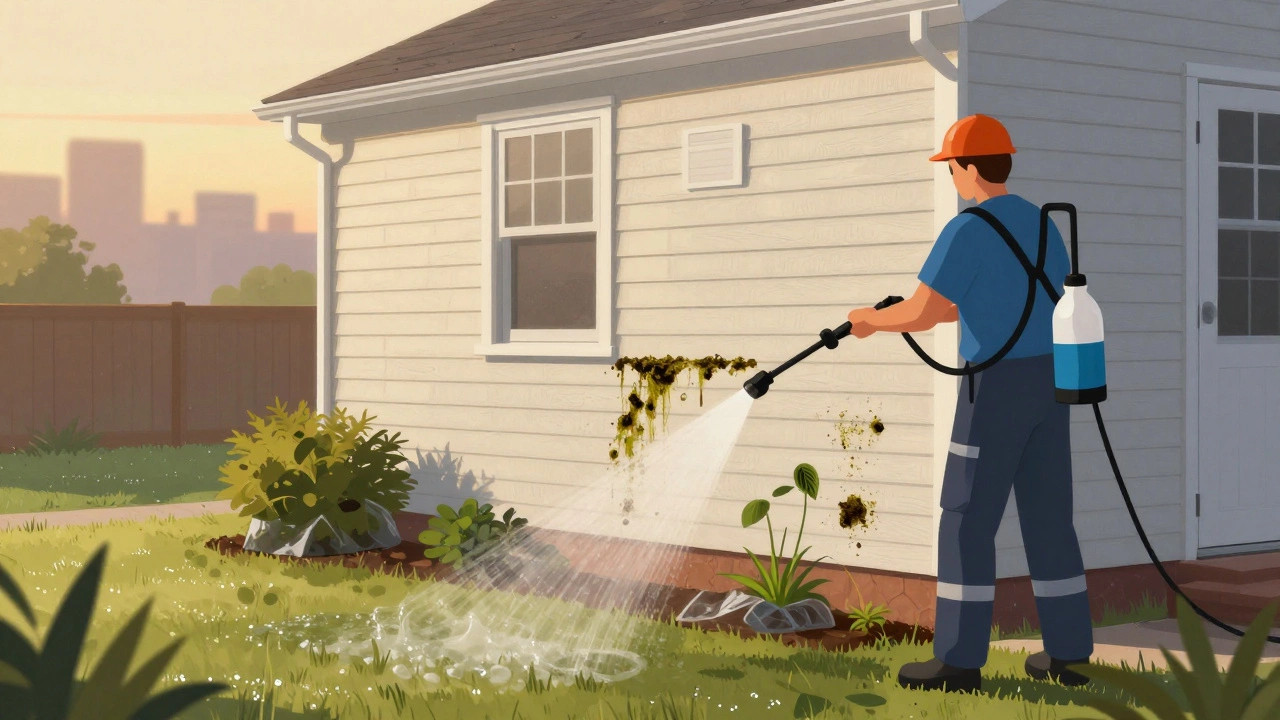
- A biodegradable cleaning solution is applied evenly across the siding. It’s designed to break down organic growth without harming plants or paint.
- The solution sits for 10 to 15 minutes. During this time, the microbes die off.
- A low-pressure rinse - usually around 300 PSI - washes away the dead algae and dirt. It’s like a gentle shower, not a firehose.
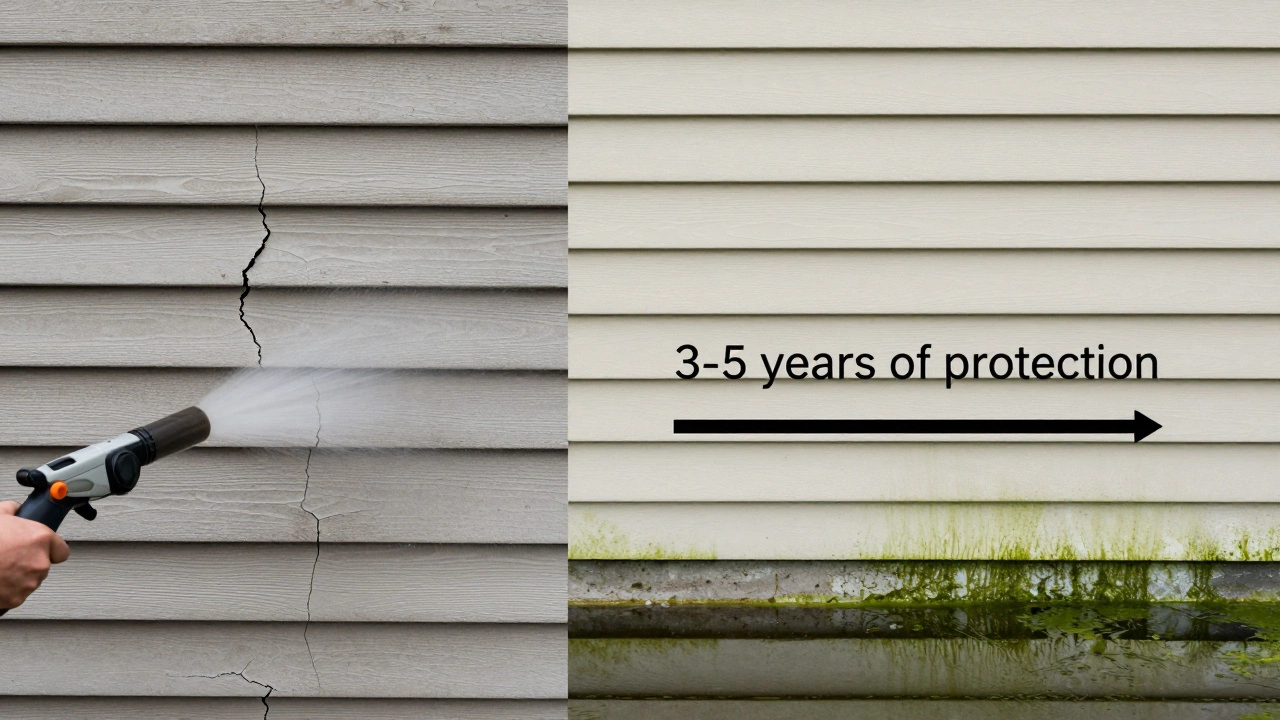
The results? Cleaner siding that stays clean for 3 to 5 years. In Bristol, where damp weather and tree cover encourage algae growth, soft washing lasts longer than pressure washing. One homeowner in Clifton reported their siding stayed spotless for four years after a soft wash - and didn’t touch it again.
Cost and Time Comparison
Some people avoid soft washing because they think it’s more expensive. But here’s the truth:
| Factor | Pressure Washing | Soft Washing |
|---|---|---|
| Typical Cost (for average home) | £150-£250 | £200-£350 |
| Time to Complete | 2-3 hours | 3-5 hours |
| How Long Results Last | 6-12 months | 3-5 years |
| Risk of Damage | High | Very Low |
| Environmental Impact | High water use, no chemicals | Low water use, biodegradable solution |
Yes, soft washing costs more upfront. But if you’re spending £200 every year to clean your siding - and replacing damaged panels every few years - you’re paying far more over time. Soft washing pays for itself after two cleanings.
What About DIY? Can You Soft Wash Yourself?
You can, but only if you know what you’re doing. Many DIYers buy a pressure washer, then try to turn the pressure down. That doesn’t work. Soft washing requires the right solution, the right nozzle, and the right technique.
Here’s what you need:
- A low-pressure sprayer (not a pressure washer). A garden sprayer or a dedicated soft wash system works best.
- A cleaning solution designed for vinyl siding. Look for sodium hypochlorite (bleach) based cleaners labeled safe for vinyl. Avoid harsh acids or degreasers.
- Protect your plants. Cover shrubs and grass with plastic sheeting. The cleaning solution can kill vegetation if it runs off.
- Work from the top down. Start at the roofline and move downward. This prevents streaking.
Most DIYers skip the prep and end up with uneven cleaning or damaged plants. If you’re not confident, hire a pro. It’s cheaper than replacing siding.
When You Should Never Use Either Method
There are times when cleaning vinyl siding isn’t safe - even with soft washing:
- Old, brittle siding. If your siding is over 30 years old and feels stiff or brittle, cleaning can crack it. Leave it alone or consult a professional.
- During freezing weather. Water left on the surface can freeze and expand, causing cracks. Wait until temperatures are above 40°F (5°C).
- If there’s paint peeling underneath. If you see paint lifting or wood exposed, water intrusion is already happening. Cleaning won’t fix it - repair does.
Final Verdict: Choose Soft Wash
Pressure washing might seem faster and cheaper, but it’s a gamble. You’re risking damage you can’t undo. Soft washing takes longer, costs a bit more, and requires more care - but it’s the only method that actually protects your siding while cleaning it.
For homes in the UK - where rain, moss, and humidity are constant - soft washing isn’t just better. It’s necessary. It’s the method professionals use. It’s the method manufacturers recommend. And it’s the method that keeps your home looking new for years.
If you’ve been pressure washing your siding, stop. Switch to soft washing. Your vinyl will thank you.
Can I use a pressure washer on vinyl siding if I use low pressure?
Even at low pressure (under 1,000 PSI), a pressure washer still forces water under the panels. That’s the main cause of hidden damage. A true soft wash uses a different tool - a low-pressure sprayer - that applies cleaning solution without force. If you’re using a pressure washer, you’re not soft washing.
Does soft washing harm plants or grass?
The cleaning solution can harm plants if it runs off onto them. That’s why professionals cover plants with plastic sheeting before starting. Always rinse nearby vegetation with clean water after the job. Biodegradable solutions are safer, but they’re not harmless.
How often should I clean my vinyl siding?
In damp areas like Bristol, clean every 3 to 5 years. If you live under trees or near a wooded area, you may need it every 2 years. Signs you need cleaning: black streaks, green patches, or a dull, dirty look even after rain.
Is soft washing eco-friendly?
Yes, when done right. Soft washing uses 80% less water than pressure washing. The cleaning solutions used are typically biodegradable and non-toxic to pets and plants when rinsed properly. Avoid chlorine-heavy solutions unless they’re diluted and applied correctly.
Can I clean vinyl siding in winter?
No. Water freezes on vinyl and can cause cracks. Even soft washing should be done when temperatures are above 40°F (5°C). Late spring or early autumn are the best times in the UK.