Pillow Yellowing Diagnostic & Care Planner
Discover why your pillows turn yellow and get a tailored cleaning plan.
Your Profile
Primary Culprit:
-
Recommended Cleaning Protocol:
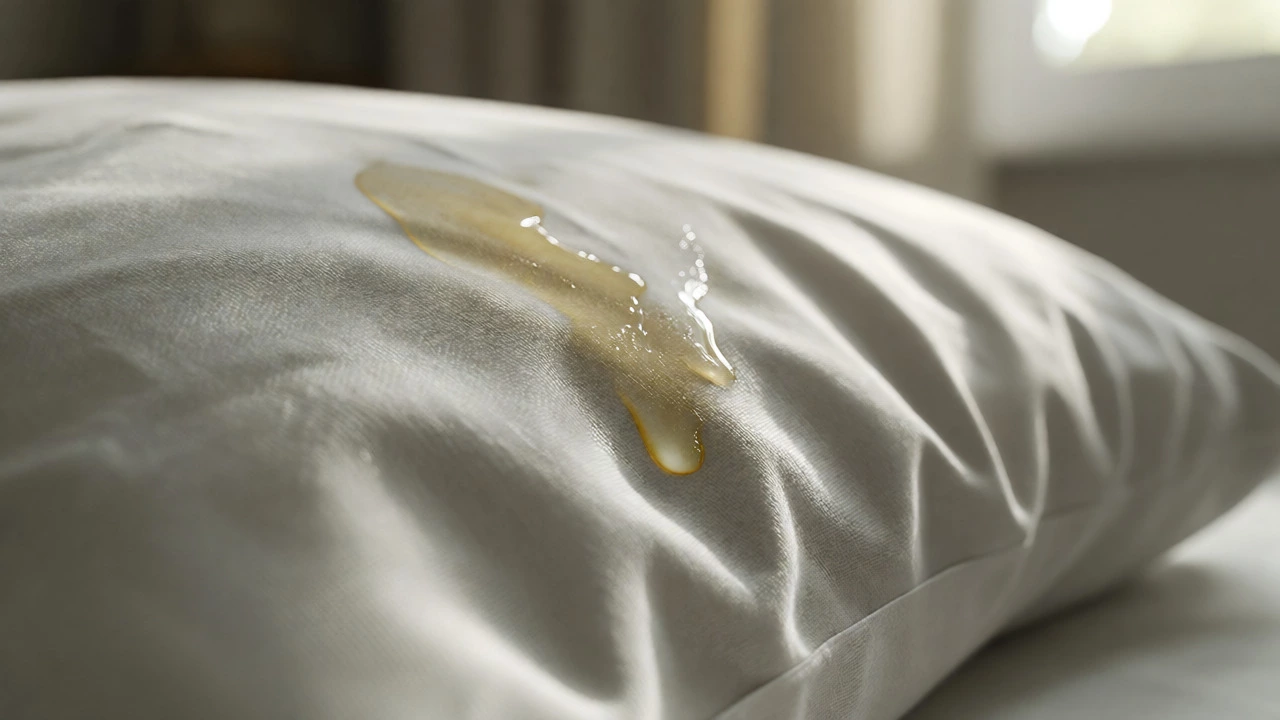
You pull your favorite pillow out of the wash, expecting it to come back bright white. Instead, you’re staring at a shade of yellow that looks like old butter. It’s frustrating, especially when you know you washed it properly. But here is the kicker: this isn’t just about dirt or bad laundry habits. That yellowing is a biological signature. Specifically, it’s often more pronounced on men’s pillows due to a combination of higher sebum production, thicker hair follicles, and different sleeping patterns. If you’ve ever wondered why your side of the bed looks significantly grimier than your partner’s, the answer lies in biology and chemistry, not just neglect.
Quick Summary
- The Culprit: Yellowing is primarily caused by oxidized sebum (skin oils), sweat, and dead skin cells, not just external dirt.
- Male Factor: Men typically produce more sebum and have larger pores, leading to faster accumulation of organic residues.
- Hygiene Gap: Going to bed with unwashed hair or heavy grooming products accelerates discoloration significantly.
- Fix It: Standard detergent often fails; enzymatic cleaners or oxygen-based bleaches are required to break down protein bonds.
- Prevention: Wash pillowcases weekly and pillows every 3-6 months using hot water cycles where fabric allows.
The Biology Behind the Yellow Stain
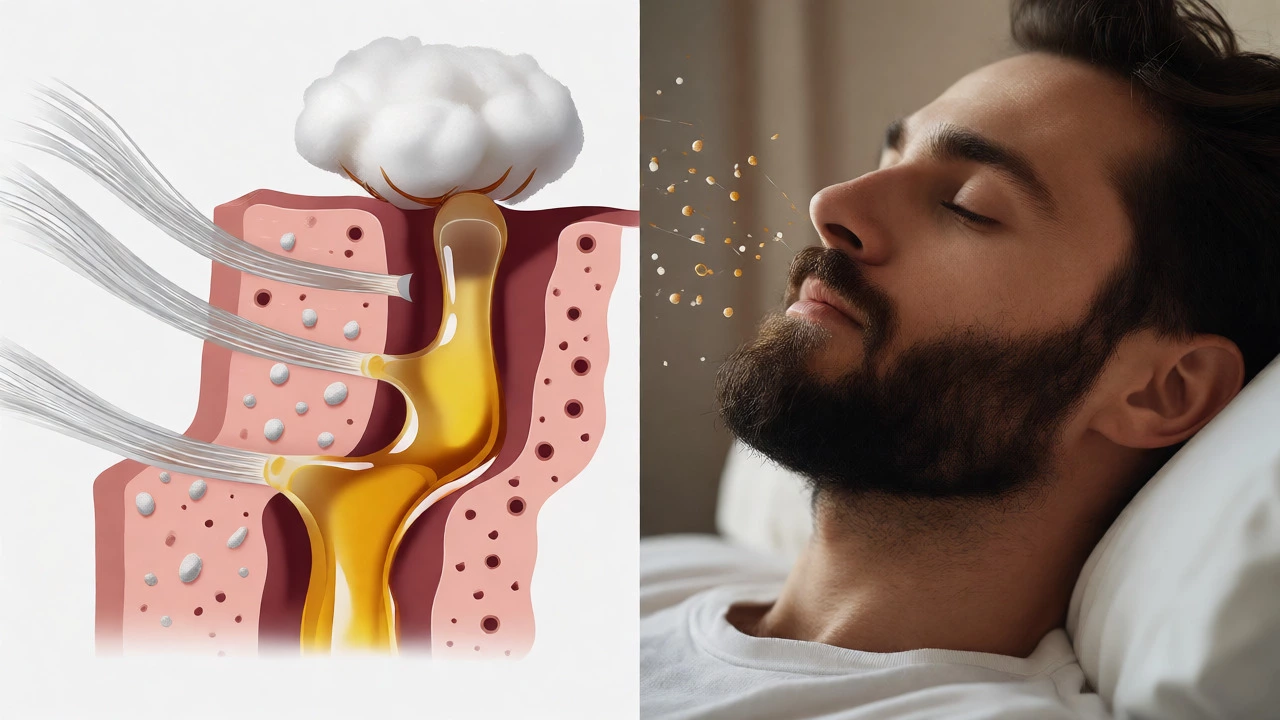
Let’s get specific about what that yellow substance actually is. It isn’t urine unless there was an accident. In most cases, sebum is the main offender. Sebum is the oily, waxy substance secreted by your sebaceous glands. While everyone produces it, men tend to have more active sebaceous glands, particularly on the scalp and face. This oil doesn’t just sit on the surface; it migrates into the pillow filling over time.
When sebum mixes with sweat and dead skin cells, it creates a slurry that penetrates deep into cotton or polyester fibers. Here is where the chemistry gets interesting. Sebum contains lipids that undergo oxidation when exposed to air and light. Think of how an apple turns brown after you cut it. The same oxidative process happens to the oils in your pillowcase and pillow, turning them yellow. Because men generally have larger pores and higher testosterone levels-which drive oil production-the volume of sebum transferred nightly is higher. Over months, this builds up a layer that regular detergent can’t easily lift.
Sweat plays a supporting role here. Sweat itself is mostly water and salt, which shouldn’t stain permanently. However, sweat contains urea and proteins. When these proteins mix with sebum and dry into the fabric, they form complex bonds. Heat from your body acts as a catalyst, essentially baking these compounds into the textile structure. If you sleep hot-a common trait among men due to higher metabolic rates-you accelerate this drying and bonding process.
Grooming Habits and External Factors
Your bedtime routine contributes heavily to pillow discoloration. Many men skip washing their hair before bed, assuming a quick rinse in the morning is enough. But throughout the day, your hair collects dust, pollution particles, and product residue. Gels, pomades, and sprays contain polymers and silicones that don’t wash out easily with standard cold-water cycles. These products act as glue, trapping sebum and dirt against the pillow surface.
Facial hair adds another layer of complexity. Beards and stubble trap food particles, saliva, and skincare products. If you use beard oil, you are literally applying concentrated plant oils to your face and neck right before lying down. These oils transfer directly onto the pillowcase. Unlike water-soluble substances, oils repel water during the wash cycle if the detergent lacks strong surfactants. This leaves behind a greasy film that yellows over time.
Drool is another factor often underestimated. Saliva contains enzymes designed to break down food. When saliva dries on a pillow, those enzymes remain active until rehydrated. They slowly degrade the natural fibers of cotton or linen pillows, weakening the material and causing it to darken. If you breathe through your mouth while sleeping-a common issue linked to snoring or nasal congestion-saliva exposure increases dramatically.
Why Regular Washing Often Fails
You might think tossing the pillow in the washing machine solves everything. For many, it doesn’t. Standard liquid detergents are formulated for general soil removal, but they struggle with aged, oxidized oils. Cold water cycles, which are energy-efficient and gentle on fabrics, do almost nothing to dissolve sebum. Oils solidify at lower temperatures. If you wash your pillows in cold water, you’re essentially trying to clean a grease-stained pan with ice-cold water. The grease stays put.
Furthermore, modern washing machines use less water than older models. This means there is less mechanical action to flush out the heavy, oily buildup trapped deep inside the pillow core. The soap may clean the surface, but the internal matrix remains saturated with yellowed residues. Once you dry the pillow, the heat from the dryer can further set these stains, making them nearly permanent without intervention.
How to Remove Yellow Stains Effectively
To tackle the yellowing, you need to change your approach. You need agents that break down proteins and emulsify oils. Enzymatic cleaners are your best friend here. Look for laundry additives containing protease (for sweat/saliva) and lipase (for oils). These enzymes digest the organic matter holding the color in place.
For stubborn stains, oxygen-based bleach is superior to chlorine bleach. Chlorine can actually react with certain proteins and cause further yellowing or weaken fibers. Oxygen bleach (sodium percarbonate) releases hydrogen peroxide when dissolved in warm water, which lifts stains without damaging colors or fabrics. Soaking the pillow in a solution of warm water and oxygen bleach for an hour before washing makes a noticeable difference.
| Method | Effectiveness on Oil/Yellowing | Risk to Fabric | Best For |
|---|---|---|---|
| Standard Detergent (Cold) | Low | Minimal | Light maintenance, fresh stains |
| Enzymatic Pre-Soak | High | Low | Aged sweat and sebum buildup |
| Oxygen Bleach | Very High | Low | Deep whitening and disinfecting |
| Chlorine Bleach | Moderate | High (can yellow whites) | Cotton only, rarely recommended now |
Step-by-Step Deep Clean Routine
If your pillows look like they belong in a horror movie, try this protocol. First, check the care label. Most synthetic pillows (polyester fill) can handle hot water and agitation. Down and feather pillows require gentler handling to prevent clumping.
- Strip the Bed: Remove all layers. Wash the pillowcase and protector separately using hot water and an enzymatic detergent.
- Inspect for Damage: Check seams. If a seam is torn, the filling will escape and clog your machine. Repair or replace if necessary.
- Pre-Treat: Apply a paste of baking soda and water or a commercial stain remover to visible yellow spots. Let it sit for 15 minutes.
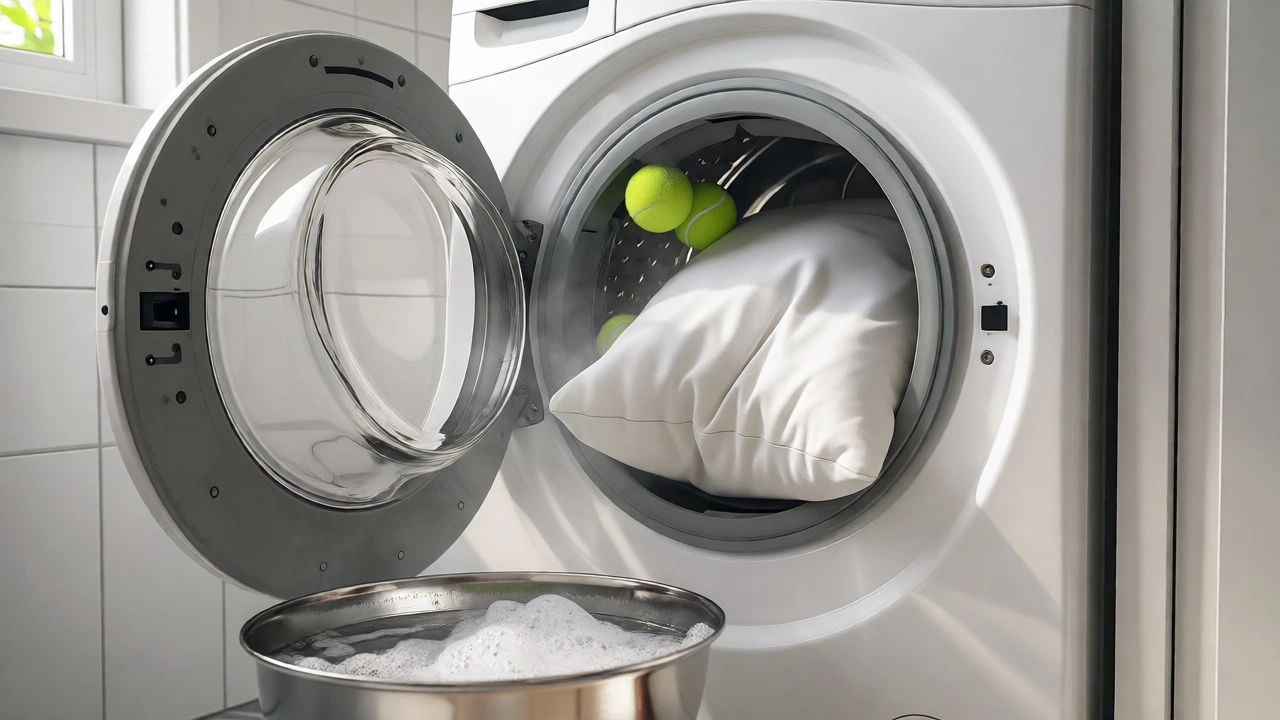
- Soak: Fill a bathtub or large basin with warm water and add half a cup of oxygen bleach. Submerge the pillows and let them soak for one hour. Squeeze gently to help the solution penetrate.
- Wash: Place two pillows in the machine to balance the load. Use the hottest water setting safe for the fabric. Add a mild detergent and a cup of white vinegar to the rinse cycle. Vinegar helps strip remaining soap residue and neutralizes odors.
- Rinse Thoroughly: Run an extra rinse cycle. Soap trapped inside the pillow attracts more dirt later.
- Dry Properly: Tumble dry on low heat with tennis balls or dryer balls. This breaks up clumps in down or synthetic fills. Ensure they are 100% dry before putting them back on the bed to prevent mold growth.
Preventing Future Yellowing
Cleaning is reactive; prevention is proactive. The easiest way to keep pillows white is to create barriers between your skin/oils and the pillow filling. Use a high-quality pillow protector. These are zippered covers made of tightly woven fabric that block fluids and oils from reaching the actual pillow. Wash the protector weekly along with your sheets.
Adjust your evening routine. Wash your face and hair before bed. If you use beard oil, apply it at least an hour before sleeping so it absorbs rather than transferring. Consider switching to lighter, non-comedogenic skincare products. Also, rotate your pillows. Flipping them daily prevents one side from bearing the brunt of your head weight and oil deposits.
Finally, consider the frequency of replacement. Even with perfect care, pillows degrade. Synthetic pillows last 1-2 years; down pillows can last 5+ years if maintained well. If the yellowing persists despite deep cleaning, the structural integrity of the filling may be compromised, and replacement is the most hygienic option.
Does sunlight help remove yellow stains?
Yes, UV rays have a natural bleaching effect. After washing, hanging white pillows outside in direct sunlight can help fade remaining yellow tints. However, avoid prolonged exposure for colored fabrics as it may cause fading.
Can I wash memory foam pillows?
Generally, no. Memory foam absorbs water like a sponge and takes days to dry, risking mold. Spot clean memory foam with a damp cloth and mild detergent. Only wash removable covers.
Why does my pillow smell sour even after washing?
This usually indicates bacterial or fungal growth trapped in the filling. Sour smells suggest moisture remained in the pillow after previous washes. Re-wash with an antibacterial additive and ensure complete drying.
Is yellowing a sign of poor health?
Not necessarily. While excessive sweating or drooling can indicate sleep apnea or other conditions, yellowing is primarily a result of normal bodily functions interacting with fabric. It’s a hygiene indicator, not a medical diagnosis.
How often should men wash their pillows?
Due to higher oil production, men should aim to wash pillows every 3 months. Those who sleep hot or use heavy grooming products may need to wash them monthly.