Limescale Removal Efficacy Checker
Coca-Cola Analysis
Verdict: Waiting...
White Vinegar Analysis
Verdict: Waiting...
Recommendation
Select inputs and click analyze.
You are staring at a stubborn ring inside the toilet bowl. It is not just dirt; it is limescale, a mineral deposit left behind by hard water. If you are preparing for an end of tenancy inspection, this white crusty line can cost you your security deposit. Landlords and letting agents are notoriously picky about bathroom hygiene. So, when you hear that pouring a bottle of Coca-Cola into the bowl works like magic, do you believe it?
The short answer is: yes, but with big caveats. While the acid in cola does break down calcium carbonate, it is rarely the most efficient tool for a professional-grade clean. This guide breaks down exactly how well Coke works, why it might fail, and what you should actually use to pass that final inspection without breaking the bank.
The Science Behind the Fizz
To understand if Coke works, you need to know what limescale is. It is primarily calcium carbonate. You cannot dissolve calcium carbonate with plain water because it is insoluble. You need an acid to react with it. This is where carbonated soft drinks come in.
Coca-Cola contains phosphoric acid and citric acid. These acids lower the pH level of the liquid. When phosphoric acid meets calcium carbonate, a chemical reaction occurs. The solid scale turns into soluble salts, which can then be rinsed away. In theory, this makes Coke a viable cleaning agent. In practice, the concentration of acid in a standard soda is quite low compared to dedicated cleaners.
Think of it this way: Coke is a weak acid solution with sugar. Sugar is sticky. If you leave sugary residue on porcelain, it can attract bacteria and mold later on. For a quick fix, it works. For a deep clean required by a strict landlord, it often falls short.
How to Use Coke for Toilet Cleaning
If you have already bought a bottle or want to test it before buying industrial chemicals, here is the correct method. Do not just pour it in and flush immediately. That wastes money and effort.
- Turn off the water supply. Locate the valve behind the toilet and turn it clockwise. Flush once to empty the bowl as much as possible. This ensures the Coke contacts the stain directly rather than being diluted by gallons of fresh water.
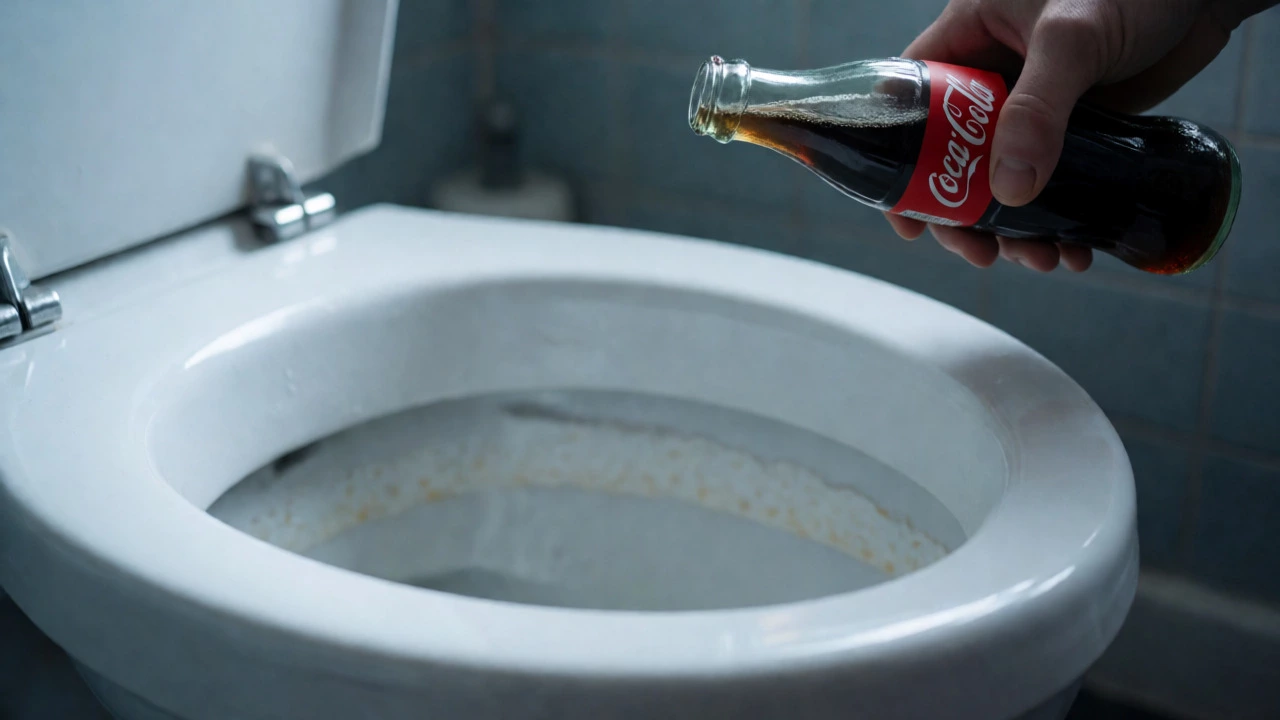
- Pour the Coke. Pour one liter (or a large bottle) of room-temperature Cola around the rim so it coats the sides and settles over the stain. Avoid Diet Coke if possible; regular Coke has slightly more acidity due to the sugar content acting as a mild abrasive carrier, though the difference is marginal.
- Let it sit. This is the critical step. You need to wait at least one hour. For heavy buildup, leave it overnight. The acid needs time to penetrate the mineral layer.
- Scrub. Use a stiff-bristled toilet brush. Scrub the stained area vigorously. You will notice the scale loosening. If it is still stubborn, add some baking soda to the brush for extra abrasion.
- Flush. Turn the water back on and flush multiple times to rinse away the sticky residue.
Coke vs. Vinegar: Which Wins?
Most people ask this question because they want a cheap home remedy. Let’s compare the two most popular DIY options: Coca-Cola and White Vinegar.
| Feature | Coca-Cola | White Vinegar |
|---|---|---|
| Primary Acid | Phosphoric Acid | Acetic Acid |
| Effectiveness on Heavy Scale | Moderate | High |
| Residue Left | Sticky (Sugar) | None |
| Smell | Sweet/Caramel | Strong/Pungent |
| Cost per Liter | $1.50 - $2.00 | $0.50 - $1.00 |
| Best For | Light stains, emergency fixes | Deep cleaning, routine maintenance |
Vinegar generally outperforms Coke. Acetic acid is more effective at dissolving calcium deposits than phosphoric acid in typical household concentrations. Plus, vinegar leaves no sticky sugar film. If you have both under the sink, choose vinegar. If you only have Coke and a severe deadline, use Coke, but scrub thoroughly afterward.
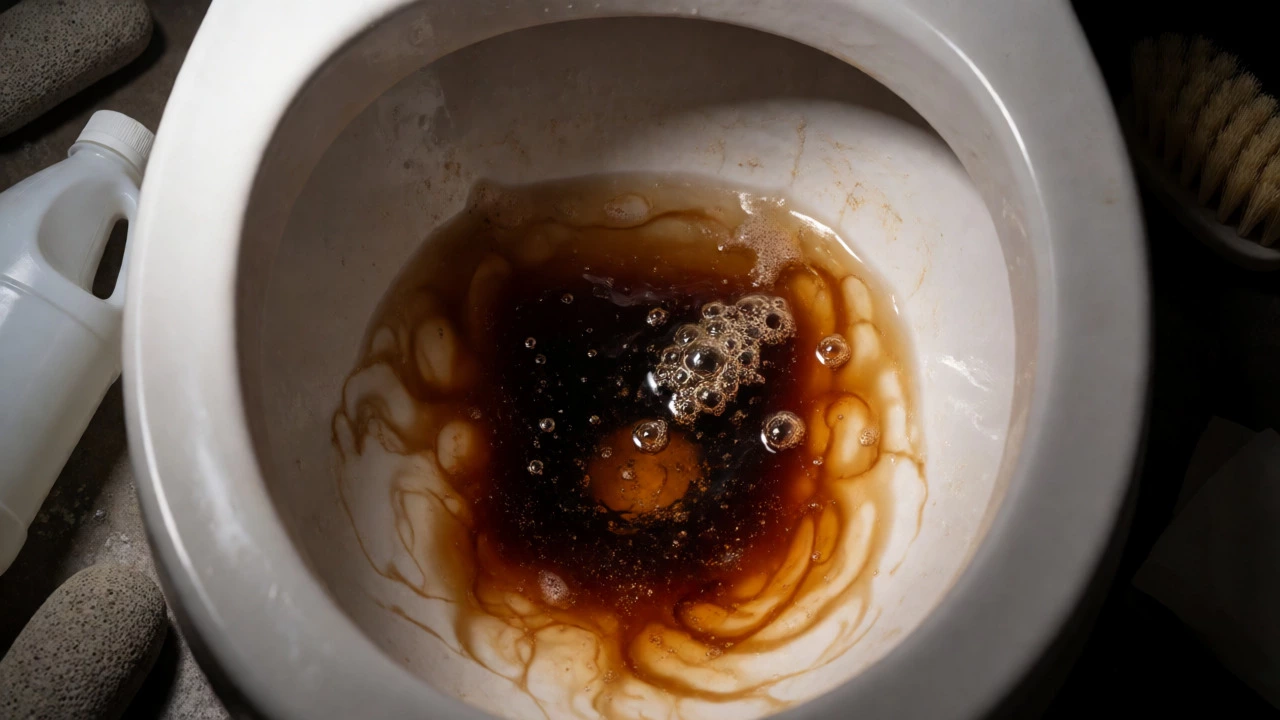
Why Coke Might Fail Your Inspection
End of tenancy cleaning is different from regular weekly tidying. Inspectors look for specific signs of neglect. Here is why relying solely on Coke might result in deductions:
- Incomplete Removal: Coke struggles with thick, layered limescale. If the ring is older than six months, Coke may only remove the top layer, leaving a cloudy haze that inspectors spot easily.
- Under-Rim Grime: Pouring Coke into the bowl does not reach under the rim effectively. Mold and bacteria thrive there. You need a mirror and a specialized brush to clean those areas, regardless of the chemical used.
- Surface Damage Risk: While rare, prolonged exposure to acidic liquids can dull certain types of polished porcelain or enamel finishes if not rinsed properly. The sugar residue can also cause yellowing over time if not fully removed.
- Odor Issues: If you do not rinse thoroughly, the sweet smell can mix with sewer gases, creating an unpleasant odor that lingers in the small bathroom space.
Better Alternatives for End of Tenancy Prep
If you want to guarantee a full deposit return, consider these proven methods instead of experimenting with soda.
1. Citric Acid Powder
This is the gold standard for eco-friendly descaling. Mix 100g of citric acid powder with warm water to form a paste. Apply it to the stain, let it sit for 30 minutes, and scrub. It costs pennies and works faster than Coke.
2. Commercial Descalers
Products like Viakal or HG Professional Lime Remover contain stronger acids formulated specifically for ceramic surfaces. They work in minutes, not hours. Check the label for "safe for septic tanks" if applicable.
3. Pumice Stone
For rock-hard rings that resist chemicals, a pumice stone is your best friend. Wet the stone and the surface, then gently rub the stain. The stone is softer than porcelain but harder than limescale. It physically abrades the deposit away without scratching the glaze. This technique is highly recommended by professional cleaners.
Pro Tips for a Spotless Toilet Bowl
Even with the right cleaner, technique matters. Follow these steps to ensure you don't miss hidden spots:
- Wear Gloves: Never skip this. You are dealing with bacteria and harsh acids.
- Check the Holes: Look under the rim with a handheld mirror. Use an old toothbrush dipped in cleaner to scrub the jets. Mineral buildup here restricts water flow and looks dirty.
- Clean the Base: Don't forget the bolts and the base of the toilet. Limescale and grime accumulate around the wax seal area. Wipe this down with a disinfectant wipe.
- Dry the Exterior: After cleaning the bowl, dry the seat and lid with a microfiber cloth. Water spots on the chrome hinges or plastic seats can look like dirt during an inspection.
Frequently Asked Questions
Does Diet Coke work better than regular Coke for limescale?
No, regular Coke is slightly better. Both contain phosphoric acid, but regular Coke's higher viscosity (due to sugar) helps the liquid cling to the vertical sides of the toilet bowl longer, allowing the acid more contact time with the stain. Diet Coke runs off faster.
Can I mix Coke and bleach together?
Never mix bleach with any acid-based cleaner, including Coke. Mixing bleach with phosphoric or citric acid releases toxic chlorine gas. Always rinse the toilet thoroughly after using Coke before applying any bleach-based products.
How long should I leave Coke in the toilet?
For light stains, one hour is sufficient. For moderate limescale rings, leave it for 4 to 6 hours. For very heavy buildup, you can leave it overnight, but ensure the water level remains high enough to keep the stain submerged in the liquid.
Will Coke damage my toilet seals?
Occasional use is safe for rubber seals. However, frequent use of acidic beverages can degrade rubber gaskets over many years. Since this is usually a one-off cleaning task for tenancy handovers, the risk is negligible.
Is it cheaper to hire a cleaner or buy Coke?
Buying Coke is cheaper upfront ($2-$3). However, if it fails to remove the stain, you waste time and may still need to buy a commercial descaler ($8-$15) or pay for a professional service ($50+). For guaranteed results, investing in a proper descaler or pumice stone is more cost-effective.
Final Verdict: Should You Use It?
Use Coke if you are in a pinch, have no other supplies, and the stain is light. It is a decent hack for minor issues. But if you are handing over keys tomorrow and want to protect your deposit, skip the soda. Buy a bottle of citric acid or a commercial lime remover. Spend the extra $5 to save the stress of a failed inspection. Your wallet-and your landlord-will thank you.