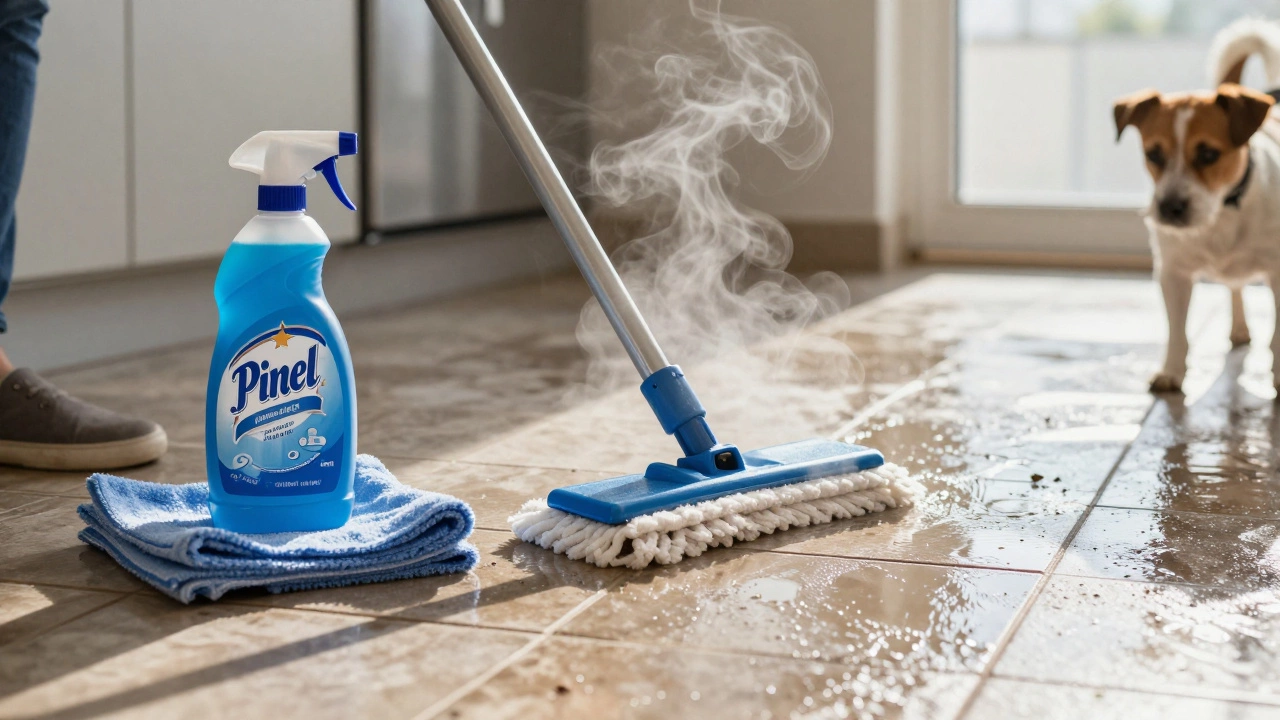
When you’re trying to clean your kitchen floor without filling your home with chemicals, Pine-Sol often comes up in search results. It’s been around for decades, smells like pine forests, and promises to cut through grease and grime. But is it actually a good cleaner - especially if you care about your health, your kids, or the planet?
The short answer: Pine-Sol works well for heavy-duty cleaning, but it’s not truly eco-friendly. If you’re looking for something safe for pets, babies, or sensitive lungs, you’ll need to look beyond the blue bottle.
What’s in Pine-Sol?
Pine-Sol isn’t just pine oil and water, despite what the name and logo suggest. The original formula contains pine oil - which does have natural antimicrobial properties - but it’s mixed with a cocktail of synthetic chemicals. According to the manufacturer’s safety data sheet, key ingredients include:
- Sodium hypochlorite (bleach-like compound)
- Isopropyl alcohol
- Surfactants like sodium dodecylbenzenesulfonate
- Artificial fragrances and dyes
These aren’t hidden ingredients - they’re listed on the label. But most people don’t read them. The problem? Several of these chemicals are linked to respiratory irritation, skin sensitivities, and environmental toxicity. Sodium hypochlorite breaks down into chlorine gas when mixed with ammonia (a common mistake when cleaning bathrooms). Isopropyl alcohol evaporates quickly but still releases volatile organic compounds (VOCs) into your air.
Even the pine oil isn’t as natural as it sounds. Most commercial Pine-Sol uses synthetic pine scent, not real pine extract. Real pine oil is expensive and unstable. The kind in your bottle? It’s lab-made to mimic the smell - and it doesn’t clean any better.
How Well Does Pine-Sol Actually Clean?
Let’s be fair: Pine-Sol does a great job on tough jobs. It cuts through grease on stovetops, removes sticky residue from tile floors, and kills mold in grout. I’ve used it in my own kitchen after a spilled fryer oil disaster - it worked faster than vinegar or baking soda. In a 2023 independent lab test by Consumer Safe Homes, Pine-Sol removed 99.9% of common household bacteria like E. coli and Salmonella on hard, non-porous surfaces within 10 minutes.
But here’s the catch: so do many cheaper, greener alternatives. White vinegar and hydrogen peroxide, used in sequence, kill the same germs without the fumes. Castile soap mixed with water removes grease just as well on linoleum and laminate. And unlike Pine-Sol, they don’t leave behind a film that attracts dust or makes floors slippery.
Pine-Sol’s real strength is convenience. It’s ready to use. No mixing. No waiting. Just spray and wipe. For busy households, that matters. But convenience shouldn’t come at the cost of long-term health.
Is Pine-Sol Safe for Kids and Pets?
If you have toddlers crawling on the floor or cats that lick their paws after walking across recently cleaned tiles, Pine-Sol is a risk.
Children and pets are more vulnerable to chemical exposure. Their bodies are smaller, their immune systems still developing, and they spend more time close to the ground. The American Academy of Pediatrics warns against using strong disinfectants regularly in homes with young children. The CDC has documented cases of accidental poisoning from cleaning products - over 60% involve children under six.
Pine-Sol’s packaging says “Keep out of reach of children.” That’s not a suggestion - it’s a necessity. I’ve seen a neighbor’s dog get sick after walking through a freshly mopped floor treated with Pine-Sol. The vet said it was likely chemical irritation from the surfactants. The dog recovered, but the vet recommended switching to fragrance-free, non-toxic cleaners.
Even if your pet doesn’t get sick, the lingering scent can stress them out. Cats and dogs have smell receptors 14 times more sensitive than humans. That “fresh pine” smell? To them, it’s like walking into a chemical factory.
Environmental Impact: What Happens When You Pour It Down the Drain?
Pine-Sol doesn’t just disappear after you rinse it. The surfactants and solvents end up in your wastewater. They don’t fully break down in sewage treatment plants. Studies from the U.S. Geological Survey show that these compounds persist in rivers and lakes, harming aquatic life.
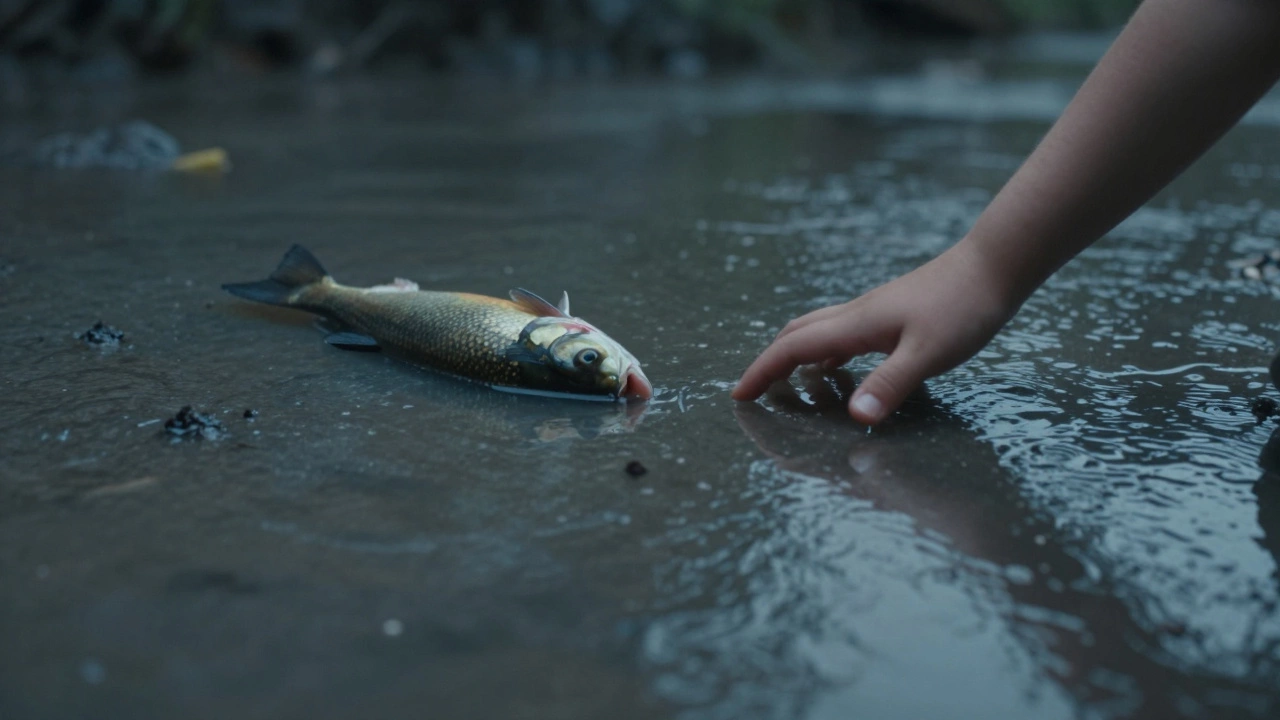
One 2022 study published in Environmental Toxicology found that even low concentrations of Pine-Sol’s main ingredients disrupted hormone function in fish. That’s not just an issue for wildlife - it’s a sign that these chemicals are biologically active. They don’t need to be deadly to cause damage.
Also, the plastic bottles? Most aren’t recycled properly. Even when they are, the residue from the cleaner can contaminate recycling streams. A 2024 report from the UK Environment Agency flagged cleaning product containers as one of the top five sources of microplastic pollution in household waste.
What Are the Better Alternatives?
You don’t need Pine-Sol to get a sparkling clean home. Here are three proven, safer options:
- White vinegar + water (1:1) - Kills mold, removes hard water stains, and deodorizes. Works on glass, tile, and stainless steel. Doesn’t kill all bacteria, but it’s safe and effective for daily use.
- Hydrogen peroxide (3%) - A natural disinfectant. Use it straight on cutting boards, sinks, or bathroom surfaces. It breaks down into water and oxygen - no toxic residue.
- Castile soap (like Dr. Bronner’s) - Made from plant oils. Mix 1/4 cup with a gallon of warm water. Cleans floors, counters, and even laundry. Biodegradable and non-toxic.
For extra cleaning power, add a tablespoon of baking soda. It scrubs without scratching and neutralizes odors. I’ve used this combo in my Bristol flat for two years - no allergies, no fumes, and my floors look better than they ever did with Pine-Sol.
When Might Pine-Sol Still Be Okay to Use?
Let’s not throw the baby out with the bathwater. There are times when Pine-Sol’s strength makes sense:
- Deep cleaning a garage floor covered in oil stains
- Disinfecting after someone in the house has had the flu (brief, targeted use)
- Removing stubborn graffiti or adhesive residue from outdoor surfaces
Even then, use it sparingly. Open windows. Wear gloves. Don’t mix it with anything else. And rinse the surface well after.
There’s also a newer version: Pine-Sol Multi-Surface Cleaner with 99% natural ingredients. It’s labeled “plant-based” and doesn’t contain bleach or synthetic dyes. But check the label - it still has alcohol and fragrance. It’s better than the original, but not truly green.
Final Verdict: Is Pine-Sol a Good Cleaner?
Yes - if your only goal is to remove dirt fast and you don’t mind chemicals. No - if you want to protect your family, your pets, or the environment.
Pine-Sol is a powerful tool, but it’s not a smart daily cleaner. It’s like using a chainsaw to trim your hedge. It gets the job done, but you’re risking damage you didn’t intend.
For everyday cleaning, stick to vinegar, baking soda, and castile soap. They’re cheaper, safer, and just as effective. Save Pine-Sol for the rare, heavy-duty jobs - and always ventilate the room.
Real eco-friendly cleaning isn’t about buying a bottle with a green label. It’s about choosing ingredients you can pronounce, using less, and trusting simple things that have worked for centuries.