Upholstery Steam Cleaning Compatibility Checker
Check Your Upholstery Safety
Is steam cleaning safe for your furniture? This tool evaluates your fabric type, care label, and condition to give you a clear safety assessment.
Result will appear here
Select options above to see your safety assessment
You’ve got a stained sofa, a smelly armchair, or a kid’s playroom couch that’s seen better days. You’re considering steam cleaning because it sounds powerful, deep-cleaning, even magical. But is steam cleaning good for upholstery? The short answer: it can be - but only if you know how, when, and what to avoid. Skip the guesswork. Here’s what really happens when you point a steam cleaner at your fabric furniture.
How Steam Cleaning Works on Fabric
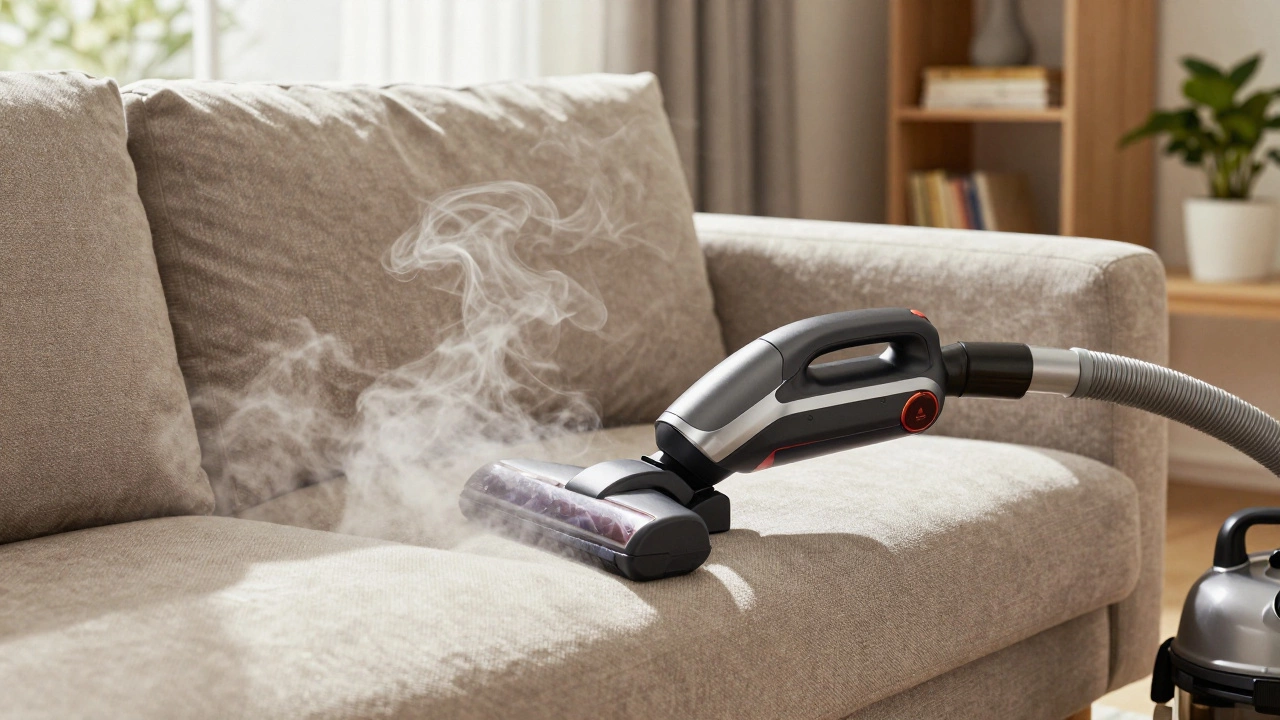
Steam cleaning uses hot water vapor - usually between 212°F and 300°F - to break down dirt, grease, and allergens. The heat loosens particles stuck in fibers, and the moisture lifts them out. No harsh chemicals. Just water turned into steam. That’s why it’s popular for homes with pets, kids, or allergies. But upholstery isn’t one material. It’s a mix of fabric, padding, foam, and sometimes wood or metal frames. Steam doesn’t treat them all the same.
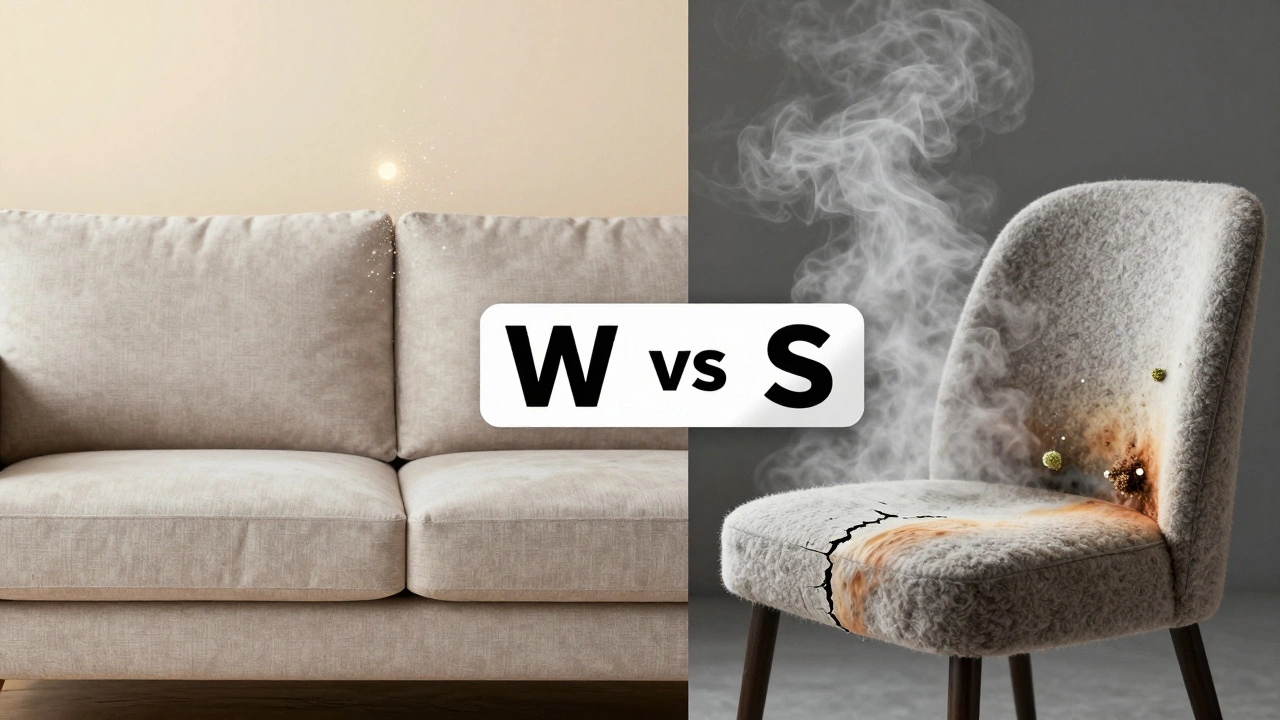
Most sofas use polyester, cotton, microfiber, or blends. Some have leather trim or wool accents. Each reacts differently to heat and moisture. Microfiber? Usually fine. Cotton? Often okay. Wool? Risky. Leather? Never. If your sofa has a care tag, check it. Look for codes: W (water-safe), S (solvent-only), SW (either), or X (no cleaning). If it says S or X, skip the steam.
The Pros of Steam Cleaning Upholstery
- Deep cleaning without chemicals - Steam penetrates deep into fabric layers, pulling out dust mites, pet dander, and sweat residues that vacuuming misses. A 2023 study by the UK Cleaning Association found steam reduced allergens by 87% in tested upholstery.
- Kills bacteria and odors - Heat above 160°F kills most common household germs. That’s why steam works well on couches that smell like old snacks, pets, or smoke. No air fresheners needed.
- Quick drying time - Compared to shampooing or wet extraction, steam leaves less moisture behind. Most fabrics dry in 2-4 hours if you use low-moisture settings and good airflow.
- Safe for most synthetic fabrics - Polyester, nylon, and microfiber handle steam well. These make up over 70% of modern upholstery.
The Real Risks You Can’t Ignore
Steam isn’t magic. It’s heat and water. And water + fabric = potential disaster if you’re careless.
- Shrinking and warping - Natural fibers like cotton, linen, or wool can shrink or lose shape under high heat. I’ve seen perfectly good armchairs turn stiff and puckered after a steam job gone wrong.
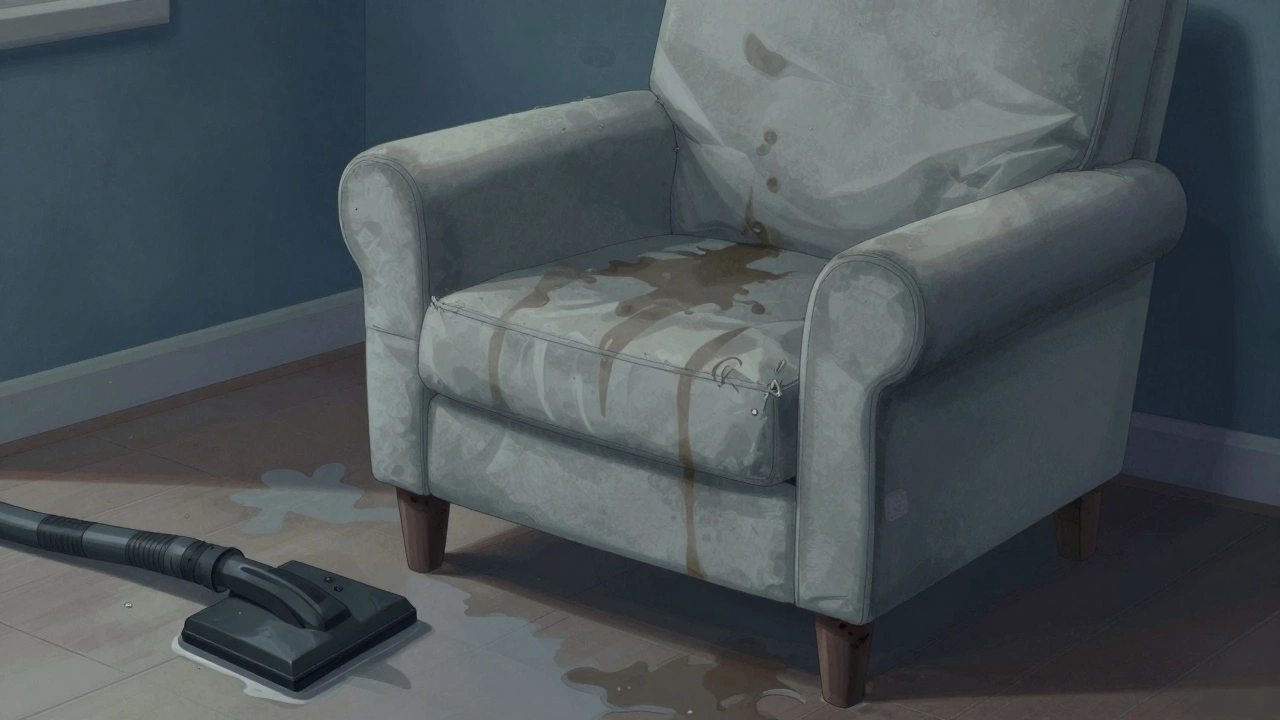
- Water damage to padding - Upholstery padding isn’t meant to soak. Too much moisture can trap water inside, leading to mold, mildew, or a soggy, smelly mess that takes weeks to dry. In damp climates like Bristol, this is a real risk.
- Color bleeding - Dyes in cheaper fabrics can run when exposed to heat and moisture. Dark reds, purples, and blacks are most at risk. Always test a hidden spot first - like under the cushion or on the backrest.
- Damage to seams and stitching - Steam can weaken glue bonds in padded areas or loosen stitching over time. Older or poorly made furniture is especially vulnerable.
When Steam Cleaning Works Best
Steam cleaning shines in three situations:
- Your sofa is mostly synthetic - Look for labels like "100% polyester" or "microfiber blend." These handle steam like a champ.
- You’re tackling odors or allergens - If the couch smells like wet dog or you’ve got asthma triggers, steam is one of the most effective tools you own.
- You’re doing light maintenance - Not a deep clean, just a refresh. Monthly steam on high-traffic areas keeps things fresh without overdoing it.
One client in Bristol had two cats and a beige microfiber couch. They used steam every six weeks. No stains. No smells. No damage. Just clean, soft fabric. That’s the sweet spot.
When to Avoid Steam Cleaning Altogether
Walk away from steam if:
- The care label says "S" or "X" - That means only dry cleaning solvents are safe.
- The fabric is wool, silk, or untreated cotton - These are delicate. Steam will likely ruin them.
- The upholstery is old, frayed, or has loose stitching - Heat can break down already weak materials.
- You’re using a rental or cheap steam cleaner - Many store-bought models dump too much water. Professional units have better temperature and moisture control.
I once saw a sofa ruined by a £60 steam cleaner bought online. The user thought "more steam = better." Instead, they soaked the foam. Two months later, the cushions smelled like a damp basement. The client had to replace the whole frame.
How to Steam Clean Upholstery Safely
If you’ve decided to go ahead, here’s how to do it right:
- Check the tag - Always. No exceptions.
- Vacuum first - Remove loose dirt, hair, crumbs. Steam won’t help if the surface is clogged.
- Test a hidden spot - Spray a small area under the cushion. Wait 24 hours. Look for color change, shrinkage, or stiffness.
- Use low-moisture mode - Most steam cleaners have adjustable settings. Pick the lowest moisture level that still produces steam.
- Move slowly - Don’t linger. Glide the nozzle in slow, overlapping strokes. Don’t hold it in one place.
- Boost airflow - Open windows. Use fans. Dry time matters more than you think.
- Don’t steam leather trim - Use a damp cloth and mild soap instead.
Alternatives to Steam Cleaning
Steam isn’t the only option. Here’s what else works:
| Method | Best For | Drying Time | Risk Level |
|---|---|---|---|
| Steam Cleaning | Synthetic fabrics, odors, allergens | 2-4 hours | Low to Medium |
| Upholstery Shampoo | Heavy stains, deep dirt | 12-24 hours | Medium |
| Dry Powder Cleaning | Delicate fabrics, wool, silk | 1-2 hours | Low |
| Professional Extraction | High-end or antique furniture | 6-12 hours | Low (if done right) |
Dry powder cleaning is growing in popularity. It uses absorbent powders that trap dirt, then get vacuumed up. No water. No drying time. Perfect for wool or vintage pieces. And professional extraction? That’s what cleaners use for high-end sofas. It’s expensive, but if your couch cost over £1,000, it’s worth it.
Final Verdict: Is Steam Cleaning Good for Upholstery?
Yes - if your sofa is made of synthetic fabric, you’re not trying to revive a 20-year-old armchair, and you use the right settings. For most modern homes, steam cleaning is a safe, effective way to keep upholstery fresh.
But if your furniture has natural fibers, delicate stitching, or an "S" or "X" care code, don’t risk it. The damage isn’t always obvious right away. Mold, shrinkage, or glue failure can show up weeks later. And once it’s ruined, you can’t undo it.
When in doubt, vacuum regularly. Spot-clean stains with a mild soap solution. And if you’re unsure, hire a pro. A £50 service call is cheaper than replacing a sofa.
Can steam cleaning damage my sofa?
Yes, if you use too much moisture, apply heat to delicate fabrics like wool or silk, or ignore the care label. Steam can cause shrinking, color bleeding, or water damage to the padding underneath. Always test a hidden area first and use low-moisture settings.
How often should I steam clean my couch?
For most households, once every 6 to 12 months is enough. If you have pets, kids, or allergies, you can do it every 3 to 4 months. More often than that risks wearing down the fabric over time. Always vacuum between steam cleanings to remove surface dirt.
Do I need a special steam cleaner for upholstery?
You don’t need a "special" one, but you should avoid cheap, high-pressure models designed for floors or tiles. Look for a unit with adjustable steam settings, a fabric attachment, and low moisture output. Professional-grade models like the Bissell Steam Shot or Hoover Power Scrub are better suited for upholstery than basic models.
What if my sofa label says "S" or "X"?
Don’t use steam. "S" means solvent-only cleaning - you need a dry cleaning chemical. "X" means no liquid or steam at all. In both cases, use a dry powder cleaner or call a professional. Forcing water into these fabrics can permanently ruin them.
Can steam cleaning remove pet urine stains?
Steam alone won’t remove pet urine odor or stains. The heat can actually set the odor deeper into the padding. First, blot up as much as possible. Then treat with an enzyme cleaner designed for pet stains. Once the stain is neutralized, you can lightly steam to freshen the fabric - but never as the first step.
What to Do Next
If your upholstery is in good shape and made of synthetic fabric, give steam cleaning a try. Start slow. Test a hidden spot. Use low moisture. And watch how it dries. You might be surprised how clean it gets - without chemicals, without hassle.
If you’re unsure, skip it. Vacuum more often. Spot-clean stains right away. And when the time comes, consider a professional cleaner. They’ve seen what happens when people rush steam cleaning. They know the difference between a safe refresh and a disaster waiting to happen.