Spring Cleaning Calculator
What's Your Cleaning Style?
Cleaning Scope Comparison
Your Cleaning Depth Score
Select your cleaning style to see your score
Most people think cleaning is cleaning-sweep, wipe, vacuum, done. But if you’ve ever done a proper spring clean versus your usual weekly tidy-up, you know they’re not the same. One feels like a chore. The other feels like a reset.
Regular Cleaning: The Daily Grind
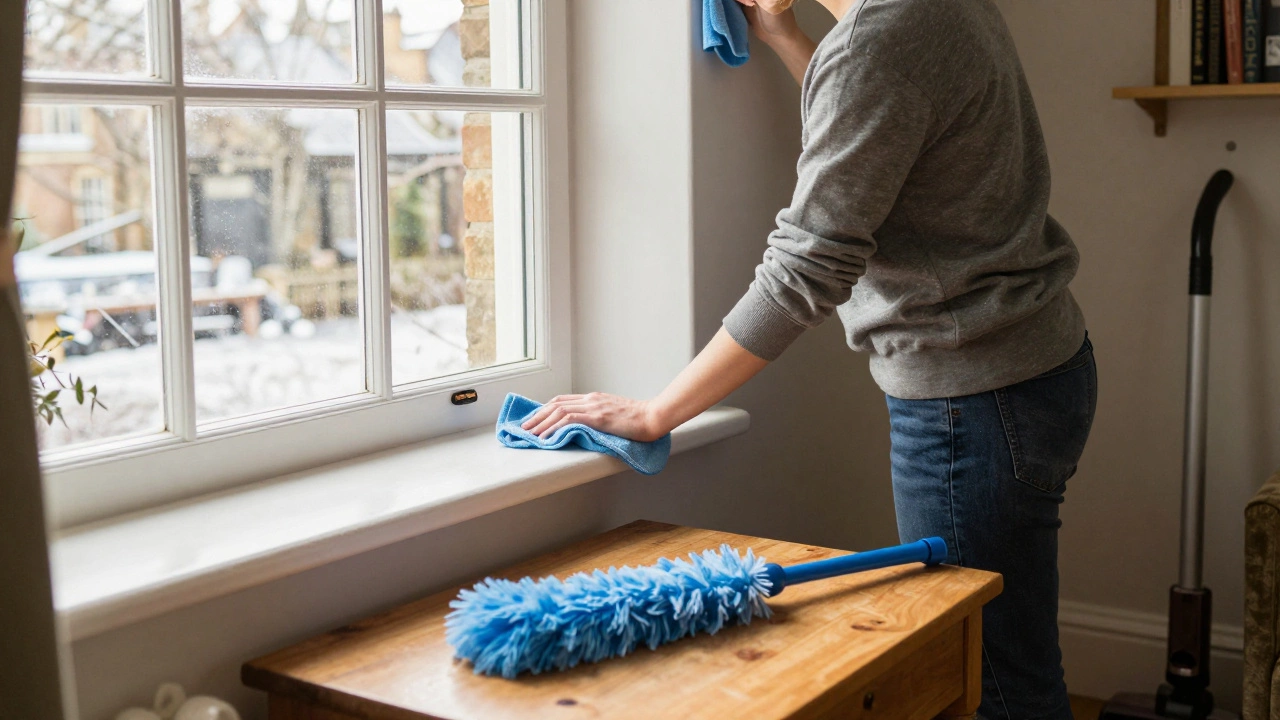
Regular cleaning is what keeps your home from turning into a disaster zone. It’s the routine stuff you do every week or every other day. Dusting surfaces, vacuuming carpets, wiping kitchen counters, emptying the bins, cleaning the bathroom sink. These tasks take 30 to 60 minutes, max. You don’t need a playlist or a plan-you just do it while you’re already up and about.
This kind of cleaning is about maintenance. It stops dirt from building up. It’s like brushing your teeth. Skip it for a few days, and you notice. Skip it for weeks, and you’ve got a problem. Regular cleaning targets high-traffic areas: the kitchen, the bathroom, the living room floor. It doesn’t touch the top of the fridge, the inside of the medicine cabinet, or the baseboards behind the sofa. Those? They’re not on the radar.
Think of regular cleaning as your home’s hygiene routine. It’s necessary, but it doesn’t fix long-term neglect. It’s reactive, not transformative.
Spring Cleaning: The Big Reset
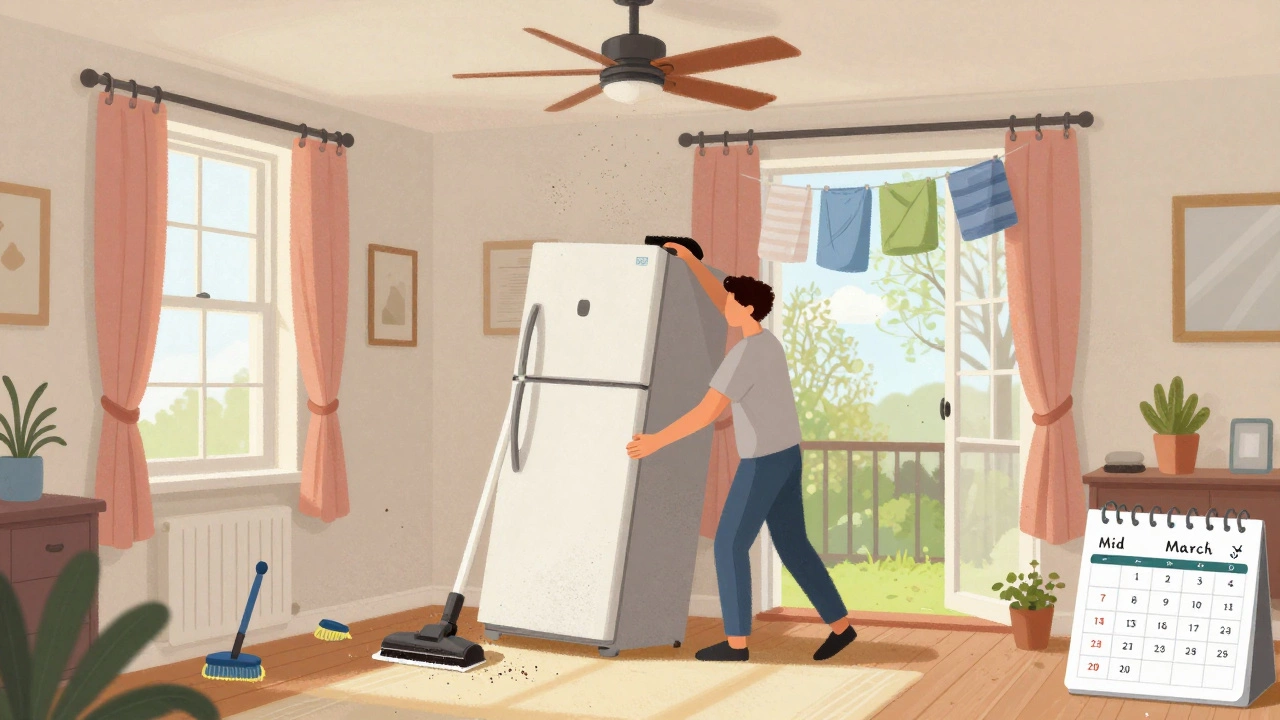
Spring cleaning isn’t just cleaning-it’s a full system check. It’s the annual deep dive into the corners, crevices, and clutter you’ve been ignoring since last October. It’s cleaning the windows inside and out, washing the curtains, moving the fridge to vacuum behind it, decluttering the attic, scrubbing the grout in the shower, and washing the baseboards with a toothbrush.
In Bristol, where damp winters leave a layer of grime on window sills and carpets, spring cleaning isn’t optional. It’s a ritual. People open windows for the first time in months, let in the fresh air, and start from the top of the house and work down. Dust falls. You sweep it up. Then you do it again.
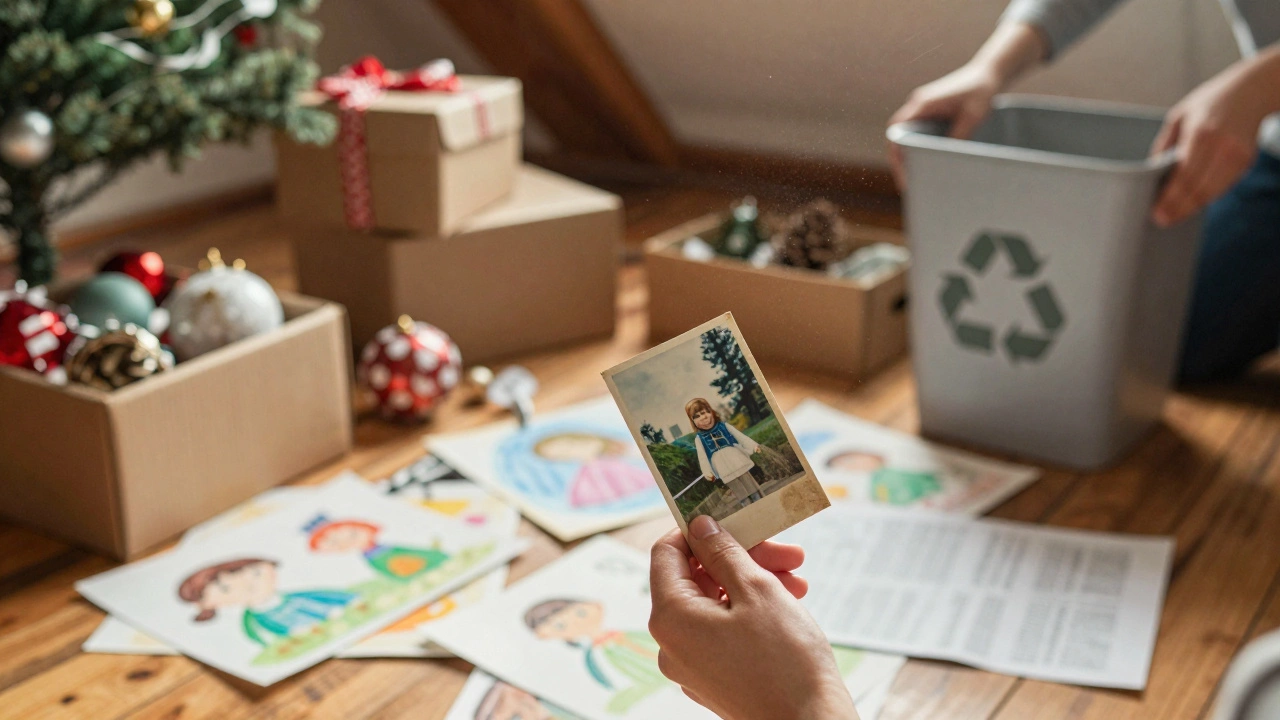
Spring cleaning takes time. A weekend isn’t enough. Most people spread it over two to four weekends. It’s not about speed-it’s about thoroughness. You move furniture. You empty drawers. You sort through old paperwork, kids’ artwork, and that box of Christmas decorations you swore you’d organize last year.
Unlike regular cleaning, spring cleaning is proactive. You’re not just removing dirt-you’re removing clutter, outdated items, and habits that have built up over months. It’s about making space, not just cleaning it.
What You Do in Spring Cleaning That You Never Do in Regular Cleaning
- Washing walls and baseboards with a damp cloth and mild cleaner
- Deep-cleaning the oven, microwave, and fridge interior
- Rotating and flipping mattresses
- Washing all window treatments-curtains, blinds, sheers
- Cleaning ceiling fans and light fixtures
- Decluttering storage areas: cupboards, garages, sheds
- Checking smoke detectors and replacing batteries
- Wiping down doors, door handles, and light switches
- Cleaning the inside of the dishwasher and washing machine
- Polishing wood furniture and checking for scratches
These aren’t weekend tasks. They’re annual ones. And if you skip them, dirt and dust build up in places that don’t get air, light, or attention. Over time, that leads to odours, mould, and even allergens that affect your health.
Why Spring Cleaning Matters More Than You Think
It’s not just about looking nice. A 2024 study by the UK’s National Institute for Health and Care Excellence found that homes with regular deep cleaning had 37% fewer airborne allergens in spring and summer compared to homes that only did routine cleaning. That’s not a small difference-it’s the difference between feeling tired all the time and breathing easy.
Spring cleaning also gives you a mental reset. When you clear out the clutter, you clear out the mental fog. You notice what you actually use, what you don’t, and what’s just taking up space. That’s why people in Bristol, Manchester, and Edinburgh swear by it. It’s not tradition-it’s psychology.
And here’s something most people miss: spring cleaning is your best chance to spot problems before they become expensive. A leak behind the washing machine. A crack in the bathroom tile. A loose hinge on the front door. You don’t find those during a quick tidy. You find them when you’re moving things around.
When Should You Do Spring Cleaning?
Technically, spring cleaning happens in spring. But in the UK, spring doesn’t really start until late March or early April. That’s why most people do it between mid-March and mid-April. The weather is better. The days are longer. You can open windows without freezing.
Don’t wait until May. That’s too late. The goal is to clear out winter grime before the pollen starts flying. If you wait until summer, you’re just cleaning for the sake of it. The point is to refresh your space before the active months begin.
Some people do a mini-spring clean in autumn-called “fall cleaning”-to prepare for the colder months. But that’s usually lighter. It’s about sealing drafts, checking insulation, and cleaning the heating system. Spring is the full reset.
Can You Combine the Two?
You can-but you shouldn’t. If you try to do spring cleaning every week, you’ll burn out. If you only do spring cleaning once a year and skip the regular stuff, your home will get grimy fast.
The best approach is simple: stick to your regular cleaning schedule. Then, once a year, set aside time for the big stuff. Think of it like a dental check-up. You brush daily. You go in for a deep clean once a year.
And if you’re short on time? Start small. Pick one room. Clean the windows. Wash the curtains. Vacuum under the bed. That’s still spring cleaning. You don’t need to do it all at once.
What Happens If You Skip Spring Cleaning?
Nothing explodes. But over time, things get worse.
- Dust builds up in vents, making your heating system work harder-and costing more to run.
- Mould grows in damp corners you never check.
- Old cleaning products expire and leak, staining carpets and cabinets.
- Pets and kids track in more dirt because the floor hasn’t been deep-cleaned in months.
- You start forgetting where things are because you’ve stuffed them into drawers and boxes.
It’s not about perfection. It’s about awareness. If you’ve never moved the sofa to vacuum underneath, you don’t know what’s there. And that’s the point of spring cleaning-it makes the invisible visible.
Final Thought: It’s Not About Perfection
Spring cleaning doesn’t need to be flawless. You don’t need to scrub every tile in the bathroom. You don’t need to declutter your entire wardrobe. Just do more than you normally do. Move one piece of furniture. Wash one window. Clean one shelf.
That’s all it takes to make a difference. Because in the end, spring cleaning isn’t about cleaning. It’s about reconnecting with your space. And that’s worth doing-even if it’s just a little bit.