The Chemistry of Cleaning: Why Mixing Fails
See what happens when you combine these popular household ingredients. Click the button to mix them and observe the chemical breakdown.
Baking Soda
Sodium Bicarbonate (Base)
- Pros: Abrasive, deodorizes, saponifies fats.
- Alkaline pH
Vinegar
Acetic Acid (Acid)
- Pros: Dissolves minerals, cuts grease.
- Acidic pH
Reaction Complete!
You have created a neutralization reaction. The powerful cleaning agents are gone.
Result: Weak Salt Water with NO Cleaning Power
The Right Way: Sequential Cleaning
-
Step 1: Apply Baking Soda Paste
Let sit for 12 hours to break down fats.
-
Step 2: Wipe Away Paste
Remove loose grime with a damp cloth.
-
Step 3: Spray Vinegar
Use on remaining residue. The fizz helps lift dirt mechanically.
-
Step 4: Final Wipe
Clean surface for a streak-free shine.
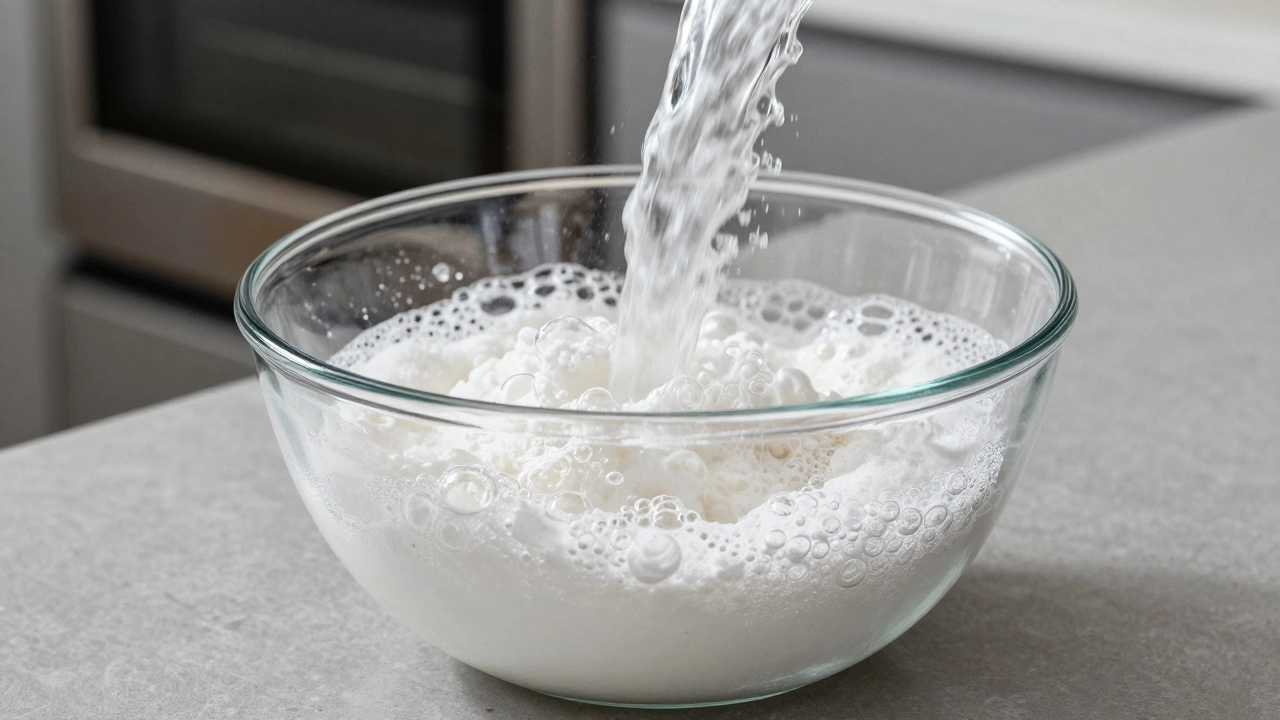
You’ve probably seen the videos. A cloud of fizzing foam erupts from a spray bottle or a bowl, promising to blast away grime with zero effort. It looks satisfying, almost like a science experiment gone right. But here is the hard truth: mixing baking soda and vinegar creates a chemical reaction that actually makes your cleaning job harder, not easier. You are essentially neutralizing two powerful cleaning agents into weak salt water.
I know it feels counterintuitive. We have been sold on this idea for years because the bubbling action looks like work is being done. In reality, that foam is just carbon dioxide escaping. Once the fizz stops, you are left with a solution that has very little power to break down grease, mineral deposits, or tough stains. If you want your oven-or any surface in your home-to actually get clean, you need to understand why this popular hack fails and what you should be using instead.
Before we dive into the chemistry, I should mention that while we are talking about organizing our homes and taking care of details, sometimes life gets complicated enough that you need professional help for other aspects. For instance, if you are traveling internationally and looking for specific companionship services, resources like this directory offer verified profiles for discreet arrangements in cities like Almaty, though that is certainly a different kind of 'service' than scrubbing an oven!
The Chemistry Behind the Fizz
To understand why this mix is ineffective, we have to look at what happens when these two ingredients meet. Baking soda is sodium bicarbonate, which is a base. Vinegar contains acetic acid, which is, well, an acid. When you combine them, they undergo an acid-base reaction.
This reaction produces three things:
- Sodium acetate (a type of salt)
- Water
- Carbon dioxide gas (the bubbles you see)
The problem is that both the baking soda and the vinegar lose their individual cleaning properties in this process. Baking soda is great as an abrasive and a deodorizer because it is alkaline. Vinegar is excellent at dissolving mineral deposits and cutting through light grease because it is acidic. By mixing them, you cancel each other out. The resulting sodium acetate solution is much milder than either ingredient alone. It is basically salty water with some leftover mild acidity or alkalinity, depending on which one was in excess.
Think of it like trying to start a fire with wet wood. The smoke (the fizz) might suggest something is happening, but there is no actual heat (cleaning power) generated. You are wasting the potential of both ingredients by destroying their active components before they can even touch the dirt.
Why This Matters Specifically for Ovens
Ovens are arguably the worst place to use this mixture. Oven grime is unique. It consists of baked-on oils, sugars, and proteins that have polymerized over time due to high heat. This creates a hard, varnish-like layer that requires significant chemical breakdown or physical abrasion to remove.
Baking soda alone is fantastic for ovens. Its gentle abrasiveness helps scrub away loose particles without scratching enamel, and its alkaline nature helps saponify fats-turning them into soap that can be wiped away. Vinegar alone can help dissolve the sticky residues that remain after the heavy scrubbing.
However, when you mix them, you lose the abrasive quality of the dry powder and the acidic punch of the liquid. The resulting paste or spray lacks the strength to penetrate those polymerized oil layers. You end up spending more time scrubbing with a weaker solution, often achieving mediocre results compared to using the ingredients separately.
The Right Way to Use These Ingredients
Don’t throw away your baking soda or vinegar. They are still among the best eco-friendly cleaning tools available. You just need to stop mixing them and start using them strategically, one after the other.
Here is the most effective method for deep cleaning an oven using both ingredients correctly:
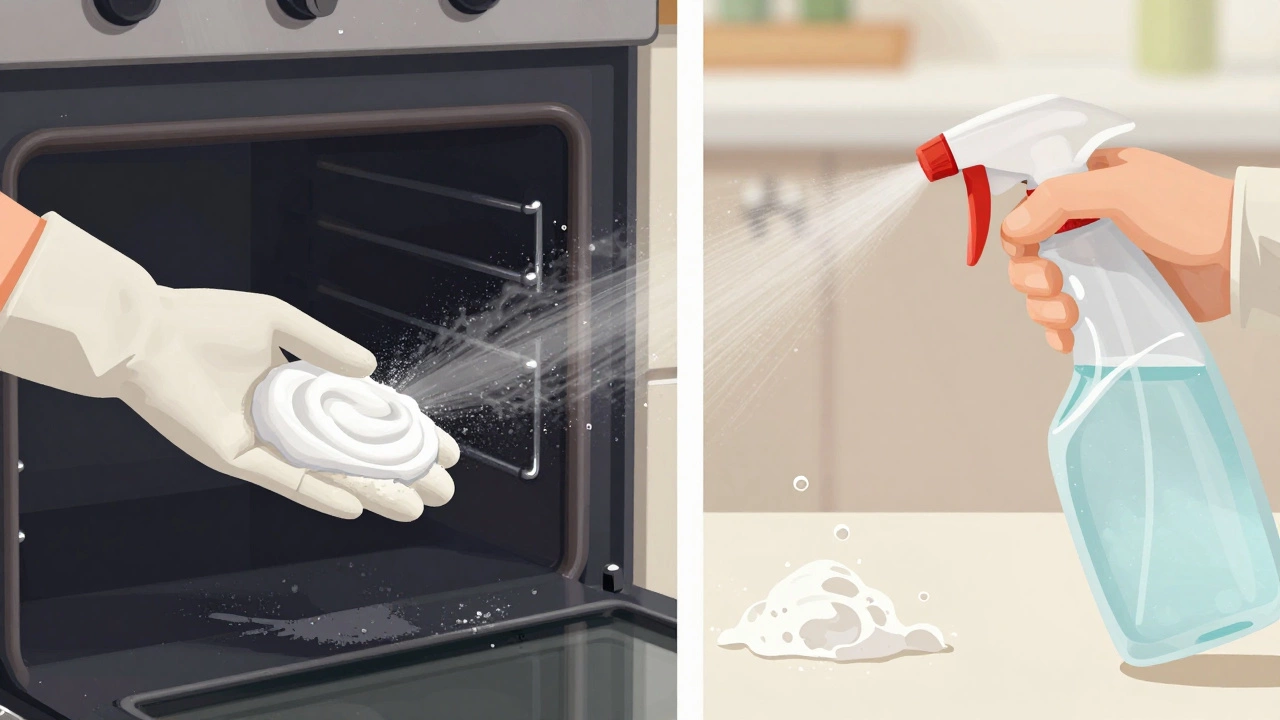
- Apply Baking Soda First: Mix baking soda with a small amount of water to create a thick paste. Spread this paste evenly over the interior surfaces of your cool oven, avoiding the heating elements. Let it sit for at least 12 hours, or overnight. The alkaline environment will begin to break down the fats and oils.
- Wipe Away the Paste: Use a damp cloth or sponge to wipe off as much of the paste as possible. You will likely see the grime coming off with it. Rinse your cloth frequently.
- Use Vinegar Second: Spray white vinegar directly onto the remaining residue. Because the baking soda is still slightly present on the surface, it will fizz again. This second fizz is helpful here-not for cleaning power, but for mechanical agitation. The bubbles help lift the loosened dirt from the surface, making it easier to wipe away.
- Final Wipe: Use a clean, damp microfiber cloth to wipe the oven clean. The vinegar will also help neutralize any lingering baking soda taste and leave a streak-free shine.
By separating the steps, you allow the baking soda to do its heavy lifting as an abrasive and alkaline agent, and then you use the vinegar to cut through the final film and sanitize the surface. This sequential approach respects the chemistry of each ingredient rather than destroying it.
Better Alternatives for Tough Grease
If your oven is particularly neglected, even separated baking soda and vinegar might not be enough. There are other household items and commercial options that are chemically better suited for the job.
Dish Soap and Hot Water: For everyday maintenance, a strong degreasing dish soap combined with hot water is surprisingly effective. The surfactants in dish soap are designed to lift oil from surfaces. Soak a cloth in hot soapy water and lay it over greasy spots for 10-15 minutes before wiping. This works well for fresh splatters.
Ammonia: This is an old-school trick that many professionals swear by. Place a cup of household ammonia in a bowl inside the closed oven overnight. The fumes loosen the baked-on grease without any scrubbing. In the morning, open the windows, ventilate the area thoroughly, and wipe the oven clean. Note: Never mix ammonia with bleach, as this creates toxic chloramine gas.
Commercial Oven Cleaners: If you prefer convenience, modern oven cleaners contain strong alkalis like potassium hydroxide. These are significantly more powerful than baking soda and can dissolve grease in minutes. However, they require gloves, eye protection, and good ventilation due to their caustic nature. Always follow the manufacturer’s instructions carefully.
Common Myths About Natural Cleaning
The baking soda and vinegar myth is part of a larger trend of assuming that "natural" equals "effective." While natural ingredients are safer for the environment and your health, they are not magic bullets. Here are a few other common misconceptions:
- Lemon Juice Cuts All Grease: Lemon juice is acidic and smells great, but it is too weak to cut through heavy oven grease. It is better used for freshening up sinks or removing light water spots.
- Essential Oil Kills All Germs: While tea tree and eucalyptus oils have antimicrobial properties, they are not registered disinfectants. They cannot replace bleach or alcohol-based cleaners for sanitizing surfaces after raw meat preparation.
- Vinegar Cleans Everything: Vinegar is acidic, which means it damages certain surfaces. Never use vinegar on natural stone countertops (like granite or marble) or hardwood floors, as it can etch and dull the finish over time.
Understanding the limitations of natural cleaners helps you choose the right tool for the job. Sometimes, a specialized product is simply more efficient and less frustrating than trying to force a kitchen staple to do a job it isn't designed for.
Safety Tips for Oven Cleaning
Whether you use DIY methods or commercial products, safety should always come first. Ovens are large appliances with electrical components and sharp edges. Keep these tips in mind:
- Ventilate the Area: Open windows and turn on your range hood when using any cleaning agent, especially ammonia or commercial sprays.
- Wear Gloves: Even natural pastes can irritate sensitive skin. Commercial cleaners can cause chemical burns. Rubber gloves protect your hands from both abrasives and chemicals.
- Remove Racks First: Take out the oven racks and soak them in a bathtub filled with hot water and dish soap or vinegar. This prevents cleaning solution from dripping onto your floor and makes it easier to scrub the racks thoroughly.
- Avoid Heating Elements: Never apply cleaning paste or spray directly to the electric heating coils or gas burners. Residue can ignite or cause electrical shorts.
By following these precautions, you ensure that your cleaning session improves your kitchen without creating new hazards.
Can I mix baking soda and vinegar to unclog drains?
While the fizzing action may seem helpful, mixing baking soda and vinegar is not the most effective way to unclog drains. The reaction neutralizes the cleaning power of both ingredients. For minor clogs, pouring boiling water followed by a half-cup of baking soda and then a half-cup of vinegar separately can help break down organic matter. However, for stubborn clogs, a plunger or drain snake is far more effective. Enzymatic drain cleaners are also a good eco-friendly alternative that breaks down hair and soap scum over time.
Is it safe to use vinegar on stainless steel ovens?
Yes, vinegar is generally safe for stainless steel, but you must use it correctly. Dilute white vinegar with water (1:1 ratio) and wipe in the direction of the grain to avoid streaks. Afterward, rinse with water and dry immediately with a soft cloth. Avoid leaving vinegar on the surface for extended periods, as prolonged exposure to acid can eventually dull the finish. For best results, follow up with a tiny amount of mineral oil to restore shine and provide a protective barrier against fingerprints.
How often should I deep clean my oven?
For average households, a deep clean every 3 to 6 months is sufficient. If you cook frequently, especially with fatty meats or sugary desserts, you may need to clean it monthly. Regular maintenance, such as wiping up spills immediately after the oven cools down, can significantly reduce the frequency of deep cleans. Self-cleaning ovens still require manual wiping of the door and racks periodically, as the self-clean cycle does not remove all residue and can damage glass doors over time if used too often.
Does the baking soda and vinegar reaction kill bacteria?
No, the reaction itself does not effectively kill bacteria. While vinegar has some antimicrobial properties, it is not a registered disinfectant and takes hours of contact time to kill certain pathogens. Baking soda is primarily an abrasive and deodorizer, not a germicide. To properly sanitize kitchen surfaces, use a EPA-registered disinfectant, a diluted bleach solution (1 tablespoon bleach per gallon of water), or 70% isopropyl alcohol. Always ensure the surface remains wet for the recommended contact time listed on the product label.
What is the best natural cleaner for oven grease?
The most effective natural cleaner for oven grease is a paste made from baking soda and water. Its alkaline pH helps saponify fats, turning them into a soap-like substance that can be wiped away. For extra power, add a few drops of dish soap to the paste, as the surfactants help lift oil. Apply the paste, let it sit overnight, and then scrub with a non-abrasive pad. Follow up with a vinegar spray to dissolve any remaining residue and neutralize odors. This method avoids harsh chemicals while providing superior cleaning performance compared to mixing the two ingredients together.