Vinegar Safety Checker
Select a surface from the list below to see if it is safe to clean with white vinegar.
White vinegar is the holy grail of eco-friendly cleaning. It’s cheap, smells better than bleach once it dries, and cuts through grease like a dream. But here is the catch: it is also one of the most destructive substances you can put on certain household surfaces. Because it is an acid (specifically acetic acid with a pH of around 2.5), it eats away at materials that are sensitive to low pH levels. If you have ever wiped down your kitchen counters with a vinegar solution and noticed they look dull or cloudy the next day, you probably made a mistake.
The problem isn’t that vinegar is bad; it’s that people treat it like a universal solvent. It works wonders on glass, stainless steel, and fabric, but it can permanently ruin stone, wood, and electronics. Knowing when to put the spray bottle down is just as important as knowing when to use it. Let’s break down exactly where vinegar causes more harm than good, so you don’t accidentally turn your beautiful home into a science experiment gone wrong.
Stone Surfaces: The Acid Enemy
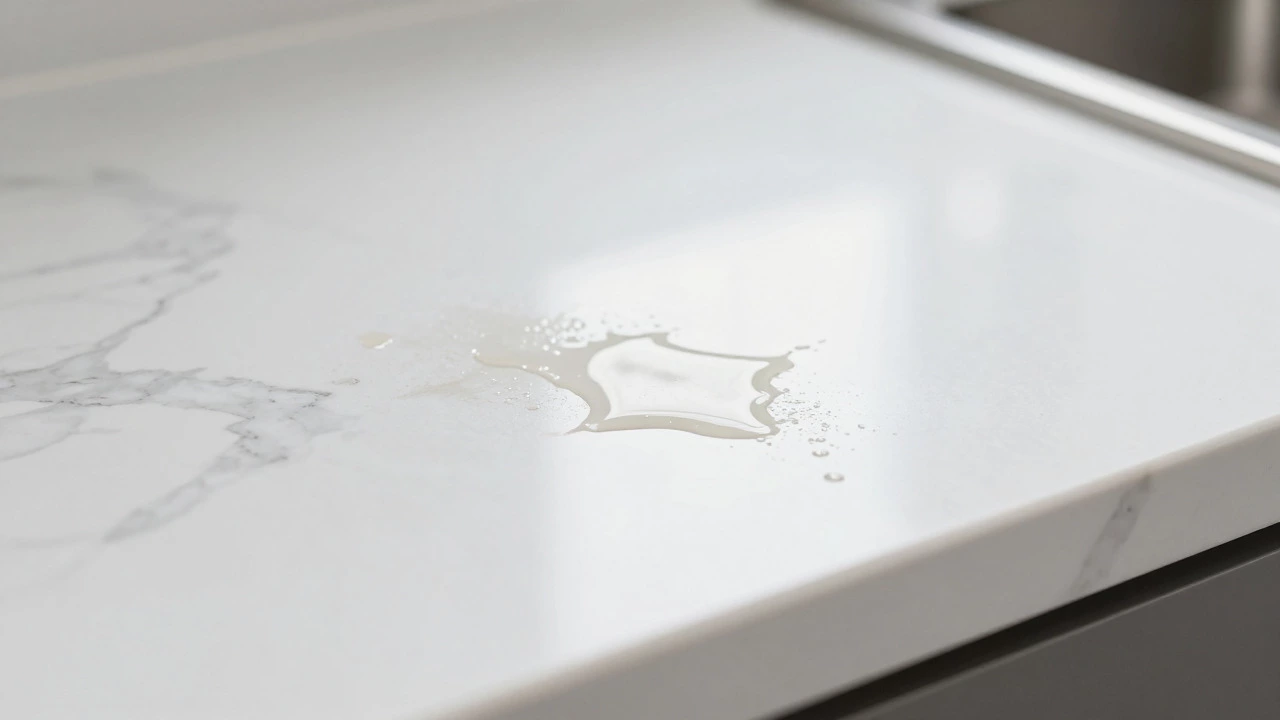
If you own natural stone countertops, floors, or tiles, vinegar is your enemy. This includes Marble, a calcite-based stone commonly used for countertops and flooring, Granite (if unsealed or porous), an igneous rock often used in kitchens, though more resistant than marble, Slate, a fine-grained metamorphic rock used for roofing and flooring, and Limestone, a sedimentary carbonate rock sensitive to acids.
These stones are primarily made of calcium carbonate. When acetic acid touches calcium carbonate, a chemical reaction occurs that dissolves the surface layer. This process is called etching. You won’t see it happen instantly, but over time, the shiny, polished finish disappears, leaving behind dull, matte spots that light reflects poorly off of. Once etched, the damage is permanent. You cannot buff it out easily, and you usually need a professional restoration service to re-polish the stone, which costs hundreds of dollars.
Even if your granite is sealed, sealants wear down. A quick wipe with vinegar might seem harmless today, but repeated exposure breaks down the sealant, allowing stains to penetrate deeper later. Stick to pH-neutral cleaners specifically designed for stone. For a safe DIY option, mix a few drops of mild dish soap with warm water. It’s boring, but it saves your countertops.
Wood Floors and Furniture
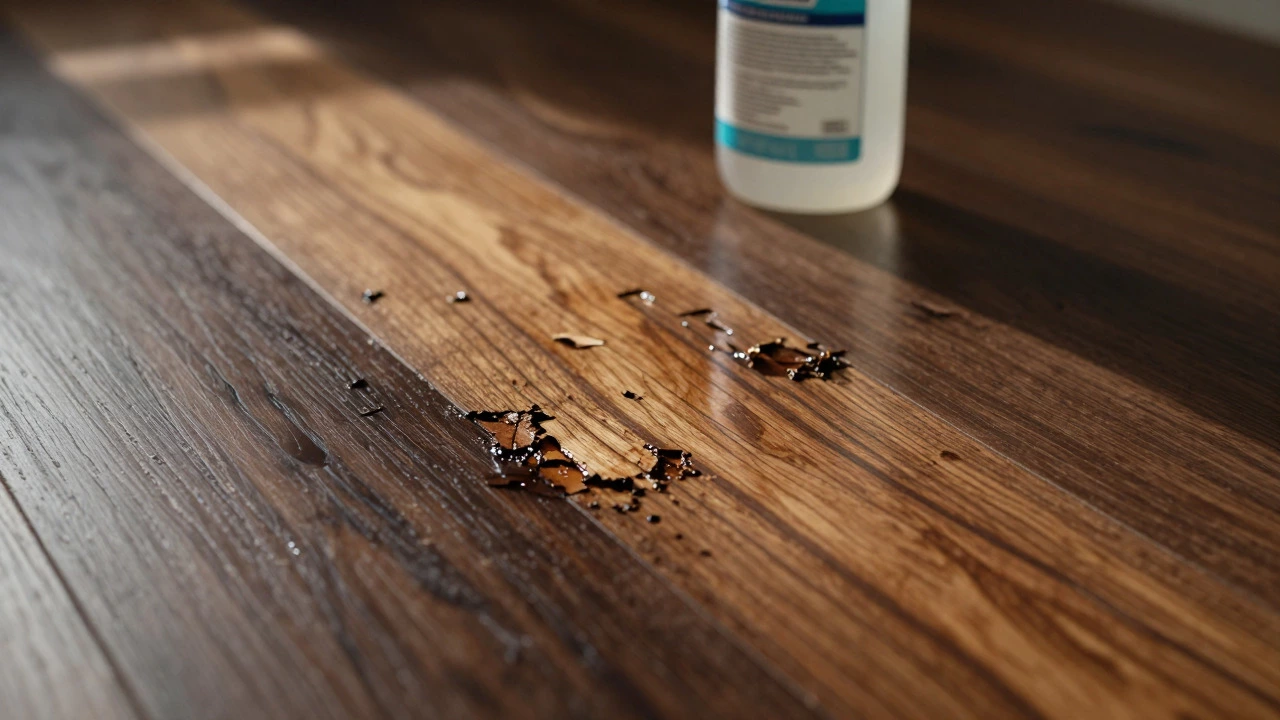
Vinegar strips the protective finish off wood. Whether you have hardwood floors, laminate, or solid wood furniture, the varnish, polyurethane, or wax coating is what keeps the wood looking good and protected from moisture. Acids degrade these finishes. Over time, using a vinegar-water mixture on wood will make it look dry, brittle, and cloudy. The natural oils in the wood evaporate faster without that protective barrier, leading to cracks and warping.
This is especially true for older homes with oil-finished floors. Those floors rely on regular maintenance with specific oils. Vinegar acts as a degreaser, stripping away those essential oils and leaving the wood vulnerable. If you want to clean wood, use a cleaner formulated for that specific type of finish. A damp microfiber cloth with a tiny bit of wood-safe cleaner is all you really need. Don’t risk the aesthetic value of your hardwood floors for a $2 bottle of vinegar.
Ceramic and Porcelain Grout
We often think of tile as tough, and it is. Ceramic and porcelain tiles are glazed and generally resistant to acids. However, the stuff between the tiles-grout-is a different story. Most grout is cement-based, meaning it contains lime and other alkaline compounds. While not as reactive as marble, frequent exposure to strong acids like vinegar can break down the integrity of the grout lines.
Over months or years, this breakdown makes the grout more porous and prone to cracking. Once the grout crumbles, water gets underneath the tiles, leading to mold growth and structural issues in your bathroom or kitchen. For routine cleaning, stick to a neutral pH tile cleaner. If you have tough mold in the grout, a paste of baking soda and hydrogen peroxide is a much safer alternative that lifts stains without eating away at the cement matrix.
Electronics and Screens
You might be tempted to use vinegar to clean your TV screen, computer monitor, or smartphone because it leaves no streaks on windows. But screens are delicate. They often have anti-glare, oleophobic (oil-repelling), or anti-reflective coatings. These thin layers are not designed to withstand acidic solutions.
Vinegar can strip these coatings, causing permanent cloudiness or rainbow-like distortions on your display. Worse yet, liquid seeping into the edges of devices can short-circuit internal components. Even if you spray the cloth and not the screen directly, the acidity remains a risk. Always use a microfiber cloth slightly dampened with distilled water or a cleaner specifically labeled for electronic screens. If you must use a homemade solution, a 1:1 mix of distilled water and rubbing alcohol is safer than vinegar, but pure water is best.
Rubber Gaskets and Seals
Have you ever noticed the rubber seals around your washing machine door or dishwasher starting to crack or smell funky? Vinegar can accelerate the degradation of rubber. Natural rubber and some synthetic rubbers used in appliance gaskets are susceptible to oxidation and chemical breakdown when exposed to acids regularly.
This is particularly relevant for front-loading washing machines. People often run empty cycles with vinegar to remove odors. While this kills bacteria, the residual acid can dry out the rubber door boot, causing it to become brittle and tear. A torn seal lets water leak onto your floor every time you do laundry. To clean these areas, use a dedicated rubber protector or a mild soap solution. Wipe them dry thoroughly after every wash to prevent mold without resorting to harsh acids.
Cast Iron Cookware
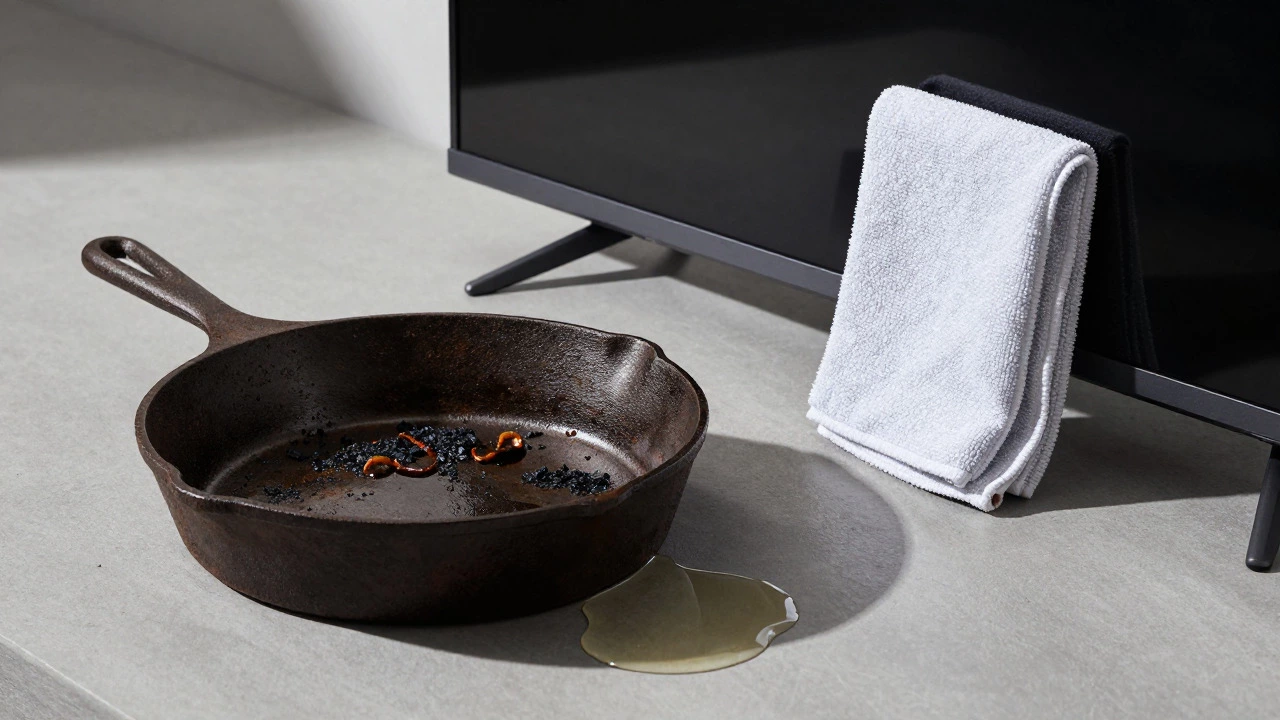
If you love cooking with cast iron, you know the golden rule: never soak it, and never use soap (traditionally). Vinegar falls into the danger zone too. Cast iron relies on a layer of polymerized oil, known as seasoning, to prevent rust and provide a non-stick surface. Acids dissolve this seasoning.
If you leave cast iron in a vinegar bath to remove rust, you are indeed removing the rust, but you are also stripping the seasoning entirely. You will then have to re-season the pan from scratch, which involves heating oil to its smoke point repeatedly. For routine cleaning, hot water and a stiff brush are sufficient. If you need to deep clean, use coarse salt as an abrasive instead of an acidic soak. Save the vinegar for descaling kettles, not your favorite skillet.
Mixing Vinegar with Bleach or Hydrogen Peroxide
This isn’t about damaging surfaces, but about damaging yourself. Never mix white vinegar with chlorine bleach. The acid in the vinegar reacts with the bleach to create chlorine gas, a toxic respiratory irritant that was used as a chemical weapon in World War I. Even small amounts in a poorly ventilated bathroom can cause coughing, wheezing, and eye irritation.
Mixing vinegar with hydrogen peroxide creates peracetic acid. While not as immediately deadly as chlorine gas, peracetic acid is corrosive and can irritate the skin, eyes, and throat. It’s best to keep these chemicals separate. Use vinegar for mineral deposits and grease, and save the bleach or peroxide for disinfecting and whitening, but never combine them in the same container or on the same surface without rinsing thoroughly in between.
| Surface Type | Vinegar Safe? | Why? | Better Alternative |
|---|---|---|---|
| Marble/Granite Countertops | No | Acid etches calcium carbonate | pH-neutral stone cleaner |
| Hardwood Floors | No | Strips protective finish/wax | Wood-specific floor cleaner |
| Glass Windows | Yes | Dissolves minerals without residue | Vinegar + water + newspaper |
| Stainless Steel Appliances | Yes (with caution) | Cuts grease; wipe with grain | Mineral oil for shine after |
| Ceramic Tile Grout | No | Degrades cement over time | Baking soda paste |
| Cast Iron Skillets | No | Strips polymerized oil seasoning | Hot water + coarse salt |
| Electronics Screens | No | Damages anti-glare coatings | Distilled water + microfiber |
| Rubber Gaskets | No | Causes brittleness and cracking | Mild soap + water |
How to Test Before You Spray
If you are unsure whether a surface can handle vinegar, perform a spot test. Choose a hidden area, like under the sink or behind a cabinet. Apply a small amount of diluted vinegar (one part vinegar to four parts water) with a cloth. Wait ten minutes. Check for any discoloration, dullness, or texture changes. If the surface looks different, vinegar is not safe for that material. This simple step can save you from costly repairs.
Remember, eco-friendly doesn’t always mean gentle. Nature provides powerful acids and bases that can be just as damaging as synthetic chemicals if misused. By respecting the chemistry of your home’s materials, you get the best of both worlds: a clean house and intact surfaces.
Can I use vinegar on my quartz countertops?
It is generally recommended to avoid vinegar on quartz countertops. While quartz is engineered stone and more durable than marble, the resin binder holding the quartz particles together can be degraded by prolonged exposure to strong acids. This may lead to discoloration or loss of shine. Most manufacturers advise using a mild dish soap and water solution for daily cleaning to preserve the warranty and appearance.
Is vinegar safe for laminate flooring?
Vinegar should be used sparingly on laminate flooring. Laminate has a photographic layer protected by a clear overlay. Strong acids can dull this protective layer over time. If you choose to use it, dilute it heavily (one cup of vinegar to one gallon of water) and ensure the floor does not stay wet. However, dedicated laminate floor cleaners are safer and more effective for long-term maintenance.
Does vinegar kill mold effectively?
Yes, white vinegar is effective at killing up to 82% of mold species, including black mold. It penetrates porous surfaces better than bleach, which only kills surface mold. However, because it is acidic, avoid using it on moldy grout or stone surfaces as it can damage the material while fighting the mold. For non-porous surfaces like shower walls, it is a great eco-friendly option.
Can I mix vinegar with dish soap?
Yes, mixing vinegar with dish soap is safe and creates a powerful all-purpose cleaner. The soap helps lift grease and dirt, while the vinegar cuts through mineral deposits and sanitizes. Just be aware that the soap can reduce the effectiveness of the vinegar slightly due to pH neutralization, so apply the solution, let it sit for a few minutes, and then scrub. Avoid mixing it with bleach or hydrogen peroxide.
Will vinegar damage my stainless steel refrigerator?
Vinegar is generally safe for stainless steel and is excellent for removing fingerprints and grease. However, always wipe with the grain of the steel to prevent streaking. After cleaning with vinegar, it is a good idea to wipe the surface with a dry cloth or apply a small amount of mineral oil to restore shine and protect the metal. Avoid letting vinegar sit on stainless steel for extended periods.