Upholstery Cleaning Recipe Finder
Recommended Solutions
Click a card to view detailsDetailed Instructions
Select a recipe above to see the exact measurements and steps.
There is nothing quite like the satisfaction of a freshly cleaned sofa, but finding the right product can be expensive and confusing. You might have tried store-bought sprays that left rings or harsh chemicals that made your kids cough. The good news? You likely already have the ingredients for an effective upholstery cleaning mix in your kitchen cabinet.
The "best" solution isn't a single magic formula; it depends entirely on what you are fighting. A greasy food stain needs a different approach than a set-in coffee ring or general dust buildup. Using the wrong pH level can actually damage fibers, turning a small spot into a large, permanent mark. This guide breaks down the specific recipes for common scenarios, so you can pick the right tool for the job without guessing.
Quick Summary: Which Mix Do You Need?
- General Dust & Light Dirt: White vinegar and water (1:1 ratio). Safe for most fabrics.
- Grease & Oil Spots: Dish soap and warm water. Avoids dissolving oil deeper into fibers.
- Stubborn Stains (Coffee/Wine): Hydrogen peroxide and dish soap. Use only on light-colored, colorfast fabrics.
- Pet Odors: Baking soda paste followed by enzyme cleaner.
- Delicate Fabrics (Silk/Satin): Mild castile soap diluted heavily. Test in an inconspicuous area first.
Understanding Fabric Codes Before You Spray
Before mixing anything, check the tag on your furniture. Most manufacturers use a simple code system that dictates how aggressive you can be with liquids. Ignoring this is the number one reason home remedies fail.
| Code | Meaning | Safe Home Remedy Approach |
|---|---|---|
| W | Water-based cleaners allowed | Vinegar, mild soap, steam cleaning |
| S | Solvent-based cleaners only | Avoid water-heavy mixes; use dry sponge or specialized solvent |
| WS | Both water and solvent safe | Most flexible; standard vinegar/soap mixes work well |
| X | Vacuum only | No liquid solutions; use dry baking soda for odor |
If your tag says S, pouring a vinegar solution on it will likely cause shrinkage or discoloration. For these pieces, stick to vacuuming and using a damp white cloth to blot spots gently. If the tag is missing or faded, assume the fabric is delicate and start with the mildest option: plain water.
The All-Purpose Vinegar Solution
For 80% of daily maintenance, you don’t need fancy chemistry. A mixture of distilled white vinegar and water is the backbone of many professional-grade natural cleaners because vinegar is acidic enough to cut through dirt but gentle enough not to strip dyes from most cotton and polyester blends.
Here is how to make it:
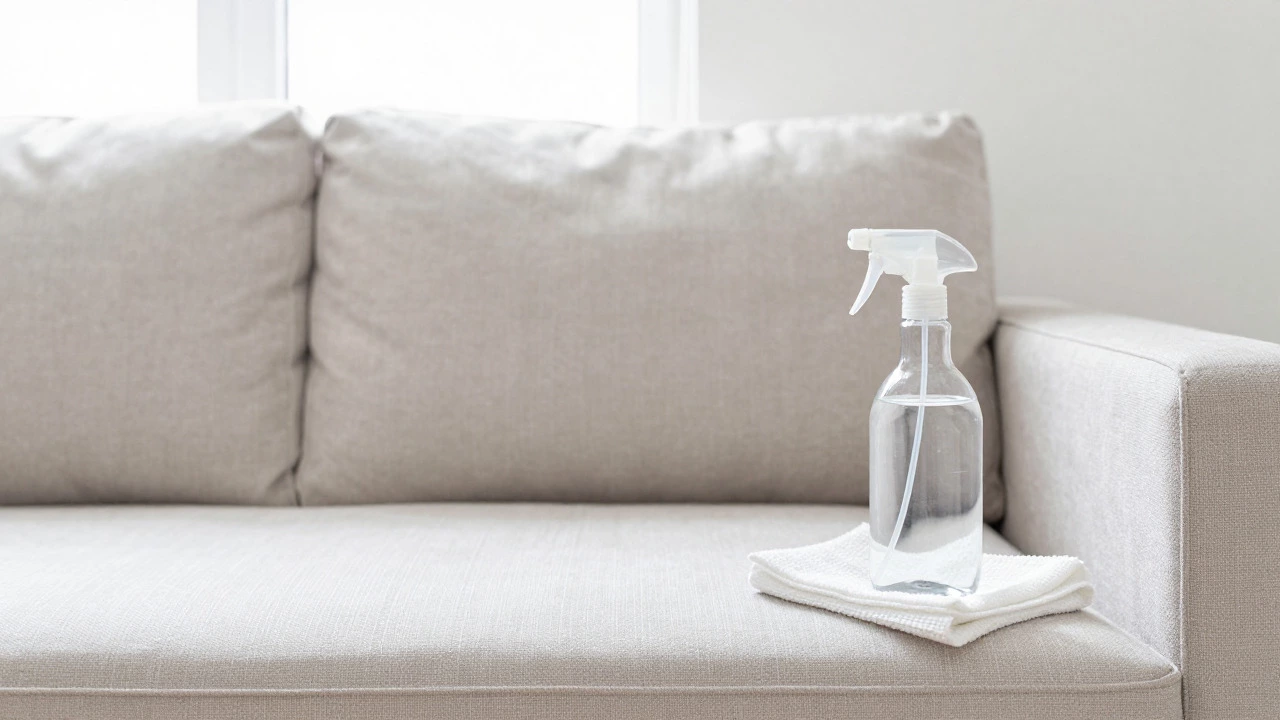
- Measure equal parts distilled white vinegar and lukewarm water. Distilled is key here because tap water contains minerals that can leave hard-water spots on lighter fabrics.
- Pour the mixture into a spray bottle. Add two drops of essential oil if you want to mask the vinegar smell, though it dissipates quickly as it dries.
- Shake gently to combine.
White Vinegar works by lowering the pH of surface grime, making it easier to lift off the fiber weave. Apply it lightly-don’t soak the cushion. Let it sit for five minutes, then blot with a clean, white microfiber cloth. Never rub, as rubbing pushes dirt deeper and frays the fabric texture.
Tackling Grease and Food Stains
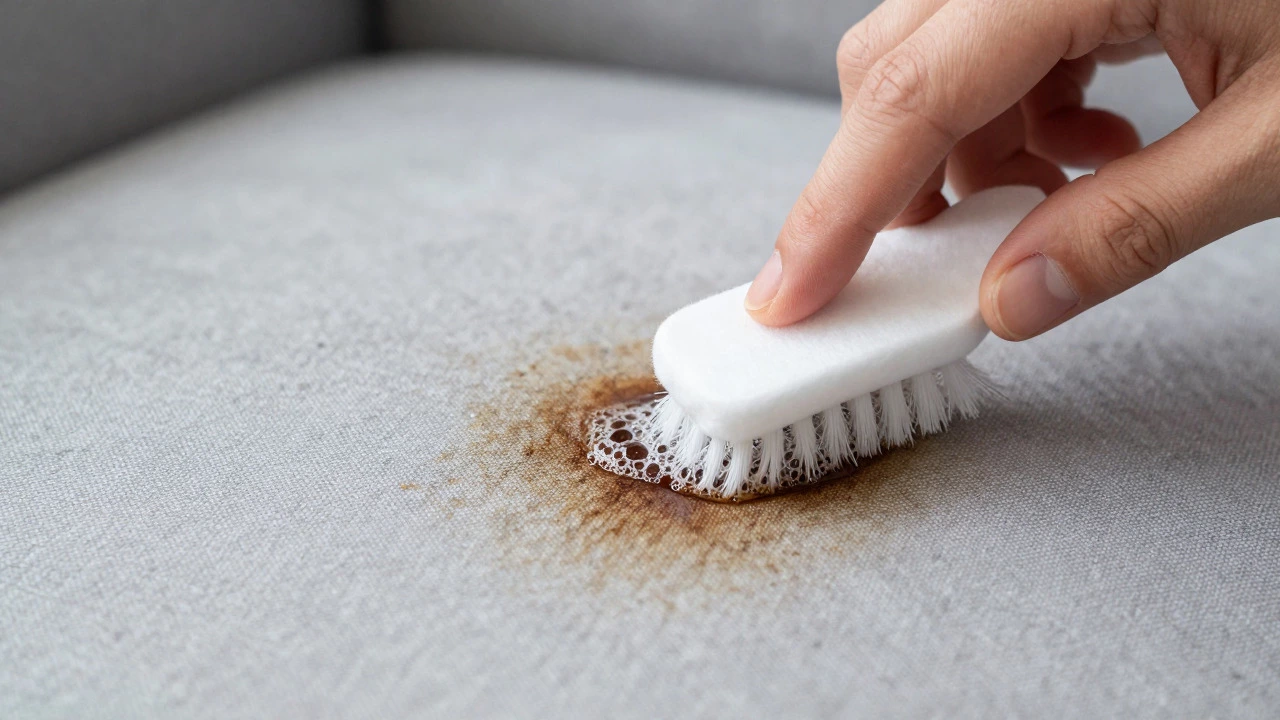
Oil-based stains are tricky because they repel water. If you spray water on a grease spot, it beads up and spreads the oil further. Instead, you need a surfactant to break the oil bonds. Standard dish soap is perfect for this because it is designed to emulsify fats.
Do not use laundry detergent for upholstery. Laundry detergents often contain optical brighteners and heavy foaming agents that are difficult to rinse out of thick fabric, leaving sticky residues that attract more dirt later.
To treat a grease stain:
- Blot up excess oil immediately with a paper towel. Press down; do not wipe.
- Mix one teaspoon of clear, unscented dish soap with one cup of warm water.
- Dip a white cloth into the solution, wring it out until just damp, and dab the stain from the outside in.
- Rinse the area with a cloth dampened with plain water to remove soap residue.
This method works exceptionally well on leather-look vinyl and durable performance fabrics found in modern sectional sofas.
Handling Stubborn Organic Stains
Coffee, red wine, and berry juices contain tannins and pigments that bond tightly to fabric fibers. Once these stains dry, they become part of the material. To reverse this, you need an oxidizer. Hydrogen peroxide is the safest household oxidizer for this purpose, provided you handle it correctly.
Hydrogen Peroxide breaks down the chemical structure of the stain molecules, turning them into smaller, colorless compounds that can be wiped away. However, it is also a bleaching agent. This means it should only be used on white or light-colored, colorfast fabrics. Always test it on a hidden seam first.
For a strong stain remover mix:
- 3 tablespoons of 3% hydrogen peroxide
- 1 teaspoon of dish soap
Apply this directly to the stain using a cotton swab or Q-tip for precision. Let it fizz for 10-15 minutes. The bubbling action indicates the oxygen is releasing and lifting the stain. Blot with a dry cloth and repeat if necessary. Avoid sunlight during this process, as UV rays combined with peroxide can accelerate fading.
Removing Pet Odors and Allergens
Urine and sweat odors aren't just smells; they are biological markers containing proteins. Regular cleaning removes the visible mess, but the protein remains, causing pets to re-mark the same spot. To fix this, you need to neutralize the protein, not just cover the scent.
Baking soda is excellent for absorbing moisture and odor-causing bacteria. Here is a two-step process for deep odor removal:
- Pre-treat: If there is fresh urine, blot it up thoroughly. Then, apply a commercial enzyme cleaner or a strong vinegar solution to kill the bacteria.
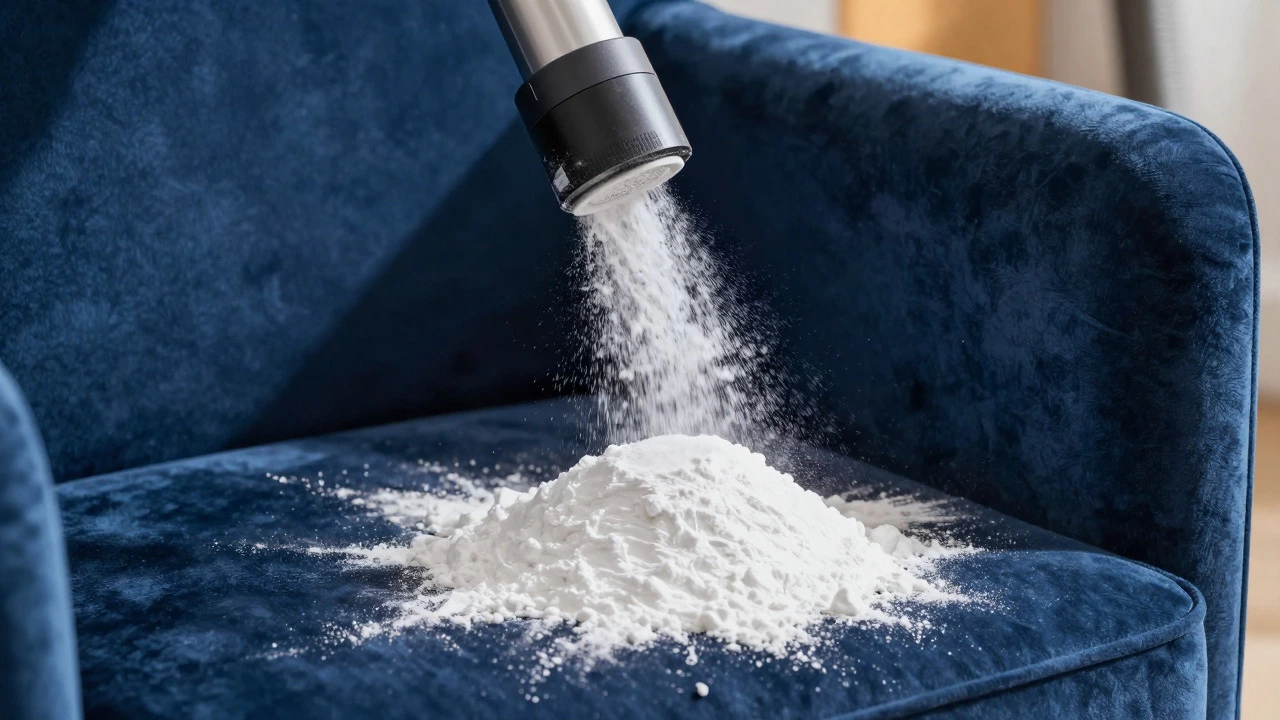
- Deodorize: Once the area is dry, sprinkle a generous layer of baking soda over the entire cushion. Let it sit for at least 4 hours, or overnight for severe cases.
- Vacuum: Vacuum the powder up using a brush attachment. You may see the powder turn slightly yellow as it absorbs the odor.
This method is particularly effective for dog owners dealing with couch corners. It is also safe for households with cats, as long as you ensure no clumps remain after vacuuming.
Common Mistakes That Ruin Furniture
Even with the right recipe, technique matters more than ingredients. These are the most frequent errors people make when attempting DIY cleaning:
- Using colored cloths: Always use white microfiber or cotton towels. Colored rags can bleed dye onto your light upholstery when wet.
- Over-wetting: Thick foam cushions take a long time to dry. If water reaches the inner springs, you risk rust and mold. Work in small sections and use a fan to speed up drying.
- Rubbing instead of blotting: Rubbing creates friction that wears down the fabric pile and spreads stains. Blotting lifts dirt out.
- Skipping the rinse: Soap residue acts like a magnet for dust. If you use a soapy solution, always follow up with a plain water rinse.
When to Call a Professional
Homemade solutions are great for maintenance and minor accidents, but some situations require industrial equipment. Consider hiring a pro if:
- The fabric is labeled X (vacuum only) but has a large stain.
- You are dealing with pet hair embedded deep in tight weaves (like chenille).
- The stain is older than 6 months and has oxidized.
- Your furniture is antique or high-value designer piece.
Professional steam cleaners reach temperatures above 200°F, which sanitizes and extracts dirt that cold water cannot move. They also use extraction vacuums that pull moisture out much faster than fans alone.
Can I use bleach on white upholstery?
Generally, no. Chlorine bleach weakens cotton and linen fibers over time, making them brittle and prone to tearing. It can also cause uneven yellowing if not rinsed perfectly. Hydrogen peroxide is a safer alternative for whitening organic stains without damaging the fabric structure.
How long does upholstery take to dry after cleaning?
With proper airflow and a fan, most standard fabric cushions dry within 4 to 6 hours. Thick foam or velvet fabrics may take up to 12 hours. Ensure the room is ventilated to prevent musty smells while the moisture evaporates.
Is baking soda safe for all fabrics?
Baking soda is generally safe for most fabrics when used as a dry deodorizer. However, avoid using it as a wet paste on delicate silks or velvets, as the alkaline nature can sometimes alter the sheen or texture of fine fibers. Always test in a hidden area first.
What is the best way to remove ink stains from fabric?
Ink is one of the hardest stains to remove naturally. Rubbing alcohol (isopropyl alcohol) is the most effective home remedy. Dab the stain with a cloth soaked in alcohol, working from the edges inward. Repeat until the ink transfers to the cloth. Rinse with water afterward to remove the alcohol residue.
Should I use hot or cold water for cleaning upholstery?
Use lukewarm water for most tasks. Hot water can set protein-based stains (like blood or egg) and shrink certain synthetic blends. Cold water is better for removing water-soluble stains like juice or coffee before they set. Lukewarm water helps dissolve soap and grease effectively without risking heat damage.