Window Cleaning Cost Calculator
Estimate the real cost behind a professional window cleaning quote based on equipment, insurance, and labor factors.
Quote Breakdown
You look at the quote on your phone. £80 for a standard three-bedroom house. You blink. You check the math in your head again. It still feels like too much money for someone to just wipe some glass with a squeegee and a bucket of soapy water. It’s a reaction almost everyone has when they first hire a professional cleaner. After all, you could do it yourself with a spray bottle and an old rag for less than five pounds.
But here is the thing: if window cleaning were as simple as wiping dust off a mirror, it would be cheap. The problem is that professional window cleaning isn’t about dirt removal alone. It is about risk management, specialized logistics, insurance liabilities, and speed that takes years to master. When you pay a pro, you aren't paying for the soap. You are paying for the fact that they won’t fall off a ladder, break your fence, or leave streaks that make your home look worse than before.
The Hidden Cost of Safety Equipment
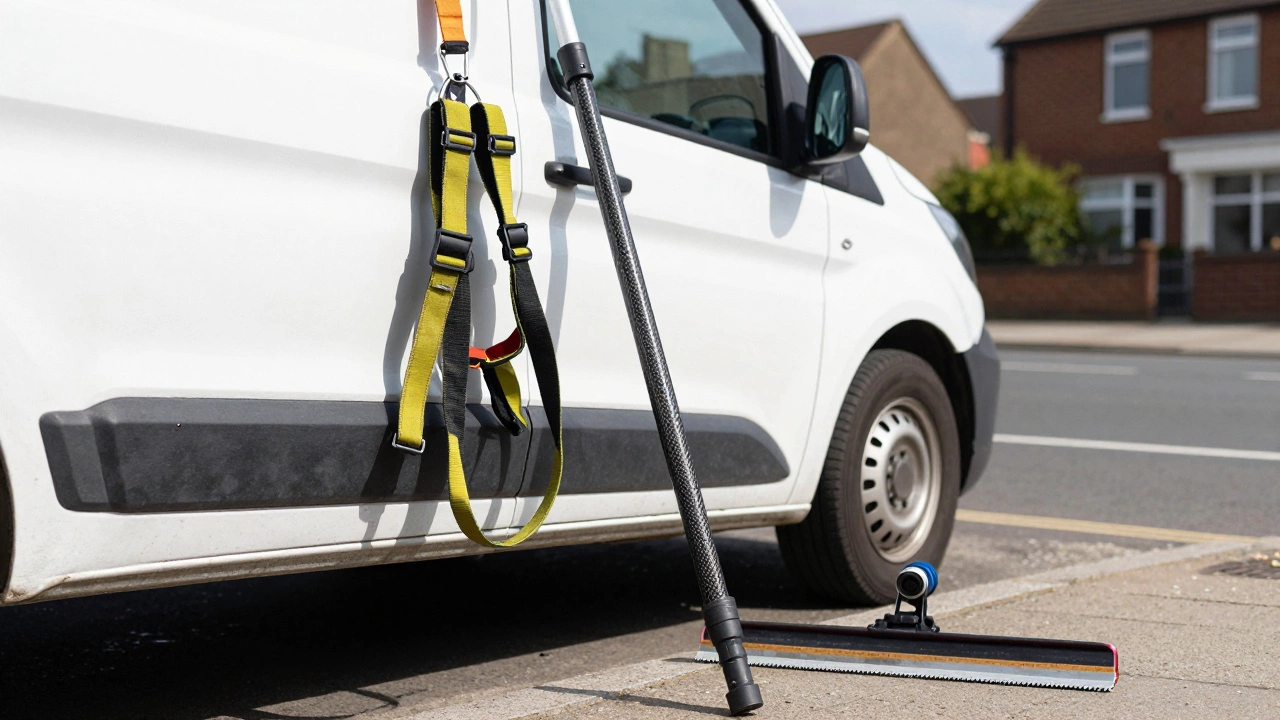
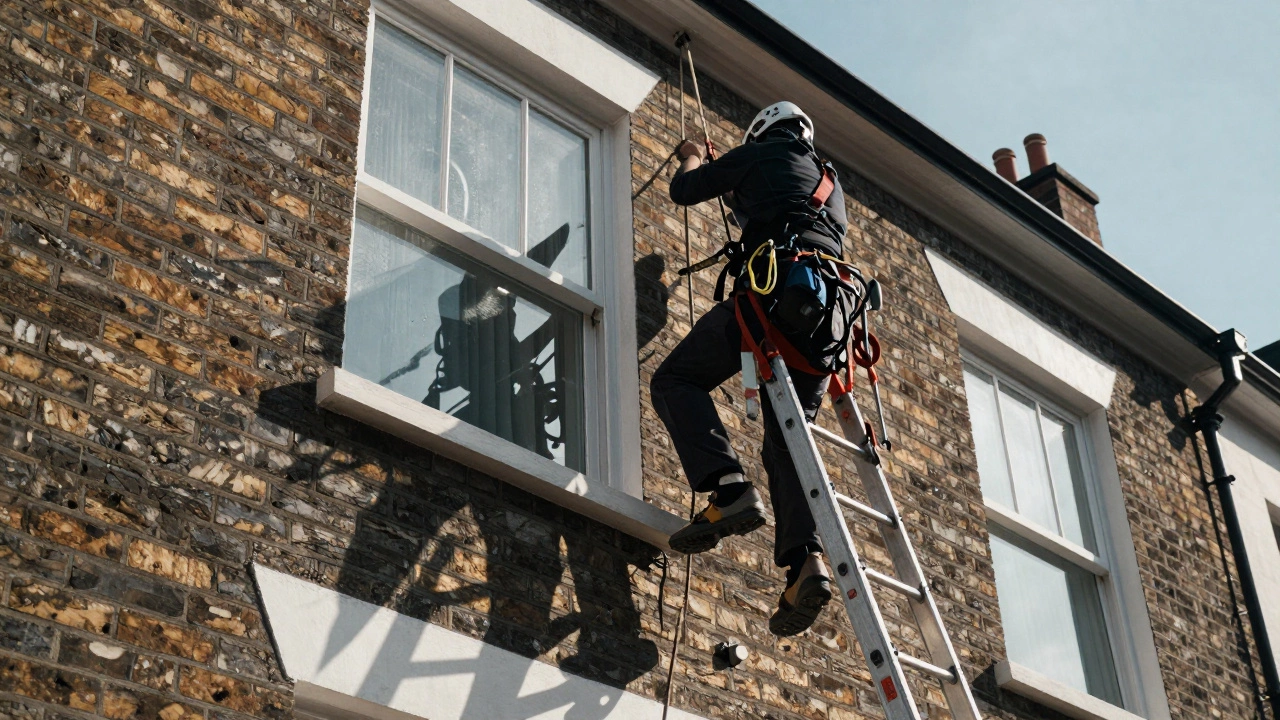
The first reason prices have climbed over the last decade is safety. In the UK, regulations around working at height have become incredibly strict. If a cleaner falls from a ladder, it doesn’t just ruin their day; it can end their life or cause permanent disability. To prevent this, professionals don’t just use a stepladder anymore. They invest heavily in industrial-grade equipment.
A serious window cleaning business carries thousands of pounds worth of gear. We are talking about Water Fed Poles, which are telescopic carbon fiber poles that allow cleaners to reach high windows from the ground using purified water. A single high-quality pole can cost between £400 and £600. Then there are the pumps, the filtration systems, and the safety harnesses. If a cleaner works on a two-story building or higher, they often need rope access training or certified ladders that comply with Health and Safety Executive (HSE) standards.
This equipment isn’t optional. It’s the difference between a hobbyist and a professional who can insure their work. When you see a quote, part of that fee covers the depreciation of these tools. Ladders bend. Squeegee rubber wears out after every few hundred uses. Carbon poles crack under stress. These are recurring costs that add up quickly.
Insurance: The Price of Peace of Mind
Let’s talk about the elephant in the room: liability. If you clean your own windows and slip, breaking your ankle, that’s your problem. If a professional cleans your windows and slips, breaking your patio door or damaging your guttering, that is their problem. But how do they handle that problem? Through public liability insurance.
In 2025 and 2026, insurance premiums for tradespeople in the UK have skyrocketed. Insurers know that window cleaners face high risks-slippery surfaces, heights, and heavy equipment. A standard policy covering £2 million to £5 million in liability can cost a small business owner hundreds of pounds a month. This isn’t a one-time fee; it’s a monthly overhead that must be baked into every job quote.
Furthermore, many homeowners now require proof of insurance before letting a stranger onto their property. This means the cleaner has to maintain a valid policy, keep records, and often undergo background checks. All of this administrative and financial burden translates directly to the hourly rate you see on the invoice.
Time Is Money (And Pros Are Fast)
You might think, "I can clean my windows in an hour." Maybe you can. But can you do it in twenty minutes without leaving a single streak? Professional window cleaners operate on tight schedules. A typical residential job might take them 30 to 45 minutes from arrival to departure. That includes driving to your location, setting up equipment, cleaning every pane inside and out, removing tracks, and packing up.
If a cleaner charges £60 for a job that takes 45 minutes, their gross hourly rate looks decent. But subtract fuel, vehicle maintenance, insurance, marketing, and tax, and that number shrinks rapidly. Most independent cleaners aim for a net hourly wage that reflects skilled labor. Unlike general laborers, window cleaners possess a specific trade skill. The technique of the 'flick' with a squeegee, the angle of the scrubber, and the knowledge of which detergents work best in hard water areas like Bristol-all of this takes practice.
Efficiency is the key. A pro doesn’t spend ten minutes on one window. They move with a rhythm. You are paying for that speed. If you try to match their speed, you will likely miss spots, leave lint behind, or scratch the glass with abrasive dirt trapped in your cloth.
Travel and Fuel Costs
Consider the logistics. Window cleaning is rarely a centralized office job. It is mobile. Cleaners drive vans loaded with heavy equipment across town. In cities like Bristol, London, or Manchester, traffic congestion and parking fees eat into profits. Fuel prices fluctuate, but they remain a significant expense.
When a cleaner quotes you, they are also calculating the mileage. If your house is 15 miles away, they lose time and money getting there. Many cleaners set a minimum call-out fee to ensure that short jobs in remote locations are still profitable. This is why you might see a flat rate for "up to 10 windows" rather than a per-window price. It simplifies the math for both parties and ensures the cleaner covers their travel costs regardless of how fast they work.
Why DIY Seems Cheaper (Until It Isn’t)
It is tempting to save money by doing it yourself. You buy a bucket, some dish soap, and a squeegee. Total cost: £15. But consider the hidden costs of DIY:
- Time Investment: What if it takes you three hours instead of thirty minutes? Your time has value too.
- Risk of Damage: Have you ever used metal scrapers on glass? One slip can scratch the coating on modern double-glazed units, ruining the insulation properties of the window. Repairing a sealed unit costs hundreds of pounds.
- Safety Hazards: Climbing ladders on wet grass is dangerous. Falling from even a low height can cause serious injury. Professionals use non-slip shoes and stable bases.
- Quality Issues: Household detergents often leave residues. Tap water contains minerals that dry as white spots. Pros use de-ionized water systems that leave no residue because the water is pure.
When you factor in the potential for scratched glass, wasted time, and physical strain, the professional service starts to look like better value. You are buying a guarantee of clarity and safety.

Factors That Drive Up the Price
Not all window cleaning jobs are created equal. Several variables can push the price from a standard quote to a premium one:
| Factor | Impact on Price | Reason |
|---|---|---|
| Height & Access | High | Requires scaffolding, cherry pickers, or rope access teams. |
| Dirt Level | Medium | Bird droppings, tree sap, or construction dust require pre-treatment chemicals. |
| Window Type | Medium | Stained glass, leaded lights, or skylights need delicate, manual handling. |
| Frequency | Low (for regular) | Monthly clients often get discounts; one-off deep cleans cost more. |
| Location | Medium | Urban centers with parking restrictions or rural areas with long travel times. |
For example, cleaning a conservatory roof involves different techniques than cleaning vertical side windows. Conservatory roofs accumulate pollen and moss. They often require a soft wash system to avoid damaging the polycarbonate panels. This extra step adds time and chemical costs.
Similarly, if your home is near the coast, salt spray builds up on glass. This corrosive layer needs stronger solvents to remove safely. In urban areas, pollution and brake dust create a gritty film that scratches easily if not lubricated properly. Pros know which solutions to use for these specific environments.
How to Get Better Value
If the price tag stings, there are ways to manage costs without sacrificing quality or safety:
- Go Regular: Monthly or bi-monthly cleaning keeps dirt buildup low. It is easier to wipe away light dust than to scrape off months of grime. Many companies offer package deals that reduce the per-visit cost.
- Bundle Services: Some cleaners offer combined packages for windows, gutters, and pressure washing driveways. Sharing the travel cost across multiple services lowers the overall bill.
- Clear the Area: Move cars, bikes, and garden furniture away from windows before the cleaner arrives. This speeds up the job, allowing them to finish faster and potentially fit you into a tighter schedule.
- Get Multiple Quotes: Prices vary by company size. Independent operators often charge less than large franchises due to lower overheads, but always check their insurance status.
Remember, the cheapest option isn’t always the best. A low quote might mean the cleaner cuts corners on insurance, uses inferior equipment, or rushes the job. Look for reviews that mention reliability, politeness, and spotless results.
Is it cheaper to clean windows myself?
In terms of direct cash outlay, yes. Buying basic supplies costs less than hiring a pro. However, when you factor in your time, the risk of injury from ladders, and the potential cost of repairing scratched glass or damaged fixtures, professional cleaning often provides better long-term value. For high or hard-to-reach windows, DIY is rarely safe or effective.
Why do window cleaners charge so much for high-rise buildings?
High-rise cleaning involves significant safety risks and specialized equipment. Cleaners may need rope access certification, industrial harnesses, and sometimes scaffolding or cherry picker rentals. Insurance premiums for working at height are also much higher. These factors drastically increase the operational cost of the job.
What should I look for in a window cleaning quote?
Ensure the quote specifies whether interior and exterior cleaning are included. Check if track cleaning and frame wiping are part of the service. Most importantly, ask for proof of public liability insurance. A transparent quote will also detail any additional charges for difficult access or heavy soil levels.
Does frequency affect the price?
Yes. Regular cleaning (monthly or quarterly) usually comes at a lower rate per visit compared to one-off deep cleans. Regular maintenance prevents heavy buildup, making the job quicker and less labor-intensive. Many companies offer loyalty discounts for committed clients.
Are eco-friendly window cleaning products more expensive?
Sometimes. Biodegradable detergents and de-ionized water systems can have higher upfront costs for the cleaner. However, many professionals use purified water systems that require no chemicals at all, which is both eco-friendly and cost-effective in the long run. Ask your cleaner about their methods to see if green options fit your budget.