End of Tenancy Cleaning Score Calculator
Check off each task as you complete it. The tool calculates your score based on the 5 critical pillars landlords inspect.
Readiness Score
Pro Tip
Take photos of every room after cleaning and send them to your agent immediately. This creates a paper trail that protects your deposit if disputes arise later.
Imagine you’ve packed the last box, handed over the keys, and are ready to move on with your life. Then, three weeks later, the email arrives: a £400 deduction from your deposit for "insufficient cleaning." It’s a nightmare scenario that thousands of tenants face every year in the UK. The difference between getting every penny back and losing hundreds often comes down to one thing: meeting the specific cleaning standards expected by letting agents and landlords.
Many tenants assume that a tidy home is enough. They vacuum the carpets, wipe the counters, and leave. But in the world of property rentals, "tidy" is not the same as "cleaned to standard." There isn't just one vague rule; there are five distinct pillars of cleanliness that professionals assess during the final inspection. If you miss even one, your deposit is at risk.
1. Deep Sanitation of High-Touch Surfaces
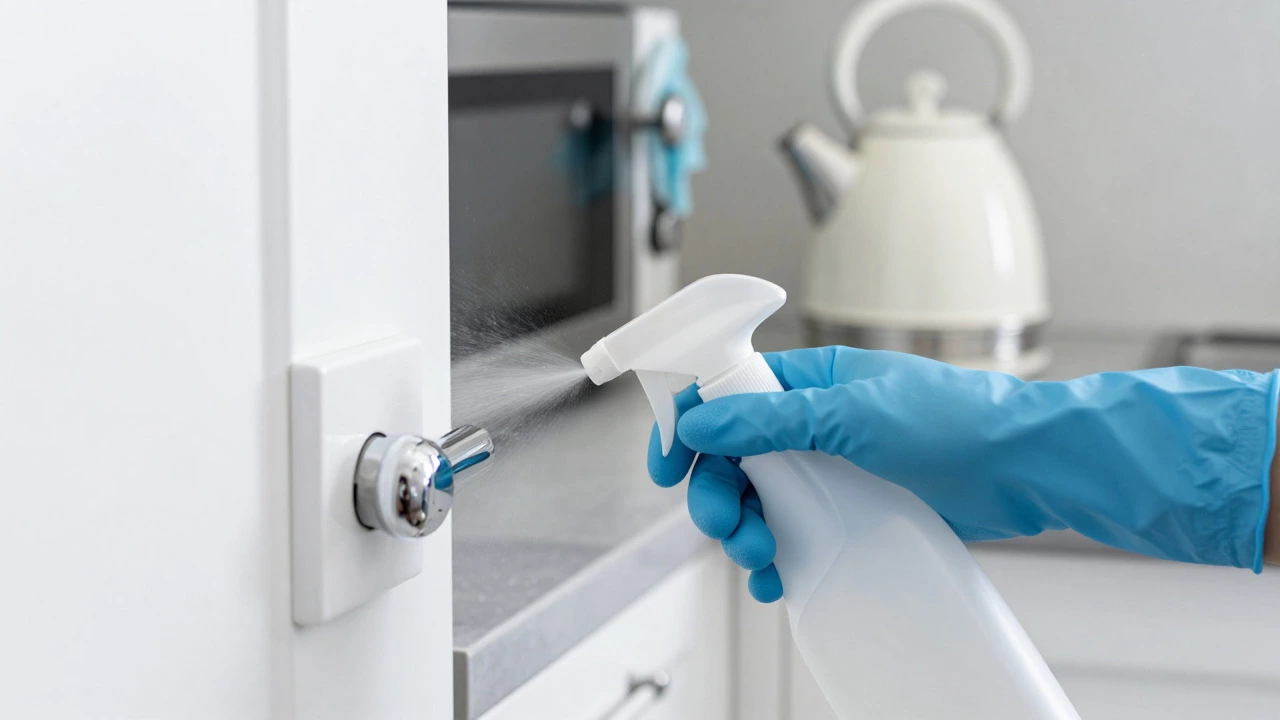
The first standard is about hygiene, not just aesthetics. When an inspector walks into a kitchen or bathroom, they aren’t looking for dust bunnies under the sofa (though those matter too). They are looking for biological residue. This means every surface that hands touch must be sanitized, not just wiped with a dry cloth.
This includes door handles, light switches, radiator covers, and cupboard knobs. In kitchens, this extends to the inside of the microwave, the drip tray of the kettle, and the seals around the fridge door. These areas accumulate grease and bacteria over time. A standard clean might miss the sticky film on a light switch. A professional standard requires using a disinfectant spray to kill germs and remove grime. If you can still feel stickiness when you run your finger across a surface, it fails this standard.
2. Appliance Restoration to Factory Condition
Apartments come with appliances that have a lifespan. Your job isn’t to make them look brand new, but to remove all traces of your usage. This is where most disputes happen. Let’s break down the big three:
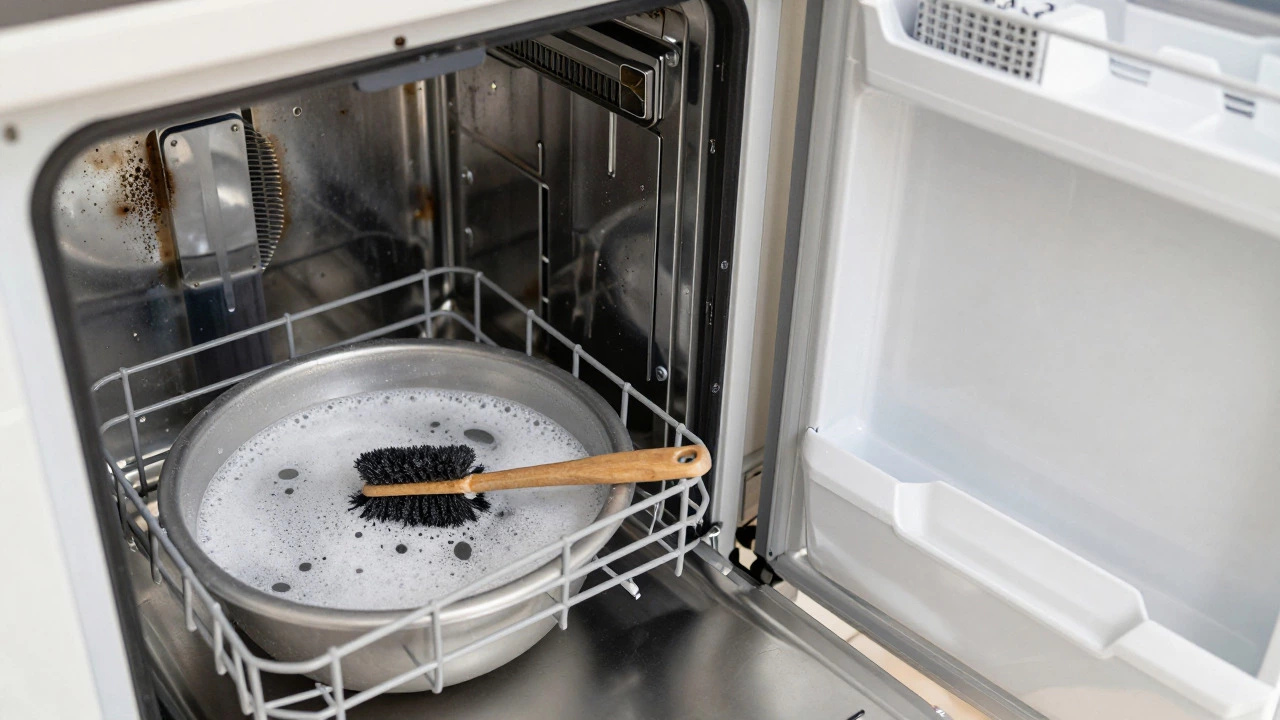
- Ovens: This is the biggest complaint. An oven needs to be degreased. That means removing the racks, soaking them in hot soapy water, and scrubbing the enamel interior until no black charred spots remain. The fan blades inside need to be free of oil splatter. If the inspector sees burnt-on food, it’s marked as damage or poor maintenance.
- Dishwashers: Run an empty cycle with a cleaner. Check the filter for food debris. Wipe the rubber seal around the door-this is a prime spot for mold and gunk.
- Fridges/Freezers: Everything must be removed. Shelves should be washed and dried. The interior walls must be wiped down to remove spills. Crucially, if there is frost buildup in the freezer, it needs to be defrosted. Leaving a frozen block of ice suggests neglect.
The goal here is "factory condition." Imagine handing the keys to a stranger who has never lived there. Would they see any evidence that someone cooked pasta or stored leftovers? If yes, you haven’t met the standard.
3. Floor Care and Stain Removal
Floors take a beating. Walking on them brings in dirt, shoes track in mud, and pets leave odors. The standard for floors goes beyond a quick vacuum. For carpeted areas, you need to address stains. A vacuum won’t remove red wine or coffee rings. Professional steam cleaning is often required, especially if the carpet was professionally cleaned at the start of the tenancy.
For hard floors like laminate, wood, or tile, mopping is essential. But don’t just push water around. Use a floor-appropriate cleaner to cut through the wax and scuff marks left by furniture. Pay attention to corners and edges where dust accumulates. Scuff marks from moving boxes or chairs need to be buffed out. If the floor looks dull or spotted compared to the rest of the room, it fails the visual inspection.
4. Window and Glass Clarity
Windows are often overlooked because they’re high up or hard to reach. However, natural light reveals everything. Fingerprints, smudges, and rain streaks are unacceptable. The standard requires crystal-clear glass on both sides if accessible. This includes window sills, which collect layers of dust and pollen.
Don’t forget the blinds. Dust settles on slats quickly. Use a microfiber cloth or a dedicated blind cleaner to wipe each slat. Dirty blinds make a room look neglected, even if the floors are shiny. Also, check the tracks of sliding windows; grit builds up there and prevents smooth operation. Clearing this out shows attention to detail.
5. The "White Glove" Detail Work
This is the tie-breaker. If the agent is deciding whether to deduct money, they look for the small stuff. This is called "detail work" or "white glove cleaning." It involves things most people ignore:
- Skirting boards: Wipe them down. They collect dust and sometimes shoe scuffs.
- Light fixtures: Dust off ceiling fans and lampshades. Change bulbs if they are burnt out (check your inventory list).
- Toilets: Scrub behind the rim and under the base. Flush to ensure no standing water smells linger.
- Mirrors: Streak-free mirrors reflect cleanliness. Smudged mirrors suggest a rushed job.
If you walk through the property and your white cotton gloves stay clean, you’ve likely passed. If they pick up gray dust, you need to go back.

Why These Standards Matter for Your Deposit
In the UK, deposits are protected by schemes like the Tenancy Deposit Scheme (TDS) or MyDeposits. Disputes are common. Agents use these five standards as their checklist. If you hire a professional end-of-tenancy cleaning service, ask them specifically if they cover these five areas. Many budget cleaners skip the oven or the skirting boards to save time.
Remember, the burden of proof is shared. You have the check-in inventory report. Compare your current state against that document. If the carpet was stained at check-in, you shouldn’t pay for deep cleaning it now. But if it was clean then and dirty now, you must restore it.
| Standard | What to Do | Common Mistake |
|---|---|---|
| Sanitation | Disinfect all high-touch surfaces | Wiping with a dry cloth only |
| Appliances | Degrease ovens, defrost fridges | Leaving burnt-on food in oven |
| Floors | Vacuum, mop, and treat stains | Ignoring scuff marks on hard floors |
| Windows | Clean glass, sills, and blinds | Missing fingerprints on glass |
| Detail Work | Wipe skirting boards and lights | Leaving dust on radiators |
Pro Tips for Passing the Inspection
Timing is everything. Clean the day before you hand over the keys. If you clean on Monday and move out on Friday, you’ll track dirt back in. Take photos of every room after you finish cleaning. Send these to your agent immediately as proof of condition. This creates a paper trail that protects you if they claim otherwise later.
Also, check your contract. Some landlords require professional receipts. If so, hire a company that offers a guarantee. If the agent rejects the clean, the company will re-clean for free. This saves you stress and potential costs.
Do I need to clean the outside of my windows?
Only if they are accessible and safe to reach. If you live in a ground-floor apartment, yes. If you are on the third floor without a ladder, usually no, unless specified in your tenancy agreement. Always check the inventory list for specifics.
Can I lose my deposit for minor stains?
Minor wear and tear is normal and shouldn’t cost you. However, fresh stains from spills or accidents are considered damage. If the stain is old and was noted in the check-in inventory, you are safe. New stains must be treated or removed.
Is it worth hiring a professional cleaner?
For most people, yes. Professionals know the exact standards agents look for. They have industrial-grade equipment for ovens and carpets. While it costs money upfront, it often saves more in deposit deductions. Look for companies with a "deposit back guarantee."
What if the agent says the oven isn't clean enough?
If you hired a pro with a guarantee, call them immediately. They will return to re-clean it. If you did it yourself, you may need to do another round of degreasing. Focus on the fan area and door seals, which are often missed.