Home Hygiene Reality Check
Most people think their homes are clean because they look tidy. But studies show that invisible bacteria often thrive in places we forget. Answer these quick questions to see how your home stacks up against the "average" American home.
Your Result
Expert Recommendation:
Imagine walking into a stranger's house. What do you see? You probably notice the floor first. If it’s sticky or covered in pet hair, your brain instantly flags it as "messy." But here is the uncomfortable truth: the average American home is often dirtier than we like to admit, and not just because of visible clutter. We tend to equate "clean" with "tidy," but hygiene experts know that visual order doesn't always equal biological safety. In fact, studies suggest that while most Americans feel their homes are clean, microscopic reality tells a different story.
This isn't about shaming anyone for having kids or pets. It’s about understanding the gap between what we think is clean and what actually poses a risk to our health. As we head into late 2026, with new data on indoor environments emerging, it’s worth asking: how does your home stack up against the national average? And more importantly, where are the hidden hotspots that regular mopping misses?
The Illusion of Cleanliness
We live in an era of high expectations for domestic aesthetics. Social media feeds are filled with pristine white sofas and gleaming kitchen counters. This creates a skewed baseline. When you look at your own living room, you might think, "It looks fine." But looking fine and being clean are two different metrics. The Environmental Protection Agency (EPA) has long warned that indoor air can be two to five times more polluted than outdoor air, largely due to accumulated dust, volatile organic compounds from cleaning products, and mold spores hiding in plain sight.
Most people clean reactively. We spot a spill and wipe it up. We see dust on the TV stand and swipe it away. But this surface-level approach ignores the reservoirs of grime that build up over months. Think about the top of your refrigerator or the space behind your toilet. Unless you actively scrub those areas monthly, they likely harbor bacteria counts that would make a public restroom operator blush. The disconnect happens because our eyes are tuned to detect large debris, not microbial loads.
Where the Dirt Hides: The Hotspot Analysis
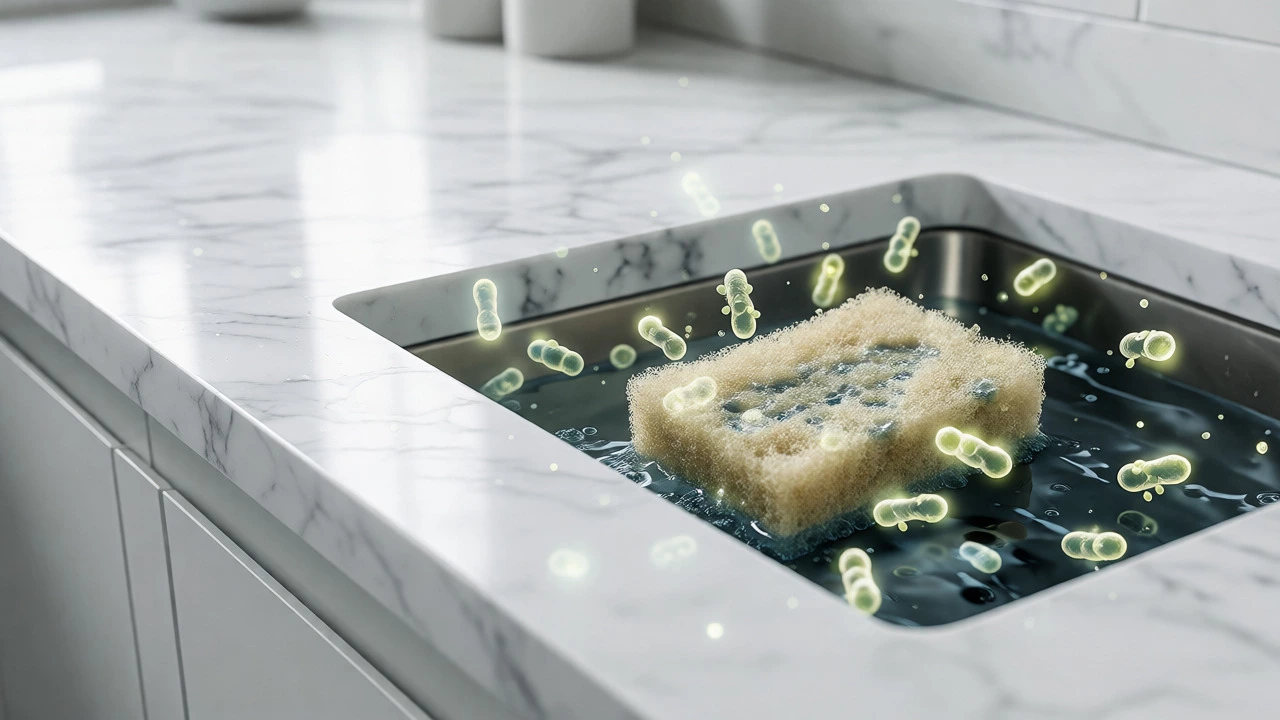
If you were to swab-test an average American household, you wouldn’t find the highest bacterial counts on the bathroom floor. Surprisingly, the kitchen is often the epicenter of contamination. Specifically, the kitchen sink sponge and the cutting board are notorious for harboring E. coli and Salmonella. Why? Because these tools stay damp. Bacteria thrive in moisture. A study published in Scientific Reports found that a single cubic centimeter of a used kitchen sponge could contain millions of bacteria-more than any other place in the home.
Bathrooms aren't innocent either. The toilet brush, if left wet in its holder, becomes a breeding ground for mold and yeast. Then there is the shower curtain liner. Many people never wash theirs, yet it collects soap scum, skin cells, and humidity-induced mildew. These are the "invisible chores" that rarely make it onto a standard checklist but significantly impact the overall hygiene rating of a home.
| Location | Primary Contaminant | Recommended Frequency |
|---|---|---|
| Kitchen Sponge | E. coli, Salmonella | Daily sanitization / Weekly replacement |
| Toilet Seat & Handle | Fecal bacteria, Staphylococcus | Weekly disinfection |
| Refrigerator Shelves | Listeria, Listeria monocytogenes | Monthly deep clean |
| Light Switches | Virus transfer, Hand oils | Weekly wipe-down |
| Air Vents/Filters | Dust mites, Pollen, Mold spores | Quarterly inspection/cleaning |
Demographics and Habits: Who Cleans More?
Cleanliness isn't just about effort; it’s also about lifestyle and demographics. Data from various consumer surveys indicates that households with young children tend to have higher visible mess levels but may engage in more frequent surface wiping due to spills. Conversely, single-person households often report feeling less pressure to maintain constant tidiness, which can lead to longer intervals between deep cleans.
There is also a regional component. Homes in humid climates, such as the Southeastern United States, face unique challenges with mold and dust mite proliferation. In contrast, homes in arid regions like Arizona struggle more with fine dust infiltration. The Centers for Disease Control and Prevention (CDC) notes that exposure to indoor allergens like dust mites is a leading trigger for asthma attacks in children, highlighting that "clean" is a medical necessity, not just a cosmetic preference.
Interestingly, the rise of remote work has shifted cleaning dynamics. Since 2020, many Americans spend more hours at home than ever before. This increased occupancy means more skin cells shed, more food crumbs generated, and more foot traffic tracked in. Yet, paradoxically, some reports suggest that professional cleaning services saw a dip in usage during peak pandemic years, as people cleaned more frequently themselves but perhaps less thoroughly in hard-to-reach areas.
The Impact of Modern Materials
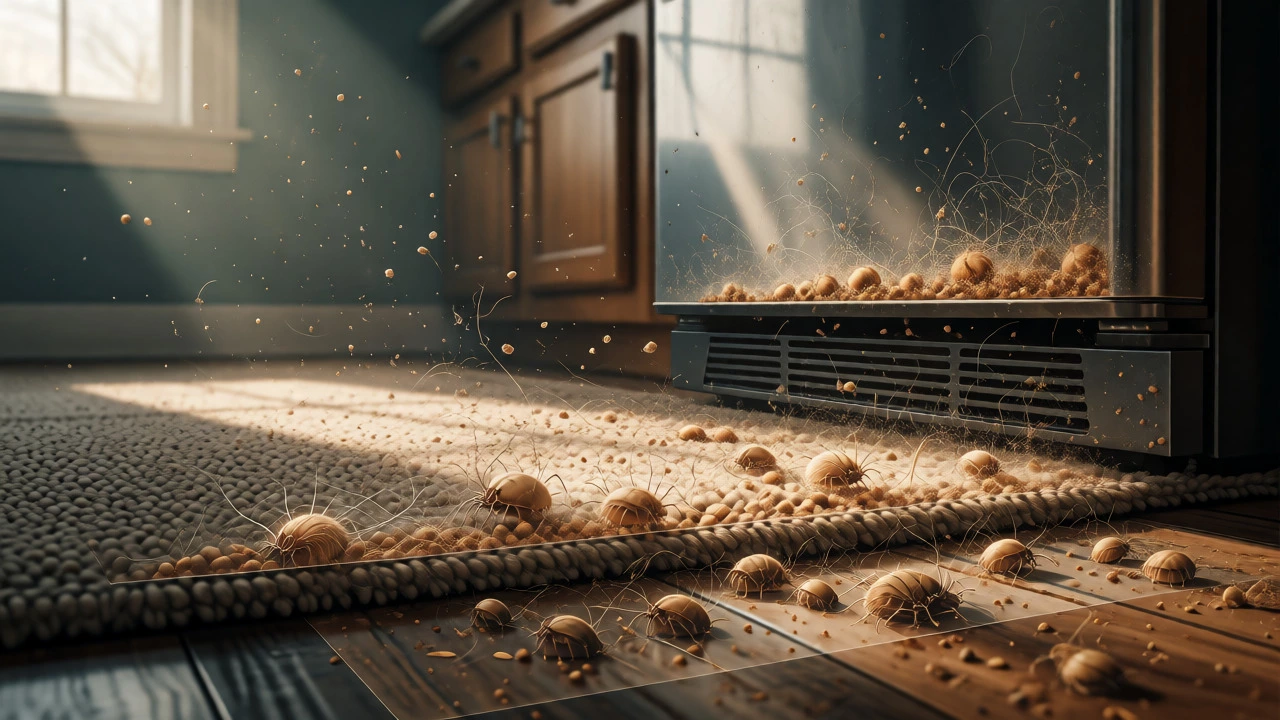
Our homes are built differently now than they were twenty years ago. We use more synthetic fabrics, engineered wood flooring, and plastic composites. While these materials are durable, they interact with dirt differently. Synthetic carpets, for instance, trap particulate matter deeply within the fibers. Vacuuming removes surface dust, but without periodic steam cleaning or shampooing, those particles remain, slowly releasing allergens back into the air every time someone walks across the rug.
Hardwood and laminate floors are easier to sanitize but show every speck of dust. This visibility can create anxiety for homeowners who feel they must vacuum daily to maintain a "clean" appearance. However, over-vacuuming with poor-quality filters can actually recirculate fine dust back into the room. It’s a cycle of perceived cleanliness versus actual air quality improvement.
Redefining Your Cleaning Standards
So, how do you move from "visually okay" to genuinely hygienic? You need to shift your mindset from reactive to preventive. Instead of waiting for a stain, establish zones of control. For example, implement a "no shoes" policy at the entrance. Studies show that shoes track in significant amounts of fecal matter and heavy metals from outside. By leaving them at the door, you reduce the initial load of contaminants entering your living space.
Another effective strategy is the "15-minute reset." Every evening, spend fifteen minutes returning items to their place and wiping down key surfaces. This prevents the buildup of clutter that makes deep cleaning daunting later. It keeps the mental load low and the physical environment manageable.
Consider investing in better filtration. Upgrading your HVAC filter to a MERV-13 rating can capture smaller particles, including some bacteria and virus carriers. It’s a passive way to keep the air cleaner without lifting a finger. Pair this with regular washing of bedding in hot water to kill dust mites, and you address two major invisible threats simultaneously.
Spring Cleaning vs. Year-Round Maintenance
We all love the idea of spring cleaning-a massive overhaul once a year. But relying solely on this seasonal event leaves your home vulnerable for eleven months. The average American home accumulates roughly 40 pounds of dust per year. That’s not just dirt; it’s dead skin, fabric fibers, pollen, and insect parts. Waiting until April to tackle this backlog means you’ve been breathing it in all winter.
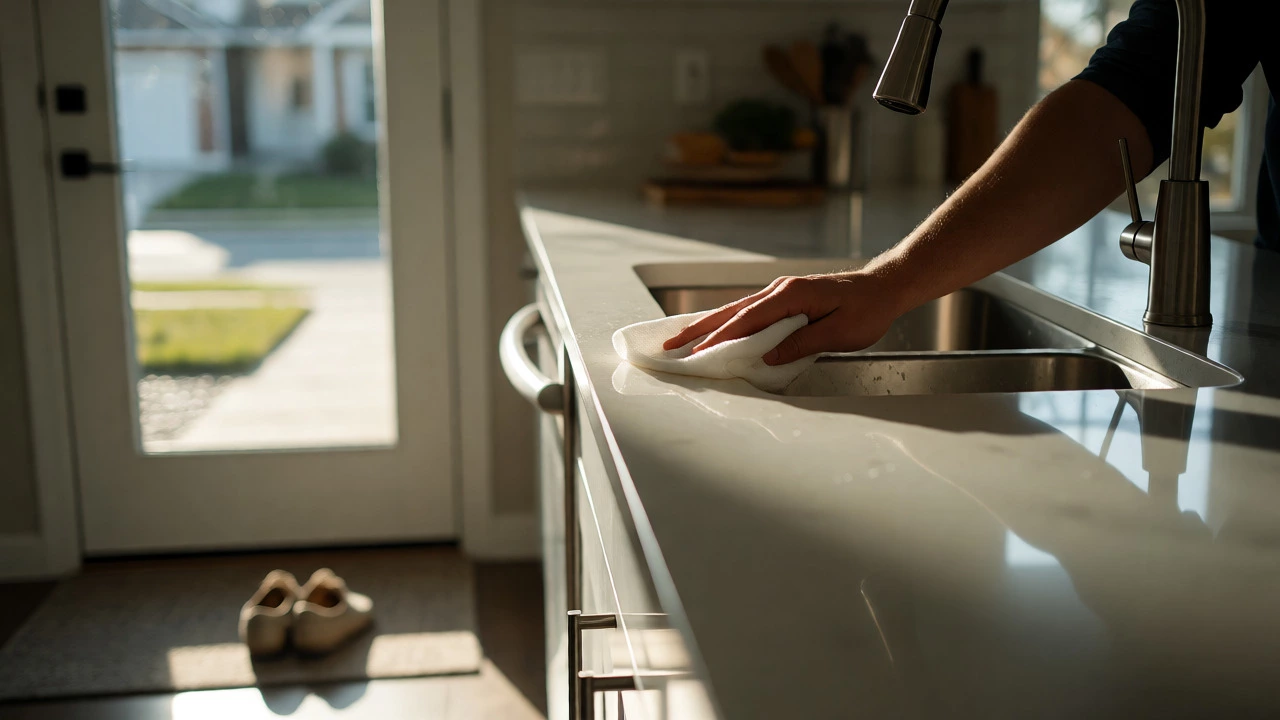
A smarter approach is micro-cleaning. Assign one small task each day. Monday is light fixtures. Tuesday is baseboards. Wednesday is the inside of the microwave. By breaking it down, you prevent the overwhelming sense of dread that comes with seeing a huge list of chores. Consistency beats intensity when it comes to maintaining a healthy home environment.
Troubleshooting Common Gaps
If you suspect your home is dirtier than you think, start with the nose test. Walk into a room after closing the windows for a few hours. Do you smell stale air, mustiness, or lingering cooking odors? That scent is often a cocktail of VOCs and trapped particulates. Open the windows and let fresh air circulate. If the smell persists after airing out, you likely have a source of odor-causing bacteria or mold.
Check your laundry habits too. Are you washing towels weekly? Towels retain moisture and body oils, becoming a perfect incubator for bacteria. If they don’t dry completely between uses, they can develop a sour smell, indicating microbial growth. Similarly, check the drain lines in your sinks and showers. Sludge buildup there releases hydrogen sulfide gas, contributing to that "sewer-like" smell even when the pipes look clear.
Finally, assess your cleaning tools. Is your mop head gray and grimy? A dirty mop spreads dirt rather than removing it. Replace mop heads regularly and ensure they dry completely before storage. Same goes for rags. Using a damp, smelly rag to wipe a counter just redistributes the bacteria you’re trying to remove.
Is it true that kitchens are dirtier than bathrooms?
Yes, multiple studies confirm this. Kitchens, specifically sponges, cutting boards, and countertops, often harbor higher concentrations of harmful bacteria like E. coli and Salmonella compared to toilets. This is because food residues provide nutrients for bacteria, and kitchen surfaces are touched far more frequently than bathroom fixtures.
How often should I deep clean my home?
For most households, a comprehensive deep clean every three to six months is recommended. However, high-traffic areas and specific items like mattresses and curtains may require attention every six months to a year. Regular maintenance tasks like vacuuming and dishwashing should happen daily or weekly to prevent buildup.
Does vacuuming spread germs?
It can, if the vacuum is poorly maintained. Old bags or uncleaned canisters can release dust and allergens back into the air. Ensure you change filters regularly and empty the canister outdoors if possible. Using a vacuum with a HEPA filter significantly reduces the amount of fine dust recirculated into your home.
What is the biggest mistake people make when cleaning?
The biggest mistake is focusing only on visible dirt and ignoring invisible hazards like dust mites, mold spores, and chemical residues. People often skip areas like tops of cabinets, under beds, and inside appliances, assuming they are clean because they aren't immediately visible. Consistent attention to these hidden spots improves overall hygiene more than aggressive scrubbing of visible surfaces.
Do eco-friendly cleaners work as well as chemicals?
For general maintenance, yes. Vinegar, baking soda, and plant-based surfactants effectively remove grease, grime, and common bacteria. However, for disinfecting against viruses or killing mold spores, EPA-registered disinfectants are often more reliable. Eco-friendly options are great for routine cleaning but may require more dwell time or mechanical action (scrubbing) to achieve the same results as harsh chemicals in stubborn cases.