DIY Green Cleaner Recipe Calculator
Select a recipe from the guide above, then enter how much you want to make. The calculator will scale the ingredients proportionally.
All-Purpose Surface Cleaner
Best for countertops, tables, and bathroom tiles.
Heavy-Duty Degreaser
Best for stovetops and oven interiors.
Wood Floor Polish
Best for conditioning wooden floors.
Select a recipe above to see details.
Select a recipe and enter an amount to see the scaled ingredients.
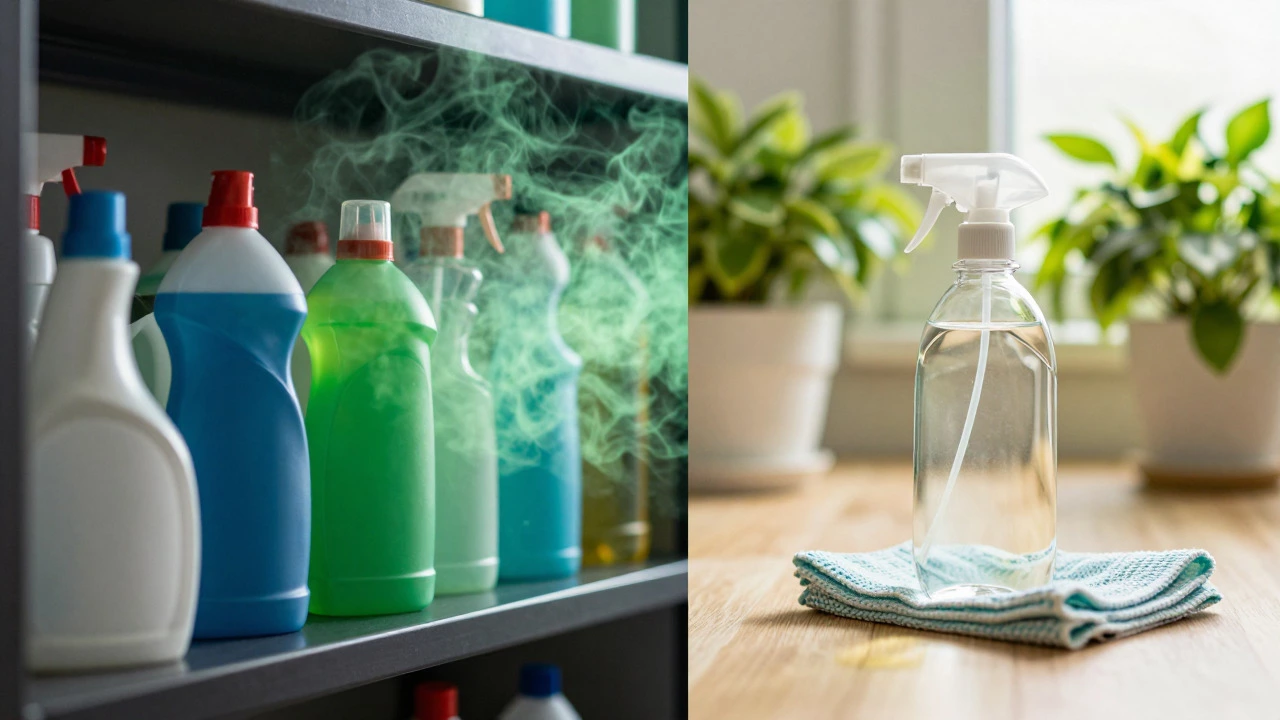
Most of us have a cupboard full of brightly colored bottles promising to kill every germ in sight. But have you ever paused to wonder what’s actually inside those sprays? Traditional cleaning products often rely on synthetic chemicals like Sodium Hypochlorite, commonly known as bleach, which is effective but harsh on both surfaces and the environment. Switching to greener alternatives doesn’t mean your home will get dirty again. It means choosing tools that clean effectively while leaving less toxic residue behind. This guide breaks down the most reliable eco-friendly options available right now, helping you make informed swaps without sacrificing cleanliness.
Why Switch to Green Cleaning?
The shift toward sustainable home care isn’t just a trend; it’s a response to real health and environmental concerns. Conventional cleaners can release volatile organic compounds (VOCs) into the air, contributing to indoor air pollution. For households with children or pets, this matters. Greener alternatives typically use plant-based ingredients that break down faster in water systems, reducing the load on local water treatment plants. In the UK, where water usage is already under scrutiny due to seasonal droughts, using biodegradable cleaners ensures that whatever washes down the drain won’t linger in the ecosystem for decades.
Moreover, many traditional products come in single-use plastic bottles. By switching to concentrates or refillable systems, you cut down on packaging waste significantly. It’s a simple calculation: one large concentrate bottle can replace ten small spray bottles, saving you money and keeping plastic out of landfills.
Top Natural Ingredients That Actually Work
You don’t need a chemistry degree to create an effective cleaner. A few pantry staples do the heavy lifting when used correctly. Here are the workhorses of the natural cleaning agents world:
- Vinegar: White distilled vinegar is acidic enough to dissolve mineral deposits, grease, and soap scum. It’s perfect for glass, mirrors, and chrome fixtures. Just avoid using it on natural stone like marble or granite, as the acid can etch the surface over time.
- Baking Soda: Also known as sodium bicarbonate, this powder acts as a gentle abrasive. Mix it with water to form a paste for scrubbing sinks, tubs, and oven racks. It neutralizes odors rather than masking them, making it ideal for fridges and carpets.
- Citric Acid: Found naturally in citrus fruits, citric acid is a powerful descaler. It’s excellent for limescale removal in kettles, irons, and showerheads. It’s safer than commercial descalers and leaves no chemical smell.
- Castile Soap: Made from vegetable oils, Castile soap is a versatile liquid detergent. It cuts through grease without stripping natural oils from wood or skin. You can dilute it for general surface cleaning or use it as a base for homemade floor cleaners.
Comparing Green vs. Traditional Cleaners
To help you decide if the switch makes sense for your specific needs, let’s look at how these options stack up against conventional products. The table below highlights key differences in cost, effectiveness, and environmental impact.
| Feature | Traditional Bleach Cleaner | White Vinegar Solution | Commercial Eco-Brand Spray |
|---|---|---|---|
| Primary Ingredient | Sodium Hypochlorite | Acetic Acid (5%) | Plant-based surfactants |
| Best For | Tough disinfecting, mold | Glass, limescale, general grime | All-purpose daily cleaning |
| Air Quality Impact | High VOCs, strong odor | Low, dissipates quickly | Moderate, low fragrance |
| Cost per Use | £0.10 - £0.20 | £0.02 - £0.05 | £0.15 - £0.30 |
| Packaging Waste | Single-use plastic | Refillable glass/plastic | Recyclable plastic/concentrate |
How to Make Your Own DIY Cleaners
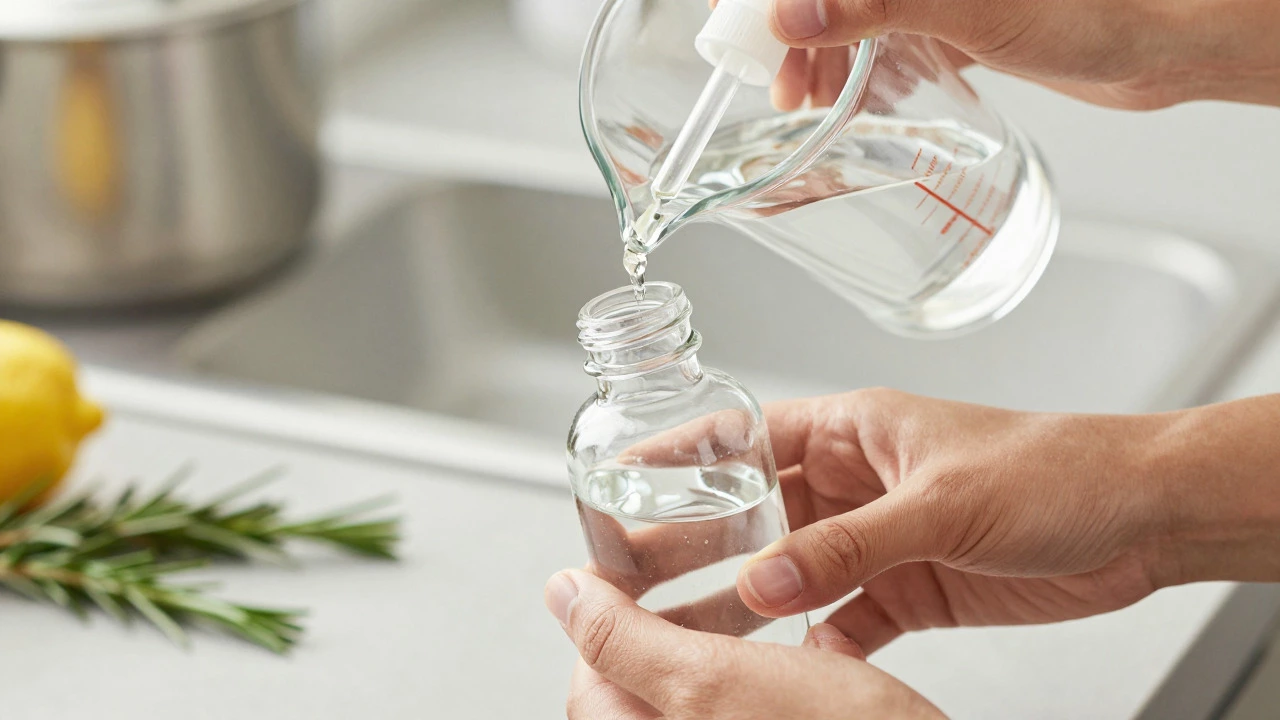
Buying pre-made eco-products is convenient, but making your own is even cheaper and allows you to control exactly what goes into the mix. Here are three foolproof recipes to start your transition.
- All-Purpose Surface Cleaner: Mix equal parts white vinegar and water in a spray bottle. Add 10 drops of essential oil (like lemon or tea tree) for scent and extra antibacterial properties. Shake well before each use. This works on countertops, tables, and bathroom tiles.
- Heavy-Duty Degreaser: Combine 1 cup of baking soda with 1/4 cup of Castile soap and 1/2 cup of warm water. Stir until it forms a thick paste. Apply to stovetops or oven interiors, let it sit for 15 minutes, then scrub with a non-abrasive sponge.
- Wood Floor Polish: Mix 1 cup of olive oil with 1/2 cup of lemon juice. Dampen a soft cloth with the mixture and wipe your wooden floors. This conditions the wood and adds a natural shine without wax buildup.
Pro tip: Always label your bottles with the contents and date. While these ingredients are safe, knowing what’s inside helps you adjust the ratio if needed for tougher jobs.
Common Myths About Eco-Friendly Cleaning
One of the biggest barriers to switching is the fear that “green” means “weak.” Let’s bust a few myths.
Myth 1: Natural cleaners don’t kill germs. True, they may not be as aggressive as hospital-grade disinfectants, but for household hygiene, they are sufficient. Vinegar kills about 80% of common bacteria, and hot water does the rest. If you’re dealing with a specific illness, you can still use a diluted bleach solution for high-touch areas like door handles, then rinse thoroughly.
Myth 2: They smell bad. This depends on preference. Many people find the sharp smell of vinegar off-putting initially, but it evaporates completely within minutes. Essential oils add a pleasant scent, and unlike synthetic fragrances, they don’t linger in the air causing headaches.
Myth 3: They’re more expensive. As seen in the comparison table, DIY solutions are significantly cheaper per use. Even buying concentrated eco-brands, the upfront cost is higher, but you use less product because it’s potent. Over a year, most households save money by ditching branded sprays.
Choosing the Right Product for Your Home
Not all homes have the same cleaning challenges. If you live in a hard-water area like parts of Bristol or London, limescale is your enemy. In this case, prioritize citric acid-based descalers. If you have young children who touch everything, focus on non-toxic, food-safe options for kitchen counters. For pet owners, enzymatic cleaners derived from plants are great for breaking down urine stains without the ammonia smell that attracts cats back to the same spot.
When shopping for store-bought eco-products, look for certifications. In the UK, the Soil Association Organic Certification or EU Ecolabel are good indicators that the product meets strict environmental standards. Avoid vague terms like “natural” or “green” unless backed by these labels, as they can be marketing fluff.
Frequently Asked Questions
Can I use vinegar on all types of flooring?
No. Vinegar is acidic, so it should be avoided on natural stone floors like marble, limestone, or slate, as it can dull the finish over time. It is safe for sealed hardwood, vinyl, and tile. For unsealed wood, stick to plain water and a drop of Castile soap.
Are essential oils safe for pets?
Some essential oils can be toxic to pets, especially cats. Tea tree oil, for example, should be used with caution around felines. Lemon and lavender are generally considered safer, but always ensure the room is ventilated after cleaning. When in doubt, skip the oils and let the natural scent of the ingredient do its job.
Do I need to rinse after using green cleaners?
Usually, no. Most plant-based cleaners are designed to be low-residue. However, if you are using a baking soda paste, you should wipe it away with a damp cloth to remove any grit. For vinegar solutions, a quick wipe with a clean water-dampened cloth is optional but recommended for very shiny surfaces to prevent streaks.
Where can I buy eco-friendly cleaning supplies in the UK?
Many major supermarkets like Waitrose, Sainsbury’s, and Tesco now carry dedicated eco-cleaning ranges. Specialist stores like Planet Organic or online retailers like Yeo Valley offer a wider selection of certified organic and refillable options. Local zero-waste shops in cities like Bristol also provide bulk bins for refilling your own containers.
Is it worth investing in a steam cleaner instead of chemical sprays?
Yes, for deep cleaning tasks. Steam cleaners use only water heated to high temperatures to kill 99.9% of bacteria and lift dirt without chemicals. They are particularly effective for carpets, upholstery, and grout lines. While the initial cost is higher, it eliminates the ongoing expense of buying cleaning fluids entirely.