Vinegar Surface Safety Checker
Select a surface below to see if vinegar causes damage, etching, or chemical reactions.
Vinegar gets a bad rap sometimes because people think it can fix anything. But pouring it on the wrong surface creates more problems than it solves. You might end up with a scratched countertop, a dull sink, or a floor that looks older than when you started. Many home enthusiasts swear by this acidic solution, yet few understand the chemical limits involved.
This guide cuts through the myths. We look at the specific materials that vinegar destroys and explain exactly why they react poorly. If you care about preserving your home's value, reading this prevents costly repair bills. You will learn where to skip the bottle entirely and what products work better instead.
Understanding the Acidic Nature of Vinegar
To know where to avoid using this cleaner, you must understand what it actually is. Distilled white vinegar is simply water mixed with acetic acid. This acidity gives it the power to dissolve mineral deposits, grease, and soap scum. However, that same strength makes it corrosive to certain materials.
The chemical structure: Vinegar typically has a pH level between 2 and 3. This makes it highly acidic compared to neutral water, which sits at 7. When you apply it to sensitive stones or metals, the acid starts breaking down the molecular bonds holding those surfaces together. It is not always visible immediately, but over time, the structural integrity weakens.
Stone Surfaces That Take Permanent Damage
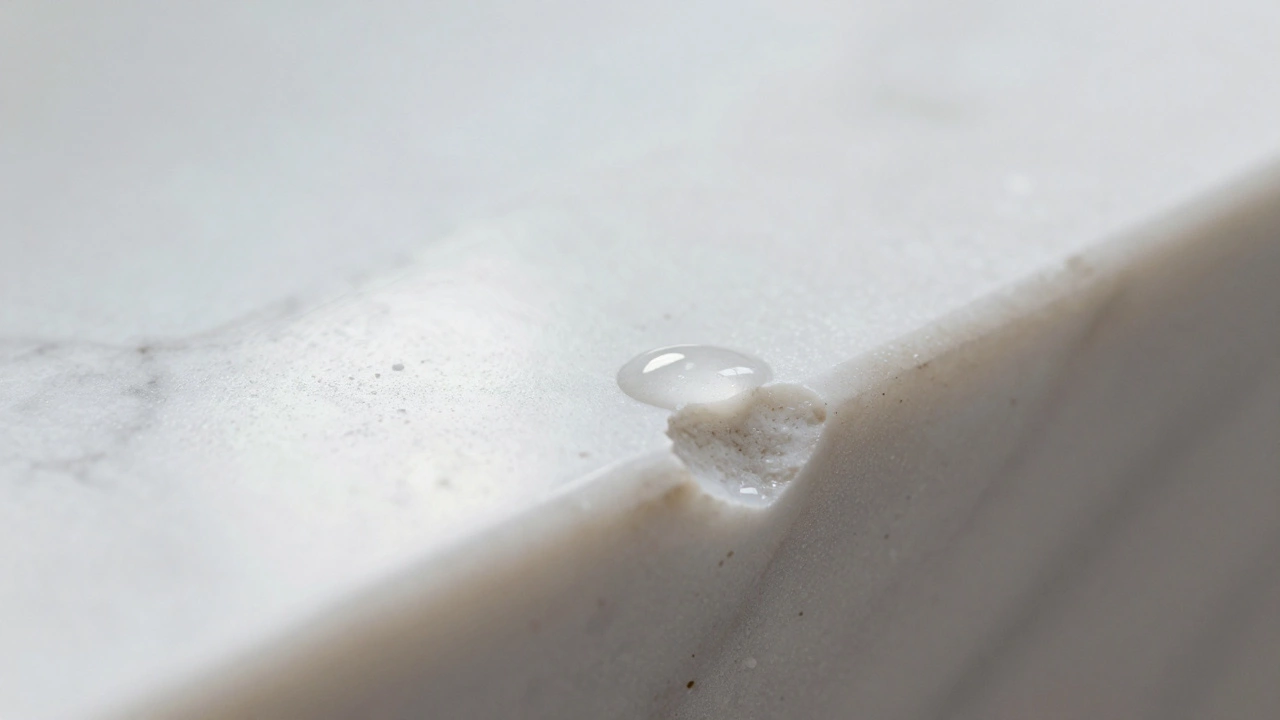
Natural stone is perhaps the most vulnerable surface in your house. Granite and marble counters look stunning, but they have a porous structure. Applying acidic liquids like **vinegar** directly onto these stones causes etching. Etching appears as a dull spot where the glossy sealant dissolves, revealing rougher stone underneath.
Limestone and travertine suffer even worse. These calcium carbonate stones react instantly with acid. You might see a bubbling effect right before your eyes as the material begins to degrade. Once the stone is etched, polishing often cannot restore the original shine. Restoration requires professional buffing and resealing, which adds significant cost.
Even sealed quartz countertops are not immune. While quartz is engineered with resin, strong acids can discolor the binding agents over time. Manufacturers often void warranties if they detect acidic damage. Stick to pH-neutral stone cleaners instead.
| Surface Type | Sensitivity Level | Primary Risk |
|---|---|---|
| Marble | High | Etching, Dulling |
| Granite | Medium-High | Sealant Stripping, Staining |
| Travertine | Very High | Bubbling, Surface Pitting |
| Quartz | Low-Medium | Discoloration over Time |
Metal Finishes to Protect from Corrosion
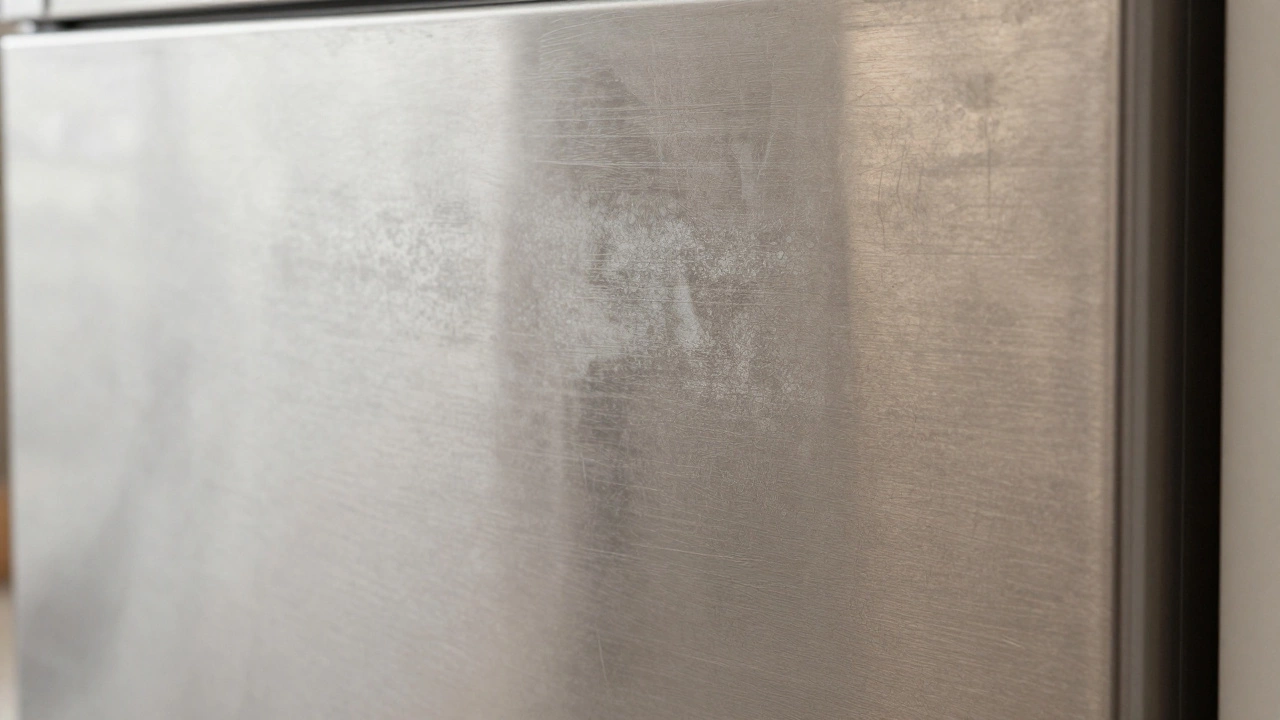
Not all metals react the same way, but several common household metals face threats from frequent exposure. Stainless steel sinks and appliances are popular because they resist rust. Yet, repeated contact with vinegar can cause pitting. It breaks down the passive oxide layer that protects the steel from environmental oxidation.
Aluminum is another surface to watch. Old windowsills or pots often sit unnoticed until you notice gray discoloration after wiping them down. The acid oxidizes the aluminum, leaving a permanent white film or grey streaks that scrubbing cannot remove.
Cast iron cookware requires oil seasoning to maintain a non-stick surface. Vinegar strips this oil layer effectively. If you wash a cast iron skillet with vinegar, you ruin the seasoning process. You would need to re-season the pan completely, involving high heat and patience.
Copper finishes also tarnish rapidly with acid. While a little acidity helps polish copper, too much degrades the finish on fixtures. Faucets with brushed nickel or chrome plating may suffer similar fates if left wet with the solution. Always dry metal surfaces thoroughly after cleaning.
Wood Floors and Waxed Furniture
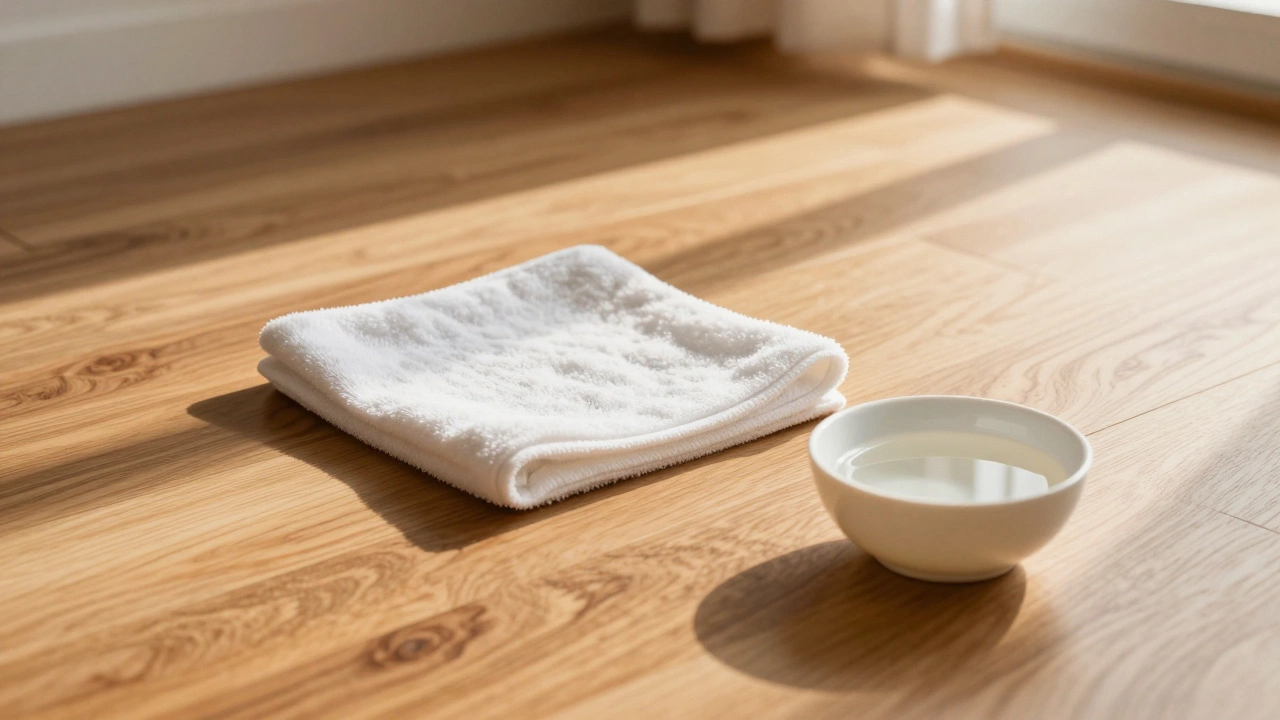
Hardwood floors rely on polyurethane or wax coatings for protection. Vinegar strips these protective layers faster than water alone does. As the finish wears thin, the bare wood becomes exposed to humidity and scratches. Over years, this leads to cupping or warping of the floorboards.
Furniture pieces often have delicate varnish. Using a damp cloth soaked in vinegar might seem like a gentle clean. However, the acidity slowly eats away at the clear coat. Your dining table might feel sticky or look cloudy shortly after mopping. This cloudiness indicates the finish is compromised.
If you need to clean wood, choose a cleaner specifically formulated for wood. These products contain conditioners that replenish oils rather than strip them. A simple mix of warm water and mild dish soap works well without risking long-term damage.
Electronics and Screen Surfaces
Many online guides suggest mixing vinegar with water for screen cleaning. You should ignore this advice. Monitors, TVs, and smartphone screens have anti-glare coatings. These coatings are incredibly thin and prone to peeling if subjected to harsh chemicals.
Liquid seepage is also a major concern. Even a diluted solution can sneak into ports or gaps around bezels. Electrical components inside short-circuit easily. Moisture combined with conductive minerals in the vinegar accelerates corrosion on internal boards.
Instead, grab a soft microfiber cloth slightly dampened with distilled water. For tougher smudges, use a specialized electronics cleaning wipe designed for optical glass. Never spray liquid directly onto the device itself.
The Dangerous Chemical Reaction
Mixing cleaning agents introduces a hidden hazard. Never combine vinegar with bleach. Bleach contains sodium hypochlorite, while vinegar contains acetic acid. Mixing these releases chlorine gas. This gas irritates eyes, throat, and lungs immediately.
In enclosed spaces like bathrooms or small kitchens, the concentration rises quickly. Severe exposure can cause breathing difficulties or pulmonary edema. This is not just surface damage; it is a safety risk to your health. Keep your bottles labeled clearly and store them apart.
Safe Alternatives for Sensitive Surfaces
Avoiding vinegar does not mean abandoning effective cleaning methods. Several safer options exist for the surfaces listed above.
- For Stone: Use a dedicated stone cleaner or a solution of warm water with a drop of phosphate-free soap.
- For Metals: Use a mild abrasive paste made from baking soda and water for stubborn grime.
- For Wood: Try a mixture of olive oil and lemon juice in small amounts, or a commercial furniture polish.
- For Electronics: Isopropyl alcohol wipes offer disinfection without damaging coatings.
Always test any cleaner on a small, hidden patch first. Wait twenty-four hours to see if discoloration appears before treating the whole area. This simple step saves a lot of regret later.
Frequently Asked Questions
Is apple cider vinegar better for cleaning?
Apple cider vinegar shares similar acidity levels to white vinegar. It contains pigments that can stain light-colored fabrics and surfaces. For cleaning purposes, distilled white vinegar remains the standard, though both carry the same risks regarding stone and metal.
Can I dilute vinegar enough to use on granite?
Even heavily diluted vinegar carries risk. Some homeowners claim success with a 1:10 ratio, but stone experts advise avoiding all acids. Residue builds up over time, eventually compromising the sealant. It is safer to use pH-neutral products designed specifically for granite care.
What happens if I get vinegar on marble?
Spills happen. If vinegar touches marble, rinse it immediately with plenty of water. Dry it gently with a soft towel. If you see a dull spot later, professional honing might restore the gloss, but prevention is far easier than repairing etched stone.
Is vinegar safe for grout lines?
Grout is usually cementitious and handles vinegar well. However, if your tile edges are natural stone like marble, acid can travel down and damage the tile face. Scrub the grout carefully and keep the liquid off the surrounding tiles.
Does heating vinegar make it stronger?
Heating increases volatility, meaning the acetic acid evaporates faster. It does not necessarily increase acidity, but hot liquid penetrates pores more aggressively. Avoid using hot vinegar on sensitive surfaces; let it cool to room temperature before applying anywhere near delicate materials.