Carpet Cleaning Method Selector
Answer a few questions about your situation to find out which professional cleaning method is right for you.
Deep Clean
Remove allergens, heavy dirt, or odors deep in fibers.
Stain Removal
Get rid of specific spills like wine, urine, or grease.
Quick Refresh
Need rooms usable immediately with minimal downtime.
Result Title
Why this method?
Explanation goes here.
Key Specs
- Drying Time: --
- Best For: --
- Avg Cost: --
You’ve just dropped a glass of red wine on your beige living room rug. Panic sets in. You grab some paper towels, blot it frantically, and maybe pour a bit of vinegar on top. It looks better for about ten minutes before the stain reappears, darker than before. This is the classic homeowner dilemma: you know your carpets need help, but the world of professional cleaning methods feels like a maze of marketing jargon. Steam cleaning, dry cleaning, encapsulation-what does it all mean, and more importantly, which one actually works?
The short answer is that hot water extraction, often mistakenly called steam cleaning, is generally the most effective method for deep cleaning and longevity. However, "most effective" depends entirely on what problem you are trying to solve. Are you dealing with pet urine, heavy soil, or just a quick refresh between professional cleans? The right choice saves you money, extends the life of your flooring, and keeps your indoor air quality high.
The Gold Standard: Hot Water Extraction
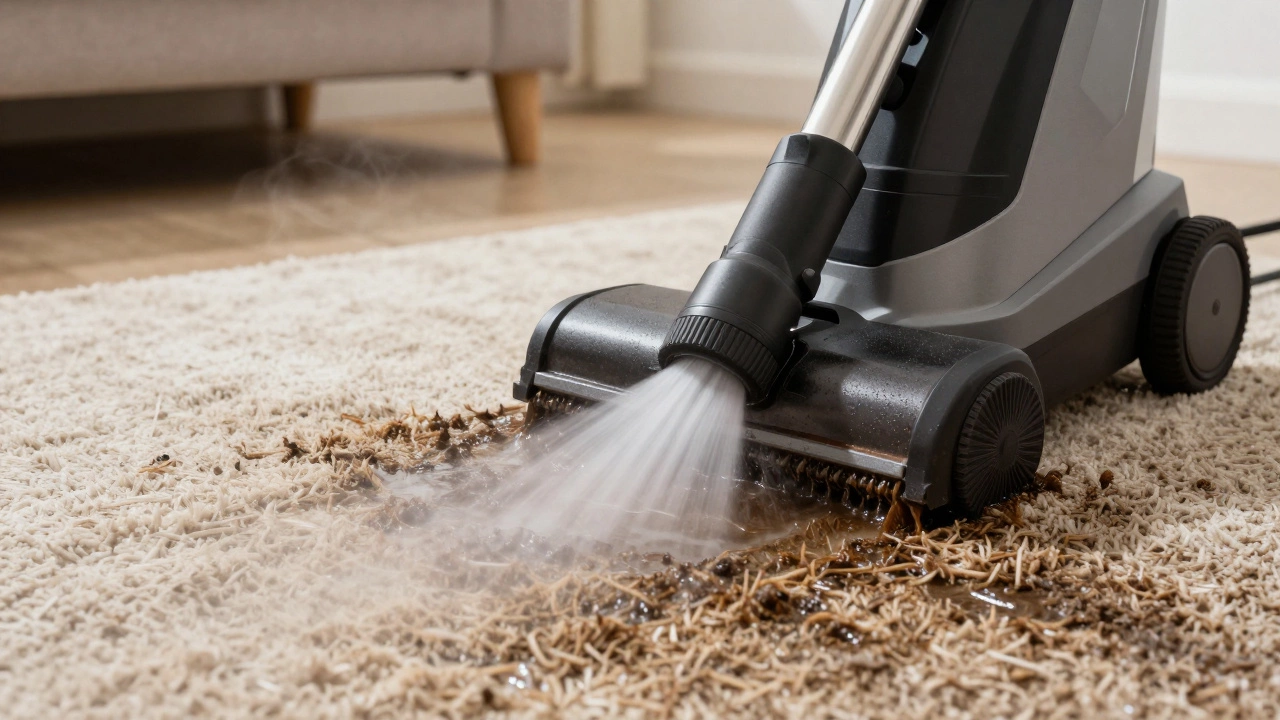
When people talk about the best carpet cleaning, they are usually talking about hot water extraction. Also known as deep cleaning or colloquially as steam cleaning, this method involves injecting a mixture of hot water and specialized cleaning solution into the carpet fibers at high pressure.
Here is why it wins the effectiveness crown. The heat (typically around 150°F to 200°F) breaks down grease and dirt bonds that cold water simply cannot touch. The high-pressure injection forces the solution deep into the backing of the carpet, where the majority of allergens, dust mites, and ground-in dirt live. Immediately after, a powerful vacuum extracts the water along with the dissolved dirt.
This isn't just surface-level grooming. It’s a thorough flush. For households with pets, children, or allergy sufferers, this is non-negotiable. The EPA and various health organizations recommend hot water extraction because it removes the deepest layer of contaminants. If you have never had your carpets professionally cleaned, start here. It will likely look like a new carpet.
The Catch: Drying time. Because so much water is used, your carpets will be wet for 6 to 12 hours, sometimes up to 24 hours if humidity is high. You can’t walk on them immediately, and you definitely shouldn’t put furniture back until they are bone dry. In Bristol’s damp climate, this means opening windows or using fans aggressively.
The Quick Fix: Dry Carpet Cleaning
If you run a hotel, an office building, or simply hate waiting for carpets to dry, dry carpet cleaning is the alternative. Instead of water, this method uses minimal moisture combined with absorbent compounds or rotary brushes.
There are two main types of dry cleaning:
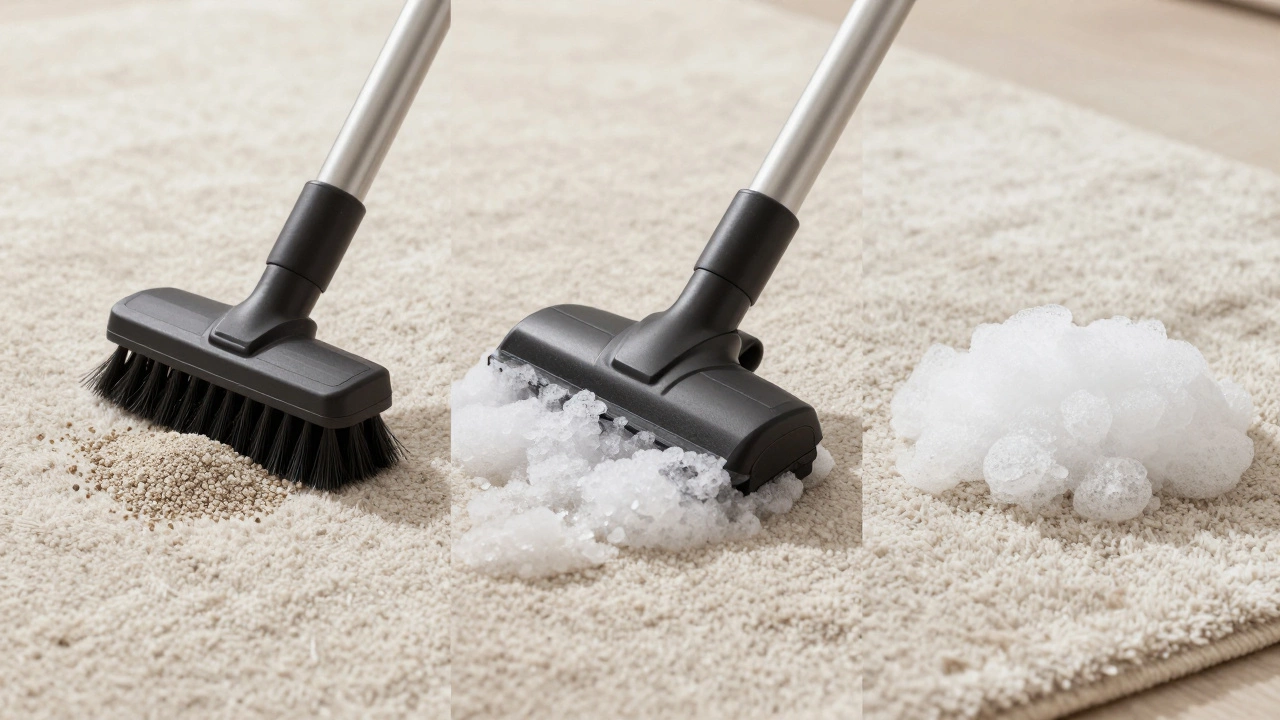
- Absorbent Compound Method: A granular compound is spread over the carpet and worked in with a brush. The compound absorbs the oil and dirt, and then it is vacuumed up. Think of it like cat litter for your floor.
- Rotary Dry Cleaning: A machine applies a small amount of cleaning foam or solvent and agitates the carpet with rotating brushes. The residue is then vacuumed away.
This method is incredibly fast. You can walk on the carpet within 30 to 60 minutes. It is also safer for delicate natural fiber carpets like wool, silk, or antique rugs, which can shrink or felt if exposed to excessive heat and water. If you have a busy household and need the rooms usable by dinner time, dry cleaning is your best bet.
The Trade-off: It doesn’t clean as deeply. While it removes surface soil and fresh stains effectively, it struggles with ingrained dirt and biological contaminants like mold spores or pet urine salts. Over time, repeated dry cleaning can leave behind chemical residues that attract dirt faster, leading to a cycle of frequent cleaning.
The Modern Middle Ground: Encapsulation
Encapsulation cleaning has gained massive popularity in recent years, particularly in commercial settings but increasingly in homes. This method uses synthetic polymers that crystallize or "encapsulate" dirt particles.
Here’s how it works: A low-moisture cleaning solution containing these polymers is applied to the carpet. As the carpet dries, the polymers turn into a brittle powder. When you vacuum the carpet later, the dirt is lifted out along with the polymer crystals. No rinsing is required.
This is excellent for maintenance cleaning. If you get your carpets hot water extracted once a year, encapsulation is a great way to keep them looking fresh every few months in between. It leaves no sticky residue, which means dirt doesn’t stick back onto the fibers as quickly. It’s also very safe for the environment since it uses biodegradable chemicals and very little water.
Limitation: Like dry cleaning, encapsulation is not a deep cleaner. It won’t remove old, set-in stains or kill bacteria deep in the padding. It is a cosmetic and maintenance tool, not a sanitization tool.
Comparing the Methods: Which One Do You Need?
| Method | Best For | Drying Time | Deep Clean Power | Cost Estimate (UK) |
|---|---|---|---|---|
| Hot Water Extraction | Allergies, pets, heavy soil, annual deep clean | 6-24 hours | High | £80 - £150 per room |
| Dry Cleaning | Delicate fibers, quick turnaround, light soil | 30-60 minutes | Low-Medium | £70 - £120 per room |
| Encapsulation | Maintenance, commercial spaces, eco-conscious | 1-2 hours | Medium | £60 - £100 per room |
DIY vs. Professional: Where Does the Line Draw?
You might be thinking, "Can’t I just rent a machine from Homebase or B&Q?" You can. Rental machines use hot water extraction technology, so the principle is the same. However, there is a significant difference in power.
Professional trucks mount industrial-grade vacuums that generate immense suction power. Rental units rely on smaller motors and often lack the extraction power to pull all the dirty water out. What happens when you don’t extract enough water? The dirt remains suspended in the wet carpet. As it dries, capillary action pulls that dirty water back up into the surface fibers. This is why DIY cleaning often makes carpets look dirtier a week later-a phenomenon known as "wicking."
Additionally, professionals bring pre-treatment solutions tailored to specific stains. They know how to treat protein-based stains (blood, urine) differently from tannin-based stains (coffee, wine) or dye-based stains (marker, lipstick). Using the wrong chemical can set a stain permanently. If you have valuable area rugs or extensive wall-to-wall carpeting, the cost of a professional service is usually justified by the results and the risk mitigation.
Stain-Specific Strategies
Effectiveness also depends on the type of mess. Here is how different methods handle common culprits:
- Pet Urine: Requires hot water extraction with an enzymatic cleaner. Enzymes break down the uric acid crystals that cause odors. Dry cleaning will mask the smell temporarily but won’t remove the source.
- Red Wine/Coffee: Blot immediately. Hot water extraction works well here, but speed is key. If the stain has dried, professional pre-treatment is essential.
- Grease/Oil: These bind to fibers tightly. Solvent-based dry cleaning or encapsulation with a degreaser is often more effective initially than water-based methods, followed by a deep extraction to remove residue.
- Mud: Let it dry completely, then vacuum. Wet mud pushes deeper. Follow up with hot water extraction to remove any remaining fine particles.
Frequency Matters More Than Method
The most effective cleaning schedule is consistent. Waiting five years between cleanings means the dirt has compacted into a cement-like layer in the carpet backing. No method can easily remove that without damaging the fibers. The Institute of Inspection, Cleaning and Restoration Certification (IICRC) recommends professional cleaning every 12 to 18 months for average households. If you have pets or smokers, aim for every 6 to 12 months.
In between professional visits, vacuum frequently-at least twice a week. Vacuuming removes the abrasive grit that cuts carpet fibers. Use a vacuum with a HEPA filter to ensure you aren’t blowing fine dust back into the air. This simple habit reduces the load on whatever professional cleaning method you choose, making it more effective and less expensive.
Choosing a Service in Bristol
When hiring a cleaner, ask specifically about their equipment. Do they use truck-mounted systems or portable units? Truck-mounted systems generally offer superior suction and hotter water. Ask if they are certified by bodies like the British Institute of Cleaning Science (BICS) or hold IICRC certification. This ensures they follow industry standards for safety and effectiveness.
Beware of companies that promise "free" cleaning but charge extra for every single stain treatment or hallway. Get a fixed quote. Also, check their insurance. Accidents happen, and you want to be covered if a delicate rug is damaged during the process.
Is steam cleaning really bad for carpets?
The term "steam cleaning" is misleading because actual steam is rarely used due to safety risks. It is actually hot water extraction. When done correctly by professionals, it is not bad for carpets; it is the best method for hygiene. However, if too much water is left behind, it can lead to mold growth or carpet shrinkage, especially in wool carpets. Proper extraction is key.
How long should I wait to put furniture back after cleaning?
For hot water extraction, wait until the carpet is completely dry, which typically takes 6 to 12 hours. Placing furniture on damp carpets can cause water rings, staining, or even mold growth under the legs. Use aluminum foil or cardboard under furniture legs if you must move them back early.
Can I clean my own carpets with a rental machine?
Yes, but expect moderate results. Rental machines lack the powerful suction of professional truck-mounted units, often leaving dirt and moisture behind. This can lead to faster re-soiling. DIY is fine for occasional spot cleaning or light maintenance, but for deep cleaning and stain removal, professionals are significantly more effective.
Which method is best for pet owners?
Hot water extraction with enzymatic pre-treatment is the gold standard for pet owners. It removes urine, dander, and allergens deep within the carpet fibers. Dry cleaning methods may remove surface hair but fail to eliminate the odor-causing bacteria and uric acid crystals found deeper in the padding.
Does carpet cleaning void the warranty?
Many carpet manufacturers require regular professional cleaning to maintain the warranty. Check your specific warranty terms. Usually, they specify that cleaning must be done by a certified professional using approved methods. Keeping receipts of your cleaning services is crucial for warranty claims.