Spring Cleaning Strategy Planner
Home Details
Enter your home details to estimate cleaning time.
Your Cleaning Schedule
-- Hours Total| Day | Zone / Task | Est. Time | Done |
|---|---|---|---|
| Click 'Generate Plan' to see your schedule. | |||
It’s July. The windows are open, the sun is high, and if you haven’t tackled your attic yet, you probably aren’t going to. But that doesn’t mean the concept is dead or irrelevant. In fact, understanding spring cleaning goes far beyond just scrubbing baseboards in March. It’s a psychological reset, a historical tradition rooted in survival, and a practical strategy for maintaining a healthy home environment.
You might be wondering why we cling to this ritual when modern HVAC systems filter our air and washing machines handle our laundry with ease. The answer isn't just about dust bunnies. It’s about how our physical space dictates our mental state. When we clear out the old, we make room for the new-both literally and figuratively.
Why do people still spring clean?
People continue the tradition because it offers a structured way to declutter, improve indoor air quality after winter stagnation, and achieve a psychological sense of renewal and control.
The Historical Roots: From Survival to Ritual
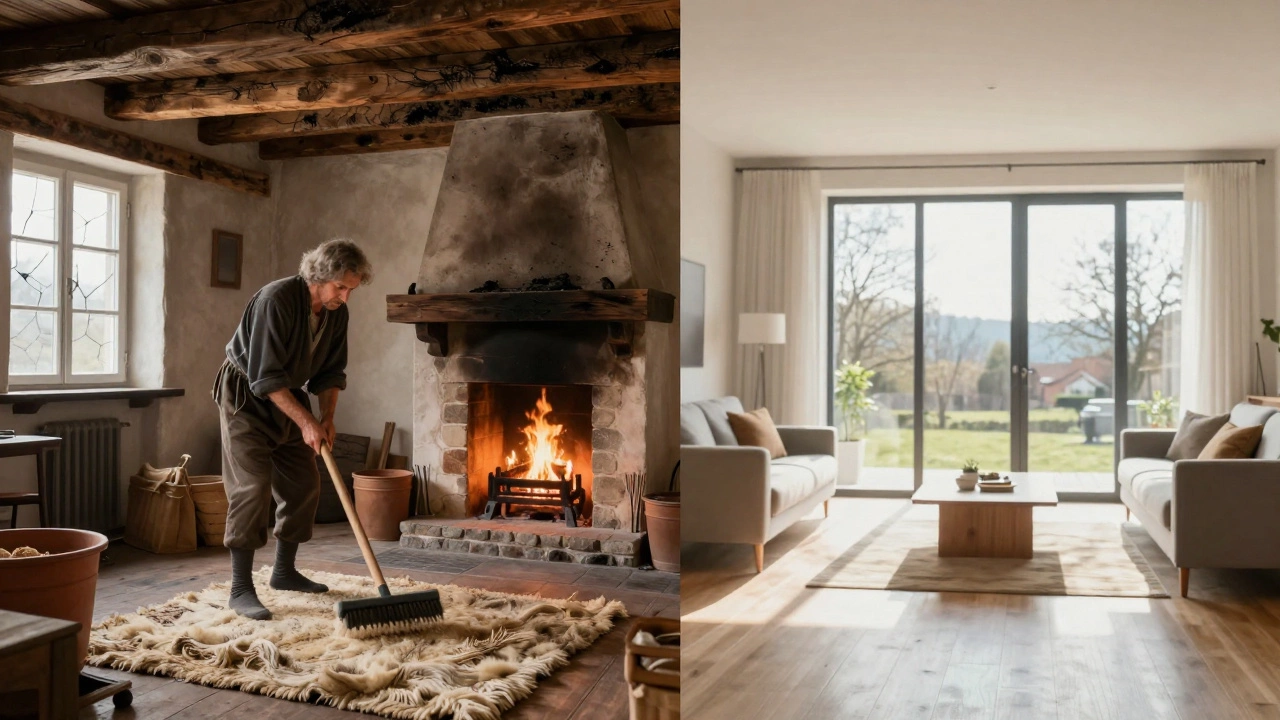
To understand the significance, you have to look back at how humans actually lived before central heating and synthetic fabrics. In pre-industrial Europe, homes were heated by open fires. This created thick layers of soot and smoke residue on every surface, from the ceiling beams to the floorboards. Winter meant keeping those doors and windows tightly shut to preserve heat, trapping that grime inside.
Spring cleaning was originally a matter of hygiene and survival. As temperatures rose in early spring, families could finally open their windows without freezing. The fresh airflow allowed them to beat rugs, wash linens, and scrub walls without suffering from hypothermia. It wasn't a choice; it was a necessity to prevent respiratory illness and pest infestations caused by accumulated dirt.
This practice has deep cultural roots too. Many cultures around the world have similar traditions tied to the changing seasons. For example, the Jewish holiday of Passover involves a thorough cleaning of the home to remove all leavened bread (chametz), symbolizing spiritual purification alongside physical cleanliness. Similarly, in Japan, the concept of *osouji* (year-end cleaning) serves a parallel function, clearing away the impurities of the past year to welcome good fortune. These rituals highlight a universal human truth: cleaning is never just about dirt. It’s about order, respect, and readiness for what comes next.
The Psychological Impact: Clutter vs. Calm
Fast forward to today. We don’t have soot-covered ceilings, but we do have digital clutter, overflowing closets, and stagnant energy. The significance of spring cleaning has shifted from physical survival to mental well-being. Research in environmental psychology consistently shows a link between disordered spaces and elevated stress levels.
When your home is cluttered, your brain perceives it as unfinished business. Visual noise competes for your attention, leading to cognitive overload. A study published in the journal *Personality and Social Psychology Bulletin* found that women who described their homes as "cluttered" had higher levels of cortisol (the stress hormone) than those who did not. While this specific study focused on women, the principle applies broadly: chaos outside often mirrors chaos inside.
Spring cleaning provides a tangible way to regain control. There is a profound satisfaction in seeing a dirty window become crystal clear or a jammed drawer slide smoothly again. This act of restoration boosts dopamine levels, giving you a sense of accomplishment. It’s not just about making things look nice; it’s about creating an environment that supports focus, relaxation, and creativity. If you feel stuck or unmotivated in other areas of life, tidying up your physical space can sometimes be the catalyst needed to break that cycle.

Health Benefits: Beyond the Surface
Beyond mental clarity, there are concrete health reasons to undertake a deep clean seasonally. During winter, we spend more time indoors with poor ventilation. Dust mites, pet dander, mold spores, and bacteria thrive in these warm, stagnant conditions. Even if you vacuum weekly, deep-seated allergens accumulate in carpets, upholstery, and air ducts over months.
A thorough spring clean targets these hidden reservoirs. Washing bedding in hot water kills dust mites. Cleaning behind appliances removes food crumbs that attract pests. Wiping down surfaces with appropriate disinfectants reduces the viral load in your home. For households with allergies or asthma, this annual deep dive can significantly reduce symptoms throughout the rest of the year.
Consider the difference between maintenance cleaning and deep cleaning. Maintenance keeps things presentable. Deep cleaning resets the baseline. Think of it like servicing a car. You change the oil regularly, but once a year, you need a full inspection and tune-up to ensure everything runs efficiently. Your home operates the same way. Neglecting the deep clean leads to gradual degradation of air quality and material wear, which becomes harder and more expensive to fix later.
The Modern Approach: Intentional Decluttering
In the 21st century, the significance of spring cleaning has evolved to include intentional living. It’s no longer enough to just wipe surfaces; we must also curate what occupies our space. This aligns with minimalist movements and sustainability trends. The goal is to keep only what adds value, joy, or utility to your life.
This phase of spring cleaning involves asking hard questions: Do I use this? Does this fit my current lifestyle? Is this broken and repairable? By removing items that no longer serve a purpose, you reduce decision fatigue. You spend less time searching for lost keys or deciding what to wear. You create a streamlined environment that respects your time and energy.
Furthermore, this process encourages sustainable habits. Instead of throwing everything away, modern spring cleaning emphasizes donating, selling, or recycling. This shifts the narrative from consumption to circulation. You become part of a larger ecosystem where resources are shared rather than wasted. It’s a small but meaningful contribution to environmental health, connecting your personal space to global responsibility.
How to Execute a Meaningful Spring Clean
If you want to harness the true significance of this tradition, avoid the trap of trying to do it all in one weekend. Burnout is real, and it defeats the purpose of reducing stress. Instead, break the process into manageable chunks. Here is a simple framework:
- Zone by Zone: Tackle one room or even one closet per day. Don’t jump from the kitchen to the bedroom. Finish one area completely before moving on.
- Declutter First: Never clean clutter. Remove items first. Sort them into keep, donate, trash, and relocate piles. Only then do you start wiping and scrubbing.
- Top to Bottom: Always clean from the highest point to the lowest. Dust shelves, then counters, then floors. Gravity ensures that dust falls downward, so you won’t have to re-clean surfaces.
- Involve Everyone: Make it a household event. Assign tasks based on ability and interest. Playing music and setting a timer can turn chores into a game rather than a chore.
Remember, the goal isn’t perfection. It’s progress. A home that feels lighter, cleaner, and more aligned with your values is worth the effort. Whether you do it in March, July, or whenever the urge strikes, the act itself holds power. It’s a reminder that you have the agency to shape your surroundings, and in doing so, you shape your mind.
Common Misconceptions About Spring Cleaning
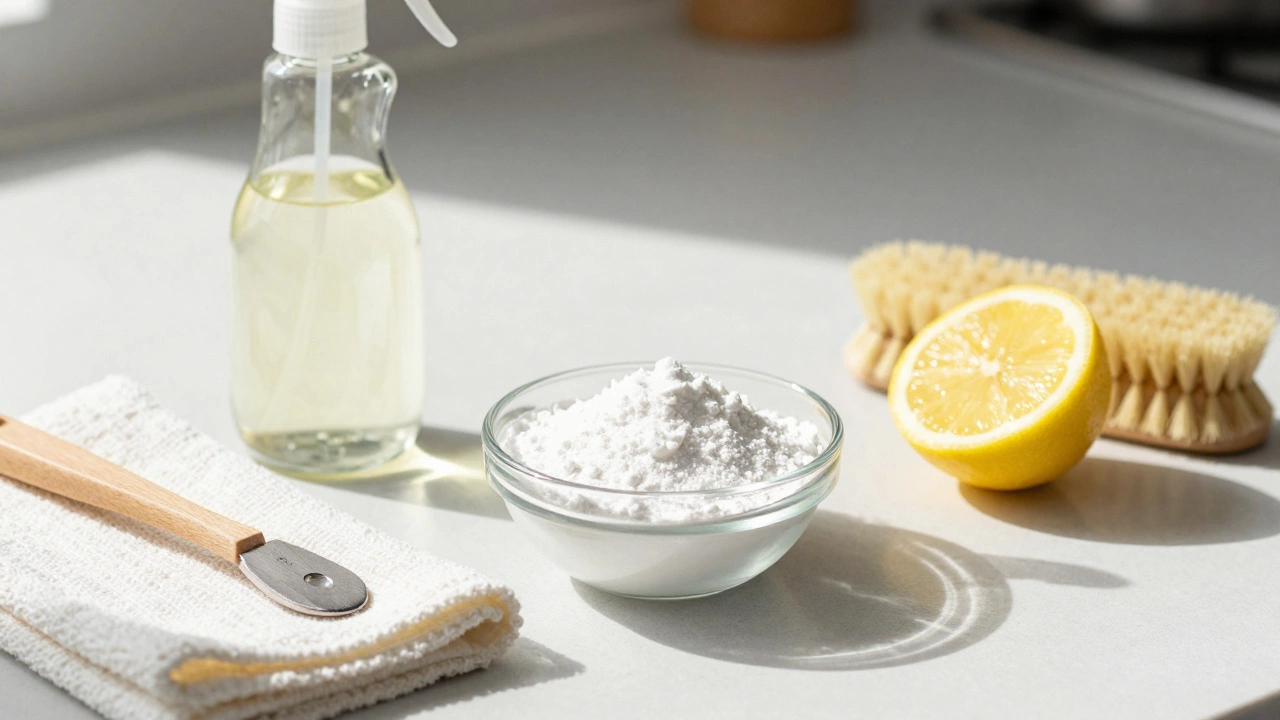
Many people avoid spring cleaning because they think it requires expensive products or professional help. This is a myth. The most effective tools are often simple: microfiber cloths, vinegar, baking soda, and a good vacuum. Harsh chemicals aren’t necessary for most surfaces and can actually degrade materials over time.
Another misconception is that it’s a one-time yearly event. While the deep clean happens annually, the mindset should be ongoing. Adopting daily habits-like putting things away immediately and wiping counters after meals-makes the annual task much less daunting. The significance lies in the consistency, not just the intensity.
Finally, don’t let the calendar dictate your needs. If your home feels chaotic in October, clean it in October. The season is just a cue, not a rule. The core benefit comes from the action of resetting your space, regardless of the month.
Is spring cleaning just a Western tradition?
No, many cultures have seasonal cleaning rituals. For instance, Japan has Osouji (year-end cleaning), and China has Chun Jie cleaning before Lunar New Year. These practices share the common theme of purifying the home to welcome good luck and health.
How long does a proper spring cleaning take?
It varies by home size and clutter level. For an average family home, it might take 10-20 hours total. Breaking it down into 1-2 hour sessions over two weeks makes it manageable and prevents burnout.
Can spring cleaning help with anxiety?
Yes. Organizing your physical environment can provide a sense of control and predictability, which helps reduce anxiety. Completing small tasks releases dopamine, improving mood and motivation.
What are the best eco-friendly cleaning supplies?
Simple ingredients like white vinegar, baking soda, lemon juice, and castile soap are highly effective and non-toxic. Microfiber cloths reduce the need for chemical sprays by using friction and water to lift dirt.
Should I hire professionals for spring cleaning?
Hiring pros is great for specialized tasks like carpet shampooing, window washing, or oven degreasing. However, decluttering and organizing are personal decisions that you should handle yourself to ensure items are sorted correctly.