Old Upholstery Cleaning Guide
Identify Your Fabric Code
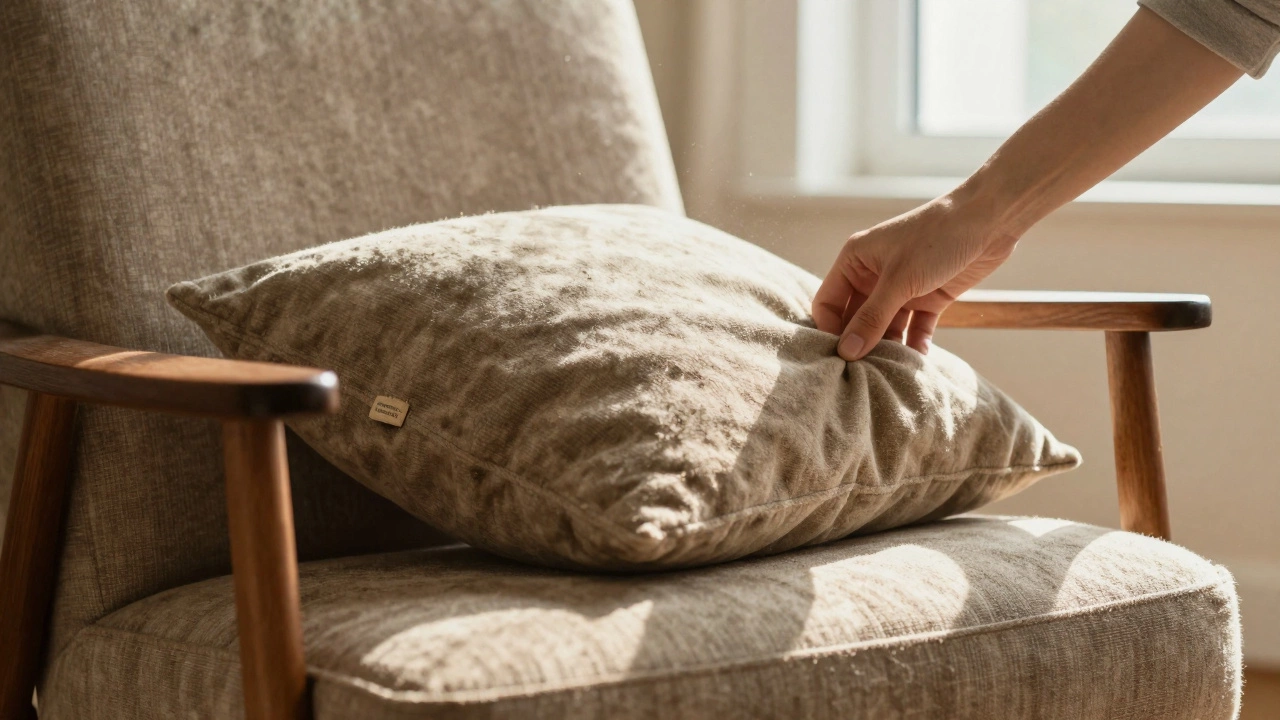
Look for the manufacturer's tag under cushions or along seams. If your furniture is pre-1950s, it likely has no code.
Before cleaning any visible area, you must test for colorfastness in a hidden spot (underside of cushion, back seam).
Select the primary issue you are trying to address. This will determine the recommended cleaning method.
That vintage armchair you found at a flea market or the family sofa that has seen three generations of kids is more than just furniture. It’s a piece of history. But let’s be honest: it probably smells like old dust and looks like it hasn’t seen a vacuum in years. You want to restore it, but you’re terrified of ruining the delicate fabric with the wrong cleaner. That fear is valid. Old upholstery is fragile, and using modern harsh chemicals on it can cause irreversible damage.
The good news? You don’t need expensive professional equipment to breathe new life into your old furniture. The best way to clean old upholstery isn’t about buying the strongest solvent; it’s about understanding what you are working with first. If you skip the identification step, you risk shrinking wool, dissolving dyes, or setting stains permanently. This guide will walk you through the safe, effective process of cleaning old fabrics without stripping their character or integrity.
Decode the Fabric Care Label
Before you even think about picking up a spray bottle, you need to look for the manufacturer’s tag. Usually hidden under cushions, on the back, or along the side seams, this small label holds the key to saving your furniture. Most upholstery made after the 1970s carries one of four standard cleaning codes. Knowing these codes prevents 90% of accidental damage.
- Code W (Water-based): You can use water-based cleaners. This includes most synthetic fibers like polyester and acrylic. You have the most flexibility here.
- Code S (Solvent-only): Do not use water. Water will cause spotting or shrinkage. Use only dry-cleaning solvents or specialized foam cleaners designed for sensitive fabrics. This is common for silk and some wools.
- Code SW (Solvent or Water): You can use either method, but avoid bleach and high heat. Check the specific material type first.
- Code X (Vacuum only): Do not apply any liquid or chemical cleaners. These fabrics are extremely delicate, often natural fibers like raw silk or certain velvets. Vacuuming with a brush attachment is your only option.
If your furniture is truly antique-say, pre-1950s-it likely won’t have a code. In that case, treat it as Code S or X until you can test it. When in doubt, assume the fabric is sensitive to water.
The Golden Rule: The Spot Test
Even if the label says "W," old dyes behave differently than new ones. Fabrics fade, bleed, and weaken over time. Before applying any cleaner to a visible area, you must perform a spot test. Choose a hidden area, such as the underside of a cushion, the back of the sofa, or inside a seam.
Apply a small amount of your chosen cleaning solution to a white, lint-free cloth. Dab the hidden area gently. Wait ten minutes. If the color transfers to the cloth, the dye is unstable, and you should stop immediately. If the fabric doesn’t change color or texture, you are generally safe to proceed. This simple step saves hours of panic later.
Gather the Right Tools for Gentle Cleaning
You do not need industrial extractors for home upholstery. In fact, high-pressure steam can force dirt deeper into old padding or damage loose threads. Keep your toolkit simple and gentle:
- Soft-bristled brush: A natural bristle brush or a soft toothbrush works best for agitating dirt without scratching fibers.
- White microfiber cloths: White ensures you can see if color is bleeding. Colored towels might transfer dye to your furniture.
- Vacuum cleaner with an upholstery attachment: Essential for removing dry soil before wet cleaning.
- Mild detergent: Dish soap (like Dawn) or a dedicated upholstery shampoo. Avoid bleach, ammonia, or vinegar unless you know the fabric tolerates acid.
- Baking soda: Great for deodorizing without moisture.
Step-by-Step Deep Cleaning Process
Now that you’ve identified the fabric and tested it, you can start the actual cleaning. Follow this order to ensure you lift dirt rather than pushing it around.
- Vacuum thoroughly: Start by vacuuming every inch of the upholstery. Go slow. Use the brush attachment to loosen embedded dust from the weave. Don’t forget the crevices between cushions and the frame. Dry soil acts like sandpaper; if you wet the fabric before vacuuming, you grind that dirt into the fibers.
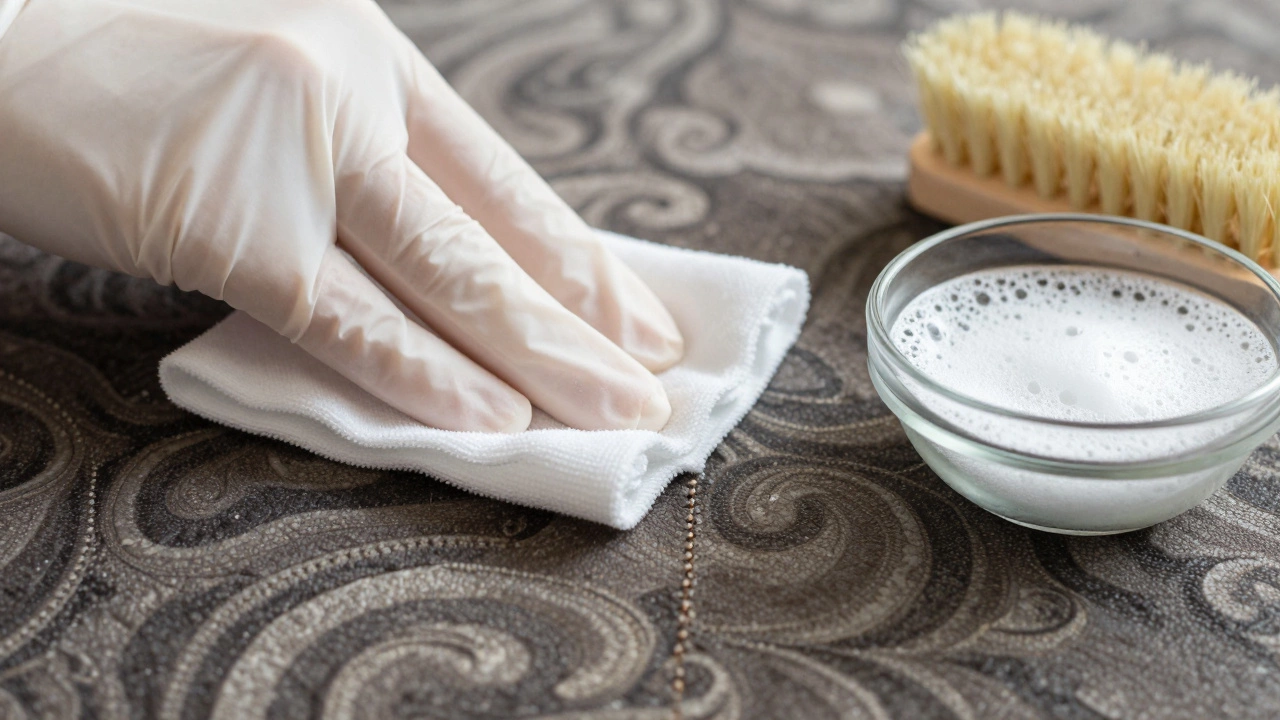
- Prepare the cleaning solution: For Code W fabrics, mix a few drops of mild dish soap into a bucket of warm water. Create suds, then skim the foam off the top. The foam is your cleaner; the soapy water underneath is too dilute and risky. For Code S fabrics, buy a commercial dry-cleaning foam specifically labeled for upholstery.
- Apply gently: Dip your soft brush or microfiber cloth into the foam (not the water). Work in small sections, no larger than two feet by two feet. Gently agitate the fabric in circular motions. Do not soak the fabric. Old padding takes forever to dry, and dampness leads to mold and mildew, which destroys fabric from the inside out.
- Rinse with a damp cloth: Using a clean cloth dampened with plain water, wipe away the soap residue. Again, use minimal water. You want to remove the soap, not saturate the cushion.
- Blot, don’t rub: Press a dry towel against the cleaned area to absorb moisture. Rubbing can fray old threads.
Tackling Stains on Old Fabric
Old stains require patience. Fresh stains are easier to remove because they haven’t bonded with the fibers yet. For set-in stains, you’ll need targeted treatments.
For grease or oil stains: Sprinkle cornstarch or talcum powder on the stain. Let it sit for several hours or overnight. The powder absorbs the oil. Vacuum it up afterward. If the stain persists, apply a tiny drop of dish soap directly to the spot and dab with a damp cloth.
For ink or marker stains: This is tricky. If the fabric is Code S, use a cotton swab dipped in rubbing alcohol. Dab lightly. If it’s Code W, try a mixture of hydrogen peroxide and water (test first!). Never scrub ink stains, as this spreads the pigment.
For wine or coffee stains: Blot up as much liquid as possible immediately. Then, mix equal parts white vinegar and water. Vinegar helps break down tannins. Apply with a sponge, blot, and rinse with water. Note: Vinegar is acidic, so avoid it on silk or wool unless tested.
Drying and Deodorizing Naturally
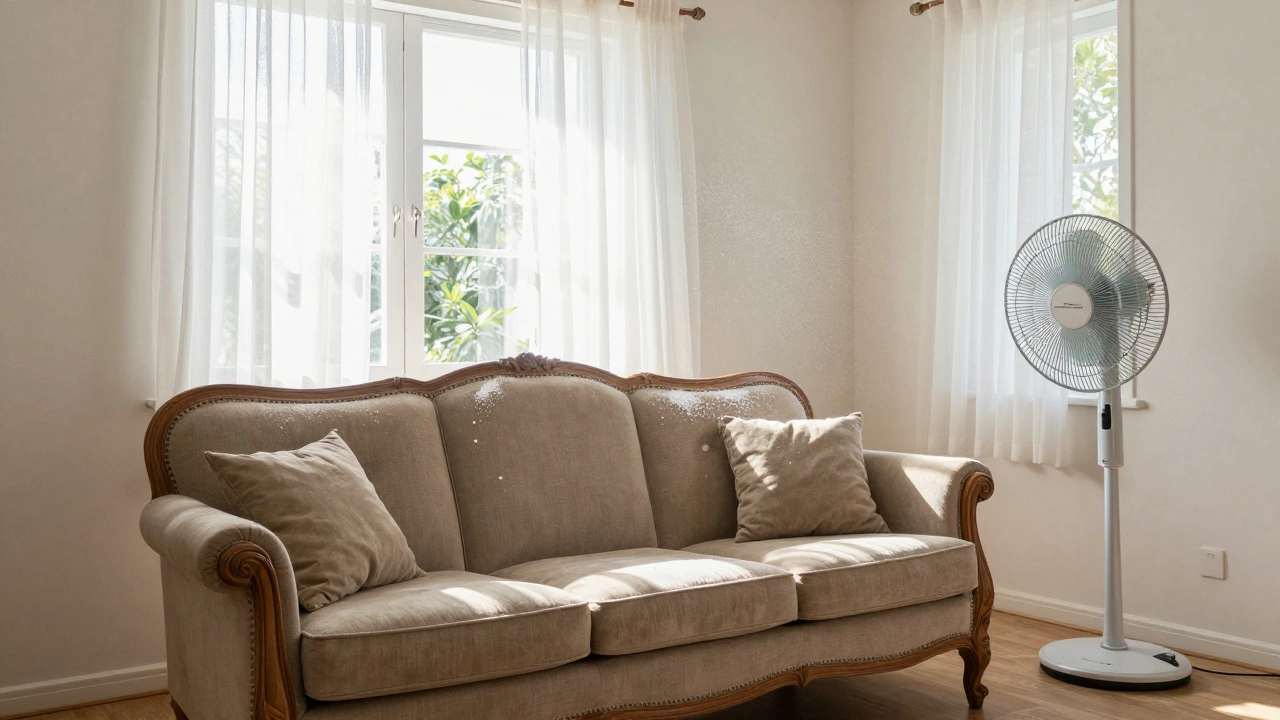
Moisture is the enemy of old upholstery. After cleaning, you need to dry the furniture as quickly as possible without using direct heat, which can crack leather or shrink fabric.
Open windows to create cross-ventilation. Place fans in the room to circulate air, but point them away from direct contact with the fabric if possible. Avoid hairdryers or space heaters aimed directly at the upholstery.
To eliminate odors, sprinkle baking soda generously over the entire surface once it is completely dry. Let it sit for at least an hour, preferably overnight. Baking soda neutralizes acids and absorbs lingering smells. Vacuum it up thoroughly afterward. For a fresh scent, you can add a few drops of essential oil to the baking soda before sprinkling, but keep it subtle.
When to Call a Professional
There are times when DIY cleaning is too risky. If your upholstery is:
- Made of genuine silk, velvet, or antique wool.
- Extremely fragile, with loose threads or tears.
- Infested with bed bugs or mold.
- Has large, unknown stains that you’ve failed to remove.
In these cases, hire a professional upholstery cleaner who specializes in antiques or delicate fabrics. They have access to specialized solvents and extraction tools that minimize moisture and maximize safety. Tell them upfront that the furniture is old and ask about their experience with similar materials.
Can I use vinegar to clean old upholstery?
Vinegar can be used on durable, water-safe fabrics (Code W) to help remove stains and odors. However, it is acidic and can damage delicate fibers like silk or wool. Always perform a spot test in a hidden area first. Mix equal parts white vinegar and water, apply sparingly, and rinse with a damp cloth.
Is it safe to use a steam cleaner on old furniture?
Generally, no. Steam cleaners inject hot water and pressure into fabrics, which can cause old dyes to bleed, fibers to shrink, and padding to become overly saturated. This increases the risk of mold growth. For old upholstery, low-moisture methods like foam cleaning are much safer.
How do I clean upholstery without a care label?
If there is no label, assume the fabric is delicate. Start with vacuuming. Then, perform a spot test with a mild water-based solution in a hidden area. If the fabric reacts negatively (bleeding, shrinking), switch to a dry-cleaning foam or consult a professional. Treat unknown fabrics as Code S or X.
Why does my upholstery smell musty after cleaning?
A musty smell usually indicates that the padding underneath the fabric did not dry completely. Moisture trapped in the foam or batting breeds mold and mildew. Ensure proper ventilation during drying, use fans, and consider sprinkling baking soda to absorb residual odors. If the smell persists, professional treatment may be needed to address internal mold.
Can I use bleach on old upholstery to whiten it?
Never use chlorine bleach on upholstery. It weakens fibers, causes yellowing over time, and can strip colors instantly. Even oxygen-based bleaches can be too harsh for aged fabrics. Stick to mild detergents or specialized upholstery cleaners designed for gentle whitening without damage.