Oven Cleaning Method Selector
Tell Us About Your Oven Situation
Quick Tips
- ✓ Always clean when oven is completely cool
- ✓ Remove racks before starting
- ✓ Avoid heating elements when applying cleaners
- ✓ Rinse thoroughly to prevent off-flavors
- ✓ Use non-abrasive sponges to protect enamel
Your Recommended Method
Lemon Steam Method
Perfect for light maintenance. The steam loosens splatters while lemon freshens the air.
Based on your preference for natural ingredients and quick turnaround time.
Step-by-Step Instructions
- 1 Prepare your materials and ensure oven is completely cool
- 2 Remove oven racks and knobs
- 3 Apply cleaning solution as directed
- 4 Let sit for recommended time
- 5 Wipe clean and rinse thoroughly
What You'll Need
Staring at a layer of burnt-on grease and carbonized food scraps inside your oven is enough to make anyone lose their appetite. You know you need to clean it, but the options are overwhelming. Should you buy a harsh chemical spray that smells like a factory floor? Use a DIY paste that might take all day to work? Or just hit the button on your self-cleaning model and hope the smoke alarm doesn't go off?
The truth is, there isn't one single "best" product for every situation. The right choice depends on how dirty your oven is, how much time you have, and whether you prefer natural ingredients or industrial strength. In this guide, we break down the most effective methods used by professional cleaners and home cooks alike in 2026, helping you pick the winner for your specific mess.
The Gold Standard: Baking Soda and Vinegar
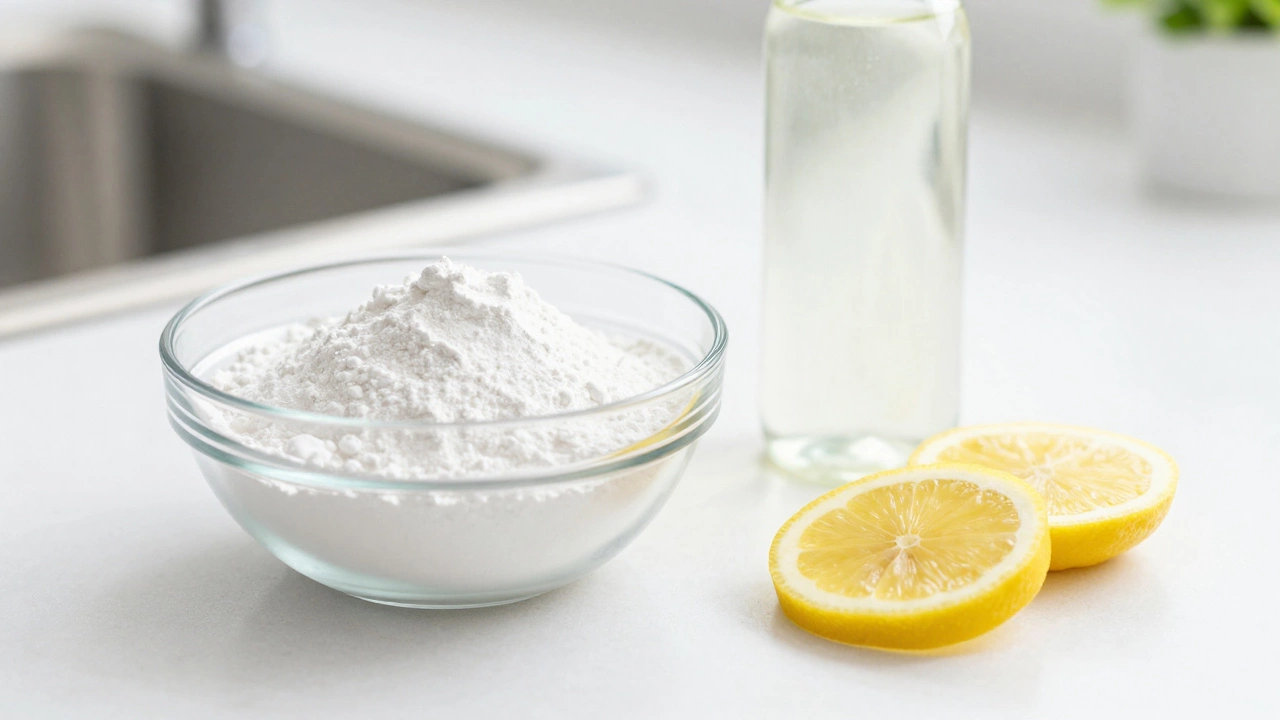
If you ask most eco-conscious homeowners what they use, the answer is almost always baking soda, also known as sodium bicarbonate, combined with white vinegar. This combination is the undisputed champion for deep cleaning without toxic fumes. It works through a simple chemical reaction: the alkaline baking soda breaks down acidic grease bonds, while the acetic acid in vinegar helps lift away residue and neutralizes odors.
Here is how to do it properly, because slapping some powder on the rack won't cut it:
- Make the paste: Mix about half a cup of baking soda with two to three tablespoons of water until you get a spreadable consistency. Think pancake batter, not runny soup.
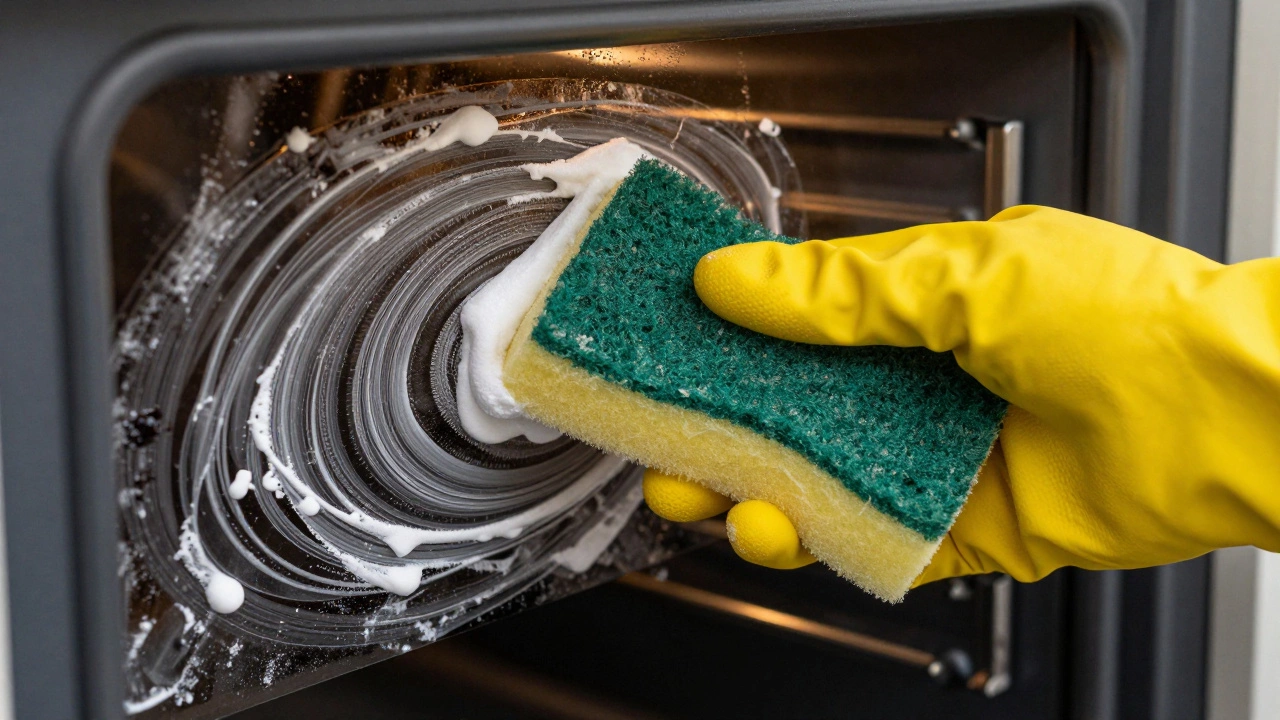
- Apply generously: Spread the paste over the interior surfaces of your oven, avoiding the heating elements. Focus heavily on areas with thick, blackened buildup.
- Let it sit: This is the non-negotiable step. Leave the paste overnight, or at least six hours. The longer it sits, the more it softens the hardened grime.
- Spray and scrub: Fill a spray bottle with white distilled vinegar. Spray the dried paste. It will fizz-that’s the carbon dioxide being released, which helps loosen the dirt. Wipe away with a damp microfiber cloth or sponge.
- Rinse: Go over the surface one last time with plain water to remove any sticky residue.
This method is safe for enamel-lined ovens and costs less than £1. The downside? It takes patience. If you need a clean oven in under an hour, this isn't your best bet.
The Heavy Hitter: Commercial Oven Cleaners
When baking soda fails to budge decades of neglect, you turn to commercial degreasers. Brands like Easy-Off, Hobbs, or Harpic offer aerosol sprays containing strong solvents like potassium hydroxide or sodium hydroxide. These are caustic agents designed to dissolve organic matter rapidly.
Commercial oven cleaner is incredibly effective for severe buildup. However, it comes with significant trade-offs. The fumes are potent and can irritate eyes, lungs, and skin. You must ventilate the kitchen thoroughly, open windows, and wear gloves. Never use these chemicals in unventilated spaces or near gas flames.
To use safely:
- Remove racks and knobs first.
- Protect surrounding countertops with newspaper or plastic sheeting.
- Spray evenly, avoiding heating elements.
- Wait 15-30 minutes as directed on the label.
- Wipe with a cloth, then rinse multiple times with water to ensure no chemical residue remains before cooking again.
While fast, frequent use of these products can degrade oven seals and damage enamel coatings over time. Reserve them for annual deep cleans rather than monthly maintenance.
The Modern Solution: Self-Cleaning Ovens
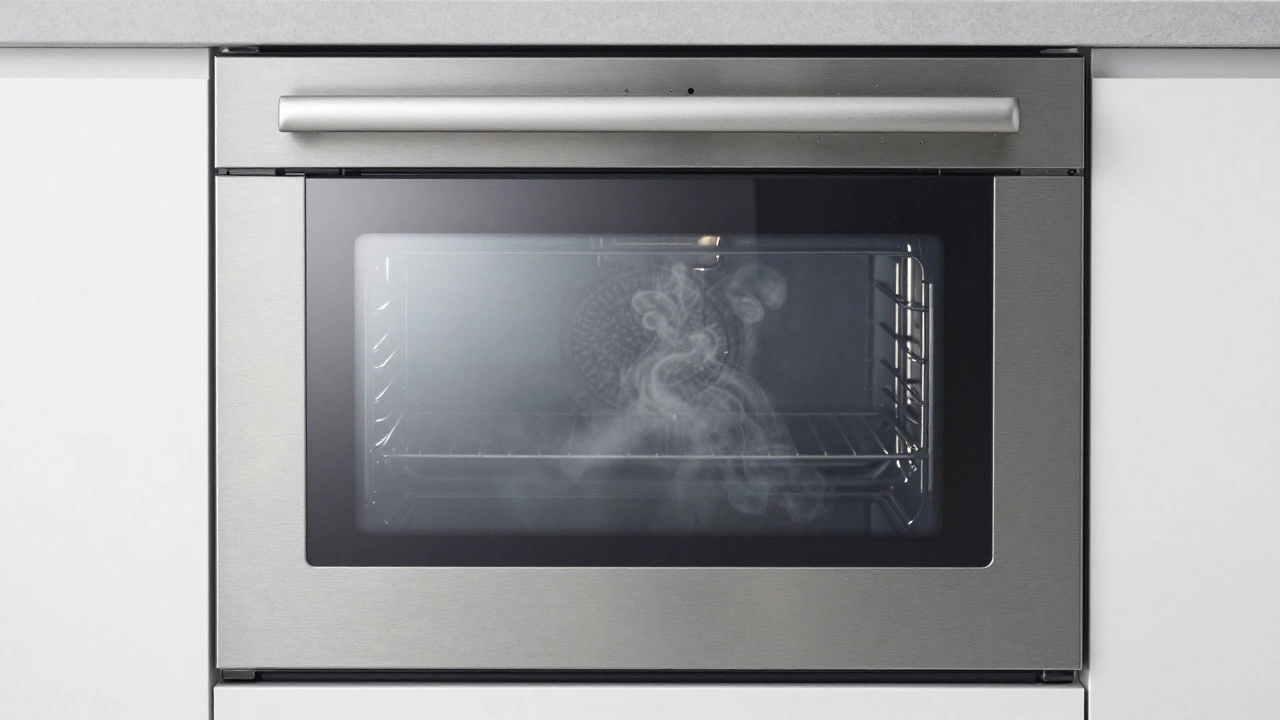
Many modern ovens feature a self-cleaning cycle. This function heats the oven to extreme temperatures-often between 480°C and 500°C (900°F-930°F)-turning food residue into ash. Afterward, you simply wipe out the gray dust.
This sounds convenient, but there are catches. First, the process generates intense heat and smoke, which may set off smoke detectors. Second, it consumes a lot of electricity. Third, repeated high-heat cycles can warp door gaskets or discolor enamel if the oven is already heavily soiled before starting the cycle.
Pro tip: Before running a self-clean cycle, manually remove large chunks of food and grease. This reduces smoke and prevents clogging the oven's ventilation system. Also, never use chemical cleaners before a self-clean cycle; the interaction between chemicals and extreme heat can release toxic gases.
Natural Alternatives: Lemon, Steam, and Ammonia
For light maintenance or those sensitive to even mild acids like vinegar, other natural options exist.
Lemon steam: Place a bowl of water with lemon slices in the oven, heat to 200°C for 15 minutes, then turn off and let cool. The steam loosens light splatters, and the citrus scent freshens the air. Ideal for weekly upkeep.
Ammonia soak: An old-school trick involves placing a cup of household ammonia in a roasting pan inside the closed oven overnight. The fumes soften grease without scrubbing. Next morning, ventilate well, then wipe clean. Note: Ammonia has a sharp odor and should only be used in well-ventilated areas, keeping children and pets away.
Comparing Your Options
| Method | Best For | Time Required | Cost | Safety Level |
|---|---|---|---|---|
| Baking Soda + Vinegar | Moderate to heavy buildup, eco-friendly users | Overnight + 30 mins scrubbing | Very Low (£) | High |
| Commercial Cleaner | Severe, neglected ovens | 30-60 mins | Medium (££) | Low (requires PPE) |
| Self-Cleaning Cycle | Convenience, moderate dirt | 2-4 hours (hands-off) | High energy cost | Medium (smoke/heat risk) |
| Lemon Steam | Light splatters, maintenance | 30 mins | Very Low (£) | High |
Common Mistakes to Avoid
Even with the best product, technique matters. Here’s what people often get wrong:
- Scrubbing too hard: Using steel wool on enamel interiors can scratch the surface, making future stains stick worse. Stick to non-abrasive sponges or nylon brushes.
- Ignoring the racks: Don’t forget to soak oven racks separately in warm soapy water or bathtub bleach solution. They’re easier to clean outside the oven.
- Leaving residue: Whether using chemicals or baking soda, incomplete rinsing leads to off-flavors in your next roast. Always wipe twice with clean water.
- Cleaning while hot: Never apply cleaners to a warm oven. Thermal shock can crack glass doors or warp metal parts. Always wait for complete cooling.
How Often Should You Clean Your Oven?
Frequency depends on usage. If you bake daily, aim for a quick wipe-down after each use and a deep clean every month. For occasional cooks, a thorough clean every 3-6 months suffices. Regular maintenance prevents buildup from becoming impossible to remove, saving you time and effort long-term.
Final Thoughts
So, what is the best thing to clean the inside of the oven with? For most households, baking soda and vinegar offers the perfect balance of effectiveness, safety, and affordability. It’s gentle on surfaces, kind to the planet, and surprisingly powerful when given time to work. Save commercial cleaners for emergencies and reserve self-cleaning cycles for convenience-not necessity. By choosing the right method for your level of mess, you’ll keep your oven sparkling without compromising your health or wallet.
Can I use bleach to clean my oven?
No, avoid using bleach inside ovens. Bleach reacts poorly with heat and can release toxic chlorine gas. It also damages enamel coatings over time. Stick to baking soda, vinegar, or approved oven cleaners instead.
Is it safe to leave baking soda in the oven overnight?
Yes, leaving a baking soda paste in the oven overnight is completely safe. It’s non-toxic and won’t harm your oven’s interior. Just ensure the oven is turned off and cool before applying.
Why does my oven smell bad after cleaning?
A lingering odor usually means residual cleaner wasn’t fully wiped away. Rinse thoroughly with water after cleaning. If using commercial cleaners, run a short empty bake cycle at low heat to burn off any remaining traces.
Can I use dish soap to clean my oven?
Dish soap alone isn’t strong enough for baked-on grease. It works for light spills but struggles with carbonized residues. Combine it with hot water and baking soda for better results, or opt for dedicated oven cleaners for tough jobs.
How do I remove stubborn stains from oven glass?
For oven door glass, make a paste of baking soda and water, apply it, let sit for 30 minutes, then scrub gently with a non-abrasive pad. For tougher stains, try rubbing alcohol or specialized glass cleaner, but never use abrasive tools that could scratch the surface.