Deep House Cleaning Checklist & Time Estimator
Tick off every task you want included. Your estimated professional time and overall coverage update instantly.
Ever looked at your kitchen floor and wondered why it still looks dirty even after mopping? That’s usually the difference between standard maintenance and a deep house cleaning. While regular tidying keeps things presentable on the surface, deep cleaning digs into the grime that builds up in corners, behind appliances, and under furniture. It’s not just about making the house look nice for guests; it’s about resetting the baseline of your home’s hygiene.
If you’re considering hiring a professional or tackling this yourself, knowing exactly what is included helps you avoid surprises. You don’t want to pay for a service only to find out they skipped the inside of the oven or the top of the cabinets. Here is a realistic look at what actually happens during a thorough clean, broken down by area and task.
The Core Difference: Standard vs. Deep Cleaning
To understand what a deep clean entails, you first have to know what it *doesn’t* do. Standard cleaning focuses on visible surfaces: wiping counters, vacuuming carpets, and taking out the trash. It’s routine. Deep cleaning is corrective. It targets accumulated dirt, dust bunnies, limescale, and grease that standard methods miss.
- Standard Clean: Wipes surfaces, vacuums floors, cleans toilets, takes out bins. Takes 1-2 hours for an average home.
- Deep Clean: Moves furniture, cleans behind/under appliances, descales fixtures, washes walls/coving, details windows. Takes 4-8+ hours depending on size.
A good rule of thumb: if a task requires moving something heavy or using a specific chemical solution (like degreaser or descaler), it’s likely part of a deep clean, not a weekly tidy-up.
Kitchen: The Heart of the Grime
The kitchen is almost always the hardest room to deep clean because it combines heat, grease, and moisture. A proper deep clean here goes far beyond wiping the worktop.
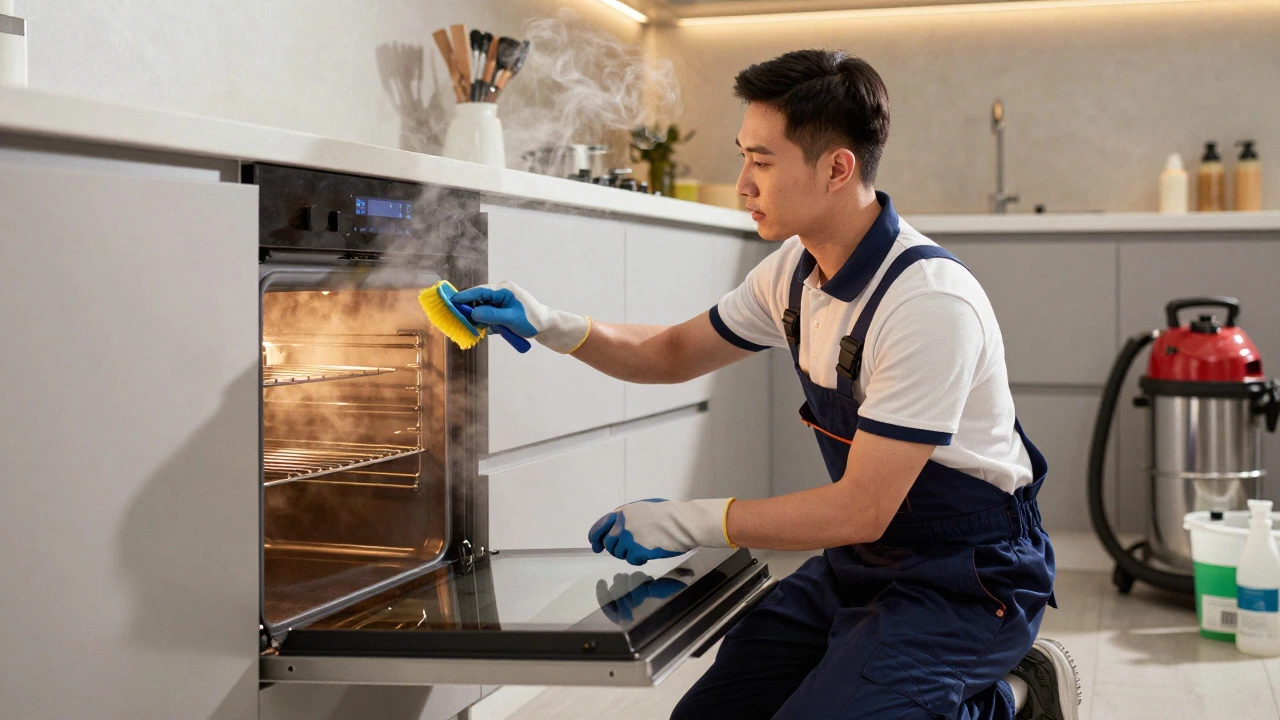
- Appliance Interiors: Emptying and washing the inside of the fridge and freezer. Degreasing the outside and inside of the oven (including racks and trays). Cleaning the microwave interior to remove food splatter.
- Cabinetry: Wiping the tops of upper cabinets (where dust settles) and the undersides of lower cabinets (where crumbs hide).
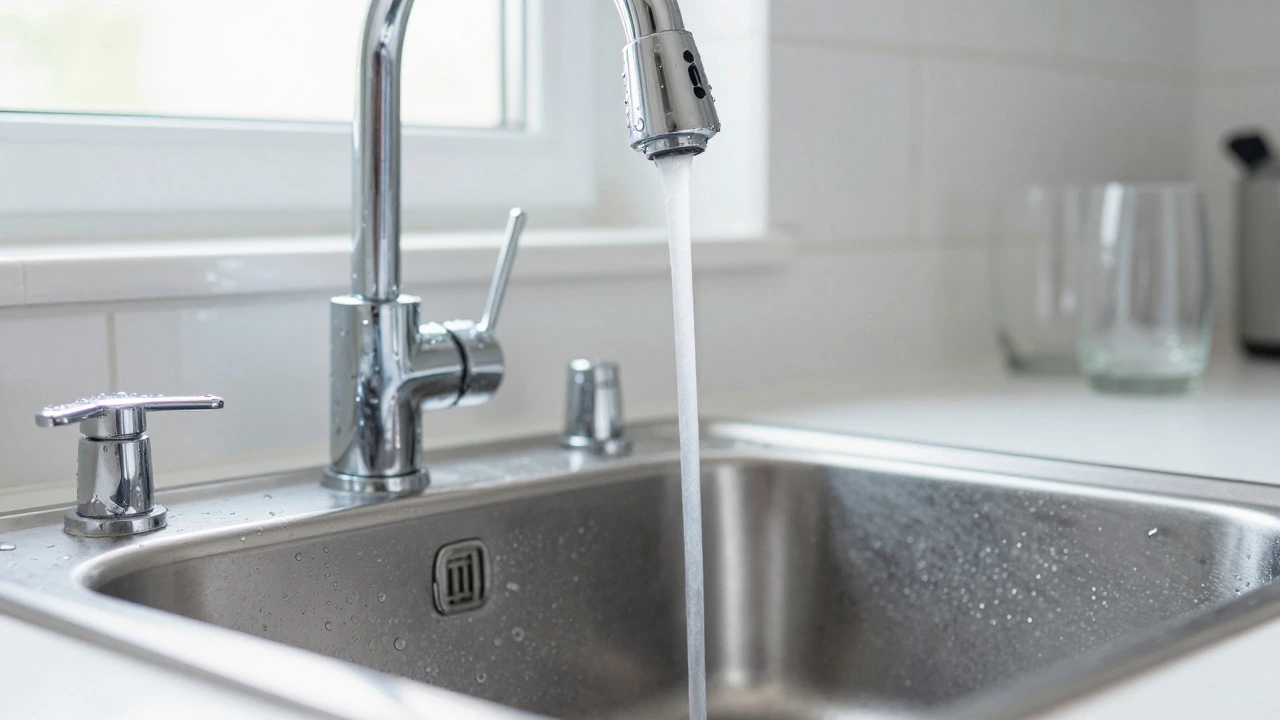
- Fixtures: Descaling the tap and sink. Scrubbing the drain to remove hair and gunk. Polishing stainless steel handles and switches.
- Floors & Walls: Mopping behind the dishwasher and fridge. Spot-washing grease marks off tiled walls or backsplashes.
Pro tip: If you hire a team, ask specifically if the oven is included. Some companies charge extra for oven cleaning unless it’s explicitly listed in the quote. Always clarify this upfront.
Bathrooms: Beyond the Surface Shine
Bathroom deep cleaning is all about removing limescale and mold. These are mineral deposits and fungal growths that resist normal soap and water.
- Descale Everything: Apply descaler to shower heads, taps, and faucets. Let it sit to break down calcium buildup before scrubbing.
- Mold Treatment: Treat silicone seals around baths and showers with anti-mold spray. Scrub grout lines with a stiff brush.
- Glass & Mirrors: Clean shower screens and mirrors streak-free. Check for hard water spots that require specialized glass cleaner.
- Ventilation: Dust and wipe the exhaust fan grille. This is often forgotten but traps significant amounts of damp air and dust.
Don’t forget the toilet cistern. Lifting the lid and giving the inside a quick wipe prevents future stains and keeps the flush mechanism working smoothly.
Living Areas & Bedrooms: The Hidden Dust Traps
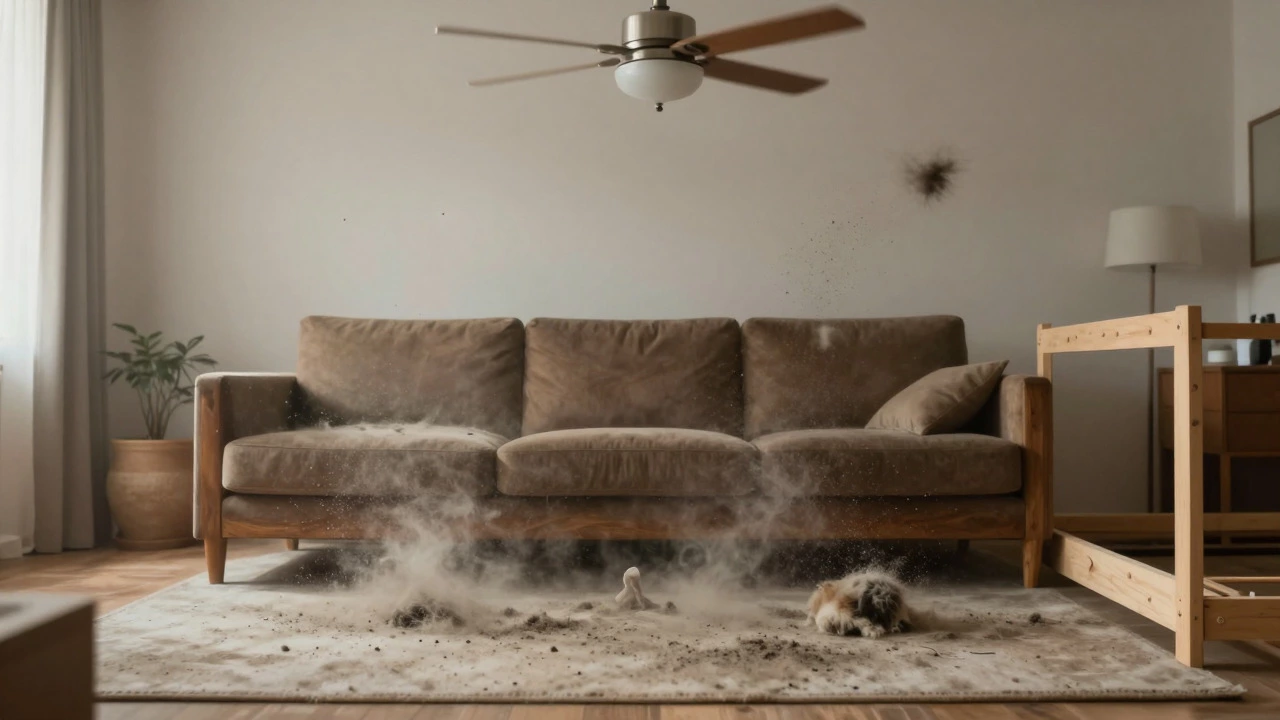
In living spaces, the enemy is dust. It accumulates on high places and low places alike. A deep clean here involves physical effort to reach these areas.
- High Surfaces: Dust light fixtures, ceiling fan blades, air vents, and skirting boards. Use an extension duster for safety and reach.
- Under Furniture: Move beds, sofas, and dressers to vacuum underneath. This is where pet hair and lost items live.
- Upholstery: Vacuum cushions and seams. If you have fabric sofas, consider spot-cleaning stains or using a steam cleaner for a true reset.
- Windows & Sills: Wash both sides of windows (if accessible). Clean window sills thoroughly, as they collect dirt from rain and wind.
For bedrooms, include washing pillowcases and duvet covers if you’re doing a full refresh. Changing linens is part of the psychological reset of a deep clean.
Entryways & Hallways: First Impressions Matter
We often neglect entryways because they’re small, but they trap the most outdoor dirt-mud, sand, and pollen.
- Dooormats: Take them outside, beat them out, and hose them down if possible.
- Shoe Racks: Wipe down shelves and remove dead insects or cobwebs.
- Doors & Handles: Disinfect door handles and light switches. These are high-touch points that harbor bacteria.
What Is Usually NOT Included?
Even a professional deep clean has limits. Knowing what’s excluded helps you set realistic expectations.
- Interior Car Windows: Unless specified, cleaners usually skip car interiors.
- External Gutter Cleaning: Requires ladders and equipment; usually a separate service.
- Pest Control: Cleaning removes traces of pests but doesn’t kill active infestations.
- Painting or Repairs: Cracked paint or loose tiles need tradespeople, not cleaners.
| Task Area | Standard Clean | Deep Clean |
|---|---|---|
| Kitchen Appliances | Wipe exterior | Clean interior of fridge/oven/microwave |
| Furniture | Spot clean | Move and clean underneath |
| Bathroom Fixtures | Scrub sink/toilet | Descal taps/showerheads, treat mold |
| Windows | Usually excluded | Wash glass and sills |
| Time Required | 1-2 hours | 4-8+ hours |
How Often Should You Do a Deep Clean?
Frequency depends on your household size, pets, and lifestyle. For most people, once every six months is a good benchmark. However, certain situations warrant more frequent deep cleans:
- Before Guests Stay: If you have short-term rentals or frequent visitors, a quarterly deep clean keeps impressions fresh.
- Seasonal Changes: Spring cleaning is traditional for a reason. It removes winter grime and prepares the home for warmer weather.
- After Renovations: Dust from construction penetrates everywhere. A post-build deep clean is essential before moving back in.
- End of Tenancy: Landlords expect a pristine condition. A deep clean is non-negotiable to get your deposit back.
Hiring Professionals vs. DIY: Which Is Better?
You can tackle a deep clean yourself, but it’s physically demanding. Hiring professionals saves time and ensures consistent results. Here’s how to decide:
- Choose DIY if: You have free time, enjoy cleaning, and want to control costs. Buy quality tools like a steam cleaner and good microfiber cloths.
- Choose Professionals if: You’re short on time, have health issues (allergies/back pain), or need a certified result (e.g., for renting out property).
When hiring, check their insurance and reviews. Ask for a detailed checklist so you know exactly what you’re paying for. Reputable companies in the UK typically offer guarantees on their work, so use that to your advantage.
Does a deep clean include laundry?
It depends on the company. Some include changing bed linen and towels, while others leave laundry to you. Always confirm this in the quote. If you want them to wash clothes, specify it clearly.
How long does a deep clean take for a 3-bedroom house?
Typically 5 to 7 hours for a team of two cleaners. If the house is heavily soiled or hasn’t been cleaned in over a year, it could take longer. Factor in drying time for floors and windows.
Should I be home during a deep clean?
No, you don’t need to stay. Most clients hand over keys or provide access codes. Being absent allows cleaners to move furniture and work without interruptions, which speeds up the process.
Is deep cleaning worth it compared to regular cleaning?
Yes, if you notice persistent odors, visible grime in corners, or buildup on fixtures. Regular cleaning maintains cleanliness, but deep cleaning resets it. Think of it like brushing your teeth versus getting a dental scaling.
What products do professional cleaners use?
They use commercial-grade degreasers, descalers, and disinfectants that are stronger than household brands. They also bring industrial vacuums, steam cleaners, and various brushes for different surfaces.