DIY Oven Cleaner Recipe Generator
Select your oven type and grime level to get a customized recipe and cleaning routine based on chemical principles.
Ingredients Ratio
- Base 1 cup Baking Soda
- Liquid ~1/2 cup Water (to make paste)
- Activator 3-4 tbsp White Vinegar (in spray bottle)
Cleaning Protocol
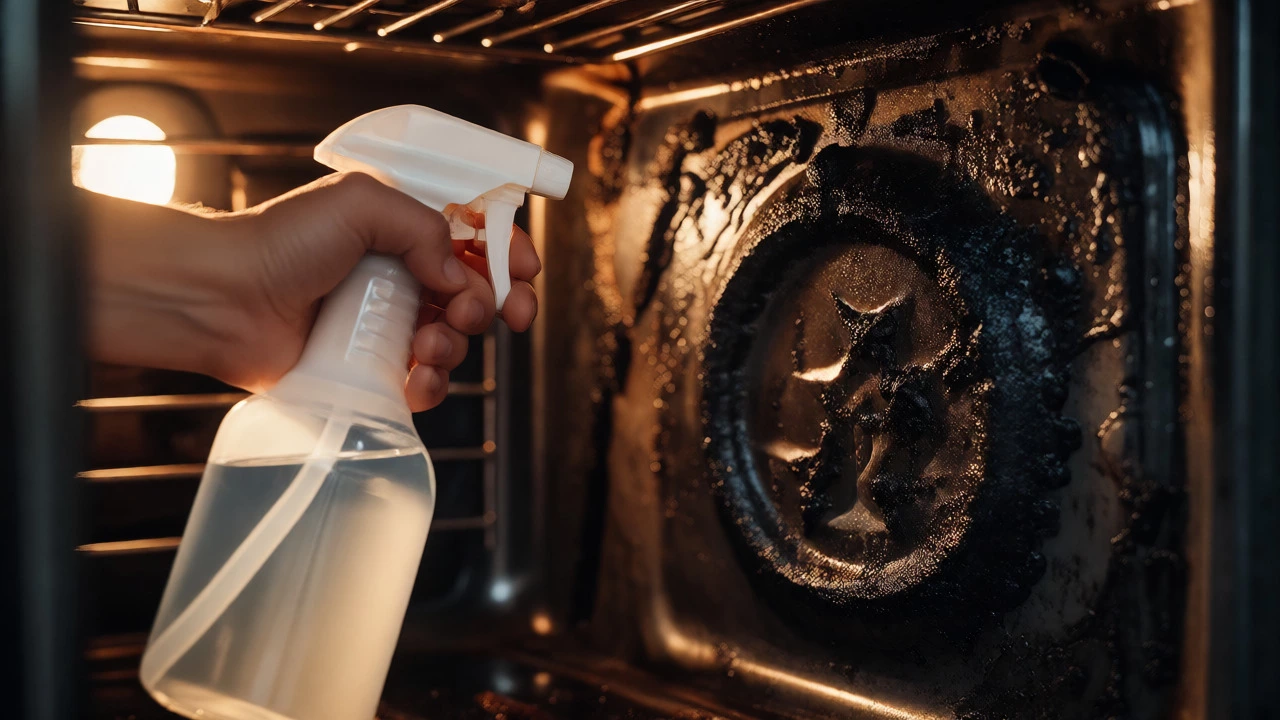
You open the oven door after a Sunday roast and are greeted by a thick, black crust of burnt fat that looks older than your car. You reach for the heavy-duty chemical spray, but the fumes make you cough, and you worry about residue touching your food. It’s a common dilemma. Most people assume that without industrial-strength sodium hydroxide, they’re stuck scrubbing until their arms fall off. But here is the secret most commercial cleaners don’t advertise: white vinegar is a mild acetic acid solution that effectively breaks down alkaline grease and mineral deposits when paired correctly. The trick isn't just using vinegar; it's knowing what to mix it with to create a reaction that lifts grime without destroying your enamel.
The Science Behind the Sparkle
To understand why certain mixtures work, you have to look at chemistry. Oven grime is primarily composed of polymerized fats and carbonized sugars. These are stubborn because they bond tightly to metal surfaces. Baking soda, or sodium bicarbonate, is a mild alkali. When you combine an acid (vinegar) with a base (baking soda), you get a fizzing reaction that releases carbon dioxide gas. This physical agitation helps loosen dirt particles from the surface. However, the real cleaning power comes from the residual salts left behind and the abrasive nature of the baking soda paste itself. If you just pour vinegar on a clean oven, it does little. If you pour it on a baking soda paste, you activate a mechanical and chemical cleaning process that rivals expensive brands.
This method works best on electric ovens with standard enamel interiors. If you have a self-cleaning oven, check your manual first. Some manufacturers advise against abrasives like baking soda because they can scratch the delicate pyrolytic coating. For those with stainless steel exteriors, vinegar is safe, but you must dry it immediately to prevent water spots. Always test a small area if your oven has a special non-stick interior coating, as prolonged exposure to acidic liquids can sometimes degrade these layers over years.
The Power Duo: Baking Soda and White Vinegar
This is the gold standard for DIY oven cleaning. It requires no fancy purchases-just two boxes from your pantry. The ratio matters. Too much liquid makes a runny mess that drips onto your heating elements; too little makes a dust cloud. Aim for a consistency similar to toothpaste.
| Ingredient | Quantity | Function |
|---|---|---|
| Baking Soda | 1 cup | Abrasive agent and degreaser |
| White Distilled Vinegar | 3-4 tablespoons | Activator and disinfectant |
| Water | As needed | Adjusts paste consistency |
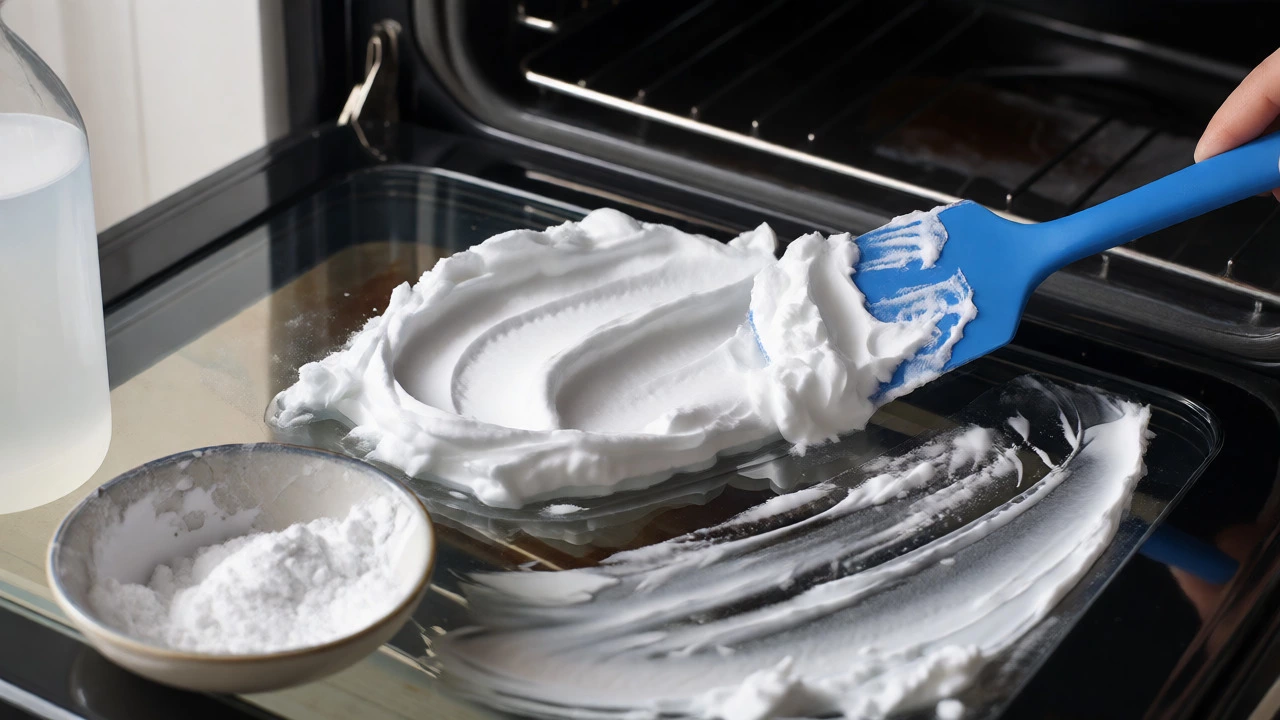
Mix the baking soda with enough water to form a thick spreadable paste. Spread this generously over the interior walls, floor, and glass door. Avoid the heating elements themselves, as getting paste there can cause smoke when heated. Let this sit for at least 12 hours, or overnight. This waiting period is crucial. The baking soda needs time to penetrate the hardened grease. After the wait, put white vinegar into a spray bottle. Spray the vinegar directly onto the dried baking soda crust. You will see immediate bubbling. Use a damp cloth or sponge to wipe away the softened grime. Rinse your cloth frequently in warm water. If patches remain stubborn, reapply the paste and repeat the process.
Enhancing the Mixture for Tough Grease
Sometimes, plain baking soda and vinegar aren't enough, especially if you’ve let the mess build up for months. That’s where additives come in. You can boost the cleaning power without resorting to harsh chemicals. One effective addition is liquid dish soap. Dish soap is designed specifically to break down lipids (fats). Adding a teaspoon of Dawn or Fairy liquid to your baking soda paste helps emulsify the grease, making it easier to lift off the enamel. The soap reduces the surface tension of the water, allowing the cleaning agents to penetrate deeper into the burnt-on food.
Another powerful additive is hydrogen peroxide. While not a vinegar mixer per se, you can use it in conjunction with the vinegar step. After applying the baking soda paste, you can mist a mixture of half water and half hydrogen peroxide before spraying the vinegar. Hydrogen peroxide acts as a bleaching agent, which helps remove brown stains from the oven glass and lightens dark scorch marks on the walls. Just ensure you rinse thoroughly afterward, as any residue can taste metallic during your next bake.
Alternative Mixes for Specific Problems
Not all oven messes are created equal. Burnt sugar on the bottom tray behaves differently than splattered cheese on the top rack. Here are three targeted mixes depending on what you’re dealing with:
- The Lemon Steam Method: If your oven smells bad but isn’t heavily coated in grease, skip the paste. Fill an oven-safe bowl with water and add sliced lemons or a few tablespoons of lemon juice. Place it in the oven and heat to 150°C (300°F) for 30 minutes. The steam loosens light grime, and the citric acid neutralizes odors. Wipe down while warm. This is perfect for maintenance cleaning between deep cleans.
- The Salt Scrub: For spills that happen while cooking, salt is your friend. If you spill sauce on the hot oven floor, throw a handful of table salt on it immediately. Once the oven cools, the salt absorbs the liquid and becomes easy to sweep away. If you forgot, make a paste of coarse salt and vinegar. The salt crystals provide heavy-duty abrasion for scrubbing flat surfaces like baking trays, though be careful using this on delicate enamel as it can scratch if rubbed too hard.
- The Ammonia Trick: This isn’t mixed with vinegar (never mix ammonia and bleach!), but it’s a potent alternative. Place a shallow pan of ammonia inside the cold oven and leave it overnight. The vapors loosen baked-on grease significantly. In the morning, wipe out the ammonia and then use your vinegar-baking soda routine to finish. Note: Ammonia has a strong smell, so ventilate your kitchen well.
Step-by-Step Deep Clean Routine
Doing this right takes patience. Rushing leads to missed spots and wasted effort. Follow this sequence to minimize scrubbing.
- Remove Racks: Take out the wire racks. Soak them in a bathtub or large sink filled with hot water and a cup of baking soda. Let them soak overnight. They’ll clean easily in the morning with a simple brush.
- Apply Paste: Mix your baking soda, water, and optional dish soap. Apply a thick layer to all interior surfaces except heating elements.
- Wait: Close the door and walk away. Do not open it. Let it sit for 8-12 hours.
- Wipe Initial Layer: Using a damp sponge, wipe away the bulk of the grey/black paste. You’ll likely find it comes off in sheets.
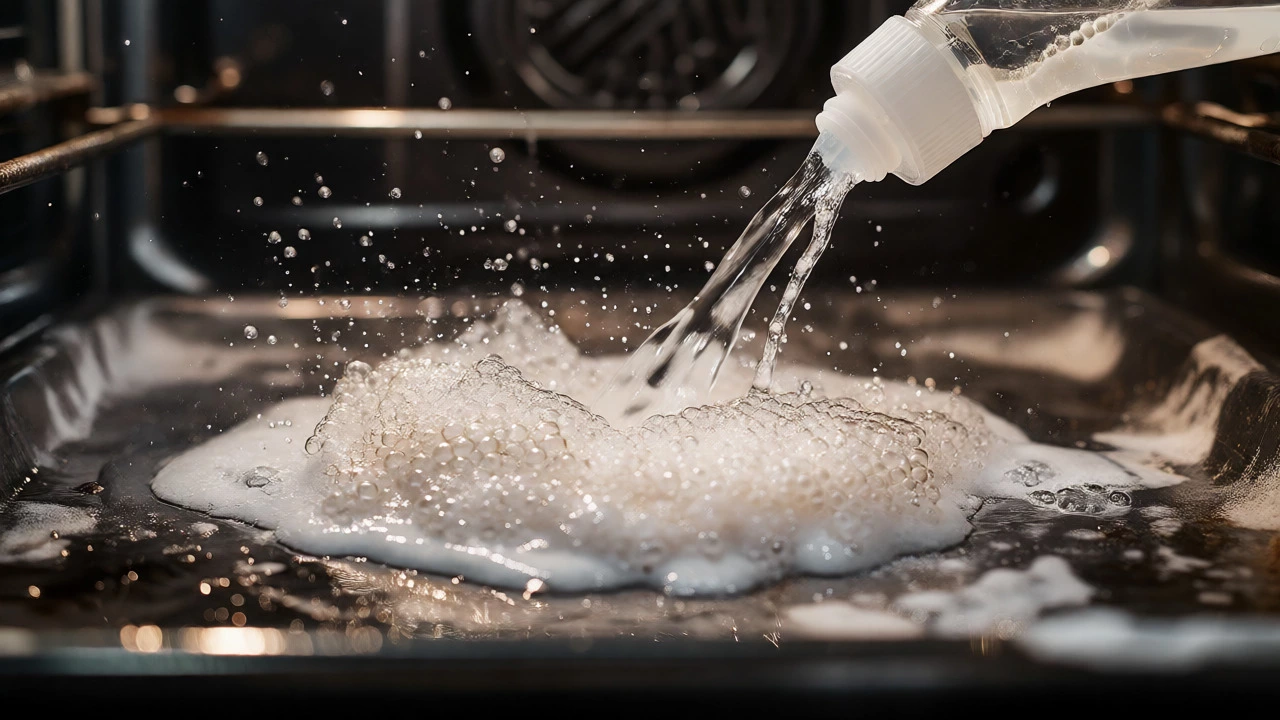
- Vinegar Spray: Spray white vinegar on remaining sticky spots. Watch it foam. This indicates the acid is reacting with leftover alkali.
- Final Scrub: Use a plastic scraper or non-abrasive scouring pad to remove final bits. Avoid steel wool on enamel.
- Rinse: Wipe everything down with a clean, wet cloth multiple times to remove all baking soda residue. Leftover powder can turn yellow and burn during the next use.
- Dry: Leave the door open to air dry completely before closing.
Pitfalls to Avoid
Even natural methods have risks. First, never use abrasive tools like steel wool on the oven glass or sensitive enamel coatings. You can permanently scratch the surface, creating rough spots that trap more dirt in the future. Stick to microfiber cloths, sponges, or plastic scrapers.
Second, do not apply the baking soda paste to hot surfaces. Always start with a cool oven. Applying paste to a hot element can cause thermal shock or burn the paste onto the surface, making it harder to remove. Third, avoid getting vinegar or paste on electrical connections or fan motors if you have a convection oven. Cover these areas with foil or tape if possible.
Finally, remember that vinegar smells strong initially. While the odor dissipates quickly, some people find it unpleasant. Ventilate your kitchen by opening windows or running the extractor fan during the wiping stage. If the smell bothers you, you can add a few drops of essential oil like tea tree or eucalyptus to your vinegar spray bottle for a fresher scent.
Frequently Asked Questions
Can I use apple cider vinegar instead of white vinegar?
Yes, you can use apple cider vinegar, but it is less ideal. Apple cider vinegar contains sugars and organic compounds that can leave a sticky residue or slight discoloration on light-colored enamel. White distilled vinegar is preferred because it is pure acetic acid and water, leaving no residue behind once wiped clean.
How long should I leave baking soda in the oven?
For best results, leave the baking soda paste on for at least 8 to 12 hours, ideally overnight. This allows the alkaline substance to break down the bonds holding the burnt grease to the metal surface. Shorter periods may require significantly more scrubbing effort.
Is it safe to eat food cooked in an oven cleaned with vinegar?
Absolutely. Both vinegar and baking soda are food-grade ingredients commonly used in cooking. As long as you rinse the oven thoroughly with water after cleaning to remove any loose particles, there is no health risk. Any faint smell usually disappears after the first few minutes of heating.
What if the baking soda paste doesn't remove the stains?
If stains persist, try adding a tablespoon of liquid dish soap to the paste for better grease cutting. For very old, carbonized stains, you might need to repeat the application cycle twice. Alternatively, use a razor blade held at a low angle to gently scrape off hardened chunks on flat glass surfaces, being extremely careful not to gouge the material.
Can I clean oven racks with vinegar alone?
Vinegar alone is often insufficient for heavy buildup on racks. It is better to soak racks in hot water with baking soda overnight. The baking soda softens the grime, and the vinegar can be sprayed on afterwards to help dissolve any remaining mineral deposits or rust spots. A dedicated rack cleaner bag with ammonia vapor is another highly effective option for racks.