Eco-Cleaning Savings Calculator
Calculate how much you could save annually by adopting the five eco-friendly cleaning habits mentioned in the article.
Breakdown by Habit:
- Cold Water Washing $0.00
- Microfibre Cloths (vs Paper) $0.00
- Vinegar & Baking Soda Swaps $0.00
You probably already know that dumping a bottle of industrial-strength bathroom cleaner down the drain isn't exactly doing the planet a favour. But let's be honest: most "green" advice feels either too vague ("just use less stuff") or too demanding ("make your own soap from scratch every Sunday"). The truth is, you don't need to overhaul your entire lifestyle to make a difference. You just need to tweak five specific habits. These aren't about perfection; they're about consistency. And here’s the kicker: many of these changes actually save you money and time, not just carbon emissions.
Swap Synthetic Sprays for Vinegar and Baking Soda
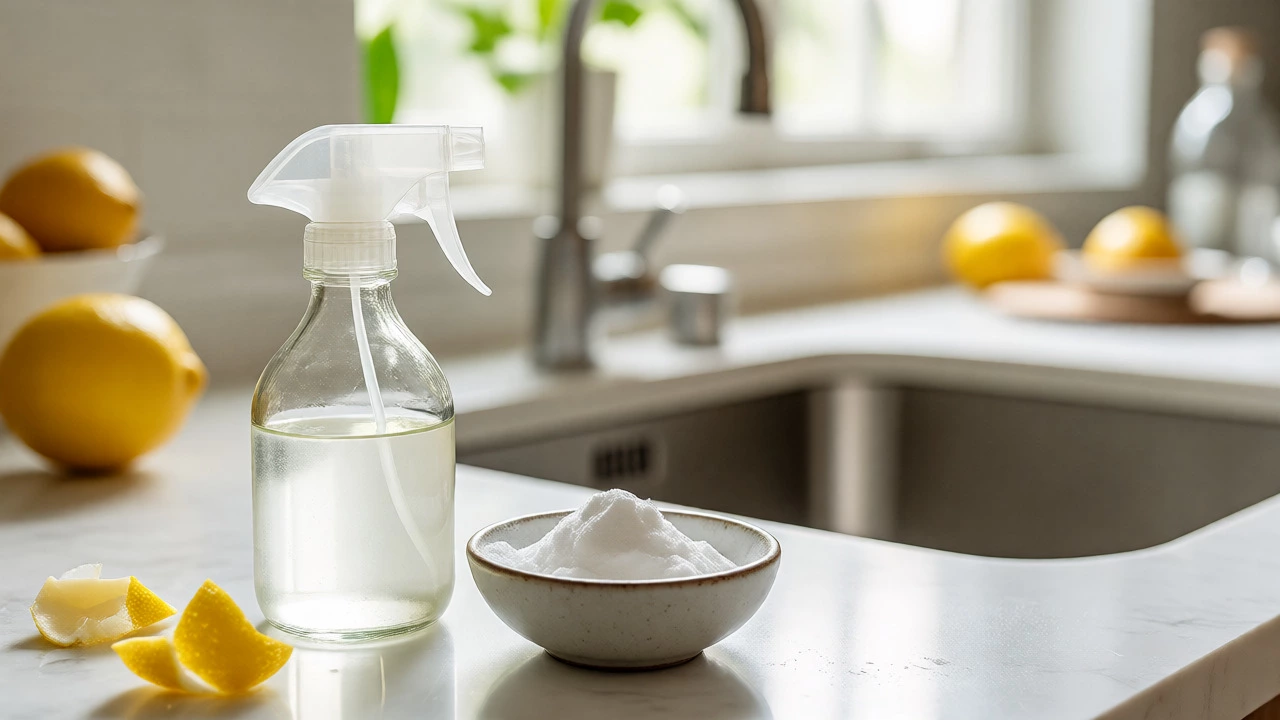
The first habit is the easiest switch: replace your multi-purpose synthetic sprays with white vinegar and sodium bicarbonate (baking soda). This isn't new-age magic; it's basic chemistry. Vinegar contains acetic acid, which breaks down mineral deposits, grease, and mild bacteria. Baking soda is a mild abrasive that scrubs away grime without scratching surfaces like ceramic tiles or stainless steel.
Why does this matter? Conventional cleaners often contain phthalates and volatile organic compounds (VOCs) that linger in your indoor air. By switching, you improve your home's air quality immediately. Here is how to set up your simple kit:
- All-Purpose Cleaner: Mix one part white vinegar with one part water in a reusable spray bottle. Add lemon peels if you hate the smell.
- Scrubbing Paste: Combine baking soda with a tiny bit of water until it forms a thick paste. Use this on sinks, bathtubs, and oven trays.
- Glass Polish: A mix of vinegar and water works better than blue liquid sprays, leaving no streaks.
This habit reduces plastic waste because you can buy vinegar in glass bottles or refill large containers at zero-waste shops. It also eliminates the need for multiple specialised products, simplifying your cleaning cupboard.
Embrace Microfibre Cloths Over Paper Towels
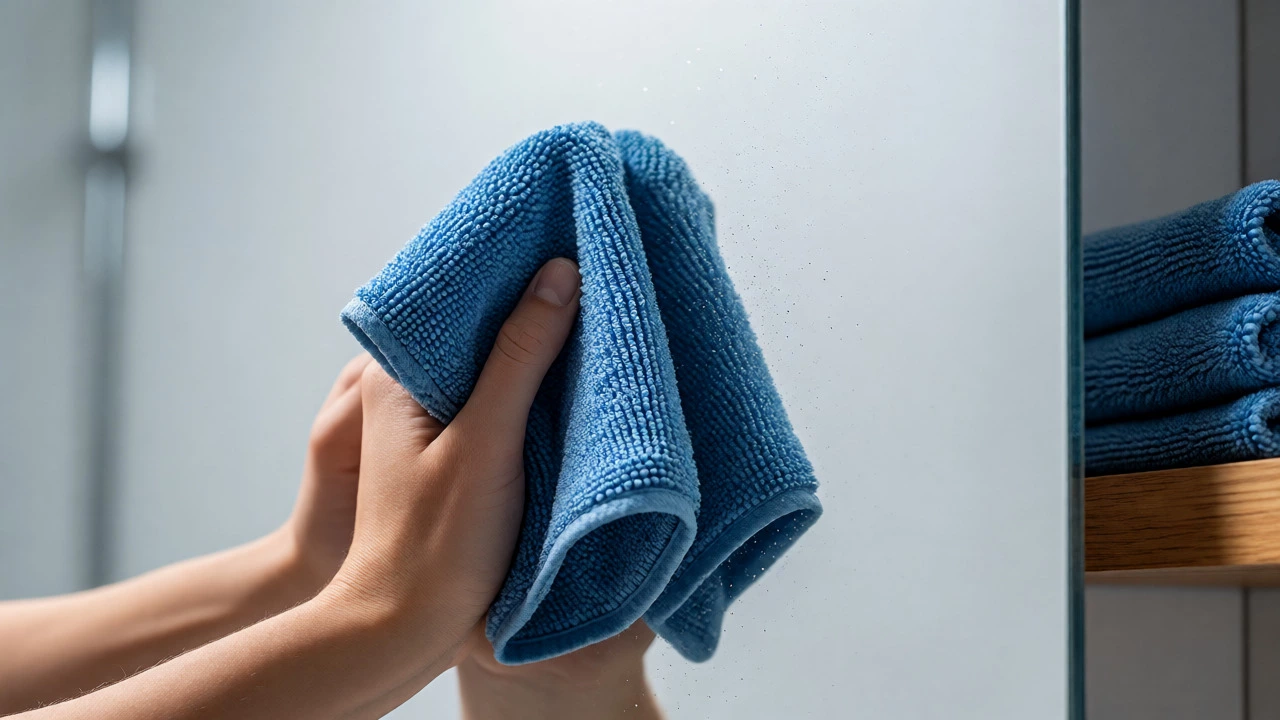
If you still reach for paper towels, you are throwing away resources daily. A single roll of paper towels might seem harmless, but collectively, we go through billions annually. The alternative is high-quality microfibre cloths made from polyester and polyamide fibres. Unlike cotton rags, microfibre splits into microscopic threads that trap dust, dirt, and moisture mechanically rather than chemically.
Here is the rule of thumb: one good microfibre cloth can replace hundreds of paper towel sheets. They are durable enough to last hundreds of washes if cared for properly. To keep them effective, avoid fabric softeners when washing them, as the coating clogs the fibres and reduces their ability to absorb water. Instead, wash them separately from lint-producing fabrics like towels or jeans.
For those worried about microplastics shedding into waterways, look for cloths made from recycled materials or invest in a washing bag designed to catch microfibres during the laundry cycle. This small change significantly cuts down household waste volume.
Adopt Cold Water Washing for Laundry
Heating water accounts for roughly 90% of the energy used by a washing machine. Yet, modern detergents are formulated to work effectively in cold water. Switching your default setting to cold is a powerful eco-friendly habit. It protects colours, prevents shrinking, and saves significant electricity or gas bills over the year.
Does cold water clean well enough? Yes, for everyday loads. Unless you are dealing with heavy oil stains or sanitising bedding after illness, cold water is sufficient. For stubborn stains, pre-treat the spot with a dab of detergent before tossing the item in the drum. This targeted approach uses less product overall compared to soaking everything in hot water.
| Wash Temperature | Average Energy Use (kWh per load) | Fabric Impact | Cleaning Efficacy |
|---|---|---|---|
| 60°C (Hot) | 1.5 - 2.0 | High wear, potential shrinkage | Excellent for heavy soil/sanitisation |
| 30°C (Warm) | 0.8 - 1.0 | Moderate wear | Good for general laundry |
| Cold (<20°C) | 0.1 - 0.3 | Low wear, preserves colour | Effective with modern enzymes |
Choose Concentrated Refillable Products
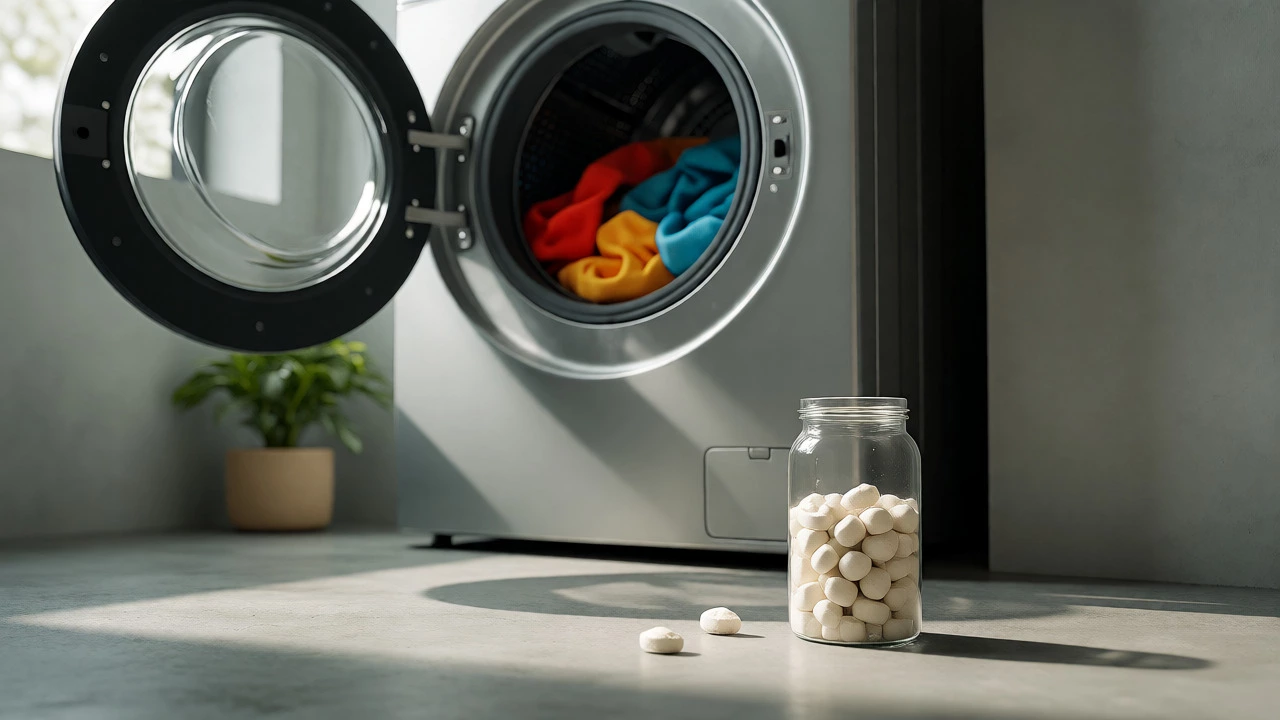
Shipping water is expensive and wasteful. Most conventional cleaning products are 90% water. When you buy a standard spray bottle, you are paying to transport water across the country. The eco-friendly habit here is buying concentrated formulas-tablets, powders, or liquids-that you mix with tap water at home.
Look for brands that offer refill systems using compostable pouches or returnable glass containers. Companies like Blueland or local zero-waste shops allow you to keep the same trigger spray bottle indefinitely. You only buy the concentrate. This drastically reduces plastic production and transportation emissions.
When choosing these products, check the ingredient list. Even "concentrated" doesn't always mean "non-toxic." Opt for plant-based surfactants derived from coconut or corn, which break down safely in wastewater treatment plants. Avoid anything listing "fragrance" or "parfum" without further detail, as these are often blends of undisclosed chemicals.
Practice Preventative Maintenance
The most sustainable cleaning habit is cleaning less frequently by preventing messes in the first place. This sounds counterintuitive, but hear me out. If you wipe down shower walls after each use, you prevent mould buildup, meaning you never need harsh bleach scrubbing later. If you vacuum high-traffic areas weekly, you protect carpet fibres from deep-seated grit, extending their life.
Create a "daily five-minute tidy" routine. Focus on high-touch areas: kitchen counters, door handles, and light switches. Using a damp microfibre cloth takes seconds. This habit stops dirt from becoming grime. Grime requires more energy, more product, and more elbow grease to remove. Prevention is literally cheaper and greener.
Additionally, declutter regularly. Fewer items mean fewer surfaces to dust and clean. Donate clothes you haven't worn in a year. Sell old appliances. A simpler home is easier to maintain sustainably.
Key Takeaways
- Simplify your toolkit: Vinegar and baking soda handle 80% of household cleaning tasks effectively.
- Ditch disposables: High-quality microfibre cloths replace paper towels and reduce long-term waste.
- Turn down the heat: Washing clothes in cold water saves up to 90% of energy per load.
- Stop shipping water: Use concentrated refills to cut plastic waste and transport emissions.
- Prevent before you clean: Daily quick wipes stop grime buildup, reducing the need for harsh chemicals later.
Frequently Asked Questions
Is vinegar safe for all surfaces?
No, vinegar is acidic and should not be used on natural stone surfaces like marble, granite, or limestone. The acid can etch the stone, causing dull spots. For these surfaces, use a pH-neutral cleaner or warm soapy water instead.
Do eco-friendly cleaning products clean as well as chemical ones?
For general maintenance and light-to-medium cleaning, yes. Modern eco-products use effective plant-based enzymes and surfactants. However, for extreme cases like heavy oven grease or black mould, you might need stronger solutions occasionally. In those cases, consider hiring a professional service that uses green-certified heavy-duty agents rather than relying solely on home remedies.
How do I dispose of empty cleaning product bottles?
Rinse them thoroughly first. Check the resin identification code on the bottom. HDPE (number 2) and PET (number 1) are widely accepted in kerbside recycling. If your council doesn't accept trigger sprays, remove the pump mechanism (often mixed plastics) and recycle the bottle body separately. Many zero-waste shops also take back empty containers for reuse.
Are essential oils safe to add to DIY cleaners?
Generally, yes, but use caution. Some oils, like tea tree or eucalyptus, have antimicrobial properties. However, they can be toxic to pets, especially cats and dogs, if ingested or applied directly. Always dilute heavily and test on a small area first. Also, note that adding oil to water doesn't mix unless you use an emulsifier like alcohol or soap; otherwise, it just floats on top.
What is the biggest myth about green cleaning?
The biggest myth is that "natural" automatically means "safe." Poison ivy is natural, but it causes a rash. Similarly, some natural ingredients can be allergens or irritants. Always read labels and follow usage instructions, even for homemade solutions. Safety depends on concentration and handling, not just origin.