Dusting Frequency Calculator
Stop guessing when to clean. Answer a few questions about your living space to get a personalized dusting schedule that balances hygiene with your free time.
Your Home Profile
Recommended Routine
Select your options and click "Get My Schedule"
You probably have a mental image of the "perfect" house. It’s shiny, sterile, and smells like lemon polish. But here’s the truth: you don’t need to wipe down every surface every single day. In fact, trying to do so is often a waste of your weekend. The question isn’t whether you should dust-it’s how often you actually need to pick up that cloth before your allergies kick in or your shelves look sad.
Most people overestimate the effort required to keep their homes clean because they confuse dusting with deep cleaning. They’re not the same thing. Dusting is maintenance; it’s about managing the accumulation of particulate matter. Deep cleaning is resetting the baseline. If you understand the rhythm of dust buildup, you can cut your cleaning time in half without living in a mess.
The Reality of Dust Accumulation
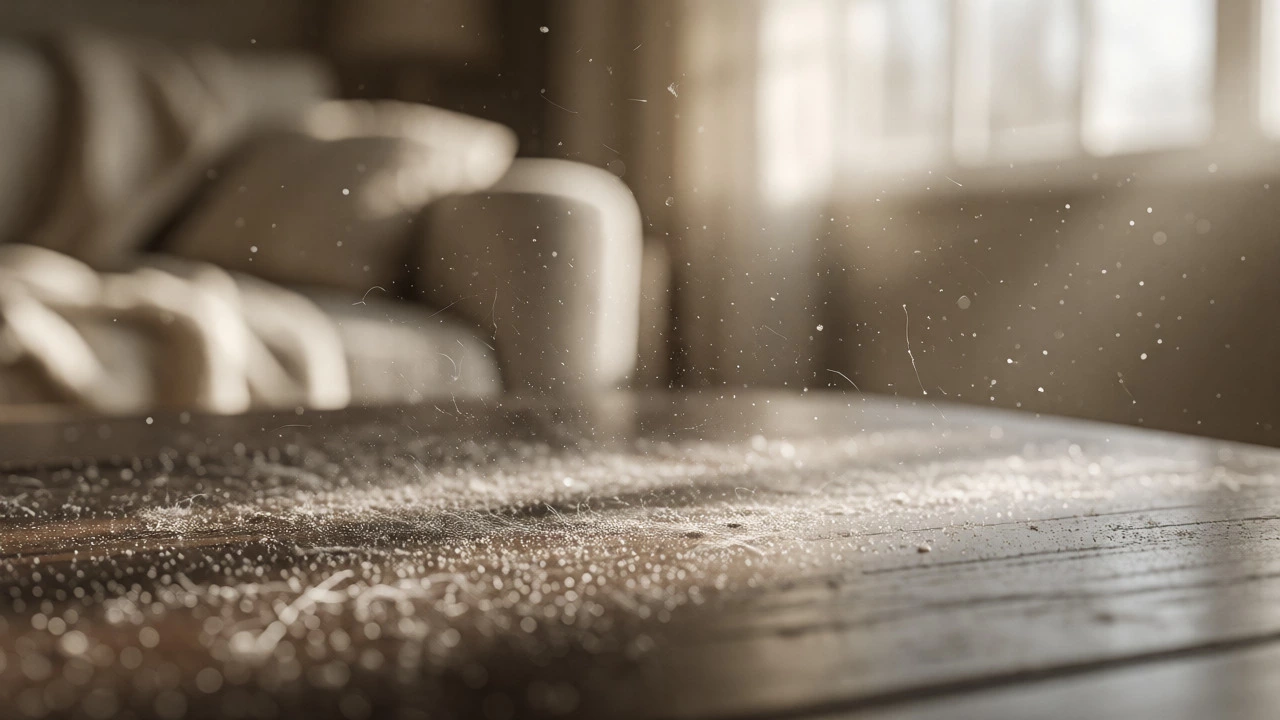
Dust isn’t just dirt from outside. About 80% of household dust is dead skin cells, fabric fibers, and pet dander. This means your home generates its own dust supply constantly. Every time you walk across carpet, shake out a towel, or let the dog jump on the sofa, you’re contributing to the layer forming on your coffee table.
Because this process is continuous, there is no universal "correct" answer for everyone. Your location matters. If you live near a busy road or in a dry, windy climate, airborne particles settle faster. If you have pets, especially shedding breeds like Golden Retrievers or Huskies, fur and dander accelerate the visible grime cycle. Conversely, if you live alone in an apartment with minimal textiles and closed windows, your surfaces stay cleaner longer.
A Realistic Dusting Schedule by Room
Instead of asking "how often," ask "where." Different rooms have different traffic patterns and material types. Here is a breakdown that balances hygiene with sanity.
| Area | Frequency | Why? |
|---|---|---|
| Bedroom Surfaces | Weekly | You spend 1/3 of your life here. Skin cells accumulate on nightstands and headboards. |
| Living Room Electronics | Bi-weekly | Screens attract static-charged dust which degrades air quality near your face. |
| Kitchen Counters | Daily (wipe) / Weekly (deep) | Cooking grease traps dust, making it sticky and harder to remove later. |
| Bathroom Shelves | Weekly | Humidity causes dust to clump; mold spores thrive in damp, dusty corners. |
| High Shelves/Corners | Monthly | Out of sight, out of mind. These areas rarely get touched but harbor allergens. |
| Fan Blades & Lights | Quarterly | Heavy buildup here circulates dust throughout the room when fans run. |
The Hidden Culprits: Why Some Homes Get Dustier Faster
If you feel like you’re fighting a losing battle, check these three factors. They are the primary drivers of rapid dust accumulation.
- Textiles: Carpets, heavy curtains, and upholstered furniture act as dust reservoirs. They hold onto particles until disturbed. If your home is full of soft furnishings, you’ll see dust resurface quickly after wiping hard surfaces because it’s falling off the fabric.
- Airflow: Open windows bring in pollen and street pollution. Conversely, poor ventilation allows indoor-generated dust to linger. Using an HVAC system with a high-quality filter (MERV 11 or higher) significantly reduces settling rates.
- Pets: Animals shed continuously. A single cat can produce enough dander to trigger symptoms in sensitive individuals within hours. Regular vacuuming of upholstery is more important than wiping tables if you have furry friends.
Technique Matters More Than Frequency
You can dust every day and still have a dirty house if you use the wrong method. Most people make the mistake of using a feather duster. This tool doesn’t capture dust; it launches it into the air, where it floats for minutes before settling back down-often on the floor or other surfaces. It’s essentially moving the problem around.
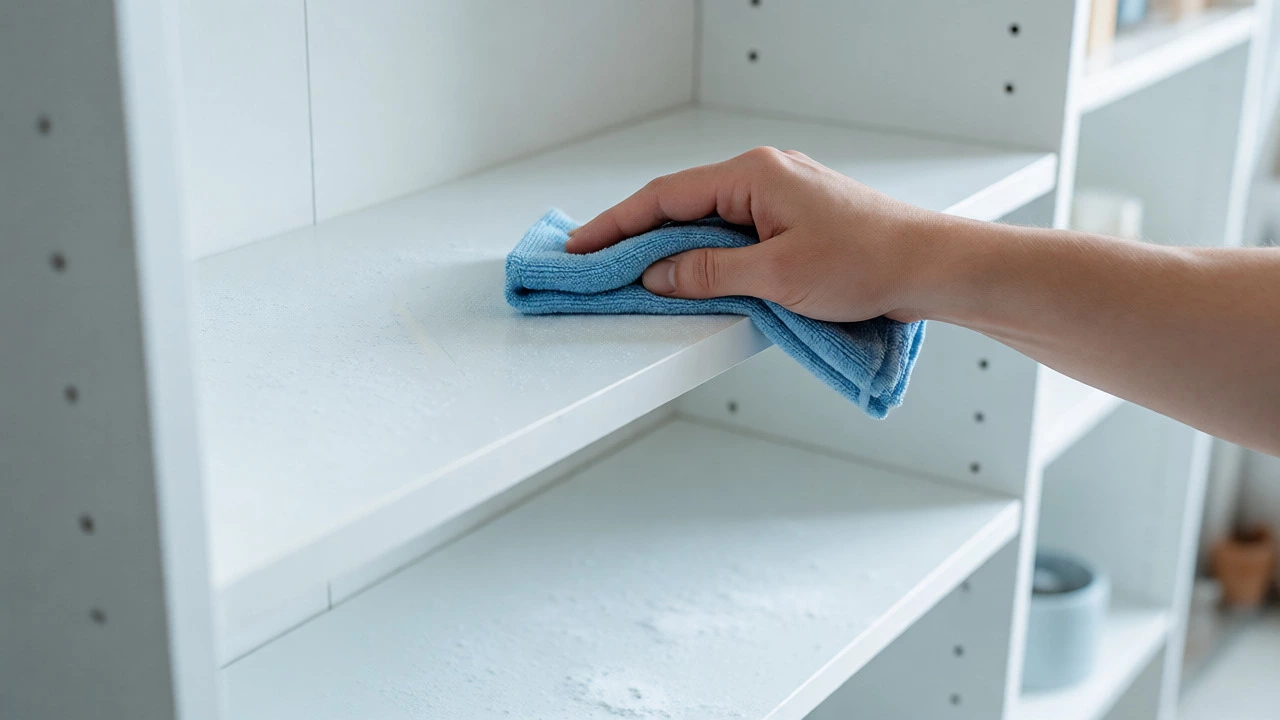
Switch to microfiber cloths. These fabrics have split fibers that physically trap dust particles rather than scattering them. For best results:
- Top to Bottom: Always start with ceiling fans, light fixtures, and top shelves. Let gravity do the work. If you dust the floor first, then the shelf above it, you’ve just ruined your floor cleaning.
- Damp Wipe: Lightly mist your microfiber cloth with water or a mild all-purpose cleaner. Dry dusting works, but a slightly damp cloth captures fine particles better and prevents static cling.
- Don’t Over-wet: Too much liquid leaves streaks on wood and electronics. The cloth should be barely damp to the touch.
When to Ignore the Clock
There are times when standard schedules go out the window. Allergies are the biggest disruptor. If you wake up sneezing or notice itchy eyes during specific seasons (like late winter or early spring), increase your dusting frequency. Pollen counts spike, and those tiny grains land on everything. During high-pollen days, wipe down entryway surfaces daily to stop tracking it further inside.
Similarly, if you’ve recently renovated or moved furniture, expect a temporary surge in dust. Construction debris and disturbed settled layers will create a haze that normal weekly cleaning won’t fix immediately. Plan for two extra sessions in the first month post-renovation.

Spring Cleaning vs. Routine Maintenance
Since we’re talking about cleaning rhythms, it’s worth addressing the concept of spring cleaning. Many people treat it as a one-time event where they scrub the entire house top to bottom. While refreshing, this approach is inefficient. By the time you finish the attic, the kitchen is dusty again.
Think of spring cleaning as a reset button, not a substitute for routine. Use the warmer months to tackle tasks you skip during regular weeks: washing curtains, flipping mattresses, and cleaning behind appliances. Once that deep reset is done, return to the sustainable schedule outlined above. Consistency beats intensity every time.
Tools That Actually Work
You don’t need a cart full of products. Keep it simple:
- Microfiber Cloths: Buy a pack of 12. Wash them separately from cotton towels to maintain their electrostatic charge.
- Extendable Duster: Look for one with a telescoping pole and a washable microfiber head. Avoid feather ones unless you enjoy breathing in dust clouds.
- Vacuum with HEPA Filter: Essential for removing dust from carpets and upholstery without blowing it back out.
- Mild Cleaner: A mixture of water and a drop of dish soap works for most surfaces. Save specialized polishes for finished wood if you prefer the scent and shine.
Common Mistakes to Avoid
Stop doing these things if you want less dust:
- Clutter: Knick-knacks, piles of mail, and random objects create surface area for dust to settle. Fewer items mean fewer places to wipe. Decluttering is the most effective anti-dust strategy.
- Neglecting Filters: Dirty HVAC filters recirculate dust. Change them every 90 days, or monthly if you have pets.
- Ignoring Under Furniture: Dust bunnies form under beds and sofas. Vacuum underneath regularly to prevent large accumulations from migrating out.
Is it better to dust wet or dry?
Damp dusting is generally more effective. A lightly dampened microfiber cloth traps dust particles through adhesion, whereas dry dusting can scatter fine particles into the air. However, ensure the cloth is only slightly moist to avoid damaging wood finishes or leaving streaks on glass and electronics.
Does opening windows reduce dust?
It depends on your environment. Opening windows can help ventilate stale air and reduce indoor humidity, which inhibits mold growth. However, if you live near a busy road, construction site, or in a high-pollen area, open windows introduce new particulate matter, increasing the rate at which dust settles on surfaces.
How does having pets affect dusting frequency?
Pets significantly increase the amount of organic dust, including fur and dander. Households with dogs or cats typically need to vacuum and dust 2-3 times more frequently than pet-free homes. Focus on upholstery and floors, as these areas trap the most animal hair.
Can I use a Swiffer instead of a traditional cloth?
Yes, disposable electrostatic cloths like Swiffer are effective for quick pickups between deeper cleans. They attract dust well but may leave residue if used excessively on certain surfaces. For thorough cleaning, reusable microfiber cloths are more cost-effective and environmentally friendly long-term.
What is the fastest way to reduce dust in my home?
The most impactful change is reducing clutter. Every object is a surface for dust to settle on. Additionally, installing high-efficiency air purifiers and changing HVAC filters regularly addresses the source of airborne particles, slowing down accumulation speed.