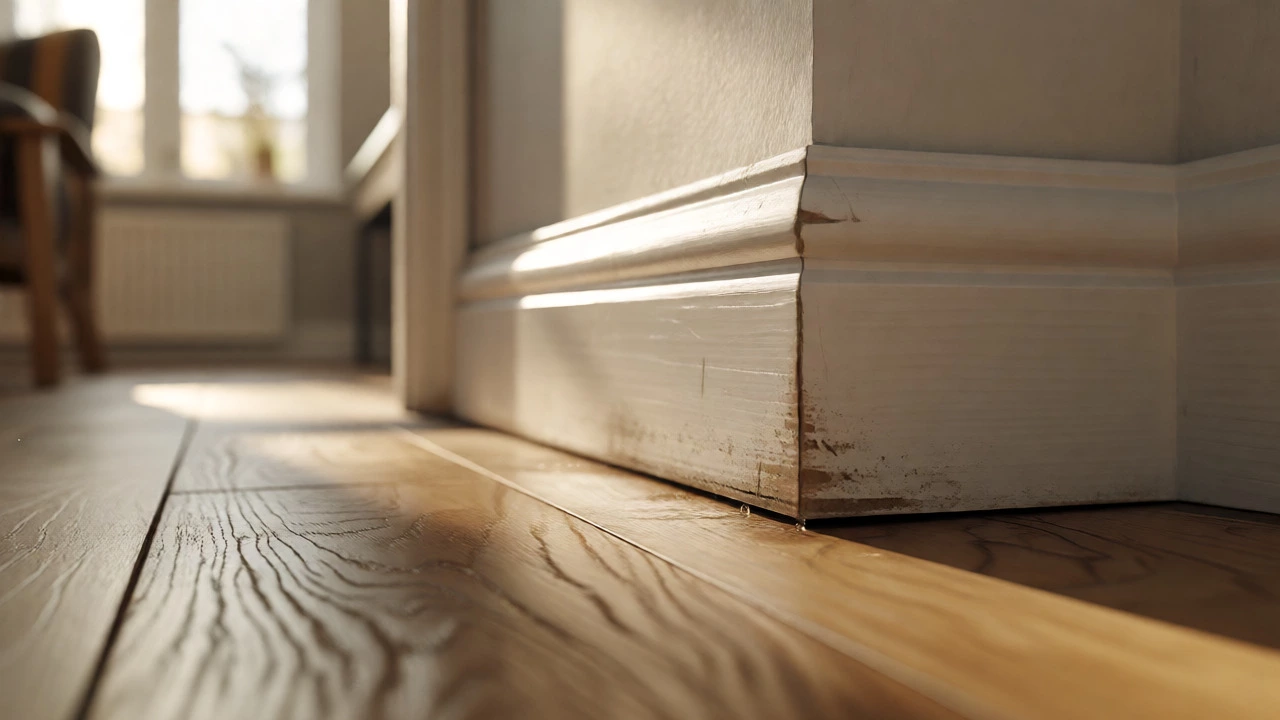
End of Tenancy Baseboard Readiness Checker
Answer these questions honestly to see if you risk losing money on your deposit due to neglected baseboards.
Detailed Assessment
Estimated Time & Cost Impact
Pro Tip from the Article:
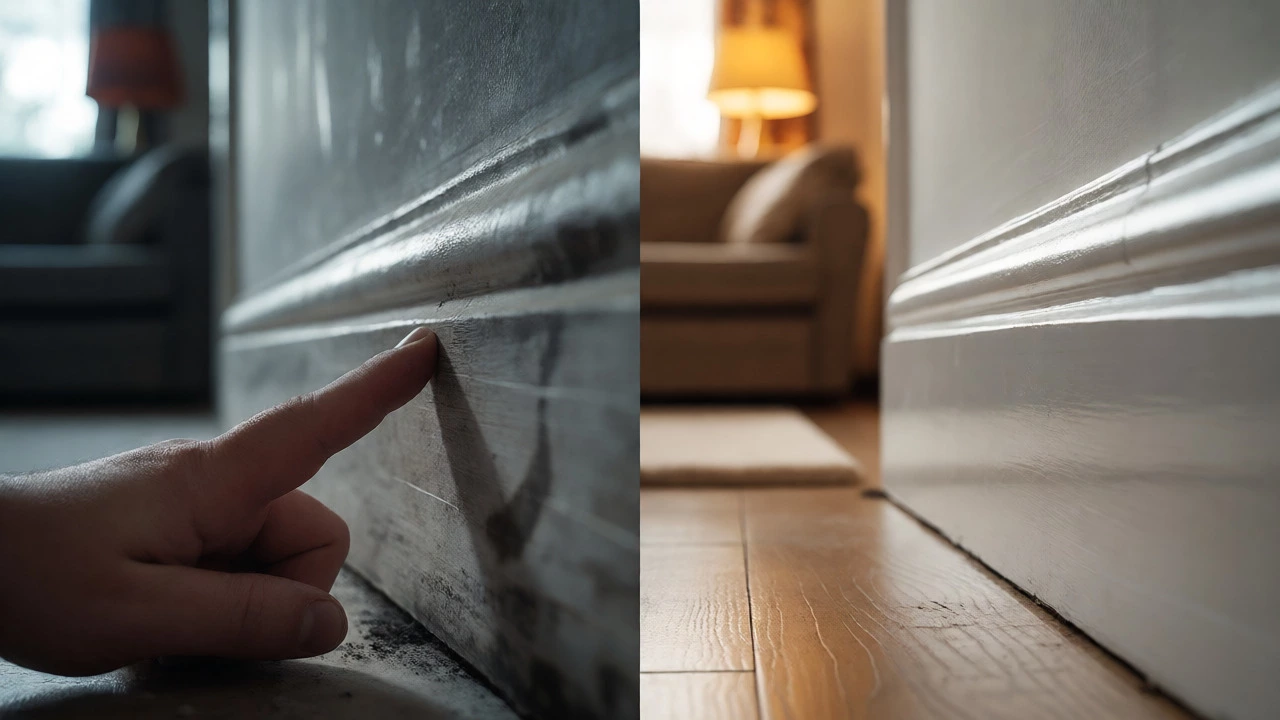
Run a white glove or finger along the top edge. If it comes away black, it's a deduction waiting to happen.
You’ve spent weeks scrubbing your flat, polishing the oven until it gleams, and steam-cleaning carpets that haven’t seen daylight in years. You’re exhausted, your back hurts, and you’re staring at one final hurdle: the baseboards. They are dusty, scuffed, and covered in mystery splatters from three years of living there. So, should a cleaning lady clean baseboards? Or is this just another trap set by picky landlords to withhold your deposit?
The short answer is yes, but with a massive asterisk. It depends entirely on what you agreed to pay for. In the world of professional cleaning, "standard" and "deep" are two very different animals. If you hire a generic hourly cleaner, they might wipe them down if they have time. But if you are booking an End of Tenancy Cleaning service, baseboards are almost always included because they are critical for passing inspection. Let’s break down exactly where these strips of wood fit into the cleaning hierarchy, how much effort they really take, and how to ensure you don’t lose money over them.
What Counts as Standard vs. Deep Cleaning?
Most people confuse routine maintenance with deep cleaning. A standard weekly clean focuses on surfaces you touch every day: kitchen counters, bathroom sinks, vacuuming floors, and emptying bins. It’s about maintaining hygiene. Deep cleaning, however, targets the areas you ignore until the annual spring clean or when you move out. This includes behind appliances, inside ovens, window tracks, and yes, the edges of the room.
When you look at quotes from cleaning companies in Bristol or London, check their scope of work carefully. Many budget cleaners exclude "high dusting" or "edge cleaning." Baseboards fall into this gray area. They aren't technically "floors," so some vacuum-only services skip them. But they aren't "walls," which are usually left alone unless painted. Because they sit at the intersection of floor and wall, they collect a unique cocktail of dust, pet hair, mop water residue, and shoe scuffs.
If your contract says "full house clean," assume baseboards are in. If it says "general tidy," ask specifically. I’ve seen tenants argue that baseboards are part of the "floor," while cleaners argue they are part of the "wall decoration." Don’t let this ambiguity cost you £50. Clarify it before they arrive.
The Landlord’s Checklist: Why They Care About Skirting Boards
Why do landlords obsess over skirting boards? It’s not just about aesthetics; it’s about perceived neglect. A dirty baseboard signals that the tenant didn’t maintain the property regularly. During an inventory check-out, a clerk will run a finger along the top edge of the board. If it comes away black, they’ll note it as "dirty condition." Repeat this across ten rooms, and suddenly you have a deduction line item for "cleaning required."
From my experience helping friends move in Bristol, the most common disputes aren't about broken windows or stained carpets. They’re about these small, tedious details. Landlords know that replacing a carpet costs hundreds, but hiring a cleaner to wipe baseboards costs twenty minutes of labor. They often use this as a bargaining chip. If you leave them grimy, they can claim you failed to return the property in "fair wear and tear" condition, shifting the burden onto you.
| Cleaning Task | Standard Weekly Clean | End of Tenancy Deep Clean | Landlord Expectation |
|---|---|---|---|
| Floor Vacuuming | Included | Included + Mopping | High Priority |
| Baseboard Wiping | Often Excluded | Included (Top & Front) | Medium-High Priority |
| Inside Cupboards | Excluded | Included | High Priority |
| Radiator Dusting | Excluded | Included | Medium Priority |
How Much Effort Does It Really Take?
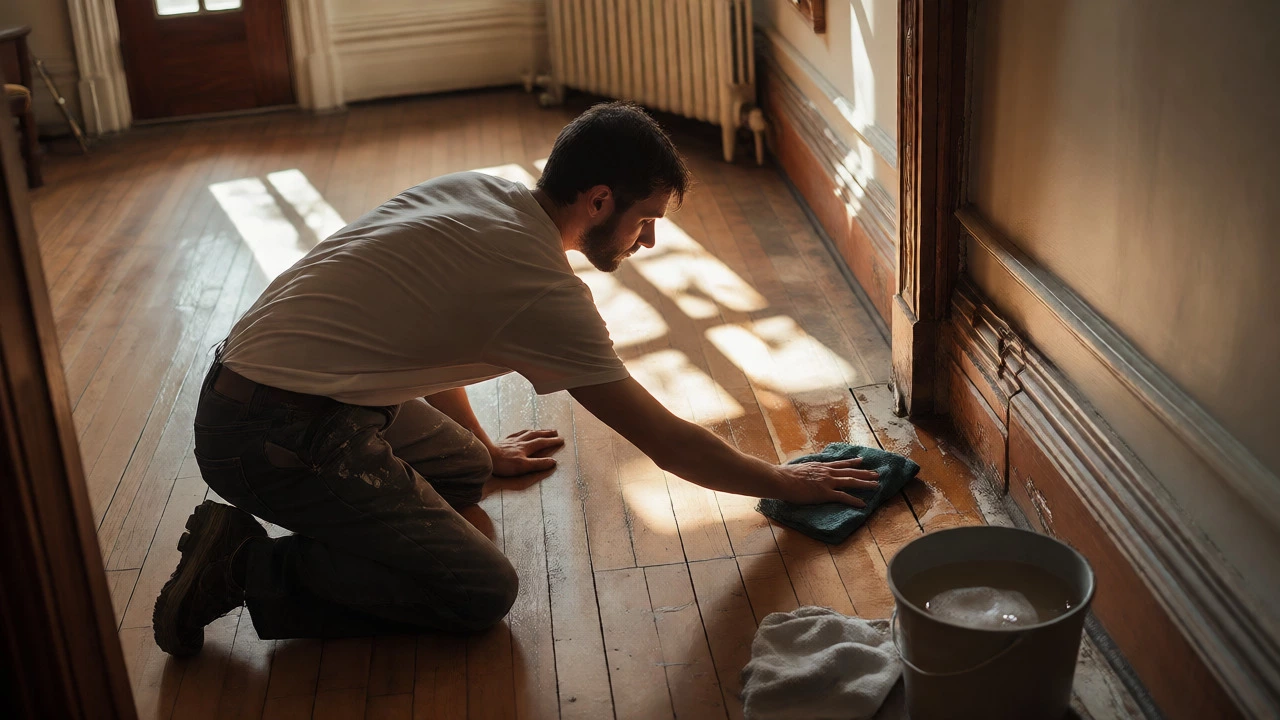
Let’s get realistic. Cleaning baseboards isn’t hard science, but it is physically annoying. You are kneeling on a hard floor, wiping horizontal surfaces that are often too low to reach comfortably while standing. For a single-bedroom flat, you might spend 15-20 minutes. For a four-bed family home with intricate Victorian molding, you could easily spend an hour just on the edges.
Professional cleaners use microfiber cloths and a bucket of warm water with a mild detergent. They don’t scrub aggressively because that damages paint. They wipe, rinse the cloth, and repeat. If you try to do this yourself after moving all your furniture out, you’ll realize why professionals charge extra for it. It’s tedious, repetitive, and easy to miss spots behind doors or under radiators.
Here’s a pro tip: don’t wait until the last minute. If you’re DIY-ing this, start cleaning the baseboards while you still have furniture in place. Move one piece of furniture, clean the strip behind it, then move it back. Doing it all at once when the room is empty means you have to walk back and forth constantly, which slows you down significantly.
Who Should Do It: You or the Cleaner?
This decision comes down to cost versus convenience. If you are hiring a company for a full end-of-tenancy clean, tell them explicitly that baseboards must be wiped. Put it in writing. Most reputable firms like Dazzle or local independent crews include this in their "top-to-bottom" packages. However, cheaper platforms might list it as an add-on for £10-£20 per property.
If you are doing it yourself to save money, here is the workflow that works best:
- Dust first: Use a dry duster or vacuum brush attachment to remove loose cobwebs and dust. Never wet-wipe a dusty surface first; you’ll just create mud streaks.
- Wet wipe: Use a damp microfiber cloth. Work in sections. Rinse the cloth frequently in clean water.
- Dry immediately: Water can seep into the gap between the board and the floor, causing swelling or mold. Dry with a separate cloth.
- Check corners: Use a cotton bud for tight corners and behind door hinges.
If you have pets, expect more stubborn grime. Dog slobber and cat hair cling to baseboards. You might need a magic eraser (melamine sponge) for scuff marks, but test it on a hidden spot first-it can act like fine sandpaper and remove paint gloss.
Red Flags When Hiring a Cleaner
Not all cleaners treat baseboards equally. Some rush through them. Here’s how to spot a bad job during or after the clean:
- The "Swish" Method: If the cleaner runs a wet rag quickly along the board without checking the top edge, they skipped the dust. Landlords check the top edge.
- Water Damage: Look for swollen wood or peeling paint near the floor. This means they used too much water.
- Missed Sections: Behind open doors or under low-hanging curtains are common blind spots. Inspect these personally before paying.
I once saw a case where a tenant paid for a "deep clean," but the cleaner ignored the hallway baseboards because they were dark-colored and the dirt wasn't visible to the eye. The landlord used a white glove test and deducted £40. Lesson learned: light doesn’t equal clean. Always inspect with your own eyes, ideally with a flashlight held at an angle to reveal texture differences.
Final Verdict: Protect Your Deposit
So, should a cleaning lady clean baseboards? If you want your full deposit back, absolutely. Whether you pay someone else to do it or roll up your sleeves, those strips of wood need attention. They are low-effort tasks individually but high-impact for overall presentation. Don’t let £10 worth of cleaning labor cost you hundreds in deductions.
Before you hand over the keys, walk through each room. Run your hand along the top of the skirting boards. If it’s smooth and clean, you’re good. If it’s gritty, grab a cloth. It takes five minutes and saves the headache of chasing a landlord for cash later.
Is cleaning baseboards considered part of normal wear and tear?
No. Normal wear and tear refers to gradual deterioration from reasonable use, such as slight fading of paint or minor scuffs. Accumulated dust, grime, or heavy staining on baseboards is considered a lack of cleaning, which is the tenant's responsibility to rectify before moving out.
Do I have to clean the tops of the baseboards?
Yes, especially for end-of-tenancy checks. The top edge of the baseboard collects significant dust and cobwebs. Landlords and inventory clerks often run a finger along this edge to check for cleanliness. Leaving it dusty is a common reason for cleaning deductions.
Can I use bleach to clean white baseboards?
It is risky. Bleach can yellow certain types of paint or damage the finish over time. It is safer to use warm soapy water or a specialized multi-surface cleaner. If you must use bleach, dilute it heavily and rinse thoroughly, ensuring no residue remains that could attract more dirt.
How much does it cost to have baseboards cleaned professionally?
In the UK, baseboard cleaning is rarely priced separately. It is typically included in a full end-of-tenancy cleaning package, which ranges from £150 to £400 depending on property size. If added as an extra to a standard clean, expect to pay around £10-£25 for the whole property.
What if my baseboards are damaged or chipped?
Cleaning won't fix physical damage. Chips, cracks, or missing pieces are usually classified as fair wear and tear if minor, but large holes or broken sections may require repair or replacement charged to you. Check your initial inventory report to see what was already present.