Sofa Cleaning Worth Calculator
Calculate if professional cleaning is cost-effective compared to replacement and estimate your specific cleaning needs.
Your Sofa Details
Analysis Result
Enter your sofa details to see if professional cleaning is worth it.
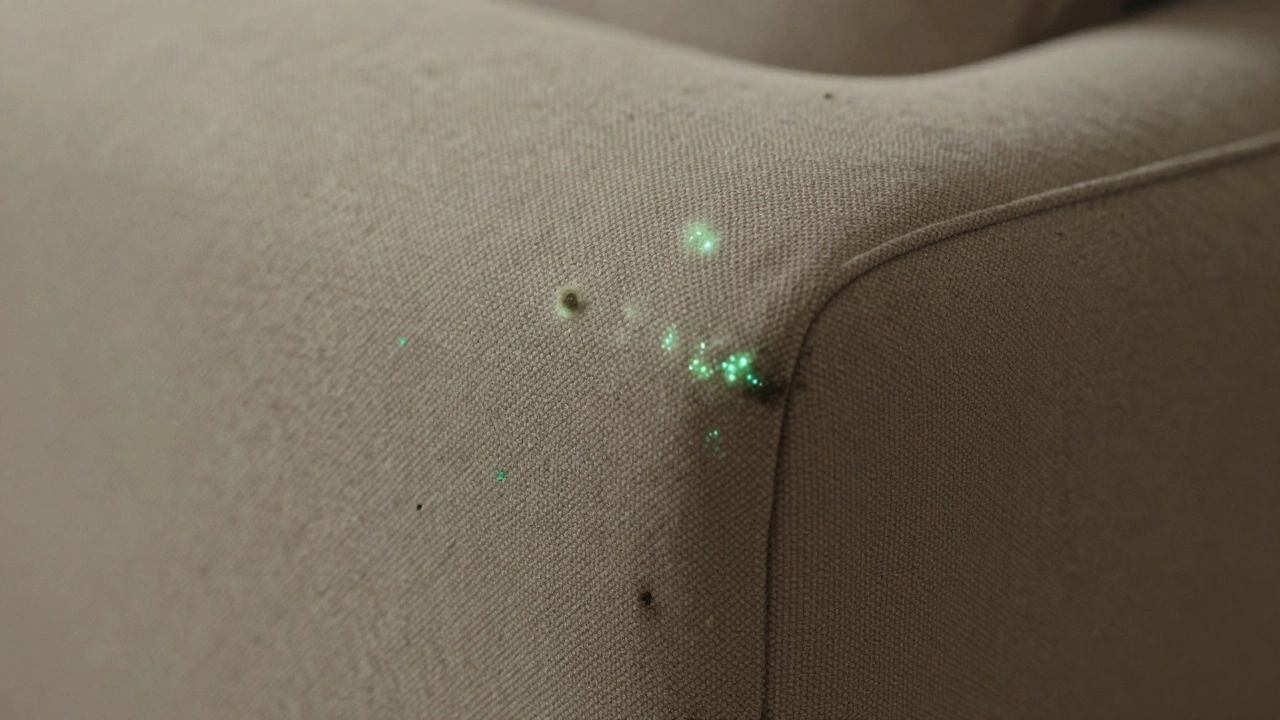
That stain on the armrest isn’t just ugly; it’s a magnet for dust mites and bacteria. You’ve probably vacuumed your sofa recently, but does that actually remove the grime embedded deep in the fibers? For many homeowners in Bristol and beyond, the decision to hire a professional for couch cleaning comes down to a simple cost-benefit analysis. Is the £150-£250 price tag justified, or can you handle it with a bottle of vinegar and a bit of elbow grease?
The short answer is yes, it is worth it-but only if you understand what professional cleaning actually achieves versus what home methods miss. A professional deep clean doesn’t just make your sofa look fresh for guests; it extends the lifespan of expensive furniture, removes hidden allergens, and prevents permanent damage from acid buildup.
The Hidden Cost of Neglect: Why Vacuuming Isn't Enough
We tend to think of our sofas as dry surfaces. They aren’t. Over time, a couch absorbs sweat, skin cells, food crumbs, and pet dander. This mixture creates a breeding ground for dust mites, which thrive in warm, humid environments like cushion foam. Standard vacuuming removes surface debris, but it cannot extract the microscopic particles lodged deep within the weave.
If you suffer from allergies or asthma, this distinction matters. Studies show that regular professional upholstery cleaning can reduce indoor allergen loads by up to 60%. For families with young children who crawl on the floor or pets that shed constantly, the health benefits alone often justify the expense. Ignoring this layer of dirt leads to faster fabric degradation. The acids in human sweat break down synthetic fibers over time, causing colors to fade and textures to become brittle. By removing these residues, you are essentially preserving the structural integrity of your investment piece.
DIY vs. Professional: What Actually Works?
Before calling a pro, most people try DIY solutions. Online tutorials suggest mixing baking soda, white vinegar, and dish soap. While these mixtures can lift fresh spills, they often fail against set-in stains or deep-seated grime. More importantly, they carry significant risks.
- Moisture Damage: Home steam cleaners often lack precise temperature controls. Too much heat can shrink wool blends or melt synthetic backings. Too much water can seep into the foam core, leading to mold growth within 24 hours.
- Residue Buildup: Household detergents leave behind sticky residues that attract more dirt quickly. This is why your sofa looks dirty again two weeks after a DIY wash.
- Color Bleeding: Without knowing the specific dye stability of your fabric, aggressive scrubbing can cause colors to run, ruining the aesthetic permanently.
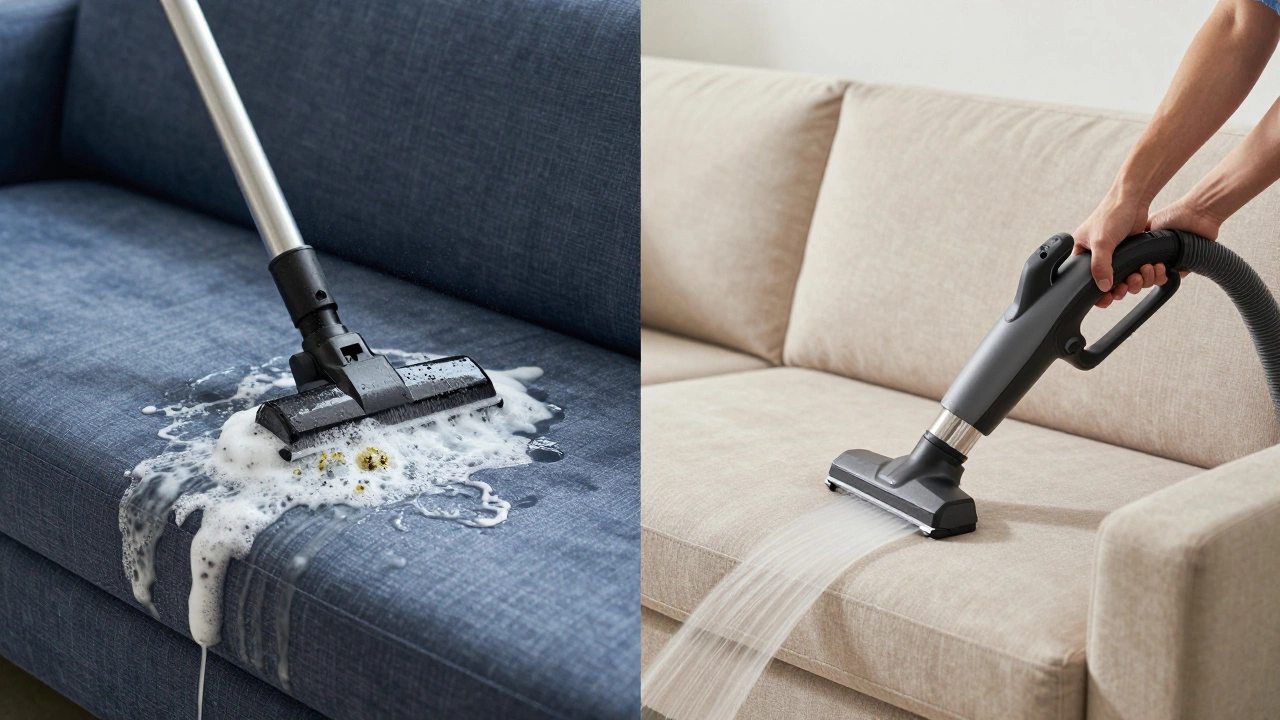
Professional cleaners use truck-mounted or high-powered portable extraction machines. These devices inject a minimal amount of specialized solution and immediately extract it along with the dissolved dirt. This process, known as hot water extraction, cleans without oversaturating the fabric. They also identify the fabric code (W, S, WS, or X) to ensure they use the correct chemical agents, preventing accidental damage.
When Should You Definitely Hire a Pro?
Not every spot requires a specialist. If you have a fresh coffee spill, blotting it immediately with a clean cloth is usually sufficient. However, there are clear scenarios where professional intervention is non-negotiable.
| Situation | Recommended Action | Risk of DIY |
|---|---|---|
| Fresh liquid spill | Blot and spot clean | Low |
| Pet accidents/urine | Professional enzymatic clean | High (odor retention) |
| Red wine/blood stains | Professional treatment | Medium (setting the stain) |
| General maintenance | Professional deep clean annually | Low |
| Delicate fabrics (Silk/Wool) | Professional only | Very High (shrinkage/fading) |
Pet owners face unique challenges. Urine contains uric acid crystals that bond to fibers. Regular soaps mask the smell temporarily but do not break down the crystals. When humidity rises, the odor returns. Professionals use enzymatic cleaners that digest the organic matter completely. Similarly, for valuable antique furniture or designer pieces made from delicate materials like silk or velvet, the risk of ruining the item with harsh chemicals outweighs the savings of doing it yourself.
Understanding Fabric Codes: The Key to Safe Cleaning
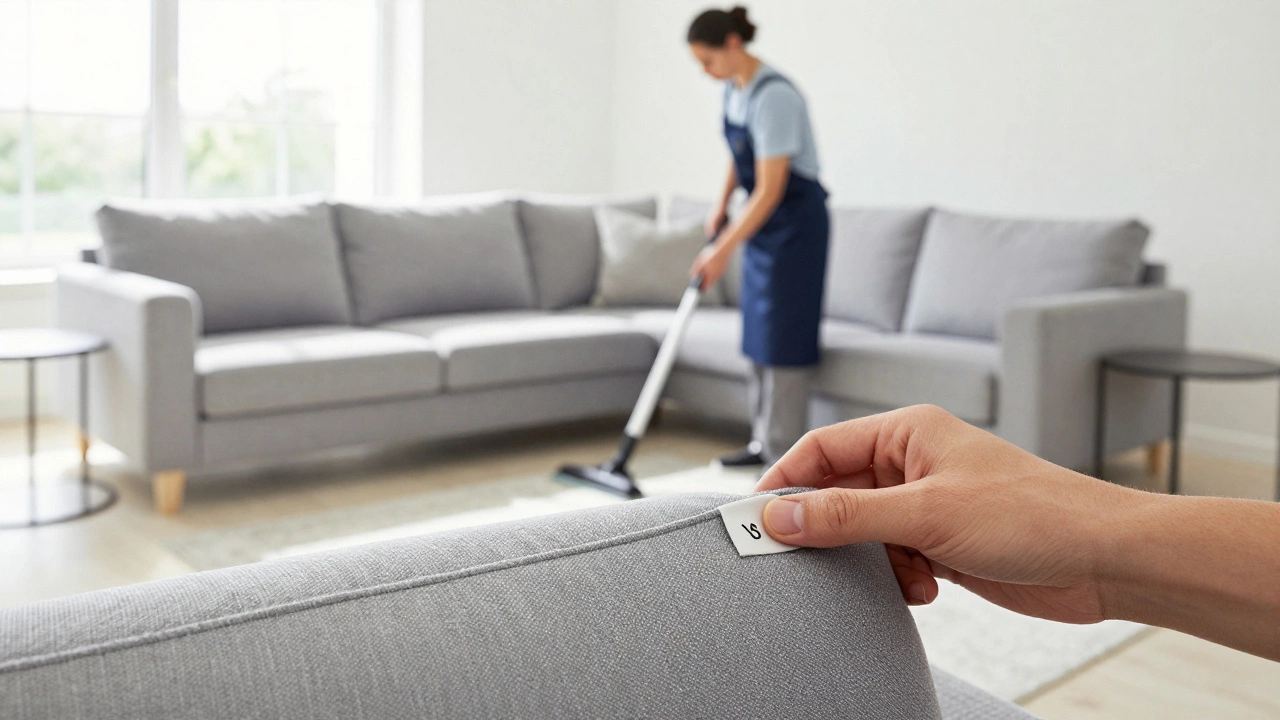
One of the biggest reasons DIY attempts fail is ignorance of fabric codes. Most modern sofas come with a label inside the seat cushions indicating how they should be cleaned. Knowing these codes helps you decide whether to call a pro or attempt a gentle wipe-down.
- W (Water-based): Can be cleaned with water-based solutions. Still risky for DIY due to saturation issues, but safer than other types.
- S (Solvent-based): Requires dry cleaning solvents. Water will cause shrinking or staining. Never use water on these fabrics.
- WS (Water or Solvent): Flexible options, but still requires expertise to balance moisture levels.
- X (Vacuum Only): Do not use any liquids. These fabrics are too delicate. Professional dry-cleaning techniques are required if deep cleaning is needed.
If your sofa has an 'S' or 'X' code, hiring a professional is not just recommended; it’s essential. Using water on solvent-only fabrics can lead to irreversible shrinkage or color loss. Professionals carry the specific solvents needed for these materials, ensuring a safe clean.
The Financial Breakdown: Is It Worth the Investment?
In the UK market, particularly in areas like Bristol, prices for professional sofa cleaning typically range from £40 to £80 per seat. A standard three-seater sofa might cost between £120 and £240 depending on the level of soiling and fabric type. Compared to replacing a high-quality sofa, which can cost upwards of £1,000, this is a fraction of the replacement cost.
Consider the lifecycle of your furniture. A well-maintained sofa lasts significantly longer than one subjected to abrasive dirt and acidic sweat buildup. Think of professional cleaning as preventive maintenance, similar to servicing a car. The initial outlay preserves the asset’s value and appearance. Additionally, many landlords require professional upholstery cleaning at the end of a tenancy to secure deposit returns. In such cases, the service is mandatory, making the question of 'worth' irrelevant-it becomes a necessity.
How to Prepare Your Sofa for Professional Cleaning
To get the best results and potentially lower costs, preparation is key. Start by vacuuming the entire surface thoroughly. Remove loose crumbs, hair, and debris. This allows the cleaner to focus on deep extraction rather than spending time on surface dirt. Check all pockets and crevices for lost coins, keys, or receipts, as these can damage machinery or cause stains during the wet cleaning process.
Inform the cleaner about any existing stains before they start. Point out red wine spots, pet accidents, or ink marks. Different stains require different pre-treatments. If you wait until the machine is running, the technician may not have time to apply the correct enzyme or solvent, reducing the effectiveness of the clean. Also, move any small side tables or decor away from the sofa to give the cleaner ample working space.
Frequency: How Often Should You Deep Clean?
There is no one-size-fits-all schedule, but general guidelines exist based on usage. For a household with no pets and low traffic, an annual deep clean is sufficient. If you have pets, smoke indoors, or have young children, aim for every six months. High-traffic areas or households with allergy sufferers may benefit from quarterly maintenance cleans.
Regular maintenance slows the accumulation of grit that acts like sandpaper on fibers. By keeping the surface cleaner between deep cleans, you reduce the intensity of work required each time, which can extend the life of the fabric. Don’t wait until the sofa looks visibly grimy. By then, the damage to the fibers may already be done.
Can I use a steam cleaner on my couch?
It depends on the fabric. Steam cleaning uses high heat and moisture, which can shrink wool or damage certain synthetic blends. Always check the fabric code first. If it says 'W', steam cleaning might be okay, but professional equipment is safer because it extracts water immediately, preventing mold growth in the foam.
How long does it take for a couch to dry after professional cleaning?
Typically, a professionally cleaned sofa takes 4 to 8 hours to dry completely. Factors like humidity, airflow, and fabric thickness affect this. Professionals often open windows or use fans to speed up the process. Avoid sitting on the sofa until it is fully dry to prevent new stains from forming.
Does professional cleaning remove pet odors?
Yes, if the right products are used. Standard detergents mask odors, but enzymatic cleaners break down the urine crystals that cause smells. Ensure your cleaner specifies they use enzymatic treatments for pet accidents. Otherwise, the odor may return when the room gets humid.
Is it cheaper to clean or replace a stained sofa?
Cleaning is almost always cheaper. Even a basic professional clean costs less than 20% of a new mid-range sofa. Unless the frame is broken or the foam is completely degraded, cleaning restores appearance and hygiene at a fraction of the replacement cost.
What happens if I don't clean my sofa regularly?
Dirt and body oils accumulate, breaking down fibers and causing fading. Dust mites thrive in uncleaned upholstery, worsening allergies. Over time, the fabric becomes brittle and prone to tearing. Regular cleaning preserves the material's elasticity and color vibrancy.