Carpet Deep Cleaning Planner
Every 6 Months
Dry Cleaning
- Vacuum First: Always vacuum thoroughly before applying any liquid.
Fill out the form to get a personalized cleaning strategy, including stain solutions and drying tips.
You look down at your living room rug and realize it hasn’t seen a proper scrub in years. Maybe there’s a faint coffee ring from last Tuesday, or perhaps the high-traffic path to the kitchen looks greyer than the rest of the pile. You’re not alone. Most people vacuum weekly but skip the heavy lifting because they think it requires expensive machinery or professional help. It doesn’t. With the right technique and a few household items, you can restore your carpet to a fresh, clean state without breaking the bank.
Deep cleaning isn’t just about aesthetics; it’s about health. Carpets act as filters, trapping dust mites, pollen, pet dander, and bacteria deep within the fibres. When left unchecked, these allergens recirculate into your air every time someone walks across the floor. This guide will walk you through exactly how to tackle this task yourself, ensuring you get the best results while avoiding common mistakes that leave carpets damp or damaged.
Gather Your Tools and Supplies
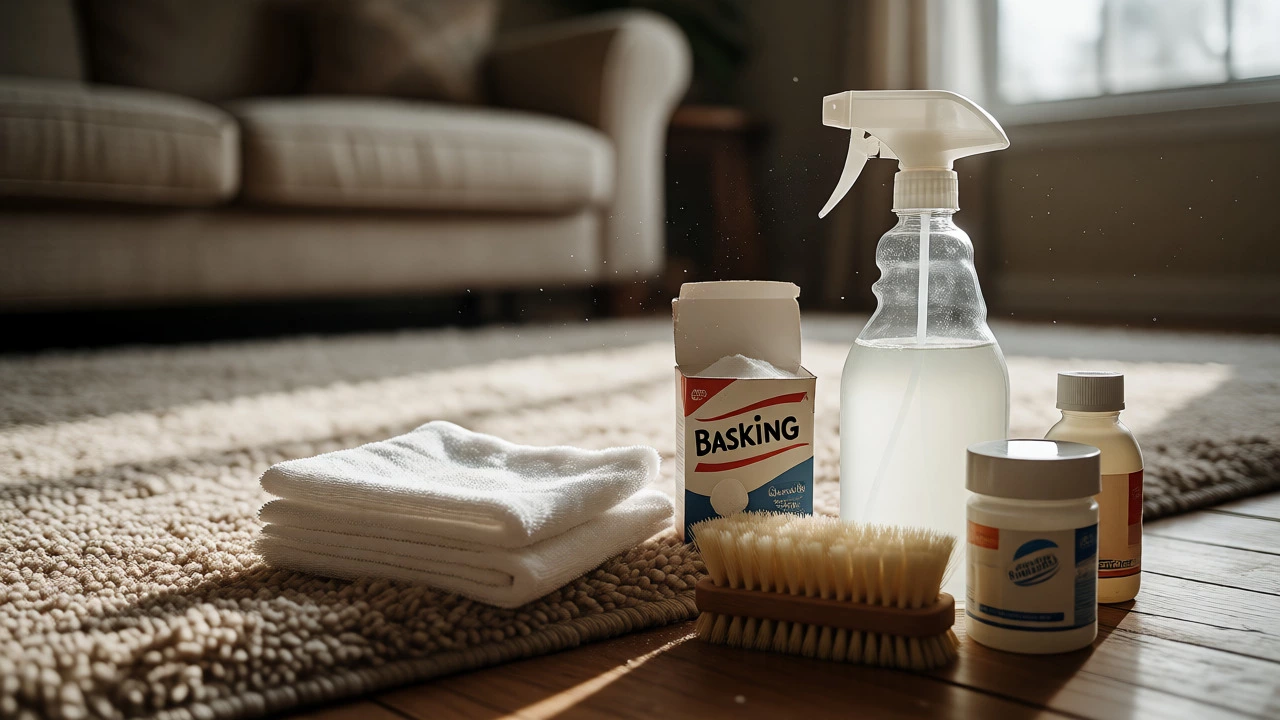
Before you start moving furniture, make sure you have everything ready. Running back and forth to the kitchen ruins momentum and can lead to rushed steps. You don’t need industrial-grade equipment, but you do need more than just a bucket and sponge.
- A powerful vacuum cleaner: Ideally one with a HEPA filter to capture fine particles.
- White microfiber cloths: Avoid colored towels that might bleed dye onto light carpets.
- A stiff-bristled brush: For working solutions into the fibres without shredding them.
- Enzymatic cleaner: Essential for organic stains like urine, vomit, or food spills.
- Distilled white vinegar and baking soda: The classic duo for neutralizing odors and lifting grime.
- A spray bottle: For controlled application of cleaning solutions.
If you own a rental carpet cleaner, now is the time to pick it up from the hardware store. However, many people find that manual methods yield better control over moisture levels, which is critical for preventing mold.
The Critical First Step: Vacuum Thoroughly
This step sounds obvious, but most people fail here. If you apply liquid to a carpet full of dry dirt, you turn that dirt into mud. That mud then sinks deeper into the backing, making it harder to remove and potentially causing permanent staining.
Vacuum slowly. Not quickly back and forth, but slow, overlapping strokes. Go over the same area multiple times from different directions-north-south, then east-west. Pay special attention to edges and corners where dust bunnies love to hide. Under sofas? Move them if you can. If not, use the crevice tool. You want to remove as much surface debris as possible before introducing any water or solution.
Treat Stains Before Washing
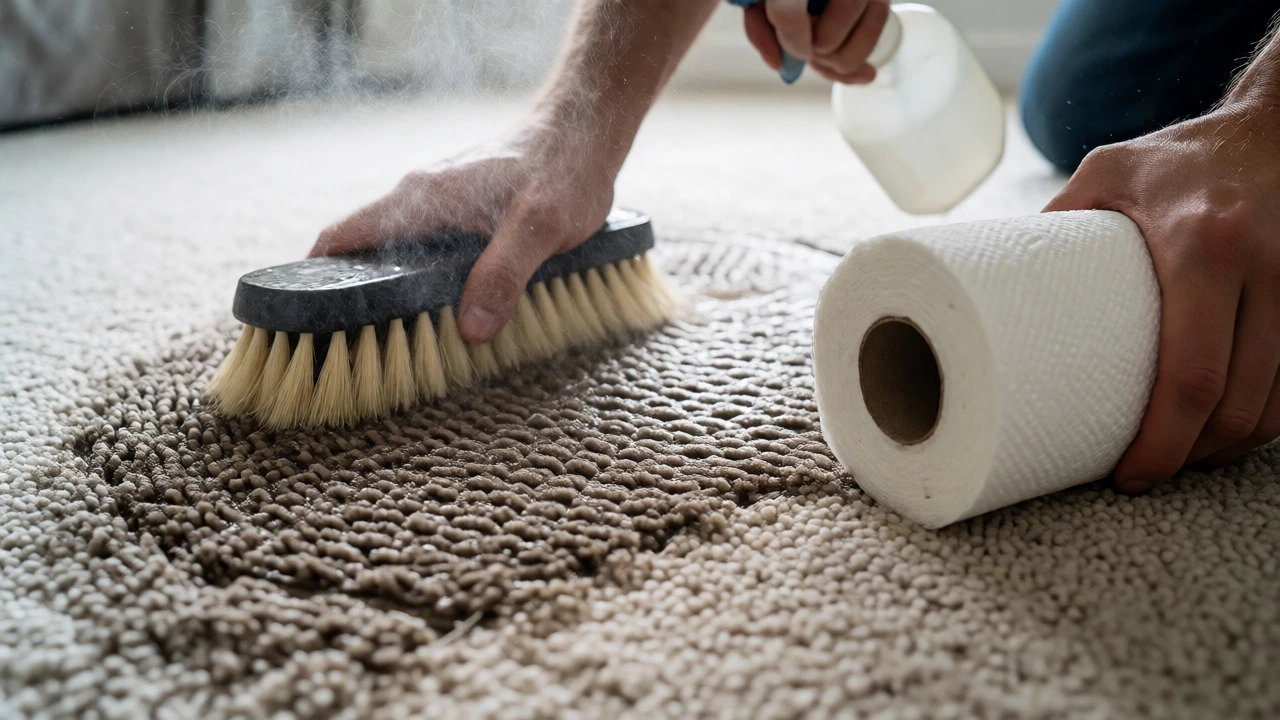
Don’t try to wash out a stain by soaking the whole carpet. Treat specific spots first. Blotting is key. Never rub. Rubbing spreads the stain and damages the carpet fibres, leading to fuzziness.
| Stain Type | Recommended Solution | Action |
|---|---|---|
| Coffee / Tea | Mixture of dish soap and warm water | Blot gently, rinse with damp cloth |
| Red Wine | Salt immediately, then club soda | Absorb liquid, blot until clear |
| Pet Urine | Enzymatic cleaner | Saturate spot, let sit 10 mins, blot |
| Grease / Oil | Baking soda paste | Let dry completely, then vacuum |
| Blood | Cold saltwater | Never use hot water (sets protein) |
For older, set-in stains, patience is required. Apply your chosen solution, let it dwell for five to ten minutes, and then blot with a clean, dry white cloth. Repeat if necessary. Do not oversaturate the area. The goal is to lift the stain to the surface so you can absorb it, not to push it further down.
Choose Your Deep Cleaning Method
Once stains are treated, it’s time to clean the entire surface. There are two main DIY approaches: dry cleaning and wet extraction. Which one you choose depends on your carpet type and how dirty it really is.
Dry Cleaning Method
This method is ideal for delicate rugs, wool carpets, or situations where you can’t afford long drying times. It involves using a dry compound or foam that absorbs dirt.
- Sprinkle a thin layer of dry carpet cleaning powder or sprinkle baking soda generously over the carpet.
- Work it into the fibres with your stiff brush. Let it sit for at least 30 minutes, or overnight for strong odors.
- Vacuum thoroughly. You may need to go over the area twice to ensure all powder is removed.
The advantage here is speed. Your carpet is usable almost immediately. The downside? It might not remove deeply embedded grime as effectively as wet methods.
Wet Extraction (Shampooing) Method
This is the traditional "scrub" method. It uses water and detergent to lift dirt. It’s more labor-intensive but often yields a brighter result for synthetic carpets like nylon or polyester.
- Mix your cleaning solution. A simple recipe is one teaspoon of clear dish soap per gallon of warm water. Add a cup of white vinegar to help cut grease and deodorize.
- Apply the solution lightly with a spray bottle. Do not pour water directly onto the carpet.
- Agitate the fibres with your brush in circular motions. Focus on high-traffic areas.
- Rinse. This is the step everyone skips. Wipe the area with a cloth dipped in plain water to remove soap residue. Soap attracts dirt, so leaving it behind means your carpet gets dirty faster.
- Absorb excess moisture. Press dry towels firmly into the carpet. Walk over them in stocking feet if needed to press down hard.
Managing Moisture and Drying Time
The biggest risk in DIY carpet cleaning is over-wetting. If the backing stays damp for more than 24 hours, mold and mildew can develop. You’ll know it when you smell it-a musty, sour odor that lingers even after the carpet feels dry on top.
To speed up drying:
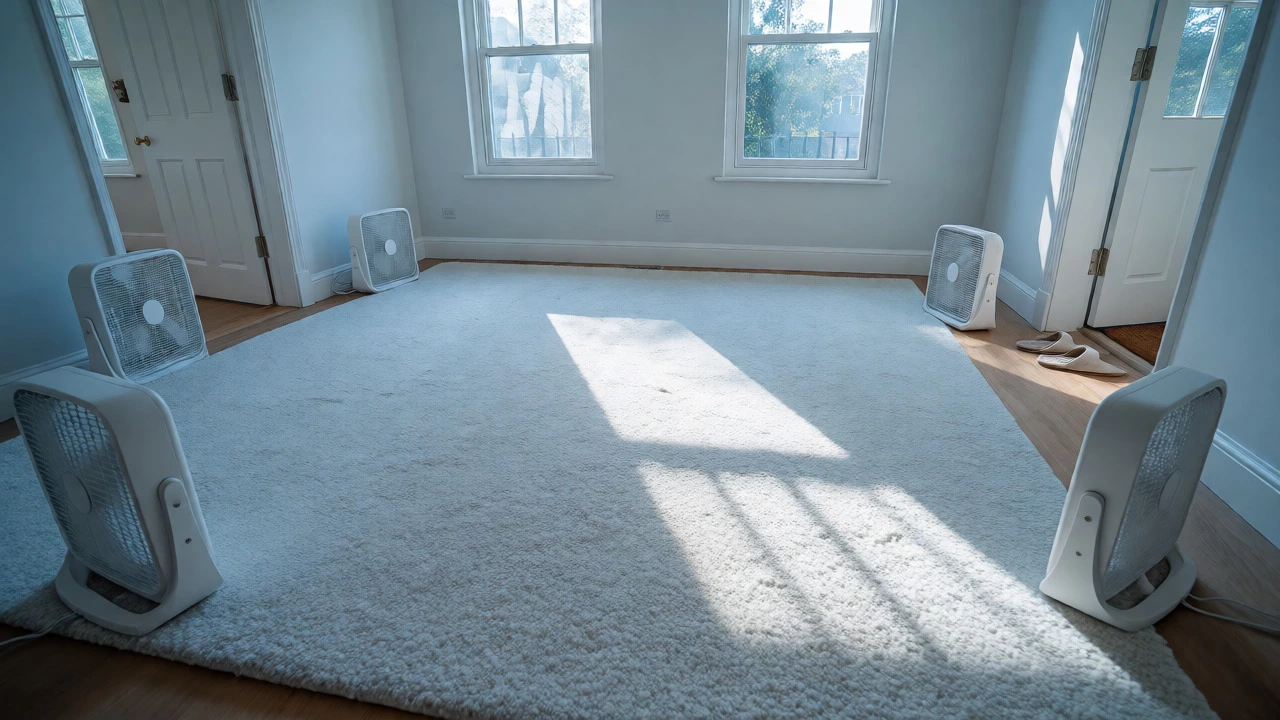
- Open windows to create cross-ventilation, especially if the weather is cool and breezy.
- Run fans aimed at the carpet. Ceiling fans help, but box fans placed low near the floor are more effective.
- Turn on your HVAC system. Air conditioning helps pull moisture from the air.
- Avoid walking on the carpet until it is completely dry. Footprints can mat down wet fibres permanently.
In Bristol, where humidity can be stubborn, expect drying times of 6-12 hours depending on airflow. In winter, with heating on, it might take longer. Be patient.
Freshening Up Odors
Sometimes the carpet isn’t visibly dirty but smells stale. Pets, cooking fumes, and trapped moisture contribute to this. Baking soda is your best friend here.
Sprinkle a generous amount of baking soda over the entire carpet. Mix in a few drops of essential oil like lavender or eucalyptus if you want a pleasant scent. Let it sit for at least an hour, preferably overnight. Then vacuum it up. The baking soda absorbs acidic odors rather than masking them. If the smell persists, consider an enzymatic deodorizer spray designed specifically for carpets.
Preventing Future Buildup
Deep cleaning is tough work. You don’t want to do it every month. Here’s how to keep your carpet cleaner for longer:
- No shoes policy: Outdoor shoes track in grit that acts like sandpaper on carpet fibres.
- Use doormats: Place high-quality mats at every entrance to trap dirt before it reaches the carpet.
- Vacuum smart: High-traffic areas need vacuuming twice a week. Low-traffic areas once a week is sufficient.
- Rotate furniture: Every six months, move chairs and tables slightly. This prevents permanent traffic lanes and evens out wear.
By maintaining a regular routine, you extend the time between deep cleans from six months to a year or more. Save your energy for the big jobs.
Can I use a steam cleaner on any carpet?
Not necessarily. Steam cleaners inject hot water under pressure. While great for synthetics, they can damage natural fibres like wool or silk if used incorrectly. Always check the manufacturer's label first. For wool, use a specialized wool-safe detergent and avoid excessive heat or moisture.
Why does my carpet look worse after cleaning?
This is usually due to wicking or residue. If you didn't rinse properly, soap residue remains in the fibres. As the carpet dries, moisture pulls dirt from the backing up to the surface, creating dark spots. The fix is to re-clean the area with plain water to rinse out the soap, then blot dry aggressively.
How often should I deep clean my carpet?
For households with pets or allergies, aim for every 3 to 6 months. For single occupants with no pets, once a year is typically sufficient. High-traffic commercial spaces may need monthly attention.
Is vinegar safe for all carpets?
Vinegar is generally safe for synthetic carpets and many natural ones, but its acidity can affect certain dyes. Always test a small, hidden area first. Dilute it heavily (1 part vinegar to 3 parts water) to minimize risk. Never use undiluted vinegar on delicate fibres.
What if I ruin my carpet with too much water?
If you suspect over-wetting, increase airflow immediately. Use fans and dehumidifiers. Lift the carpet edges if possible to allow air circulation underneath. If a musty smell develops, it indicates mold growth. You may need to lift the carpet and treat the subfloor with a mold inhibitor, or call a professional restoration service if the damage is extensive.