Mattress Stain Remedy Checker
Select the type of stain on your mattress to see if white vinegar is the right solution and what additives will help.
Effectiveness:
N/A
Recommended Additive:
-
You wake up, peel back the sheets, and see it: a yellowish ring or a dark blotch on your mattress. Your heart sinks. You’ve heard that white vinegar is the holy grail of household cleaning, but can it actually save your sleep surface without turning it into a soggy mess? The short answer is yes, but with major caveats. It’s not a magic eraser for every type of stain, and using it wrong can leave you with a wet bed and a lingering smell that makes your bedroom feel like a pickle jar.
This isn’t about dumping a bottle of vinegar over your pillow-top. It’s about understanding what white vinegar does chemically and where it fails. If you’re dealing with fresh urine, sweat, or minor food spills, vinegar is a powerful, cheap tool. For old blood or deep-set mold? You might need a different approach. Let’s break down exactly how to use it, when to skip it, and how to ensure your mattress dries out properly so you don’t trade one problem for another.
Why White Vinegar Works (And When It Doesn’t)
White vinegar is essentially a dilute solution of acetic acid, typically around 5% concentration. This acidity is its superpower. It breaks down alkaline substances, neutralizes odors by killing bacteria, and helps lift certain types of pigments from fabric fibers. Because it’s water-soluble, it doesn’t leave behind sticky residues like soap-based cleaners often do.
However, vinegar is not a universal solvent. It struggles with protein-based stains if they’ve been heat-set (like blood dried with hot water) and has limited power against heavy grease or oil. It also won’t bleach colors back to their original state if the dye itself has degraded. Think of vinegar as a disinfectant and deodorizer first, and a stain remover second. Its primary job in mattress care is to neutralize the ammonia in urine and kill the bacteria causing the smell, which often reduces the visual appearance of the stain as a side effect.
| Stain Type | Vinegar Effectiveness | Recommended Additive |
|---|---|---|
| Urine (Fresh) | High | Baking Soda |
| Sweat/Yellowing | Moderate | Lemon Juice or Hydrogen Peroxide |
| Coffee/Wine | Low-Moderate | Dish Soap |
| Blood (Fresh) | Low | Cold Water & Salt |
| Blood (Dried) | Very Low | Enzyme Cleaner |
The Basic Recipe for Spot Treatment
You don’t need a complex chemical cocktail. In fact, keeping it simple prevents over-wetting the mattress, which is the enemy number one in mattress cleaning. The goal is to apply just enough liquid to treat the spot without soaking the foam or springs underneath.
Mix equal parts distilled white vinegar and cold water in a spray bottle. Why distilled? It lacks the impurities found in apple cider or wine vinegars that could potentially discolor light fabrics. Cold water is crucial because heat sets proteins. Shake it gently. You aren’t trying to create bubbles; you just want the solution mixed.
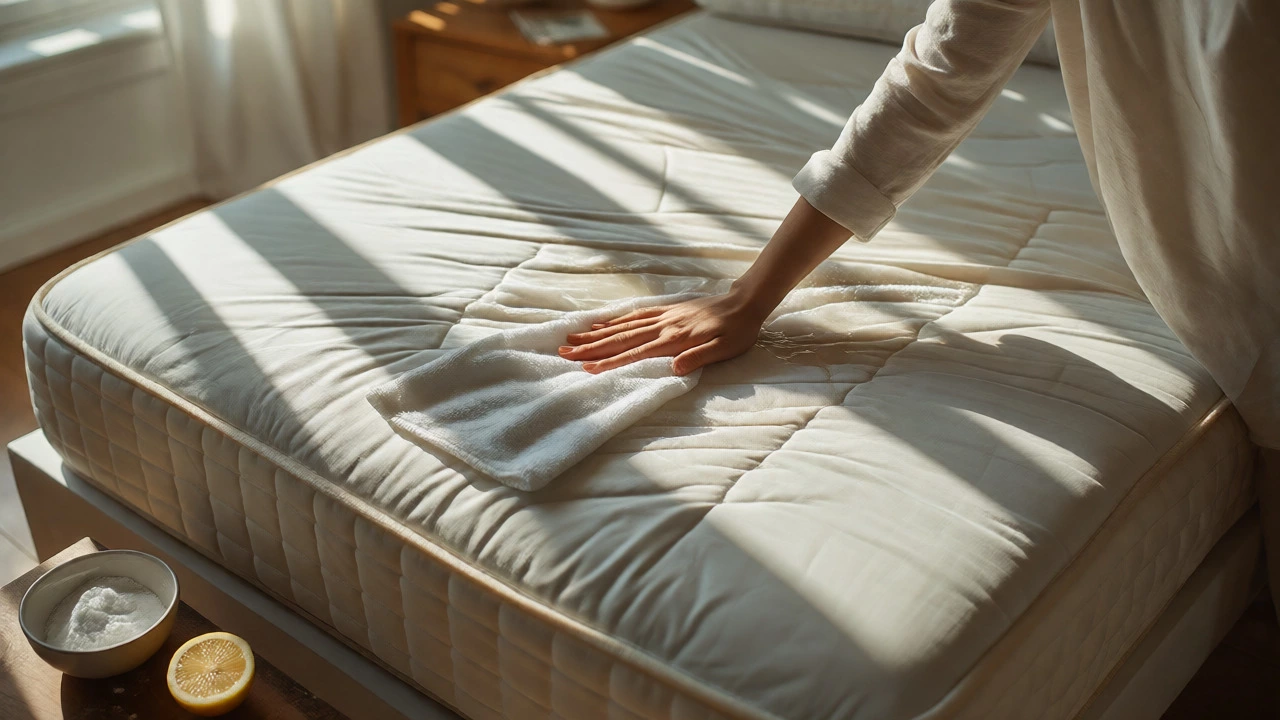
- Step 1: Blot, don’t rub. Use a clean, dry microfiber cloth to absorb any excess moisture from the stain. Rubbing pushes the stain deeper into the foam cells.
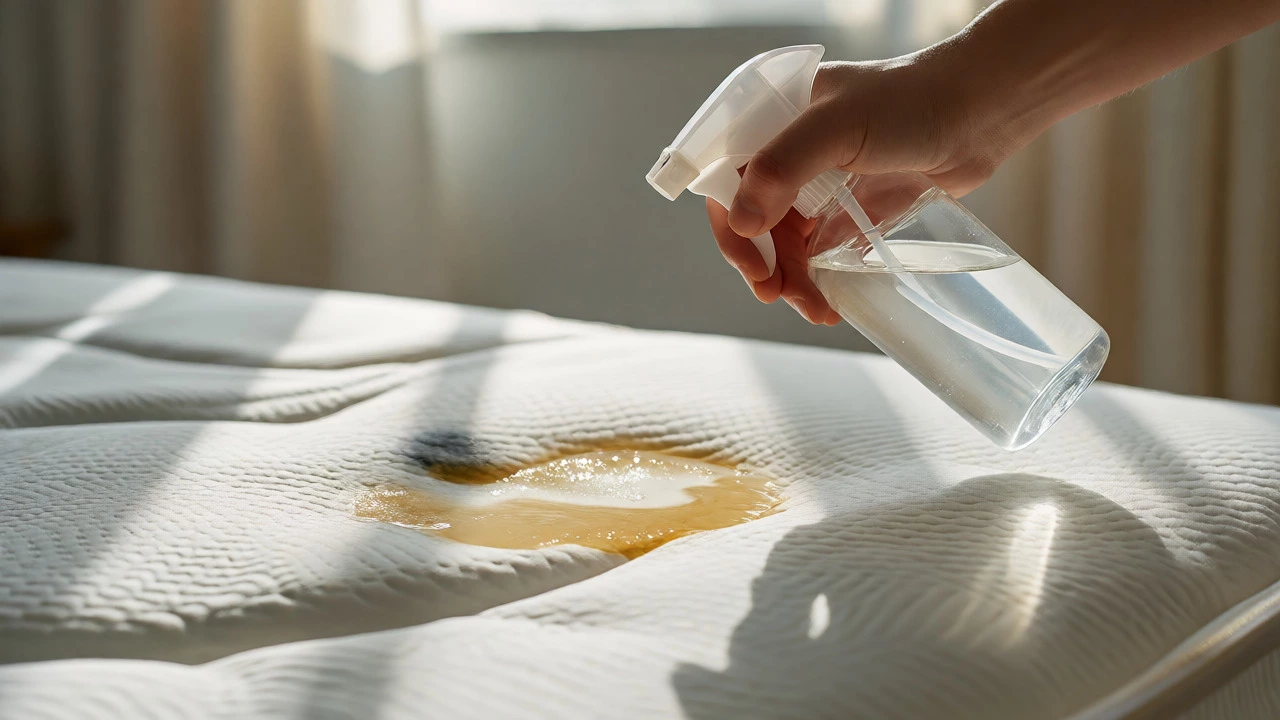
- Step 2: Lightly mist the stained area. Hold the spray bottle about six inches away. You want a fine mist, not a stream. The fabric should be damp, not dripping.
- Step 3: Let it sit for 10-15 minutes. This gives the acetic acid time to penetrate the fibers and start breaking down the residue.
- Step 4: Blot again with a fresh, dry cloth. Press firmly to draw the lifted dirt and vinegar mixture out of the mattress.
Supercharging the Solution for Tougher Spills
If plain vinegar and water aren’t cutting it, you can tweak the formula based on what spilled. For greasy foods or makeup, add a drop or two of clear dish soap to the spray bottle. The surfactants in the soap help emulsify oils that vinegar alone can’t touch. Be careful here-too much soap creates suds that are hard to rinse out, leading to sticky residue that attracts more dirt later.
For yellow sweat stains, which are often caused by body oils and dead skin cells, try adding a teaspoon of lemon juice. The citric acid works synergistically with the acetic acid to brighten the fabric. However, test this on a hidden corner first. Lemon juice combined with sunlight can act as a natural bleach, which might lighten the surrounding fabric if you aren’t careful.
What about baking soda? Many guides suggest sprinkling it immediately after spraying. Here’s the trick: wait until the vinegar solution has mostly evaporated or blotted away before applying baking soda. If you mix them while wet, they fizz vigorously. While this reaction looks impressive, it mostly produces carbon dioxide gas and sodium acetate. The fizzing action can help mechanically lift debris, but it’s not strictly necessary for cleaning. Applying baking soda to a damp spot allows it to absorb remaining moisture and odors as it dries.
The Drying Phase: Where Most People Fail
You’ve sprayed, blotted, and scrubbed. Now comes the most critical part. Mattresses are thick, dense structures. If moisture gets trapped inside, mold and mildew will grow within days. You cannot air-dry a mattress effectively in a humid room without help.
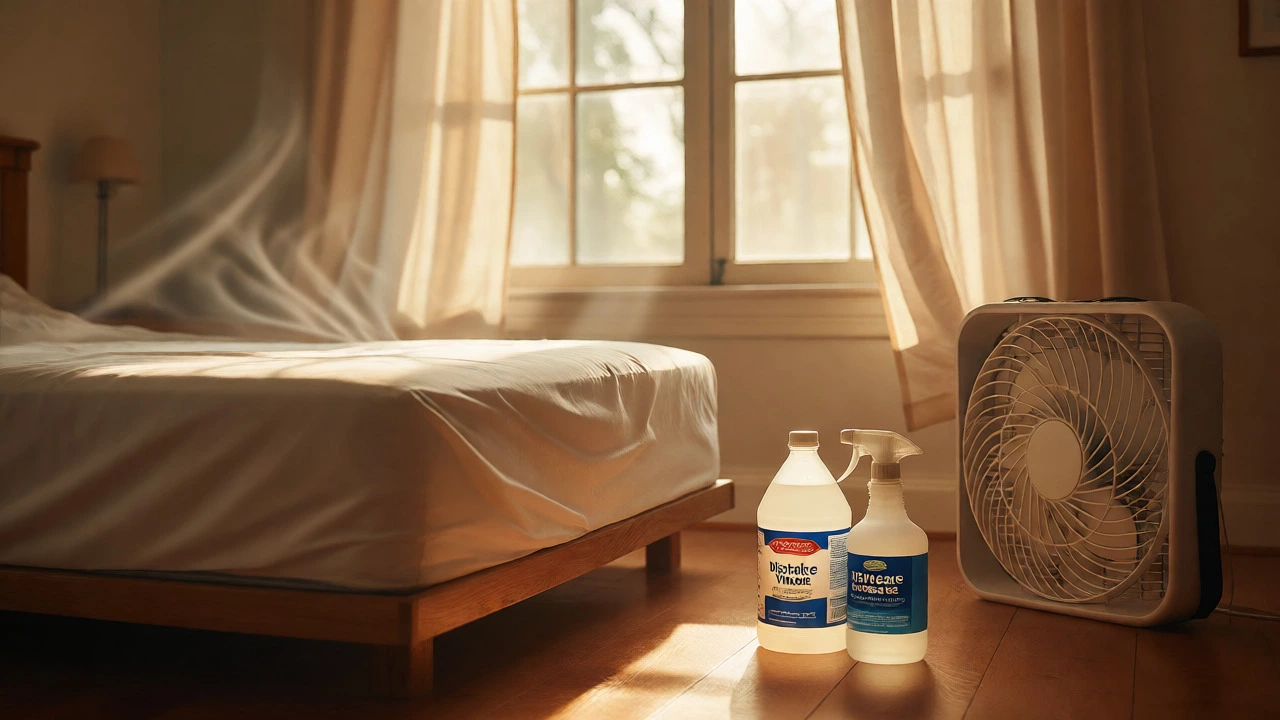
Once you’ve blotted up as much liquid as possible, place the mattress in direct sunlight if feasible. UV rays naturally disinfect and help evaporate moisture faster. If you can’t move the mattress outside, open windows and run a fan directly across the surface. A box fan on high speed can cut drying time significantly. Check the mattress after four hours. If it feels cool to the touch, it’s still wet. Keep the airflow going until it feels completely ambient temperature and dry.
A common mistake is putting sheets back on too soon. Even if the top layer feels dry, the interior foam might hold moisture. Wait at least 24 hours before remaking the bed. If you must sleep on it that night, put a waterproof protector over the treated area to catch any residual dampness.
When to Skip Vinegar Entirely
Vinegar is great, but it’s not invincible. There are specific scenarios where reaching for the bottle will waste your time or make things worse.
First, avoid using vinegar on memory foam mattresses that have open-cell structures prone to absorbing huge amounts of liquid. These materials take forever to dry. For these, consider a dry-cleaning method or a specialized enzyme cleaner applied with minimal moisture.
Second, if the stain is from pet vomit containing bile or enzymes, vinegar might not fully break down the organic matter. Enzymatic cleaners designed for pet stains work by digesting the proteins, whereas vinegar only masks the smell temporarily. If the odor returns after the vinegar dries, switch to an enzyme product.
Finally, never use undiluted vinegar on delicate silk or wool mattress covers. The acid can weaken natural fibers over time. Stick to the 1:1 dilution or consult the manufacturer’s care label.
Preventing Future Stains
Cleaning is reactive; prevention is proactive. Once you’ve saved your mattress from a vinegar experiment, protect it. A high-quality, breathable mattress protector is the single best investment for longevity. Look for ones made with TPU (thermoplastic polyurethane) rather than plastic vinyl, which traps heat and sweat.
Rotate your mattress every three to six months. This ensures even wear and prevents body impressions from becoming permanent dips where sweat and dust accumulate. Vacuum the surface monthly with an upholstery attachment to remove dead skin cells-the food source for dust mites. By keeping the surface clean, you reduce the frequency of deep-clean sessions that risk damaging the structure with excessive water.
Will white vinegar damage my mattress?
No, white vinegar is generally safe for most standard mattress fabrics and foams when diluted. However, excessive moisture is the real danger. Always use a light mist and ensure thorough drying to prevent mold growth. Avoid using it on untreated silk or wool covers without testing first.
How long does the vinegar smell last?
The sharp scent of vinegar dissipates quickly as it dries, usually within a few hours. If the smell persists, it likely means the mattress is still damp. Increase airflow with fans or sunlight. Sprinkling baking soda after the area is dry can help absorb any lingering odors.
Can I use apple cider vinegar instead of white vinegar?
It is not recommended. Apple cider vinegar contains sugars and pigments that can leave sticky residues or cause discoloration on light-colored fabrics. Distilled white vinegar is preferred because it is colorless and leaves no residue behind.
Does vinegar remove yellow sweat stains?
Vinegar can help lighten yellow stains caused by body oils and salts, especially when mixed with hydrogen peroxide or lemon juice. However, older, set-in stains may require repeated treatments or a specialized oxygen-based bleach cleaner for complete removal.
Should I rinse the mattress after using vinegar?
Rinsing adds unnecessary moisture, which increases drying time and mold risk. Instead, blot thoroughly with a clean, damp cloth (water only) to lift the vinegar and dirt mixture, then blot again with a dry cloth. This "spot rinsing" technique minimizes water usage.