
Spring vs. Deep Clean Decision Helper
Not sure if you need a quick refresh or a full reset? Answer these questions to get a tailored recommendation.
Assess Your Situation
Select your options and click "Get Recommendation" to see which cleaning type fits your needs.
Key Tasks Included:
You’re standing in your kitchen, staring at a stack of boxes from last year’s move, wondering if you should hire someone for a spring clean or book a proper deep clean. They sound similar, right? Both involve scrubbing, both promise a fresh start. But here’s the thing: they are not the same beast. One is about getting rid of winter grime; the other is about resetting your entire living space to factory settings. If you mix them up, you’ll either waste money on services you don’t need or end up with a house that looks clean but still feels heavy.
I’ve lived in Bristol long enough to see homes covered in pollen one week and damp mould the next. The difference between these two types of cleaning isn’t just semantics-it’s about scope, frequency, and what actually gets touched. Let’s break down exactly where the lines blur and where they harden, so you know which service (or weekend project) fits your current mess.
The Core Philosophy: Seasonal Refresh vs. Structural Reset
A spring clean is a seasonal maintenance routine focused on decluttering and refreshing visible areas after winter. Think of it as hitting the reset button on your daily life. It happens once a year, usually around March or April in the UK, when the days get longer and the sun starts poking through the clouds. The goal? To shake off the cobwebs-literally and figuratively. You open windows, let air circulate, and tackle the stuff you ignored during the cold months. It’s psychological as much as physical. You’re clearing out old magazines, sorting donations, and making sure the surfaces you touch every day aren’t sticky.
In contrast, a deep clean is an intensive cleaning process that targets hidden dirt, buildup, and neglected areas regardless of the season. This isn’t tied to the calendar. You might need one before moving into a new flat, after hosting a massive party, or if you have pets shedding like crazy. A deep clean digs into the nooks and crannies that regular weekly cleaning misses. We’re talking behind the fridge, inside the oven cavity, under the bed frames, and along the baseboards. While a spring clean refreshes the surface, a deep clean sanitizes the structure. It’s thorough, time-consuming, and often requires specialized tools or chemicals to break down grease and limescale that have hardened over months.
Scope of Work: What Actually Gets Touched?
This is where most people get confused. They think "clean" means everything. It doesn’t. The scope defines the job. Here’s how they differ in practice.
| Area/Task | Spring Clean Focus | Deep Clean Focus |
|---|---|---|
| Windows & Glass | Interior glass only; quick wipe-down. | Interior and exterior; tracks cleaned; screens washed. |
| Kitchen Appliances | Wipe fronts; remove expired food. | Pull out fridge/stove; clean coils, seals, and interior shelves. |
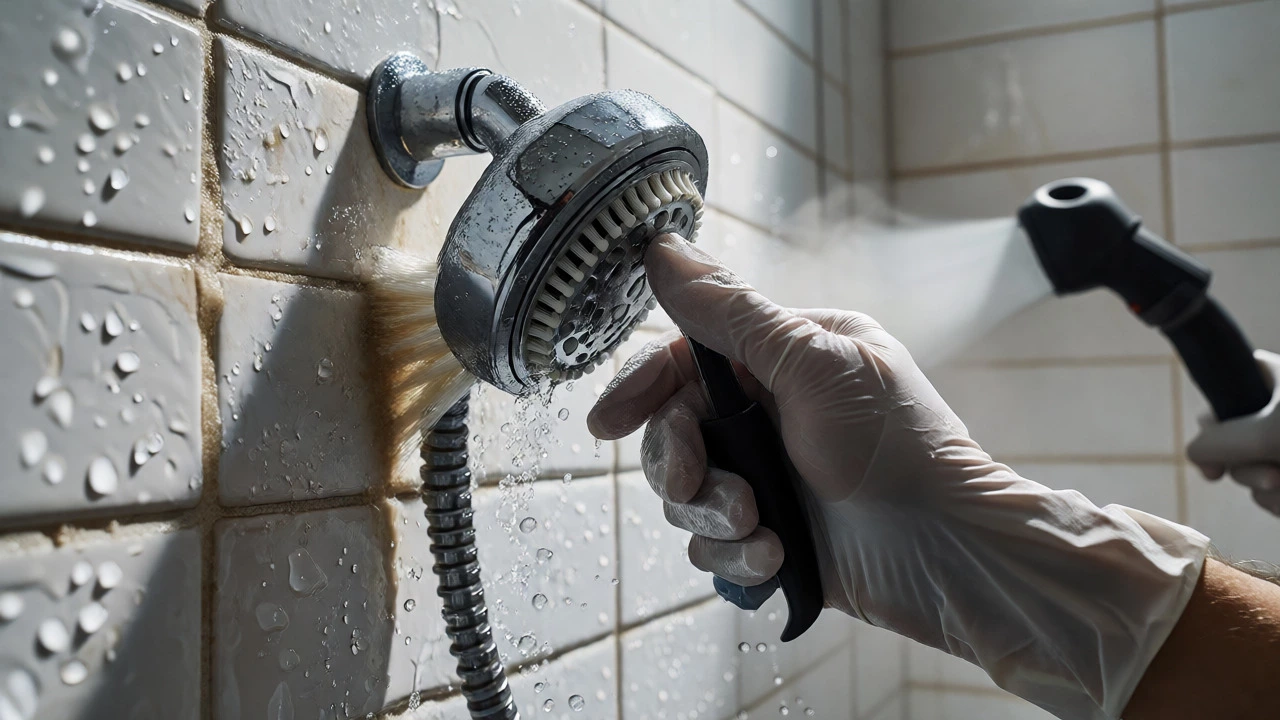
| Bathrooms | Scrub tiles and tubs; replace towels. | Descale showerheads; clean grout; sanitize drains; wash curtains. |
| Floors | Vacuum and mop visible areas. | Steam clean carpets; polish hard floors; vacuum under furniture. |
| Decluttering | High priority: sorting clothes, papers, junk. | Low priority: focus is on hygiene, not organization. |
| Light Fixtures | Dust accessible bulbs/shades. | Remove shades; wash bulbs; clean ceiling fans. |
Notice the pattern? The spring clean is about accessibility and visibility. You clean what you see and use. The deep clean is about intrusion. You move things. You take apart fixtures. You deal with the invisible enemies like dust mites in upholstery or mould spores in bathroom grout. If you ask a cleaner for a spring clean, they won’t pull your oven out unless you specifically ask. If you book a deep clean, assume they will.
Frequency and Timing: When Should You Do Which?
Timing matters because doing a deep clean every month is exhausting and expensive. Doing a spring clean every week is redundant. Here’s a realistic schedule based on typical household wear and tear.
- Weekly: Standard maintenance. Vacuuming, dishes, laundry, wiping counters. Keeps the baseline healthy.
- Monthly: Minor deep cleans. Wipe down baseboards, clean inside the microwave, wash bed linens thoroughly. Prevents buildup from becoming permanent.
- Quarterly: Targeted deep cleans. Maybe you deep clean the bathrooms in January and the kitchen in July. Good for busy households who can’t do it all at once.
- Annually (Spring): The classic spring clean. Combine this with decluttering. Open the windows. Check smoke alarms. Rotate mattresses. This aligns with the natural rhythm of the seasons.
- As Needed: Full deep cleans. Before guests arrive, after renovations, or if allergies flare up. There’s no set date for this. If your carpet looks grey instead of beige, it’s time.
In the UK, our damp winters mean mould and condensation issues peak in early spring. That’s why the traditional spring clean includes checking ventilation and wiping down window sills where water has pooled. A deep clean, however, might be triggered by an event. Did your kids track mud through the house all winter? Time for a deep clean of the entryway and hallway carpets, regardless of the season.
Cost and Effort: The Price of Thoroughness
Let’s talk money and sweat equity. If you’re hiring help, a deep clean costs significantly more than a spring clean. Why? Because it takes longer. A standard three-bedroom house might take 4-6 hours for a thorough spring clean if you’re doing it yourself. Hire a team? Maybe 3-4 hours for a lighter touch. A deep clean of the same property could easily take 8-12 hours, even for professionals. They’re scrubbing grout, descaling taps, and moving furniture.
If you’re DIY-ing, factor in the cost of supplies. Spring cleaning mostly uses what you already have: multi-surface sprays, cloths, maybe some window cleaner. Deep cleaning often requires specific products: descalers for limescale (common in Bristol’s hard water), degreasers for ovens, steam cleaners for carpets, or enzymatic cleaners for pet stains. You might also need to rent equipment. A carpet cleaner rental can cost £30-£50 a day. Is it worth it? Only if your carpets are genuinely dirty, not just dusty.
Here’s a rule of thumb: If you can see the dirt, it’s probably a spring clean task. If you have to smell it or feel grit under your fingernails to find it, it’s a deep clean task.
Health Implications: Allergies and Hygiene
This is the part people overlook. A spring clean improves mental clarity and reduces visual stress. But a deep clean directly impacts physical health. Dust mites, pet dander, and mould spores accumulate in places we rarely look: behind radiators, inside HVAC filters, under heavy drapes. For anyone with asthma or allergies, a superficial spring clean won’t cut it. You need to agitate those fibres and extract the allergens.
Consider your indoor air quality. During winter, we keep windows shut. Pollutants build up. A spring clean opens the house up, letting fresh air dilute those concentrations. But if the source of pollution is still there-like a grimy air vent or a dusty fan blade-the problem returns quickly. A deep clean removes the source. If you wake up sneezing every morning, don’t just tidy up. Deep clean your bedroom. Wash the duvet covers in hot water, vacuum the mattress, and wipe down the headboard.
Can You Combine Them?
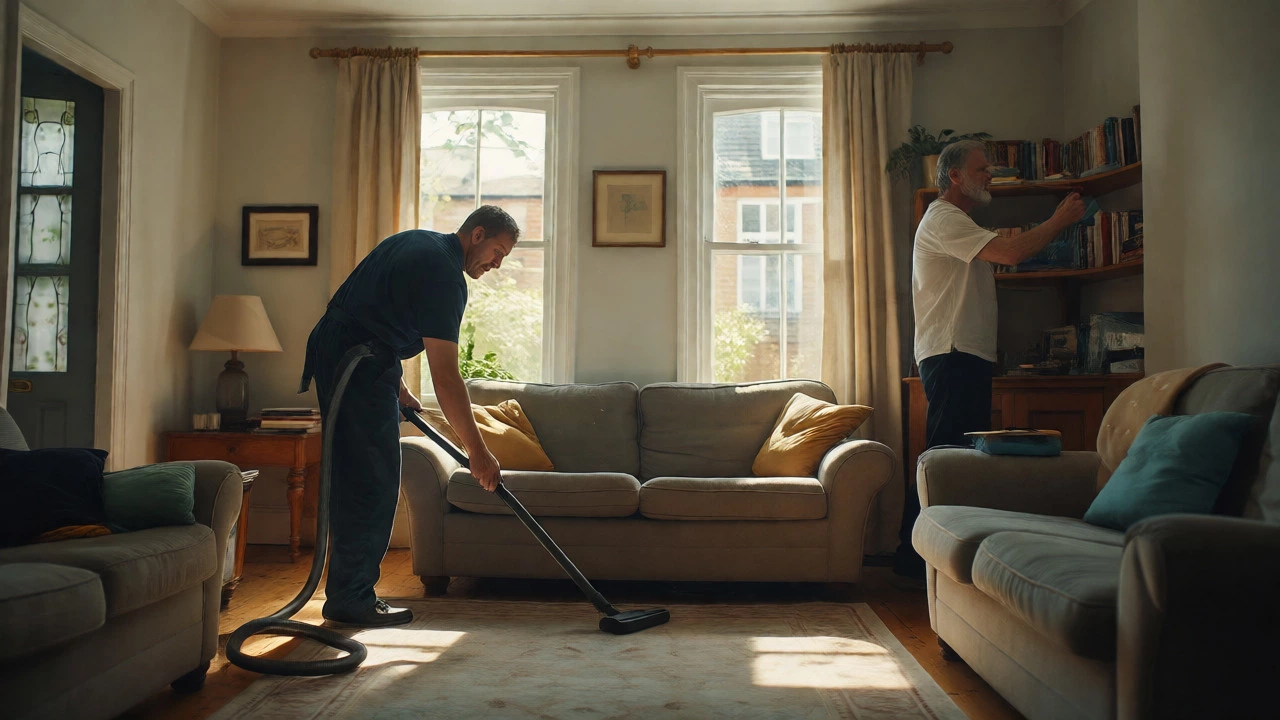
Absolutely, and many people do. In fact, combining them is the ultimate reset. Start with the decluttering phase of a spring clean. Get rid of the junk. Then, once the spaces are empty, perform a deep clean on those cleared areas. It’s far easier to scrub a floor when the furniture is moved and the clutter is gone. However, be careful not to burn out. Trying to do a full deep clean and a full spring clean in one weekend is a recipe for exhaustion.
Split it up. Saturday morning: Declutter and sort donations (Spring). Saturday afternoon: Kitchen appliances and countertops (Deep). Sunday morning: Bathrooms and floors (Deep). Sunday afternoon: Windows and final touches (Spring). This hybrid approach gives you the best of both worlds without requiring a second mortgage.
Common Pitfalls to Avoid
Don’t make these mistakes. First, don’t skip the top-down approach. Always start high and work low. Dust falls. If you vacuum first and then dust the shelves, you’ll just re-dirty the floor. Second, don’t use the wrong chemicals. Using bleach on natural stone can etch it. Using abrasive pads on non-stick pans ruins them. Third, don’t forget the "hidden" spots. Behind the toilet, under the sink cabinet, inside the dishwasher filter. These are the germ hotspots that regular cleaning ignores.
Also, beware of "greenwashing." Many eco-friendly products claim to deep clean but lack the potency to break down heavy grease or limescale. If you’re tackling a stubborn oven, you might need a stronger chemical agent, even if it’s not fully biodegradable. Balance your values with effectiveness. Sometimes, a little conventional cleaner saves you hours of scrubbing.
How long does a professional deep clean take?
For an average 3-bedroom house, expect 6 to 8 hours for a team of two. Larger properties or those with significant buildup can take 10+ hours. A single cleaner might take two days.
Is a spring clean necessary if I clean weekly?
Yes, but less intensely. Weekly cleaning prevents major buildup, so your annual spring clean becomes more about decluttering and refreshing rather than removing years of neglect. It keeps your home feeling fresh and organized.
What tools do I need for a deep clean?
Beyond basics, you’ll need microfiber cloths (for streak-free glass), a stiff-bristled brush (for grout), a toothbrush (for tight corners), rubber gloves, and potentially a steam cleaner or carpet extractor. Descaler and degreaser are essential for kitchens and bathrooms.
Does a deep clean include outside windows?
Usually, yes, if accessible. Ground-floor windows are typically included. Upper-floor windows may require extra charges or specialized equipment like poles or harnesses. Always check with your provider beforehand.
Can I do a deep clean myself?
Absolutely, but plan for multiple weekends. Break it room-by-room. Start with the kitchen and bathrooms, as they are the most labor-intensive. Save bedrooms and living areas for later. Pace yourself to avoid burnout.