Sofa Cleaning Method Finder
Find the right cleaning approach for your specific sofa situation. Check your fabric tag first!
You know the smell. You walk into your living room after work, expecting comfort, but instead get hit with that stale, musty funk clinging to your favorite spot on the sofa. It’s not just dirt; it’s trapped sweat, spilled coffee from three months ago, or pet dander that has settled deep into the foam. Ignoring it won’t make it go away. In fact, letting those organic compounds sit turns them into permanent stains and smells that no amount of air freshener can mask.
Here is the hard truth: most people clean their sofas wrong. They scrub too hard, use the wrong liquids, or skip the drying phase entirely, which actually makes the odor worse by encouraging mold growth in damp fibers. This guide cuts through the noise. We are going to look at why your sofa smells, how to identify the fabric type before you touch it with water, and exactly what steps to take to neutralize the scent rather than just covering it up.
Why Does My Sofa Smell?
Before you grab a bottle of cleaner, you need to understand the enemy. Odors on upholstery are rarely caused by a single event. They are usually a cocktail of biological and environmental factors. The primary culprits are bacteria and mold spores feeding on organic matter. When you sweat, shed skin cells, or spill food, you provide fuel. If that fuel isn't removed, microbes break it down, releasing volatile organic compounds (VOCs) that our noses detect as "stink."
Pets add another layer. Urine contains uric acid crystals that bind tightly to fabric fibers. Standard household cleaners might remove the color, but they often fail to break the chemical bond of the uric acid. Once the moisture evaporates, the smell returns, especially when humidity rises. Another common issue is poor ventilation. Sofas placed against exterior walls in poorly ventilated rooms can trap moisture, leading to that distinct "wet dog" or mildew scent even without visible spills.
Step One: Check Your Fabric Code
This is the step everyone skips, and it’s where most disasters happen. Flip over your sofa cushion or look under the seat deck. You will find a tag with letters like S, W, WS, or X. These aren't random; they tell you what solvents are safe for your specific textile.
| Code | Meaning | Cleaning Method |
|---|---|---|
| W | Water-based cleaners only | Safe for steam cleaning and water-based foams. |
| S | Solvent-based cleaners only | Avoid water. Use dry-cleaning solvents. Water may cause shrinkage or rings. |
| WS | Both water and solvent | The most versatile code. You can use either method, but test first. |
| X | Vacuum only | Professional cleaning required. Do not wet. |
If you have an S code sofa, pouring a bucket of soapy water on it is a recipe for disaster. You risk shrinking the fabric or leaving permanent water marks. For these, you need a solvent-based cleaner or a professional dry-clean service. If you can't find the tag, assume the worst-case scenario (S) and test any cleaner on a hidden area first.
The Dry Clean Method: Baking Soda Power
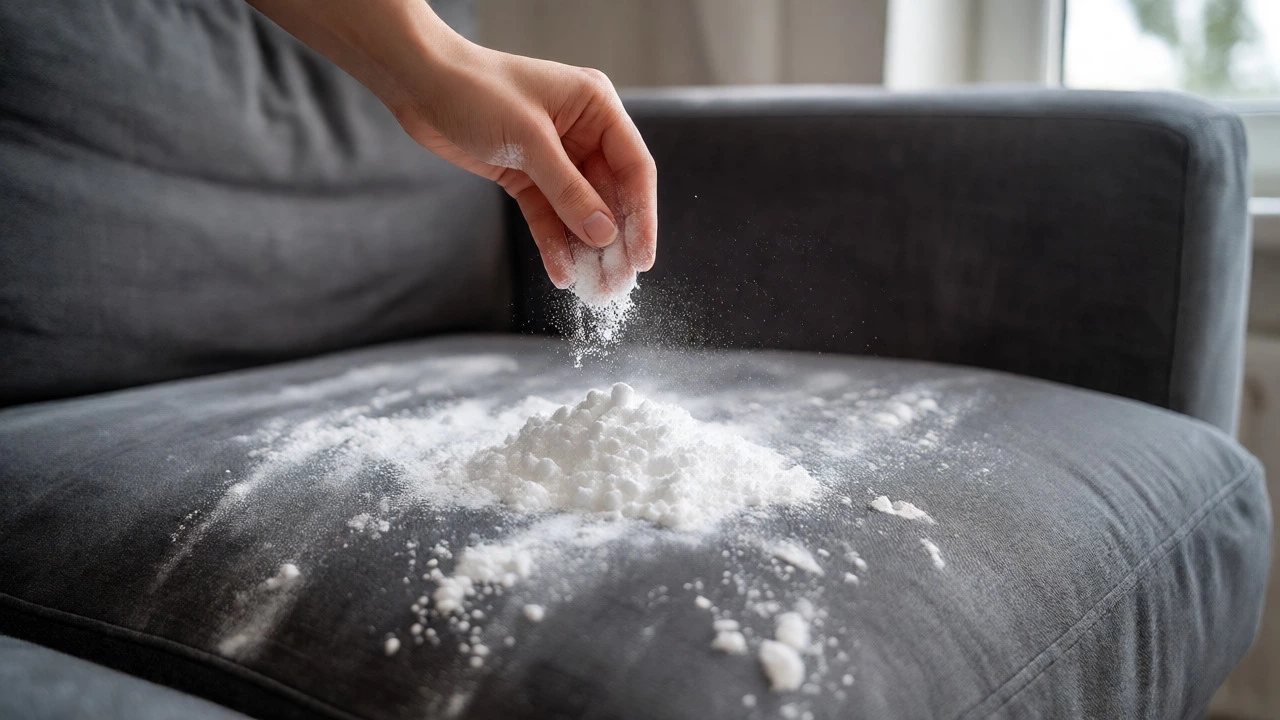
For many households, the simplest solution is also the most effective for general freshness. Baking soda (sodium bicarbonate) is a natural deodorizer that absorbs moisture and neutralizes acidic odors. It works best on fabric types that can tolerate some powder residue (usually W or WS codes).
- Vacuum thoroughly: Before applying anything, vacuum every crevice. Use the upholstery attachment to pull out dust, crumbs, and hair. If you skip this, you’re just making mud out of the dirt.
- Apply baking soda generously: Sprinkle a thick, even layer of baking soda over the entire surface. Don’t be shy. You want enough to cover the fabric completely. For stubborn spots, mix baking soda with a few drops of essential oil (like lavender or eucalyptus) if you enjoy the scent, though plain is more effective for neutralizing strong odors.
- Let it sit: This is crucial. Leave the baking soda on the sofa for at least one hour, but overnight is better. The longer it sits, the more odor molecules it traps.
- Vacuum again: Use a high-suction vacuum to remove all the powder. Pay attention to seams and corners where powder gets trapped. Residual baking soda can attract new dirt if left behind.
This method doesn’t remove stains, but it significantly reduces ambient odor. If the smell persists after this process, you likely have a deeper contamination requiring liquid treatment.
Tackling Tough Stains and Deep Odors
When baking soda isn’t enough, you need to lift the source of the smell. For water-safe fabrics (W or WS), a DIY solution using white vinegar and dish soap works wonders. Vinegar is acidic, which helps break down alkaline residues like urine and sweat, while dish soap lifts grease.
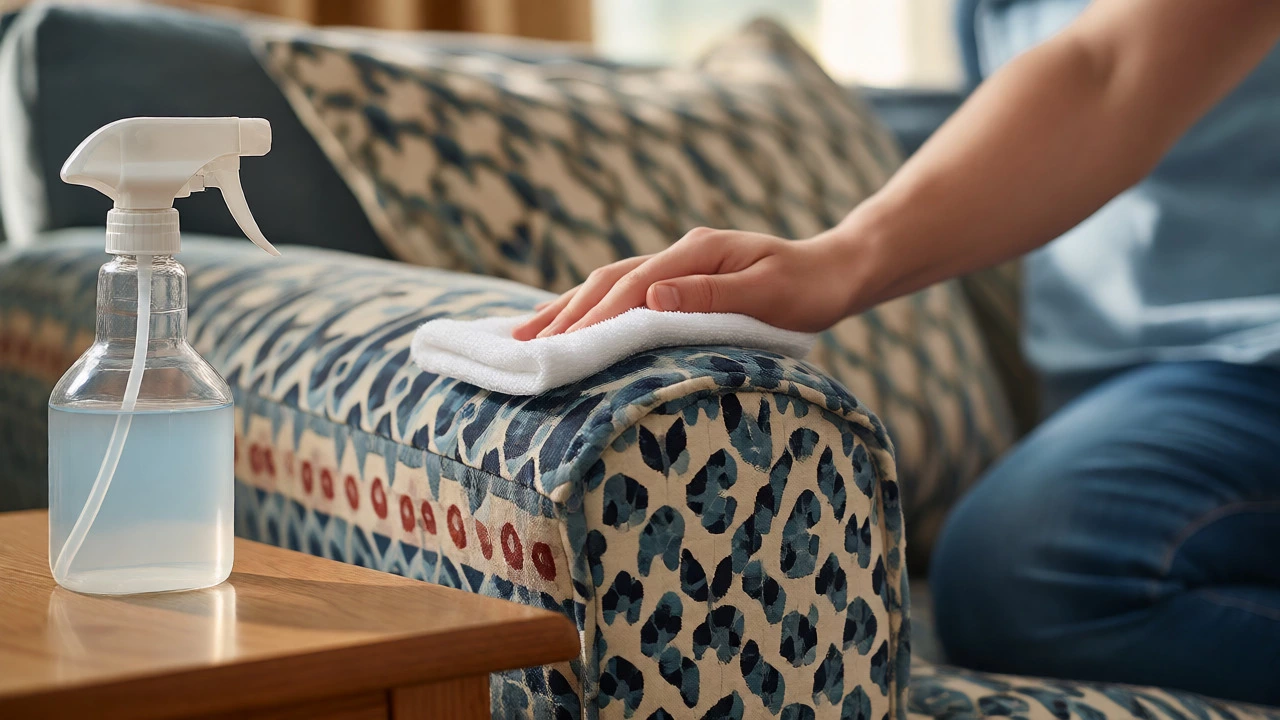
Mix one cup of warm water, half a cup of white vinegar, and a few drops of mild dish soap in a spray bottle. Shake gently to avoid excessive suds. Spray the affected area lightly-you want the fabric damp, not soaked. Over-wetting leads to mold. Let the solution sit for five minutes, then blot with a clean, white microfiber cloth. Never rub. Rubbing pushes the stain deeper into the foam and damages the fiber structure.
For pet urine specifically, enzyme cleaners are non-negotiable. Products containing protease and amylase enzymes digest the uric acid crystals. Unlike vinegar, which masks the smell temporarily, enzymes destroy the source. Look for products labeled "pet-specific" or check the ingredient list for enzymatic activity. Apply according to the manufacturer's instructions, usually involving saturation and a long dwell time (15-30 minutes) before blotting.
Steam Cleaning: Pros and Cons
Many homeowners reach for a rented steam cleaner, thinking heat kills everything. While steam does sanitize, it carries significant risks for upholstered furniture. High heat can set protein-based stains (like blood or milk) permanently. Additionally, if you don’t extract enough moisture during the steam cycle, the underlying foam remains damp for days, creating a perfect environment for bacterial regrowth.
If you choose to steam clean, ensure your machine has strong suction capabilities. Go slow, allowing the machine to pull the dirty water back out. After steaming, accelerate drying by opening windows and running fans directly at the sofa. Aim for complete dryness within four hours. If the sofa still feels cool or damp to the touch after six hours, you’ve likely introduced more moisture than you removed.
Preventing Future Odors
Cleaning is reactive; prevention is proactive. To keep your sofa smelling fresh between deep cleans, adopt these habits:
- Vacuum weekly: Dust and skin cells accumulate faster than you think. Regular vacuuming removes the fuel source for bacteria.
- Rotate cushions: If your sofa has removable covers, wash them according to the label. Rotate non-removable cushions to ensure even wear and airflow.
- Use throws: Washable blankets protect high-contact areas from spills and body oils. They are easier to launder than the entire sofa.
- Control humidity: Keep indoor relative humidity below 50%. Use a dehumidifier in damp climates, especially in older homes like those common in Bristol, where stone walls can retain moisture.
Remember, a clean sofa is a healthy home component. By understanding your fabric limits and using targeted cleaning methods, you can eliminate odors without damaging your investment. Start small with vacuuming and baking soda, escalate to enzyme cleaners for pets, and reserve steam cleaning for heavy-duty jobs where extraction is guaranteed.
Can I use hydrogen peroxide to clean my sofa?
Hydrogen peroxide is a bleaching agent. While effective for removing stains, it can discolor colored fabrics. Always test it on a hidden area first. It is generally safer for white or light-colored upholstery. Mix equal parts hydrogen peroxide and water, apply sparingly, and rinse well to prevent yellowing over time.
How often should I professionally clean my sofa?
For average households, professional cleaning every 12 to 18 months is sufficient. However, if you have pets, children, or allergies, consider doing it every 6 to 12 months. Frequent vacuuming and immediate spot cleaning can extend the time between professional services.
Will rubbing alcohol remove ink from my sofa?
Rubbing alcohol (isopropyl alcohol) can dissolve certain inks, particularly ballpoint pen marks. Dab a small amount onto a cotton swab and blot the stain-do not rub. Test on an inconspicuous area first, as alcohol can strip dye from some synthetic fabrics. Follow up with a water-based cleaner to remove any residue.
What if my sofa has no cleaning tag?
If the tag is missing, perform a patch test. Apply a small amount of your chosen cleaner to a hidden seam or underside. Wait 10 minutes and check for color bleeding or texture changes. If unsure, stick to dry cleaning methods like vacuuming and baking soda, or consult a professional upholsterer.
Does sunlight help remove sofa odors?
Yes, UV rays kill bacteria and help dry out damp fabrics. Placing removable cushions in direct sunlight for a few hours can reduce odors. However, prolonged exposure fades colors, so limit sun exposure to short periods and rotate items to ensure even fading.