Upholstery Cleaning Safety Checker
Check if Pine-Sol is suitable for your sofa before you spray. Select your fabric type and cleaning code below.
Select options and click Check Safety to see results.
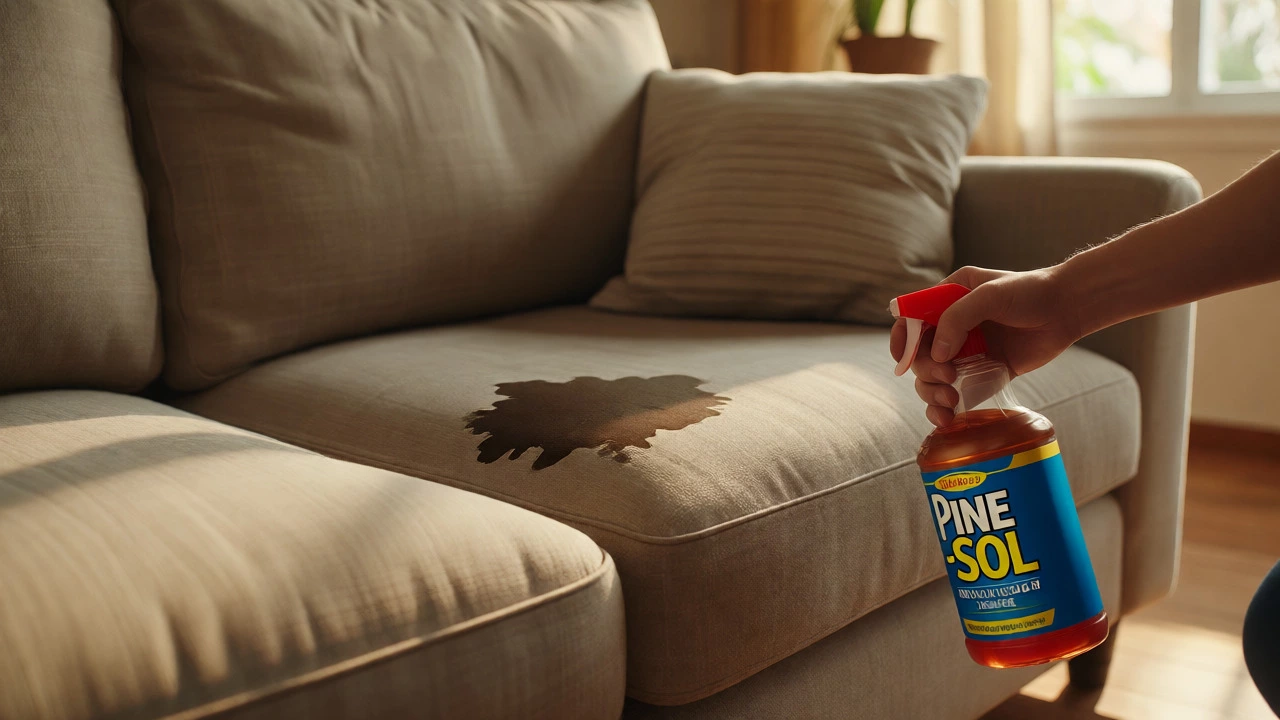
You’re staring at a mysterious stain on your beige sofa. You grab the bottle of Pine-Sol from under the sink because it’s already there, and you know it cuts through grease like nothing else. But wait-does that smell of pine actually mean it’s safe for your furniture? Or will you end up with a faded patch and a ruined warranty?
This is one of those questions where the answer isn’t just "yes" or "no." It depends entirely on what your couch is made of. Using the wrong cleaner on delicate fabric can do more damage than the stain itself. So before you spray, let’s break down exactly when Pine-Sol works, when it fails, and how to use it without turning your living room into a chemistry experiment.
The Short Answer: It Depends on Your Fabric Code
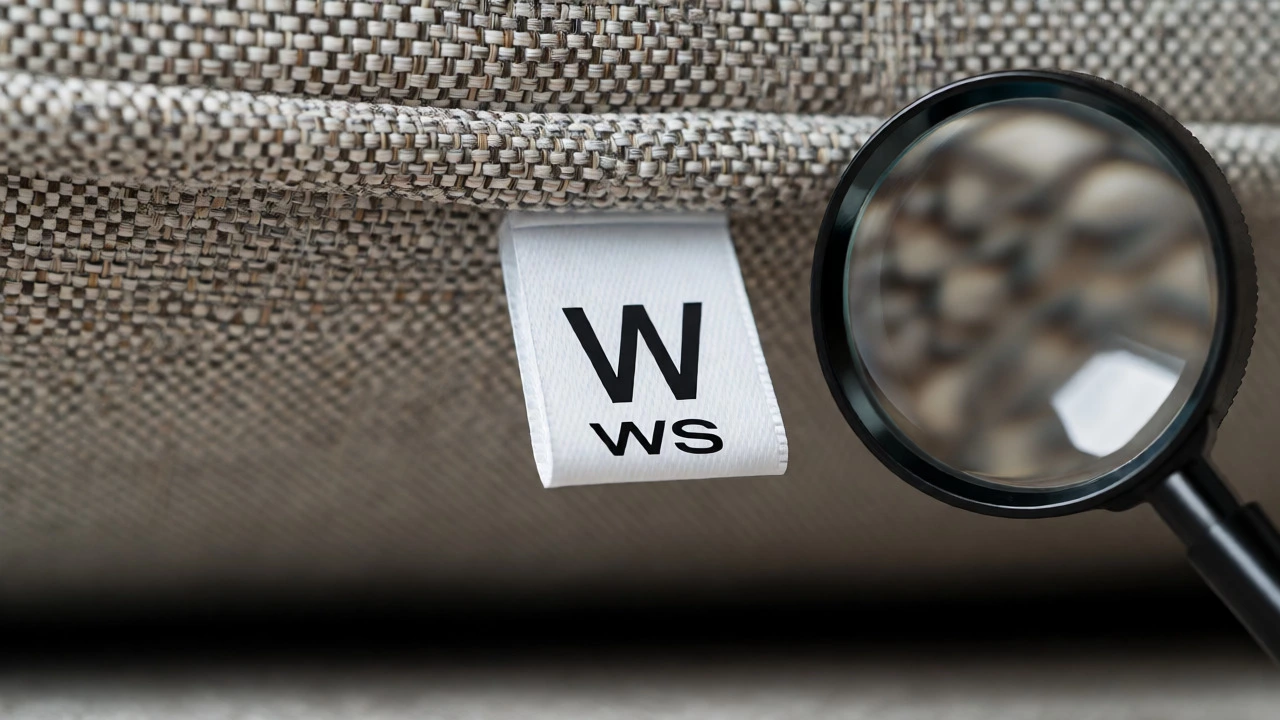
Most upholstered furniture comes with a small tag, usually hidden under a cushion or on the back frame. This tag contains a letter code that tells you exactly how to clean it. Ignoring this code is the number one reason people ruin their sofas.
- W: Water-based cleaners are safe. You can use mild soap and water.
- S: Solvent-based cleaners only. Water can cause shrinking or staining.
- WS: Both water and solvent cleaners are okay.
- X: Vacuum only. No liquids allowed.
Pine-Sol is primarily a water-based multi-surface cleaner (though some variants have different formulations). If your couch has an S code, Pine-Sol is likely too wet and could leave water rings or shrink the fibers. If you have a W or WS code, you’re in safer territory, but you still need to dilute it properly. Never apply full-strength Pine-Sol directly to fabric; it’s designed for floors and counters, not textiles.
Why Pine-Sol Works (And When It Doesn’t)
Pine-Sol contains surfactants and solvents that break down oils and dirt. This makes it excellent for removing greasy fingerprints from leather or heavy soil from durable synthetic fabrics like polyester or nylon. The scent also masks odors, which is a bonus if your couch smells like last night’s pizza.
However, Pine-Sol is alkaline. Natural fibers like cotton, linen, wool, and silk are sensitive to pH changes. High alkalinity can strip natural dyes, causing colors to fade or bleed. If you have a vintage velvet armchair or a high-end linen sofa, Pine-Sol might be too harsh. In these cases, a pH-neutral upholstery shampoo is a better bet.
There’s also the issue of residue. Pine-Sol leaves behind a film if not rinsed thoroughly. On hard surfaces, you wipe it away. On fabric, that residue attracts new dirt. A week after cleaning, your spot might look darker because it’s collecting dust faster than the rest of the couch.
How to Test Before You Spray
Never skip the spot test. It takes two minutes and saves you hundreds of pounds in professional restoration costs later. Here’s how to do it right:
- Mix a solution: Combine one tablespoon of Pine-Sol with two cups of warm water. This creates a mild cleaning solution suitable for most washable fabrics.
- Find a hidden area: Look for a spot on the back of the sofa, under a cushion, or inside the armrest crevice where light doesn’t hit.
- Apply gently: Dip a white microfiber cloth into the solution, wring it out until it’s damp (not soaking), and blot the hidden area. Do not rub; rubbing spreads stains and damages fibers.
- Wait and watch: Let it dry completely. Check for color change, texture stiffening, or water rings. If the fabric looks normal, you’re good to go.
| Fabric Type | Pine-Sol Safety | Risk Factor | Recommended Alternative |
|---|---|---|---|
| Microfiber | Generally Safe (Diluted) | Low | Isopropyl Alcohol |
| Leather/Vinyl | Safe (Very Diluted) | Medium (Drying) | Leather Conditioner |
| Cotton/Linen | Use Caution | High (Fading) | Mild Dish Soap |
| Velvet/Silk | Avoid | Very High | Professional Steam Clean |
| Wool | Avoid | High (Shrinking) | Wool-Safe Shampoo |
Step-by-Step: Cleaning Your Couch with Pine-Sol
If your spot test passed and your fabric code allows water, here’s the safest way to tackle those spots. Work in sections so you don’t miss any drips.
1. Vacuum First: Remove loose crumbs, pet hair, and dust. If you clean over debris, you’ll just create mud. Use the upholstery attachment on your vacuum.
2. Prepare the Solution: Remember the ratio: 1 part Pine-Sol to 8 parts water. Pour it into a spray bottle. Shake well.
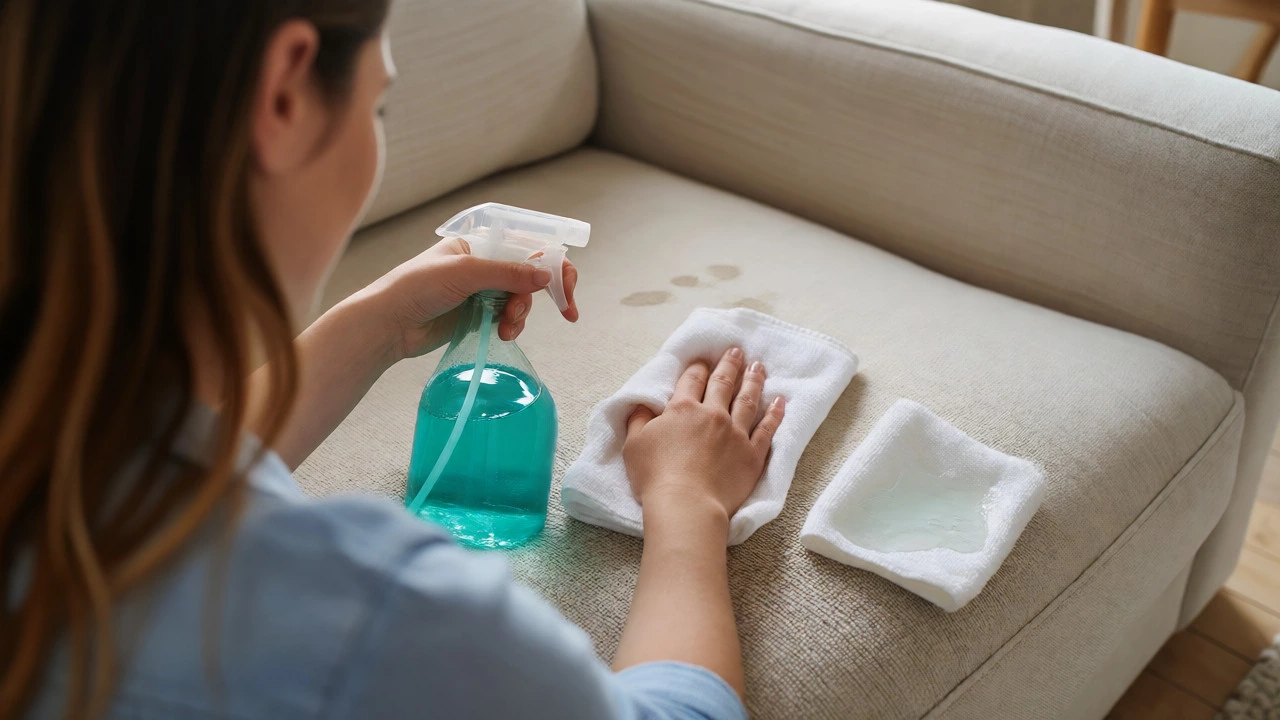
3. Blot, Don’t Scrub: Spray the solution onto a clean white cloth, not directly onto the couch. Direct spraying saturates the foam underneath, leading to mold or bad smells as it dries. Blot the stain from the outside in. This prevents the stain from spreading to a larger area.
4. Rinse the Residue: This step is critical. Take a second cloth dampened with plain water and blot the cleaned area again. This removes the soapy Pine-Sol residue. If you skip this, the area will attract dirt quickly.
5. Dry Thoroughly: Airflow is key. Open windows or point a fan at the damp spot. Sitting on a damp couch transfers moisture to your clothes and slows drying, increasing the risk of mildew.
Special Considerations for Leather and Vinyl
People often ask about using Pine-Sol on faux leather or vinyl. Technically, yes, you can. These materials are non-porous, so they won’t absorb the liquid like fabric does. However, Pine-Sol can dry out vinyl over time, making it crack.
If you use it on leatherette, dilute it even further-one teaspoon per gallon of water. After wiping it down, follow up immediately with a damp cloth of plain water to remove all soap traces. Then, apply a vinyl conditioner or leather cream. Skipping the conditioner is why old vinyl chairs feel sticky and brittle.
What to Avoid: The "Don'ts" of DIY Cleaning
Even if Pine-Sol works, there are common mistakes that turn a successful clean into a disaster.
- Don’t use hot water: Hot water sets protein-based stains like blood or sweat. Always use lukewarm or cool water.
- Don’t oversaturate: If water pools on the surface or runs down the legs, you’ve used too much. The internal foam takes days to dry if soaked.
- Don’t mix chemicals: Never mix Pine-Sol with bleach or ammonia. This can create toxic fumes and damage the fabric fibers.
- Don’t ignore the manufacturer’s warranty: Some warranties void if you use non-approved cleaners. Check your documentation if your couch is less than five years old.
Better Alternatives to Pine-Sol for Upholstery
While Pine-Sol is versatile, it’s not always the best tool for the job. If you find yourself cleaning couches regularly, consider these options:
Enzyme Cleaners: These are fantastic for organic stains like urine, vomit, or food. Enzymes eat the bacteria causing the odor. Brands like Nature’s Miracle work wonders on pet accidents where Pine-Sol might just mask the smell temporarily.
White Vinegar and Water: A 50/50 mix is a gentle, acidic alternative that helps lift stains and neutralize odors without the strong chemical scent of Pine-Sol. It’s safer for delicate fabrics but may not cut through heavy grease as effectively.
Dry Foam Cleaners: These come in aerosol cans and expand into a foam that lifts dirt without soaking the fabric. They’re ideal for S coded fabrics where water is risky.
Final Thoughts: When to Call a Pro
DIY cleaning is great for maintenance and fresh spills. But if you have a large area rug-like sofa, antique furniture, or stubborn set-in stains, call a professional. They have truck-mounted extraction systems that pull deep-seated dirt out, something a household sponge can’t do.
For now, keep that Pine-Sol handy-but respect the fabric. With the right dilution and technique, it’s a powerful ally in keeping your living room looking sharp.
Can I use undiluted Pine-Sol on my couch?
No, you should never use undiluted Pine-Sol on upholstery. It is too concentrated and can strip dyes, leave sticky residues, and damage fabric fibers. Always dilute it according to the instructions, typically one tablespoon per two cups of water, and perform a spot test first.
Will Pine-Sol bleach my colored sofa?
It can, especially on natural fibers like cotton or linen. Pine-Sol is alkaline, which can affect certain dyes. That’s why testing in a hidden area is mandatory. Synthetic fabrics like polyester are generally more resistant to color loss, but caution is still advised.
Is Pine-Sol safe for microfiber couches?
Yes, diluted Pine-Sol is often effective on microfiber, particularly for oily stains. However, alcohol-based cleaners are frequently recommended for microfiber because they evaporate quickly and prevent water spots. If you use Pine-Sol, ensure you rinse thoroughly to avoid residue buildup.
How long does a couch take to dry after using Pine-Sol?
Drying time varies based on humidity and airflow, but expect 4 to 24 hours. To speed up the process, use fans or open windows. Do not sit on the couch until it is completely dry to the touch to prevent transferring moisture to your skin or clothing.
What is the best cleaner for pet stains on a couch?
Enzyme-based cleaners are superior to Pine-Sol for pet stains. They break down the uric acid crystals that cause lingering odors. Pine-Sol may clean the visible stain but often fails to eliminate the source of the smell, which can lead to pets re-marking the same spot.