Personalized Sheet Washing Schedule Calculator
Your Lifestyle Factors
Select the options that apply to you to generate a custom recommendation.
Your Recommendation
Select your factors above and click "Get My Schedule" to see your personalized washing plan.
Why Your Bedding Is Dirtier Than You Think
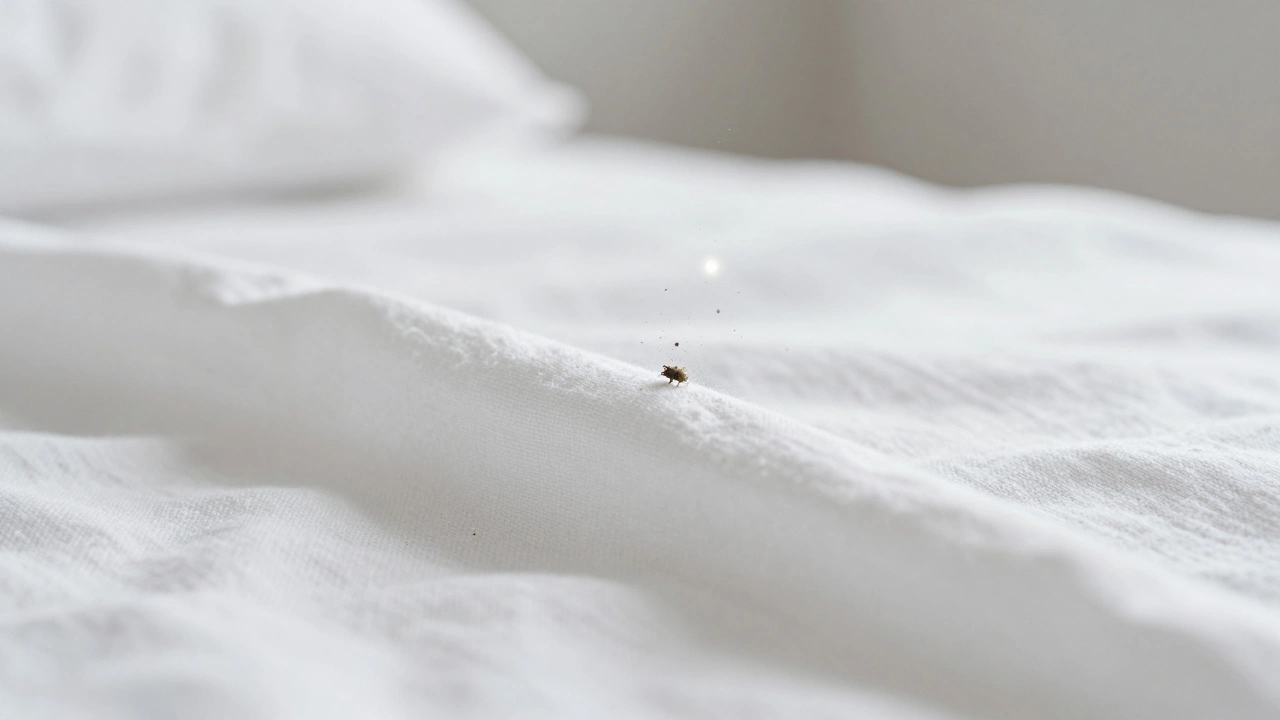
We spend roughly one-third of our lives in bed. That’s about 26 years of sleeping, tossing, turning, and shedding skin cells onto the same fabric. It sounds grim, but it’s the reality of bedroom hygiene. Most people assume that if their sheets don’t look dirty, they aren’t dirty. This is a dangerous assumption. Bed linen acts as a magnet for sweat, dead skin, dust mites, and bacteria, regardless of whether you can see the grime.
The question isn't just about cleanliness; it's about health. Dust mites thrive in warm, humid environments like your mattress and pillows. They feed on the microscopic flakes of skin we shed every night. Their waste products are a leading trigger for allergies and asthma. If you suffer from unexplained morning congestion or itchy eyes, your bedding might be the culprit. Understanding how often to wash your sheets is the first step in reclaiming a healthy sleep environment.
The Golden Rule: Every One to Two Weeks
So, what is the magic number? For the average person, the consensus among hygiene experts is clear: wash your sheets every one to two weeks. This frequency strikes a balance between maintaining hygiene and preserving the lifespan of your fabrics. Washing them weekly ensures that dust mite populations stay low and prevents the buildup of body oils that can degrade fibers over time. Waiting up to two weeks is acceptable if you shower before bed, don’t eat in bed, and keep pets off the mattress.
However, "average" doesn't apply to everyone. Your personal routine dictates the ideal schedule. If you work out daily and shower afterward, you’re bringing less dirt into bed. If you have night sweats due to menopause, medication, or hot climates, you need to wash more frequently. Consistency matters more than perfection. Pick a day-say, Sunday morning-and stick to it. This turns a chore into a habit, ensuring your sleep sanctuary remains fresh.
When to Break the Rules: Situations Requiring More Frequent Washing
There are specific scenarios where the one-to-two-week rule falls short. In these cases, you should aim for weekly washing, or even more often if necessary.
- Allergies and Asthma: If you are sensitive to dust mites, pollen, or pet dander, weekly washing is non-negotiable. Hot water helps kill mites and remove allergens effectively.
- Skin Conditions: People with eczema, acne, or psoriasis benefit from frequent sheet changes. Bacteria and old skincare products trapped in fabric can exacerbate breakouts and irritation.
- Pets in Bed: Dogs and cats bring in outdoor dirt, pollen, and parasites. Even if they are groomed regularly, their fur and dander accumulate quickly. Weekly washing protects both you and your pet.
- Illness: When you have a cold, flu, or fever, you sweat more and spread germs. Change your sheets immediately after recovering to prevent reinfection and ensure a clean start for your next rest.
- Eating in Bed: Crumbs and spills create a feast for pests and mold. If you indulge in late-night snacks, treat your sheets like a tablecloth: change them weekly at minimum.
The Science Behind the Wash: Temperature and Detergent
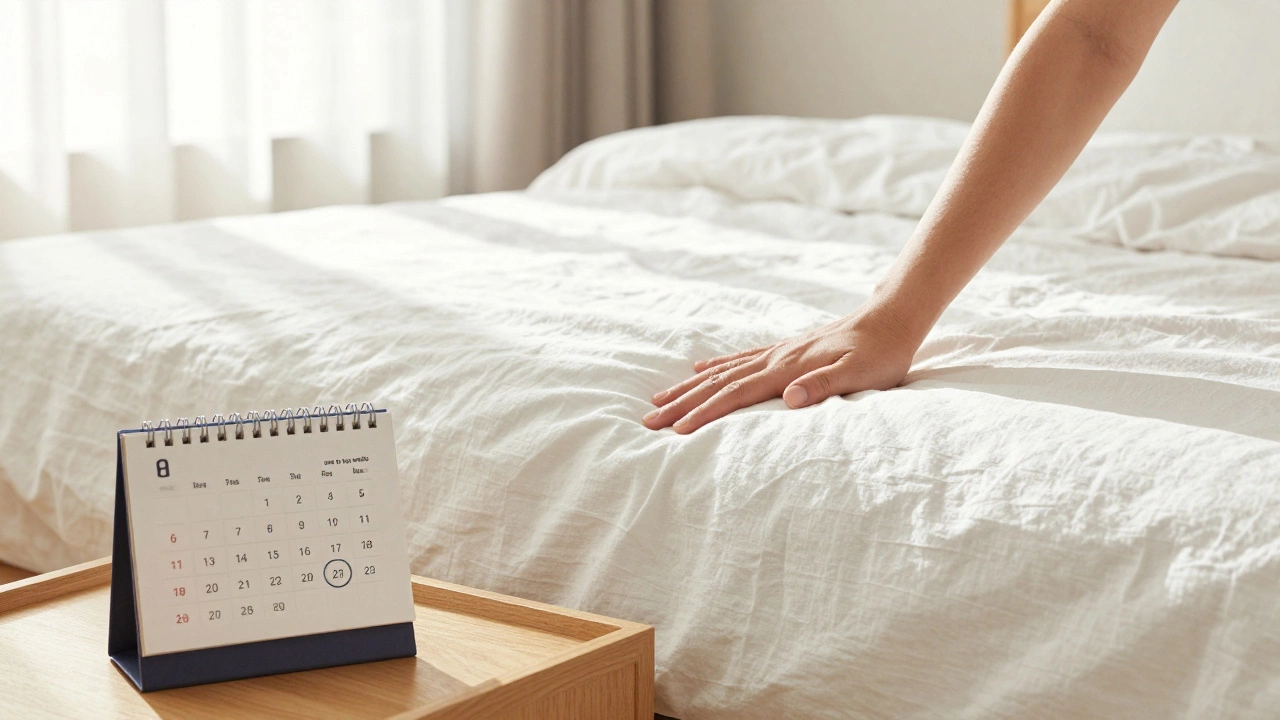
Washing your sheets is useless if you do it wrong. Many people throw everything into the machine on a cold cycle, which fails to sanitize properly. To truly eliminate dust mites and bacteria, you need heat. Aim for a wash temperature of at least 60°C (140°F). This temperature is high enough to kill dust mites and most common household bacteria without damaging standard cotton or linen fabrics.
If your sheets are made of delicate materials like silk or certain synthetics that cannot handle high heat, use a sanitizing laundry additive instead. These products contain enzymes or oxygen bleach that break down organic matter and kill microbes at lower temperatures. Always check the care label first. Ignoring manufacturer instructions can lead to shrinkage, fading, or pilling, ruining expensive bedding sets.
Detergent choice also plays a role. Avoid using too much detergent. Excess soap doesn't rinse out completely, leaving a residue that traps dirt and irritates skin. A small amount of high-quality, hypoallergenic detergent is usually sufficient. Skip the fabric softener. Softeners coat fibers with a waxy layer that reduces absorbency and traps odors, making your sheets feel less breathable over time.
Fabric Matters: Cotton vs. Linen vs. Synthetics
The material of your sheets affects not only comfort but also maintenance frequency. Natural fibers generally breathe better and resist odor buildup compared to synthetics.
| Material | Recommended Wash Frequency | Best Wash Temp | Key Benefit |
|---|---|---|---|
| Cotton (Percale/Sateen) | Every 1-2 weeks | Up to 60°C | Breathable, durable, easy to care for |
| Linen | Every 2-3 weeks | Up to 60°C | Naturally antimicrobial, gets softer with age |
| Synthetic (Polyester/Microfiber) | Weekly | 30-40°C | Affordable, wrinkle-resistant, but traps heat/odor |
| Silk | Monthly (or hand wash) | Cold only | Hypoallergenic, gentle on skin/hair |
Note that linen has natural antimicrobial properties, allowing it to go slightly longer between washes than cotton. However, because it absorbs moisture well, it can harbor odors if neglected. Synthetic sheets, while cheap, tend to hold onto body oils and smells more aggressively, requiring more frequent laundering to stay fresh.
Proper Drying Techniques to Preserve Fabric
How you dry your sheets is just as important as how you wash them. Tumble drying is convenient but harsh. High heat can weaken fibers, cause shrinkage, and increase static cling. For cotton and linen, line drying in the sun is ideal. UV rays act as a natural disinfectant, killing remaining bacteria and bleaching stains gently. Plus, air-dried sheets smell fresher and last longer.
If you must use a dryer, remove sheets while they are still slightly damp. Over-drying makes them brittle and prone to tearing. Shake them out vigorously before folding to reduce wrinkles. Store your clean sheets in a cool, dry place. Avoid plastic bins, which can trap moisture and lead to mildew. Use breathable cotton storage bags or open shelves instead.
Common Mistakes That Ruin Your Sheets
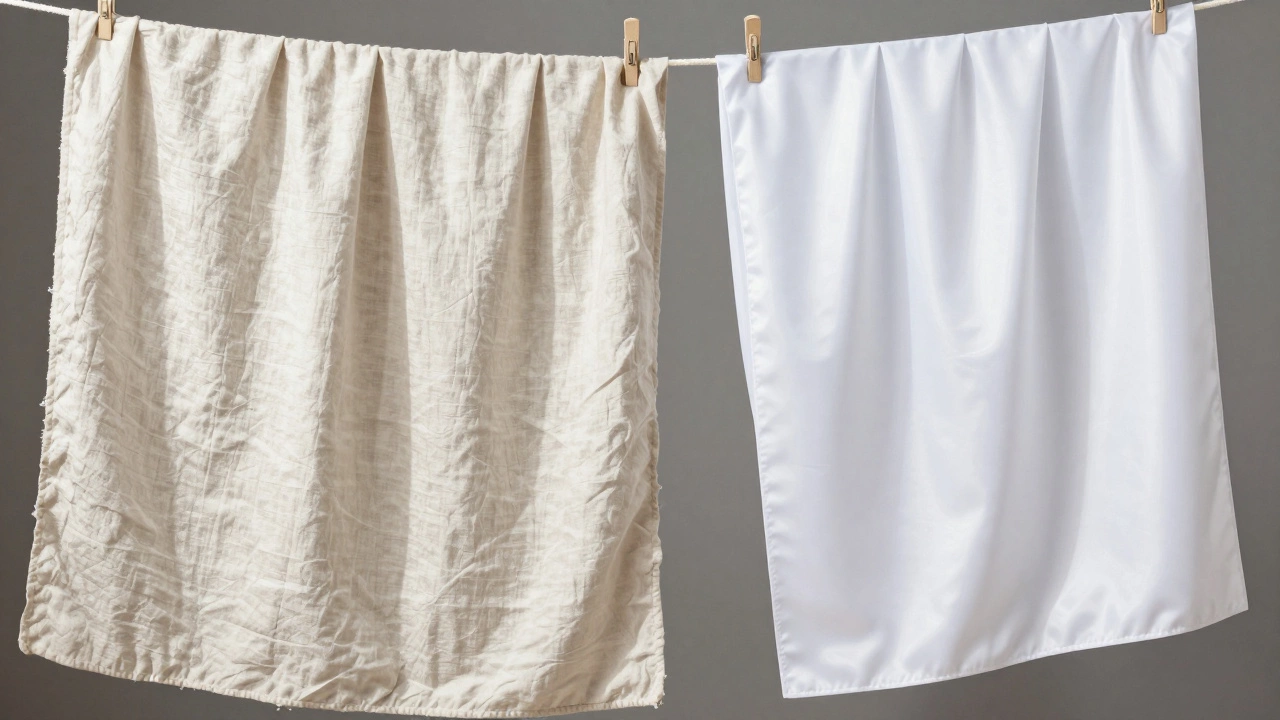
Even diligent washers make errors that shorten the life of their bedding. Here are the top pitfalls to avoid:
- Overloading the Machine: Sheets need room to agitate and rinse. If they’re bunched up, they won’t get clean. Wash pillowcases and duvet covers separately if your machine is small.
- Using Bleach Regularly: Chlorine bleach weakens fibers and causes yellowing over time. Reserve it for white cottons only, and use oxygen bleach for colored sheets.
- Ignoring Pillowcases: We touch our faces constantly. Pillowcases collect makeup, hair products, and oil faster than fitted sheets. Change them twice a week, especially if you have acne-prone skin.
- Mixing Loads Improperly: Never wash dark sheets with lights. Color bleeding is a nightmare to fix. Also, separate heavy towels from light sheets to prevent excessive friction and wear.
Seasonal Adjustments: Spring Cleaning and Beyond
As we move through the seasons, our bedding needs shift. Spring cleaning is the perfect time to deep-clean your entire bedding ecosystem. This goes beyond regular sheet washing. Strip your bed and wash all layers, including mattress protectors and duvet inserts. Check for hidden stains or damage. Sunlight is your best friend here; hang duvets outside for a few hours to air them out.
In winter, when windows are closed and heating systems run dry, indoor air quality drops. Dust settles more easily, and humidity levels fluctuate. Consider adding a humidifier to your bedroom and wash sheets weekly to combat dry skin and static. In summer, increased sweating means more frequent washes. Stick to lightweight, breathable fabrics like percale cotton or linen to stay cool and reduce the need for mid-cycle re-washes.
The Hidden Cost of Neglect
Skipping sheet washes might save time now, but it costs you later. Dirty sheets degrade faster. Body oils break down fiber bonds, leading to thinning, holes, and a rough texture. You’ll end up replacing your set sooner than necessary. Moreover, poor hygiene impacts sleep quality. Studies show that a clean sleep environment promotes deeper REM cycles and reduces nighttime awakenings. Investing thirty minutes every two weeks in laundry pays off in better health and longer-lasting bedding.
Don’t wait until your sheets smell musty or feel stiff. Set a reminder today. Your future self-and your immune system-will thank you.
Can I wash my sheets in cold water?
Yes, but it’s less effective for sanitation. Cold water saves energy and preserves colors, but it doesn’t kill dust mites or bacteria efficiently. Use cold water only for delicate fabrics like silk or if you add a laundry sanitizer designed for low temperatures.
How often should I wash my pillowcases?
Ideally, every two to three days. Pillowcases come into direct contact with your face, absorbing oils, sweat, and skincare products. If you have acne or sensitive skin, changing them more frequently can significantly improve your complexion.
Is it okay to let guests use unwashed sheets?
No. Always provide freshly washed sheets for guests. It’s a basic courtesy and hygiene standard. Even if the sheets were used recently, they may carry allergens or odors that could discomfort visitors.
Do I need to wash new sheets before using them?
Yes. New sheets often contain finishing chemicals, sizing agents, and dust from manufacturing and shipping. Washing them removes these residues, making the fabric softer and safer for your skin.
Can vinegar help clean my sheets?
Absolutely. Adding half a cup of white vinegar to the rinse cycle acts as a natural fabric softener, breaks down mineral deposits, and neutralizes odors without leaving a chemical residue. It’s an eco-friendly alternative to commercial softeners.